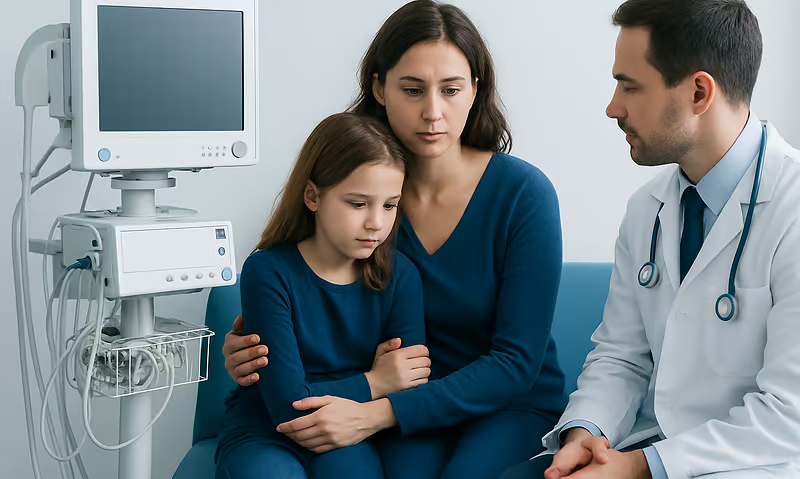
Cancer Survivorship: Follow-Up Care After Treatment

Cancer survivorship care is personalized according to the cancer type, treatments received, risk of recurrence, and the person’s overall health. Follow-up visits may include physical examinations, imaging, laboratory tests, screening for other cancers, and review of symptoms or side effects.
Key Takeaways
- Cancer survivorship care is personalized according to the cancer type, treatments received, risk of recurrence, and the person’s overall health.
- Follow-up visits may include physical examinations, imaging, laboratory tests, screening for other cancers, and review of symptoms or side effects.
- Late and long-term effects can involve fatigue, pain, heart health, fertility, memory and concentration, bone health, sexual health, or emotional wellbeing.
- A written survivorship care plan can help coordinate care between oncology specialists, primary care doctors, rehabilitation teams, and mental health professionals.
- Healthy habits, vaccination advice, symptom awareness, and prompt medical review are important parts of life after cancer treatment.
Cancer survivorship begins after the main phase of treatment and continues with medical follow-up, rehabilitation, emotional support, and healthy lifestyle planning. A structured survivorship care plan helps people understand what to expect, which tests may be needed, and when to contact their healthcare team.
Overview
Cancer survivorship refers to the phase of care that follows diagnosis and treatment, and it includes physical, emotional, social, and practical recovery. For many people, finishing chemotherapy, radiotherapy, surgery, immunotherapy, targeted therapy, or hormone therapy is a major milestone. At the same time, it can bring new questions: how often follow-up is needed, which symptoms matter, and how to regain confidence in daily life.
Follow-up care after cancer treatment is not the same for every person. It depends on the type and stage of cancer, the treatments used, the risk of recurrence, age, existing medical conditions, and personal goals. Some people need close oncology follow-up for several years, while others gradually transition more of their care to a primary care physician with oncology input when needed.
The goals of survivorship care are to monitor for signs of recurrence, detect new cancers when appropriate, manage long-term and late effects, support rehabilitation, and encourage healthy living. It also helps coordinate care among oncologists, surgeons, radiation oncologists, nurses, family physicians, dietitians, physiotherapists, psychologists, and other specialists.
What Happens During Follow-Up Visits
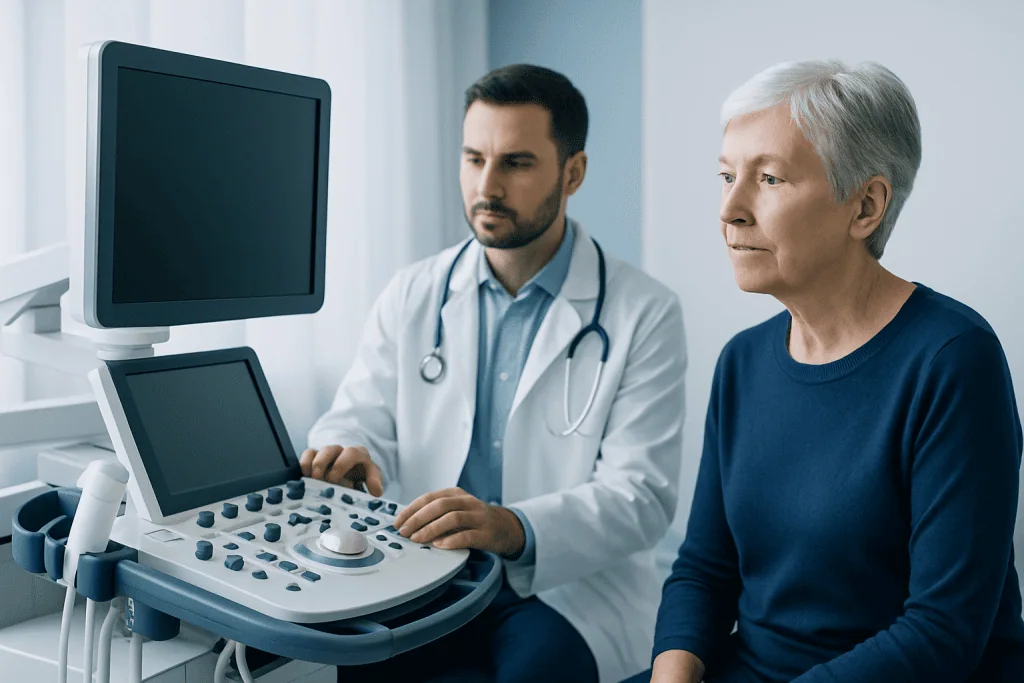
Follow-up appointments usually begin with a discussion of how the person has been feeling since treatment ended. The healthcare team may ask about energy levels, pain, appetite, sleep, mood, bowel or bladder changes, sexual health, breathing, mobility, and return to work or school. These conversations are important because many treatment effects can be improved when they are recognized early.
A physical examination may focus on the area where the cancer started, lymph nodes, surgical scars, skin changes, neurological function, or other body systems depending on the diagnosis. Tests are selected carefully and may include blood tests, imaging scans, endoscopy, mammography, colonoscopy, or tumor markers when they are known to be useful for that cancer type. More testing is not always better; unnecessary tests can cause worry and may not improve outcomes.
The schedule for follow-up is usually more frequent in the first years after treatment and may become less frequent over time. A typical visit may include:
- Review of new symptoms or ongoing side effects
- Physical examination and measurement of weight, blood pressure, or other vital signs
- Discussion of medicines, supplements, vaccinations, and other medical conditions
- Recommended tests based on cancer-specific guidelines
- Advice about physical activity, nutrition, emotional health, and preventive screening
Understanding the Survivorship Care Plan
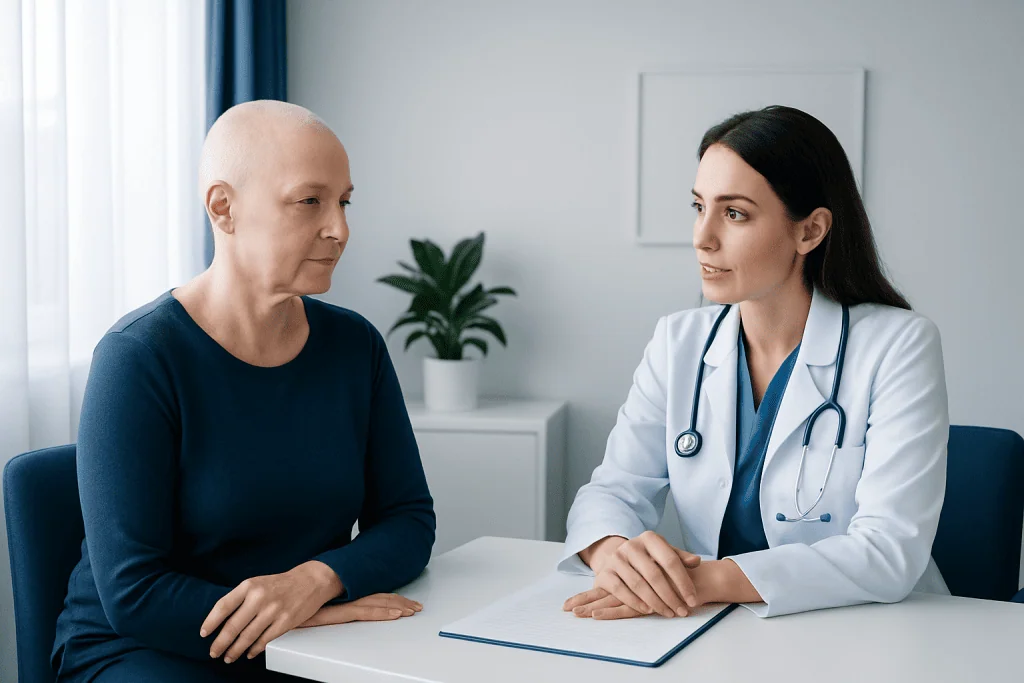
A survivorship care plan is a written summary and roadmap for life after cancer treatment. It usually includes the original diagnosis, cancer stage when relevant, treatments received, important dates, possible late effects, recommended follow-up schedule, and the names of key doctors. This document can be especially helpful when a person sees several healthcare providers or receives care in different locations.
The plan may also list warning symptoms that should be reported promptly. These vary by cancer type but can include unexplained weight loss, persistent pain, new lumps, unusual bleeding, shortness of breath, severe headaches, changes in bowel habits, or ongoing fever. The purpose is not to create fear, but to make it easier to act early and appropriately if something changes.
Good survivorship plans also cover general health. They may include screening for other cancers, management of blood pressure or diabetes, bone health assessment, dental care, heart health monitoring, fertility or menopause support, and mental health resources. Patients are encouraged to keep a copy of the plan, share it with their family physician, and update it when new information becomes available.
Long-Term and Late Effects of Cancer Treatment
Some side effects improve soon after treatment ends, while others continue for months or appear later. These are called long-term or late effects. They can happen after many types of cancer treatment, but they are not the same for everyone. The likelihood depends on the treatment area, drug type, dose, age, genetics, and overall health.
Common survivorship concerns include fatigue, numbness or tingling in the hands and feet, pain, swelling from lymphedema, changes in memory and concentration, sleep problems, changes in body image, and emotional distress. Certain treatments can also affect the heart, lungs, kidneys, thyroid, bones, fertility, sexual function, or hormone levels. Childhood, adolescent, and young adult cancer survivors may need lifelong follow-up focused on growth, development, fertility, education, and future health risks.
Many late effects can be managed or reduced with the right support. Rehabilitation may improve strength, balance, swallowing, speech, or range of motion. Medications, counseling, pelvic health therapy, pain management, nutritional guidance, and exercise programs may also help. Reporting symptoms early allows the care team to separate expected recovery from issues that need evaluation.
Emotional Wellbeing and Social Recovery
Emotional recovery is a central part of cancer survivorship. Some people feel relieved and hopeful after treatment, while others feel uncertain, anxious, or isolated. Fear of recurrence is common and may become stronger before follow-up scans or medical appointments. These feelings are understandable and do not mean a person is not coping well.
Support can include talking with the oncology team, seeing a psychologist or counselor, joining a survivorship group, practicing relaxation techniques, or involving trusted family and friends. Mindfulness, structured exercise, adequate sleep, and returning gradually to meaningful activities may support emotional balance. If sadness, anxiety, panic, or loss of interest persists or affects daily life, professional help is recommended.
Practical issues can also shape recovery. People may need guidance on returning to work, financial concerns, health insurance, travel, family roles, intimacy, or caregiving responsibilities. Social workers, patient navigators, rehabilitation specialists, and occupational therapists can help create realistic plans and connect survivors with appropriate resources.
Healthy Living, Prevention, and Self-Care
Healthy living after cancer treatment supports general wellbeing and may reduce the risk of other chronic diseases. Recommendations are usually personalized, but many survivors benefit from regular physical activity, a balanced diet, not smoking, limiting alcohol, maintaining a healthy weight, protecting skin from excessive sun exposure, and managing sleep and stress. People should discuss any major diet, supplement, or exercise changes with their healthcare team, especially if they have ongoing symptoms.
Physical activity can be started gradually and adjusted to the person’s fitness, treatment effects, and medical conditions. Walking, resistance training, stretching, swimming, or supervised rehabilitation may be suitable depending on the situation. Exercise can help fatigue, mood, muscle strength, bone health, cardiovascular fitness, and everyday function.
Preventive care remains important after cancer. Survivors should keep up with age-appropriate screening, dental care, eye care, vaccinations, and monitoring of chronic conditions such as hypertension, diabetes, or high cholesterol. Some survivors need special screening because of prior treatments, such as heart monitoring after certain chemotherapy medicines or chest radiation, or bone density testing after hormone-related therapies.
When to See a Doctor
Routine follow-up should continue according to the survivorship care plan, even when a person feels well. Between appointments, it is wise to contact a doctor if new, persistent, or worsening symptoms appear. Examples include unexplained pain, a new lump, unusual bleeding, ongoing cough, shortness of breath, severe fatigue, neurological changes, persistent fever, sudden swelling, or changes in bowel or bladder habits.
Urgent medical attention is needed for severe symptoms such as chest pain, difficulty breathing, signs of stroke, sudden confusion, uncontrolled bleeding, high fever during immune suppression, or severe allergic reactions. People who are taking long-term cancer medicines should also report side effects rather than stopping treatment on their own.
Survivorship care works best when patients and clinicians communicate openly. Bringing a symptom diary, medication list, treatment summary, and questions to appointments can make visits more useful. For international patients, Acibadem International’s multidisciplinary specialists and JCI-accredited hospitals provide diagnosis, follow-up planning, and treatment support for cancer survivorship needs in coordination with each patient’s medical history.
Frequently asked questions
What is cancer survivorship?
Cancer survivorship describes life after a cancer diagnosis, including the period after active treatment ends. It focuses on monitoring health, managing side effects, supporting emotional wellbeing, and helping people return to daily activities as safely and fully as possible.
How often are follow-up appointments needed after cancer treatment?
The schedule depends on the cancer type, stage, treatment received, and individual risk factors. Visits are often more frequent during the first few years and may become less frequent over time. The oncology team should provide a personalized follow-up plan.
Are scans always needed during follow-up care?
Not always. Imaging is recommended when it has proven value for a specific cancer type, stage, or symptom pattern. In some situations, careful examination and symptom review are more appropriate than routine scans.
What symptoms should a cancer survivor report?
Any new, persistent, or worsening symptom should be discussed with a healthcare professional. Important examples include unexplained pain, new lumps, unusual bleeding, persistent cough, shortness of breath, neurological changes, significant weight loss, or changes in bowel or bladder habits.
Can lifestyle changes help after cancer treatment?
Healthy habits can support recovery and general health. Regular physical activity, balanced nutrition, avoiding tobacco, limiting alcohol, maintaining a healthy weight, and managing sleep and stress are commonly recommended, but advice should be tailored to the person’s medical situation.
Who coordinates survivorship care?
Survivorship care may be coordinated by an oncologist, primary care physician, nurse specialist, or survivorship clinic. The best approach is usually shared care, where oncology specialists guide cancer-specific follow-up and primary care doctors help manage general health and prevention.
References
- American Society of Clinical Oncology
- National Cancer Institute
- European Society for Medical Oncology
- World Health Organization
- National Comprehensive Cancer Network
This article is for general information only and is not a substitute for professional medical advice. Please consult a qualified doctor about your individual situation.
Oncology care in Turkey — second opinion and treatment plan
JCI-accredited · board-certified surgeons · reply within 24h
Add us as a Preferred Source to see more of our trusted health content across Google Search, AI Overviews and Discover.
Check your numbers in seconds
BMI, calories, due date, blood pressure and 30+ more clinical calculators — free, instant, doctor-reviewed ranges.

Medical Oncology Department
Medical treatment of cancer with chemotherapy, immunotherapy and targeted therapies under a multidisciplinary tumor board.
60 specialists in this unit