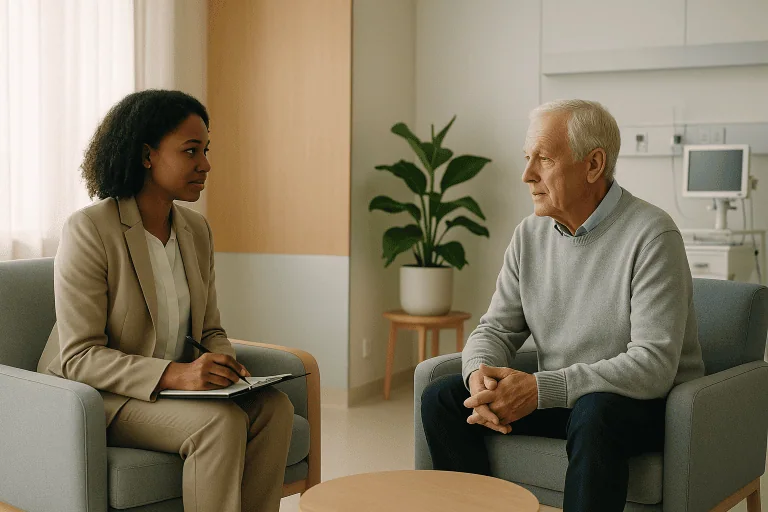
Psycho-Oncology Support
Psycho-oncology support is a set of mental health services designed for people affected by cancer and their families. Psychologists, psychiatrists, and counselors work with the oncology team to address anxiety, depression, fear…

Quick answer
Psycho-oncology support is specialized emotional and psychological care for people with cancer and their families. Trained psychologists and psychiatrists work with the oncology team to help manage anxiety, depression, fear of recurrence, and relationship strain through counseling, structured therapy, relaxation techniques, and, when needed, medication. It complements, but does not replace, cancer treatment.
What is psycho-oncology support?
Psycho-oncology support is specialized emotional, psychological, and social care for people affected by cancer. The word psycho-oncology combines psychology (the study of thoughts, feelings, and behavior) with oncology (the medical specialty that treats cancer). In practice, psycho-oncology support means that trained mental health professionals work alongside the cancer team to help patients and their families cope with the stress, fear, sadness, and practical strain that a cancer diagnosis often brings.
Psycho-oncology support is not a single treatment. It is a group of services that may include counseling, psychotherapy (structured talk therapy), psychiatric assessment, medication for anxiety or depression when appropriate, relaxation and stress-reduction techniques, family or couples sessions, and support groups. The specific mix depends on the person, the stage of their illness, and what they find helpful.
This type of support is used across many cancer types and at many points in the cancer journey, including:
- At diagnosis, when shock and uncertainty are common
- During active treatment such as surgery, chemotherapy, radiation therapy, or immunotherapy
- When treatment causes changes in body image, sexuality, fertility, or daily function
- After treatment ends, when fear of recurrence and adjustment to a new normal can be difficult
- During advanced or palliative care, where the focus shifts to comfort and quality of life
- For family members and caregivers who are also under considerable strain
In many hospitals, psycho-oncology support is coordinated through the psychiatry and psychology department in close cooperation with oncology. At Acibadem, for example, this care is generally managed through Psychiatry & Psychology together with the treating cancer team.
Who is a candidate: who needs psycho-oncology support
Anyone living with cancer can benefit from talking with a mental health professional, and many cancer centers now screen every patient for distress as a routine part of care. Distress is the medical term for the unpleasant emotional experience that can range from normal feelings of worry and sadness to more disabling problems such as depression, anxiety disorders, or panic.
Psycho-oncology support is often recommended when a person experiences:
- Persistent low mood, hopelessness, or loss of interest in daily activities
- Anxiety, constant worry, or panic attacks related to the illness or treatment
- Difficulty sleeping that is not explained by physical symptoms alone
- Fear of recurrence that interferes with everyday life
- Trouble making treatment decisions or communicating with the medical team
- Strain in relationships, family conflict, or feelings of isolation
- Concerns about body image, intimacy, or fertility after treatment
- Grief, existential questions, or spiritual distress, particularly in advanced disease
- A history of mental health problems, which can be worsened by the stress of cancer
- Thoughts of self-harm or that life is not worth living
Caregivers and children of patients are also frequent candidates. Supporting the family often improves the well-being of the patient as well.
When it may not be the right fit: Psycho-oncology support is very low risk, so there are few true exclusions. However, there are situations where a different or additional approach is needed. If someone is in an acute psychiatric crisis, for example with severe confusion, psychosis, or active suicidal intent, emergency psychiatric care takes priority over routine counseling. Some emotional or cognitive changes may be caused by the cancer itself, by medications such as steroids, or by conditions like low thyroid function or infection; in those cases the medical cause needs to be identified and treated. Finally, talk-based therapy relies on the person’s willingness to take part. If someone does not feel ready, the team may simply offer information and check in again later rather than press ahead.
How the psycho-oncology support procedure works
Because psycho-oncology support is a therapy rather than a surgical or medical procedure, there is no anesthesia, no incision, and no physical recovery in the usual sense. The process is structured, however, and it helps to know what typically happens before, during, and after.
Before: screening and referral
Many cancer centers use a short distress screening questionnaire at diagnosis and at key points during treatment. If the score is above a certain threshold, or if the patient or a family member asks, the oncology team refers the person to a psycho-oncology professional. Referral is not a sign that something is wrong with the patient; it is a recognition that cancer is a heavy burden and that support is part of good care.
During: assessment and planning
The first session is usually an assessment lasting roughly an hour. The psychologist or psychiatrist will ask about current feelings, sleep, appetite, energy, relationships, previous mental health history, current medications, and what the person hopes to gain. Together, they agree on goals and a plan. Options may include:
- Supportive counseling: a safe space to talk through fears and decisions
- Cognitive behavioral therapy (CBT): a structured method that helps identify unhelpful thought patterns and build coping skills
- Acceptance-based and mindfulness approaches: techniques that reduce the struggle with distressing thoughts and focus attention on the present
- Relaxation training: breathing exercises, guided imagery, or progressive muscle relaxation, which can also help with nausea and pain
- Psychiatric medication: antidepressants or anti-anxiety medicines when symptoms are moderate to severe, always reviewed for interactions with cancer drugs
- Family, couple, or group sessions: to improve communication and reduce isolation
- Psychoeducation: plain-language information about what to expect emotionally, which can itself be reassuring
Follow-up sessions are often 45 to 60 minutes and may be weekly, every two weeks, or timed around treatment cycles. Sessions may take place in the outpatient clinic, at the bedside for inpatients, or by video call, depending on the person’s condition and local arrangements.
After: review and continuity
Progress is reviewed regularly. Some people need only a few sessions at a stressful moment; others benefit from longer-term support. The psycho-oncology professional communicates with the oncology team, with the patient’s consent, so that emotional and physical care stay coordinated. When the goals are met, sessions may be spaced out and then paused, with the understanding that the person can return if a new challenge arises.
Preparation for psycho-oncology support
Little formal preparation is needed, but a few practical steps can make the first meetings more useful:
- Bring a list of your current medications, including cancer drugs, pain relief, sleep aids, and supplements, so that any psychiatric medication can be checked for interactions.
- Think about what has been hardest recently. Writing down a few notes or questions can help if you feel overwhelmed in the moment.
- Consider whether you would like a family member or friend to join part of the session.
- Let the professional know about any past experience with counseling or mental health treatment, positive or negative.
- Ask how confidentiality works and what information will be shared with the oncology team.
- If you have physical limitations such as fatigue, pain, or difficulty traveling, mention this so sessions can be scheduled at a manageable time or offered remotely.
It is normal to feel nervous or unsure before a first session. You do not need to have a clear problem defined; describing your situation is enough to begin.
Recovery and aftercare: psycho-oncology support recovery time
People often ask about psycho-oncology support recovery time, but the concept differs from recovery after surgery. There is no wound to heal. Instead, the timeline relates to how quickly emotional symptoms ease and coping improves, and this varies widely.
- After a single session: Many patients feel some relief simply from being heard, though this can be temporary. Some feel emotionally tired for the rest of the day, which is common after discussing difficult topics.
- Over several weeks: With structured therapies such as CBT, people typically begin to notice small changes in sleep, worry, or mood within a few weeks of regular sessions, although progress is rarely a straight line.
- If medication is prescribed: Antidepressants often take several weeks to show their full effect, and the first days may bring mild side effects. Your doctor will usually review the dose after a few weeks.
- Longer term: Emotional adjustment to cancer can take months, and new stresses such as scans, treatment changes, or the end of treatment can bring feelings back. This is expected, not a sign of failure.
Aftercare between sessions often includes practicing the skills discussed, such as breathing exercises, keeping a brief mood or sleep diary, or gradually returning to enjoyable activities. Continuing to attend medical appointments, maintaining routine where possible, and staying connected with others all support recovery. If you are taking psychiatric medication, it is important not to stop it suddenly without discussing this with your doctor, as some medicines cause withdrawal symptoms.
Risks and side effects: psycho-oncology support risks and benefits
Understanding psycho-oncology support risks and benefits helps set realistic expectations. Compared with most cancer treatments, the risks are small, but they are not zero.
Possible downsides
- Temporary emotional discomfort: Talking about fear, loss, or death can be upsetting, and some people feel worse before they feel better.
- Medication side effects: If antidepressants or anti-anxiety medicines are used, side effects may include nausea, drowsiness, dry mouth, changes in appetite, or sexual side effects. Some medicines can interact with certain cancer drugs, which is why the prescriber checks the full medication list.
- Time and energy: Sessions add appointments to an already busy schedule, which can be tiring during active treatment.
- Not every approach suits everyone: A particular therapist or method may not feel right, and it can take time to find a good match.
- Stigma: Some people worry about being labeled or about how a mental health referral appears in their record. In most systems, this information is confidential and handled with the same care as other medical data.
Benefits generally reported
- Reduced anxiety and depressive symptoms in many patients
- Better sleep and less fatigue related to emotional strain
- Improved ability to understand treatment options and communicate with the medical team
- Help with treatment-related problems such as anticipatory nausea, needle fear, or pain coping
- Support for relationships and family functioning
- Improved sense of control and quality of life, including in advanced disease
Psycho-oncology support does not treat the cancer itself and should never replace medical treatment. It works alongside it.
Results and outlook
Research over several decades generally shows that psychological interventions reduce distress, anxiety, and depression in people with cancer, and that they can improve quality of life and coping. Structured approaches such as CBT, mindfulness-based programs, and supportive-expressive group therapy are among the best studied. Evidence also suggests that treating depression can help people keep up with their cancer treatment schedule and manage physical symptoms more effectively.
It is important to be cautious about claims that psychological support directly changes survival. Early studies raised this possibility, but larger and more rigorous research has not consistently confirmed it. The clearest and most reliable benefit is to emotional well-being and day-to-day functioning, which are important goals in their own right.
Outcomes depend on many factors: the severity of symptoms at the start, the person’s engagement, the fit between therapist and patient, the stage of illness, and the presence of ongoing physical stressors. Some people notice meaningful improvement within a few sessions; others need longer or a combination of therapy and medication. Your care team can give a more personal view of what to expect.
Cost considerations
The cost of psycho-oncology support varies considerably, and no single figure applies. Factors that commonly influence what a patient or insurer pays include:
- Type of professional: Sessions with a psychiatrist (a medical doctor who can prescribe) are usually priced differently from sessions with a psychologist or counselor.
- Number and length of sessions: A short course of a few visits costs less than long-term weekly therapy.
- Setting: Bedside support during a hospital admission may be included in the inpatient package, whereas outpatient sessions are typically billed separately.
- Format: Group sessions are often less costly per person than individual therapy; video sessions may be priced differently from in-person visits.
- Medication: If antidepressants or other drugs are prescribed, the cost of the medicine and follow-up monitoring adds to the total.
- Insurance and public coverage: Many health systems and insurers cover mental health care for cancer patients, but the extent varies. Checking coverage in advance can prevent surprises.
In many hospitals, an initial distress screening and a first conversation with the psycho-oncology service are included as part of routine cancer care.
Frequently asked questions
Who needs psycho-oncology support the most?
Anyone with cancer may benefit, but it is most often recommended for people with persistent low mood, anxiety, sleep problems, fear of recurrence, difficulty coping with treatment side effects, or a prior history of mental health conditions. Caregivers and family members are also frequent candidates. Routine distress screening helps identify people who might not ask for help on their own.
What does the psycho-oncology support procedure actually involve?
It usually begins with a screening questionnaire and a referral, followed by an assessment session of roughly an hour. The professional and patient then agree on a plan, which may include counseling, cognitive behavioral therapy, relaxation training, medication, or family and group sessions. Follow-up visits typically last 45 to 60 minutes and are scheduled around the person’s treatment.
Is there a psycho-oncology support recovery time?
There is no physical recovery because no procedure is performed on the body. Emotionally, some people feel tired after a session, and improvement in mood or anxiety often develops gradually over several weeks. If medication is used, it typically takes a few weeks to reach its full effect. Adjustment to cancer is usually a longer process with ups and downs.
What are the main psycho-oncology support risks and benefits?
Risks are generally small and include temporary emotional discomfort when discussing difficult topics, side effects if medication is prescribed, and the time commitment. Benefits commonly reported include reduced anxiety and depression, better sleep, improved communication with the medical team, and better quality of life. It does not replace cancer treatment.
Can psycho-oncology support improve my chances of survival?
The most reliable evidence shows benefits for emotional well-being, coping, and quality of life. Whether psychological support directly changes survival has been studied, but the results are not consistent, and it should not be viewed as a way to treat the cancer itself. Better mood and coping can, however, make it easier to follow through with medical treatment.
Will accepting psycho-oncology support mean I am weak or not coping?
No. Cancer is one of the most stressful experiences a person can face, and distress is a normal response. Seeking support is widely regarded as a sensible part of comprehensive cancer care, in the same way that nutrition advice or pain management is. Many cancer centers offer it to every patient routinely.
Can my family or caregiver also receive psycho-oncology support?
In many services, yes. Family members and caregivers experience high levels of stress and may develop anxiety or depression themselves. Joint sessions can improve communication within the family, and individual sessions for caregivers are often available. Ask the cancer team how family support is arranged where you are being treated.
When to see a doctor
You should ask your oncology team about a referral for psycho-oncology support, or speak with a mental health professional, if you notice any of the following for more than about two weeks:
- Feeling sad, empty, or hopeless most of the day
- Loss of interest in activities you used to enjoy
- Constant worry, restlessness, or panic attacks
- Difficulty sleeping, or sleeping much more than usual, not explained by treatment
- Trouble concentrating or making decisions about your care
- Withdrawing from family and friends
- Using alcohol or other substances to cope
- Feeling unable to cope with treatment or thinking about stopping it because of emotional distress
Seek urgent help immediately if you or someone you care for:
- Has thoughts of suicide, self-harm, or of not wanting to be alive
- Becomes suddenly confused, disoriented, or sees or hears things others do not
- Cannot eat, drink, or care for basic needs because of emotional distress
- Develops severe agitation, a racing heart, high fever, or muscle stiffness after starting a new psychiatric medication, which can signal a serious drug reaction
Sudden confusion or personality change in a person with cancer can also have medical causes, such as infection, medication effects, or changes in blood chemistry, and needs prompt medical assessment. If you are ever unsure whether a symptom is emotional or physical, it is safer to have it checked by your care team.
Preparation
- Bring a complete list of your current medications, including cancer drugs and supplements, so any psychiatric medication can be checked for interactions. Jot down the concerns or questions that feel most pressing. Decide whether you want a family member to join part of the session, and mention any fatigue or travel difficulties so appointments can be scheduled realistically or offered by video.
Aftercare
- Practice the coping skills discussed between sessions, such as breathing exercises or keeping a brief mood and sleep diary. Attend follow-up visits as planned and let your team know if symptoms worsen. If medication is prescribed, take it as directed and do not stop suddenly without speaking to your doctor, since some medicines cause withdrawal symptoms.
Medically reviewed by the Acıbadem International Medical Board — September 13, 2026
See our medical review board →
Update history
- PublishedSeptember 13, 2026
- Medical review approvedSeptember 13, 2026
- Last content updateSeptember 13, 2026