

MR-Guided Radiotherapy: Adaptive Cancer Treatment Explained
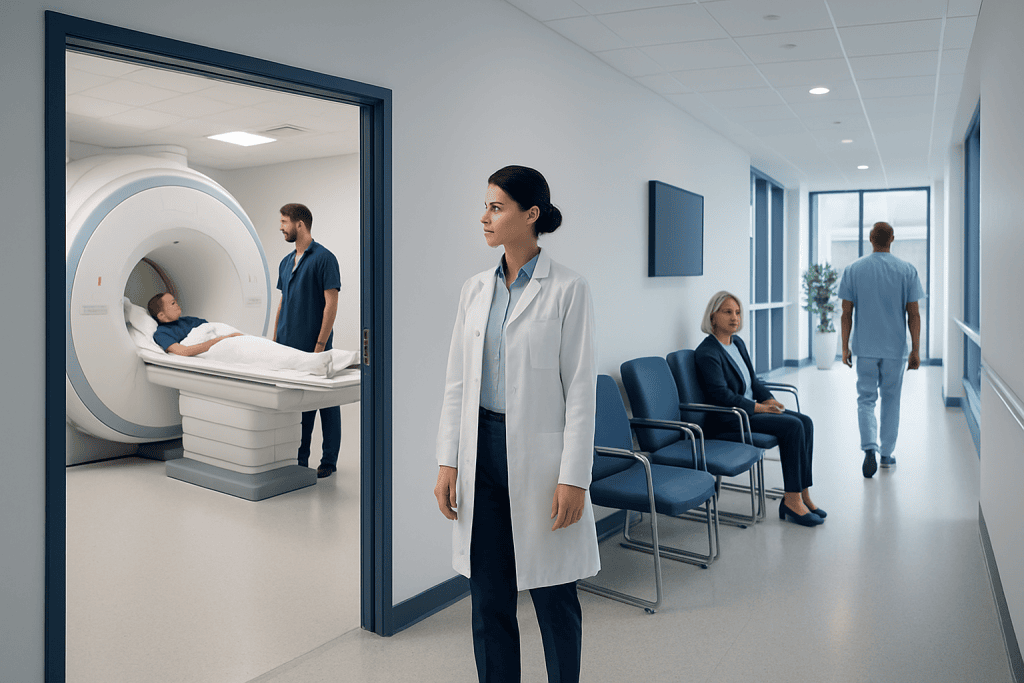
MR-guided radiotherapy uses MRI images during treatment to improve tumor targeting and monitor nearby healthy organs. Adaptive radiotherapy allows doctors to modify the treatment plan when the tumor or normal tissues shift or change shape.
Key Takeaways
- MR-guided radiotherapy uses MRI images during treatment to improve tumor targeting and monitor nearby healthy organs.
- Adaptive radiotherapy allows doctors to modify the treatment plan when the tumor or normal tissues shift or change shape.
- It may be especially useful for tumors near moving or sensitive organs, such as in the abdomen, pelvis, prostate, liver, pancreas, or lung.
- Treatment is painless, but sessions may take longer than standard radiotherapy because imaging and plan adaptation are performed carefully.
- Eligibility depends on the cancer type, tumor location, treatment goals, previous treatments, and MRI safety considerations.
MR-guided radiotherapy combines high-quality MRI imaging with precision radiation delivery, allowing the care team to see the tumor and surrounding organs during treatment. This technology can support adaptive cancer treatment by adjusting the plan when anatomy changes from day to day.
Overview
MR-guided radiotherapy is an advanced form of cancer radiotherapy that combines magnetic resonance imaging (MRI) with a radiation treatment machine. It is often delivered using a system called an MR-Linac, which integrates an MRI scanner and a linear accelerator. The MRI provides detailed images of soft tissues, while the linear accelerator delivers targeted radiation to cancer cells.
Traditional radiotherapy relies on treatment plans created from imaging scans performed before treatment begins. During each session, additional imaging may be used to confirm the patient’s position. MR-guided radiotherapy goes further by allowing the clinical team to visualize the tumor and nearby organs at the time of treatment. This can be particularly helpful when organs move with breathing, digestion, bladder filling, or bowel changes.
The goal is not simply to use a newer machine, but to make treatment more precise and personalized. By seeing anatomy in real time or near real time, the radiation oncology team can adapt treatment when needed, helping to focus radiation on the tumor while limiting exposure to surrounding healthy tissue.
How MR-Guided Radiotherapy Works
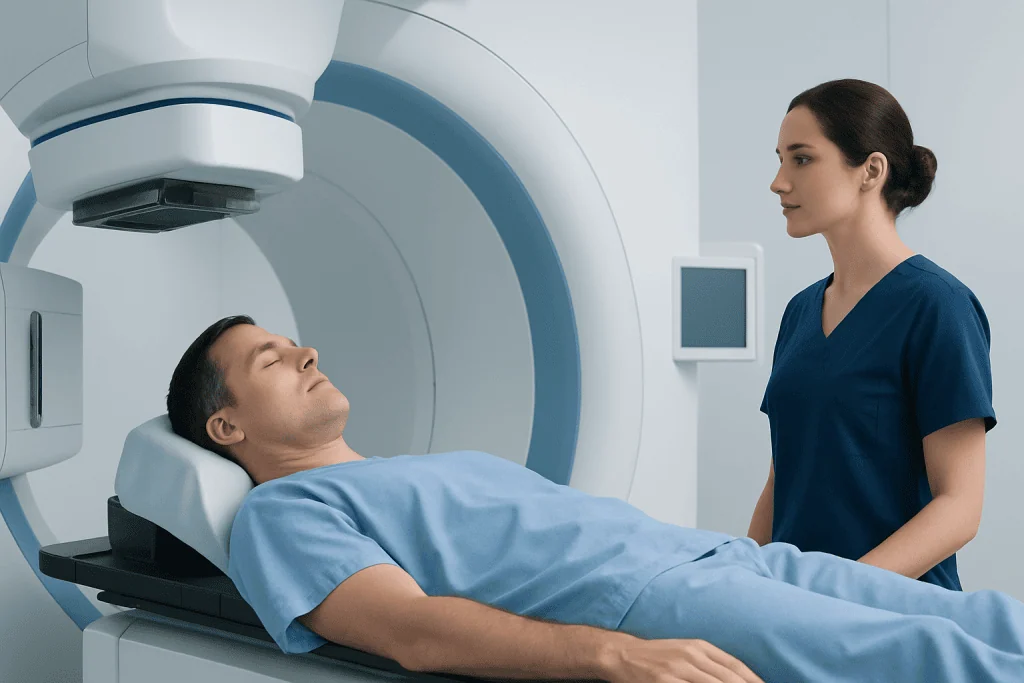
Before treatment starts, the patient has a detailed planning assessment. This usually includes imaging scans, review of pathology and staging results, and evaluation by a radiation oncologist. The team identifies the tumor target and nearby organs that should be protected. A personalized radiation plan is then designed using specialized software.
On treatment days, the patient lies on the treatment table in a carefully positioned and comfortable setup. MRI images are obtained immediately before radiation is delivered. These images show the tumor and organs as they appear that day. If the anatomy is close enough to the original plan, treatment can proceed. If there are important changes, the plan may be adapted before delivery.
Some MR-guided systems can also monitor movement during treatment. For example, if a tumor shifts with breathing, the machine may use gating, meaning radiation is delivered only when the target is in the correct position. This helps reduce unnecessary radiation to healthy tissue. The patient does not feel the radiation, but they may hear machine sounds and need to remain still during imaging and delivery.
What Adaptive Radiotherapy Means
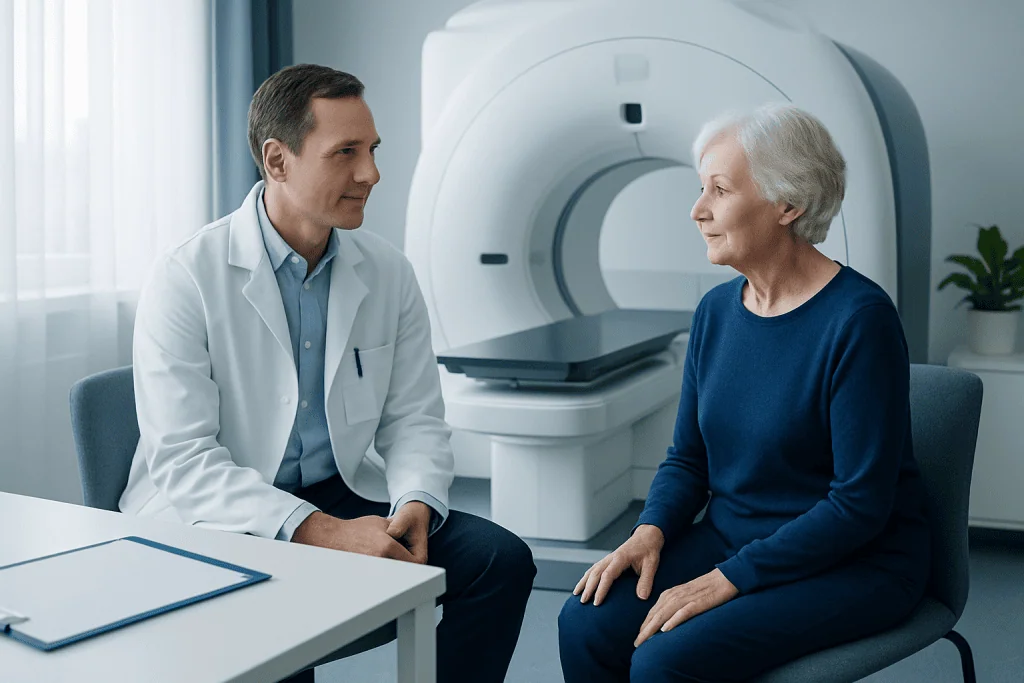
Adaptive radiotherapy means that a radiation treatment plan can be modified in response to changes in the patient’s anatomy. These changes are common and may happen because a tumor shrinks, organs fill or empty, fluid shifts, or the patient loses or gains weight during a treatment course. In some areas of the body, even small daily changes can affect how radiation reaches the target.
With MR-guided adaptive radiotherapy, the care team can compare the daily MRI with the original plan. If the tumor or nearby organs are in a different position, specialists may create an adjusted plan for that session. This process involves physicians, medical physicists, dosimetrists, and radiation therapists working together to maintain safety and accuracy.
Adaptation does not mean that every treatment changes. In many sessions, the original plan remains appropriate. When adaptation is needed, it can help maintain the intended dose to the tumor and respect dose limits for sensitive organs. This is one of the main reasons MR-guided radiotherapy is considered an important development in precision oncology.
Cancers That May Benefit
MR-guided radiotherapy may be considered for several cancer types, especially when tumors are close to organs that move or are sensitive to radiation. The best candidates are selected individually, based on tumor size, location, stage, previous treatments, and overall health. It may be used as part of curative treatment, symptom control, or highly focused treatment for limited metastatic disease in selected cases.
Examples of situations where MR guidance may be helpful include prostate cancer, pancreatic cancer, liver tumors, certain lung tumors, rectal cancer, gynecologic cancers, kidney or adrenal lesions, and tumors in the abdomen or pelvis. These areas can be challenging because normal organs such as the bowel, bladder, stomach, liver, kidneys, or lungs may change position from day to day.
MR-guided treatment is not necessary for every patient receiving radiotherapy. Some cancers can be treated very effectively with other modern techniques, such as image-guided radiotherapy, intensity-modulated radiotherapy, stereotactic body radiotherapy, or proton therapy where available. The radiation oncology team will recommend the most appropriate option after considering both the disease and the patient’s individual needs.
Benefits and Limitations
The main potential benefit of MR-guided radiotherapy is improved visualization of soft tissues during treatment. MRI is especially useful for distinguishing tumors from nearby organs in parts of the body where X-ray based imaging may be less detailed. Better visualization can support more accurate targeting and may allow the team to reduce safety margins in selected cases.
Other potential advantages include adaptive planning, motion management, and the ability to monitor treatment delivery more closely. These features may be valuable when high-dose precision radiotherapy is planned near critical structures. For some patients, MR guidance may also support shorter treatment schedules, although this depends on cancer type, treatment intent, and clinical judgment.
There are also limitations. MR-guided radiotherapy sessions can take longer than standard sessions because imaging, contour review, and plan adaptation require time. Not all patients can safely undergo MRI, particularly those with certain implanted devices or metal fragments. Some people may feel uncomfortable in the treatment position or in the MRI environment. In addition, availability varies by hospital, and the decision to use this technology should be based on medical benefit rather than technology alone.
What Patients Can Expect
The treatment pathway begins with consultation and planning. The radiation oncologist explains the purpose of treatment, expected schedule, possible side effects, and alternatives. The patient may need a simulation session, during which body supports or immobilization devices are used to help reproduce the same position each day. Depending on the treatment area, instructions about bladder filling, fasting, bowel preparation, or breathing technique may be provided.
During each session, the patient is positioned on the treatment table and MRI images are taken. The team checks the images, confirms the target and organs at risk, and decides whether the plan should be used as is or adapted. The patient remains in communication with the team throughout the session. Radiation delivery itself is painless, and the patient does not become radioactive afterward.
Side effects depend mainly on the treatment site, dose, number of sessions, and surrounding organs. Fatigue is possible with many forms of radiotherapy. Local side effects may include urinary or bowel changes for pelvic treatment, digestive symptoms for abdominal treatment, or skin irritation in some cases. The clinical team provides guidance on managing symptoms and monitors the patient during and after the course of therapy.
Safety, Preparation, and Self-Care
Safety is central to MR-guided radiotherapy. Before treatment, patients are screened for MRI compatibility. They should inform their doctor about pacemakers, implanted defibrillators, cochlear implants, aneurysm clips, medication pumps, joint replacements, surgical clips, metal fragments, or any other implanted device. Many modern implants are MRI conditional, but this must be checked carefully.
Patients can help treatment accuracy by following preparation instructions closely. This may include arriving with a comfortably full bladder, avoiding certain foods before abdominal treatment, fasting for a short period if advised, or taking prescribed medications as directed. The aim is to make internal anatomy as consistent as possible from one session to the next.
- Report new symptoms, discomfort, or difficulty staying still to the treatment team.
- Bring a current list of medications and implanted devices to appointments.
- Follow nutrition, hydration, skin care, and activity advice provided by the care team.
- Ask questions if treatment instructions are unclear or difficult to follow.
Patients should not start supplements, herbal products, or new medications during radiotherapy without discussing them with their doctor, because some may interact with cancer treatment or affect side effects.
When to Speak With a Specialist
A patient may wish to discuss MR-guided radiotherapy if they have a tumor near sensitive organs, a cancer affected by organ motion, or a situation where very precise high-dose treatment is being considered. It is also reasonable to ask whether adaptive radiotherapy might be helpful if anatomy is expected to change during treatment, such as in certain abdominal or pelvic cancers.
A qualified radiation oncologist can explain whether MR-guided treatment is appropriate and how it compares with other radiotherapy options. The decision should consider expected benefits, treatment time, MRI suitability, possible side effects, and the overall cancer care plan, including surgery, chemotherapy, immunotherapy, targeted therapy, or hormone therapy when relevant.
Patients should contact their care team promptly if they experience symptoms that interfere with eating, drinking, urination, bowel function, breathing, pain control, or daily activities during treatment. For international patients, Acibadem International provides access to multidisciplinary specialists and JCI-accredited hospitals where advanced diagnostic and treatment options, including modern radiotherapy techniques, can be evaluated as part of an individualized care plan.
Frequently asked questions
Is MR-guided radiotherapy the same as standard radiotherapy?
It uses the same general principle of radiation to damage cancer cells, but it adds MRI imaging during treatment. This allows the team to see soft tissues more clearly and, when appropriate, adapt the plan to the anatomy of the day.
Does MR-guided radiotherapy hurt?
The radiation itself is painless, and patients do not feel the beam. Some people may feel discomfort from lying still or from the treatment position, but the team works to make positioning as comfortable and safe as possible.
How long does each treatment session take?
Sessions are often longer than conventional radiotherapy because MRI imaging, image review, and possible plan adaptation take time. The exact duration varies depending on the treatment area, technology used, and whether the plan needs to be adjusted that day.
Who cannot have MR-guided radiotherapy?
Some patients may not be eligible because of MRI safety concerns, such as certain implanted devices or metal fragments. Others may have difficulty tolerating the MRI environment or remaining still for the required time. The care team performs safety screening before treatment is planned.
Can MR-guided radiotherapy reduce side effects?
By improving visualization and helping protect nearby organs, MR guidance may reduce radiation exposure to some healthy tissues in selected cases. However, side effects can still occur and depend on the treatment site, dose, schedule, and individual health factors.
Is adaptive radiotherapy needed at every session?
Not always. The team reviews daily imaging and decides whether the original plan remains suitable. If the tumor or organs have shifted in a meaningful way, the plan may be adapted for that treatment session.
References
- American Society for Radiation Oncology
- European Society for Radiotherapy and Oncology
- National Cancer Institute
- International Atomic Energy Agency
- Radiological Society of North America
This article is for general information only and is not a substitute for professional medical advice. Please consult a qualified doctor about your individual situation.
Oncology care in Turkey — second opinion and treatment plan
JCI-accredited · board-certified surgeons · reply within 24h
Add us as a Preferred Source to see more of our trusted health content across Google Search, AI Overviews and Discover.

More from the Health Library


Related Specialists

Prof. Dr. Mehmet Ali Şehitoğlu
Otorhinolaryngology
Dr. Güliz Sidar
Gynecology & Obstetrics
Prof. Dr. Hakan Ümit Ünal
Gastroenterology
Dr. Evrim Başak Tanır
Pediatrics