Radiation Therapy: How It Works, Side Effects, and Safety
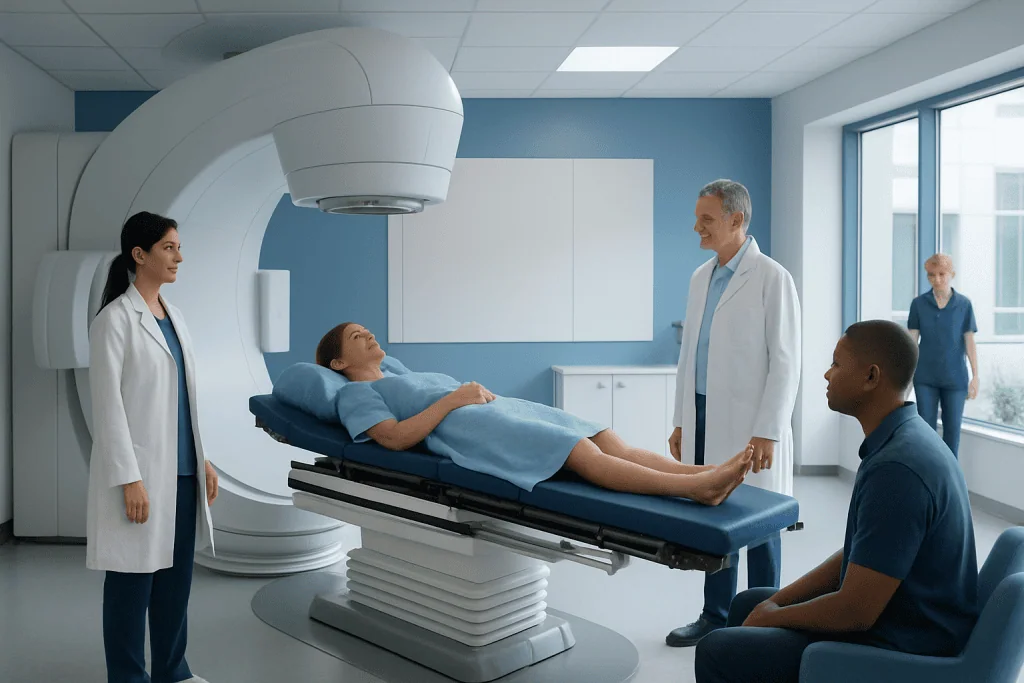
Radiation therapy is a local treatment, meaning it mainly affects the part of the body being treated. Treatment is carefully planned by a radiation oncology team using imaging, computer-based dose calculations, and safety checks.
Key Takeaways
- Radiation therapy is a local treatment, meaning it mainly affects the part of the body being treated.
- Treatment is carefully planned by a radiation oncology team using imaging, computer-based dose calculations, and safety checks.
- Side effects depend on the treatment area, dose, schedule, and a person’s overall health, and many improve after treatment ends.
- Radiation does not usually make a person radioactive after external beam treatment; special precautions may apply for some internal treatments.
- Patients should report new or worsening symptoms promptly so the care team can help manage side effects.
Radiation therapy is a common cancer treatment that uses carefully planned doses of radiation to damage cancer cells while protecting healthy tissue as much as possible. It may be used alone or with surgery, chemotherapy, immunotherapy, or other treatments depending on the cancer type and stage.
Overview
Radiation therapy, also called radiotherapy, is a treatment that uses high-energy radiation to destroy cancer cells or slow their growth. It works by damaging the DNA inside cells. Cancer cells are often less able to repair this damage than normal cells, so they are more likely to die after treatment. Healthy cells can also be affected, but modern planning aims to limit radiation exposure to nearby normal tissues.
Radiation therapy may be recommended for many types of cancer, including breast, prostate, lung, head and neck, brain, gynecologic, gastrointestinal, and blood-related cancers. It can be used with curative intent, to reduce the risk of cancer returning after surgery, to shrink a tumor before surgery, or to relieve symptoms such as pain, bleeding, or pressure. The goal depends on the diagnosis, stage, tumor location, and the patient’s overall health.
For many patients, radiation therapy is delivered over several sessions, often called fractions. Giving treatment in smaller daily doses allows normal tissues time to recover between sessions while still targeting cancer cells effectively. A radiation oncologist explains the expected benefits, possible risks, and alternative options before treatment begins.
How Radiation Therapy Works
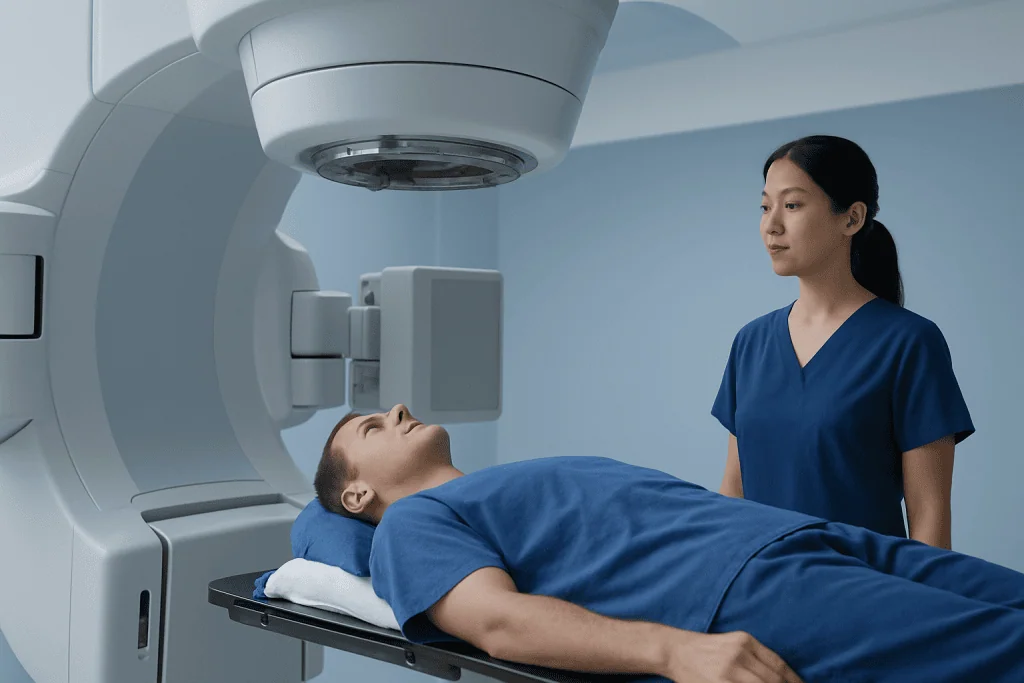
Radiation therapy uses beams or radioactive sources to deliver energy to cancer cells. This energy creates changes in cell DNA that prevent the cells from dividing and growing. Over time, damaged cancer cells die and are cleared by the body. The effect is not always immediate; tumors may continue to shrink for weeks or months after treatment finishes.
External beam radiation therapy is the most common form. A machine outside the body directs radiation toward the treatment area from carefully selected angles. Techniques such as three-dimensional conformal radiation therapy, intensity-modulated radiation therapy, image-guided radiation therapy, stereotactic body radiation therapy, and stereotactic radiosurgery allow clinicians to shape the dose closely around the tumor.
Internal radiation therapy, also called brachytherapy, places a radiation source inside or very close to the tumor. It may be temporary or permanent depending on the cancer type and treatment plan. Another approach is systemic radiation therapy, in which a radioactive medicine travels through the bloodstream to target specific cancer cells, such as certain thyroid cancers or cancers involving bone.
Planning and What to Expect
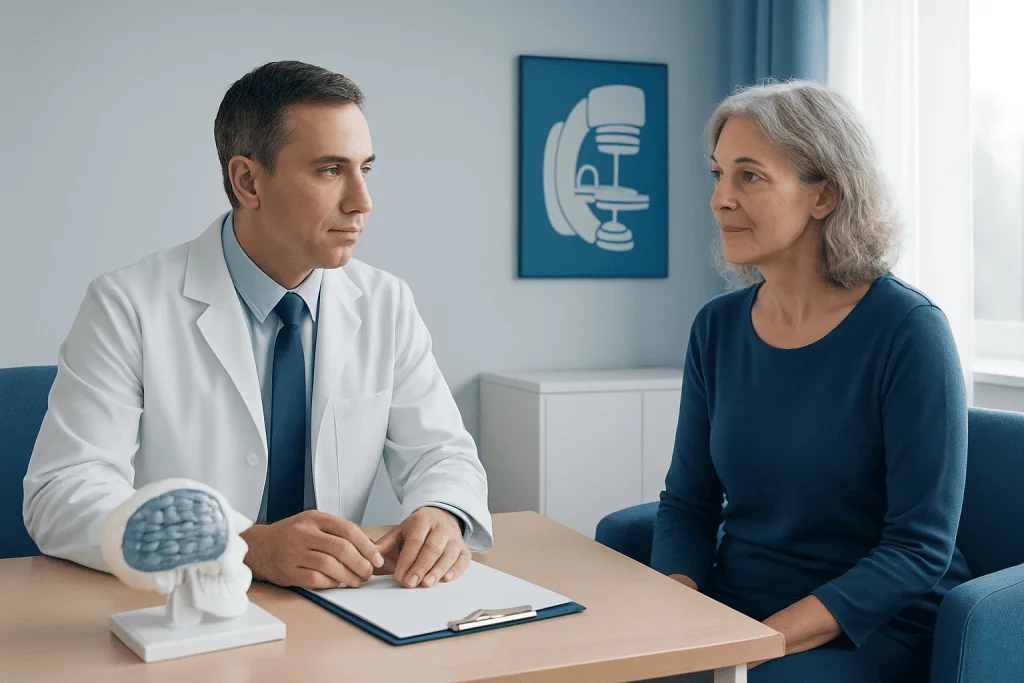
Radiation therapy begins with a consultation and planning process. The radiation oncologist reviews medical records, imaging, pathology results, previous treatments, and current health conditions. The team then decides whether radiation is appropriate and discusses the aim of treatment, expected schedule, possible side effects, and how treatment may fit with other cancer therapies.
A planning appointment, often called simulation, is usually performed before external beam treatment. During simulation, the patient is positioned in the same way they will be for treatment. Special supports, masks, cushions, or molds may be used to help the patient remain still and comfortable. CT scans, MRI, PET/CT, or other imaging may help map the tumor and nearby organs.
After simulation, the medical team creates a personalized treatment plan. This may involve the radiation oncologist, medical physicist, dosimetrist, radiation therapists, and nurses. Treatment sessions themselves are usually painless and often last only a short time, although setup may take longer than the radiation delivery. Patients are monitored throughout the process and can speak with the team if they feel uncomfortable.
Common Side Effects
Radiation side effects vary widely because the treatment is directed to a specific area. A person receiving radiation to the breast, for example, may have different side effects from someone receiving radiation to the pelvis or head and neck. The total dose, number of treatments, combination with chemotherapy, and individual health factors also influence how a patient feels during treatment.
Common short-term side effects may include tiredness, skin irritation in the treated area, mild swelling, appetite changes, or localized discomfort. Skin changes can resemble a sunburn, with redness, dryness, itching, peeling, or tenderness. Fatigue may build gradually over the course of treatment and can be influenced by sleep, nutrition, anemia, emotional stress, and other cancer therapies.
- Head and neck radiation may cause mouth soreness, taste changes, dry mouth, or swallowing difficulty.
- Chest radiation may cause cough, throat irritation, or temporary swallowing discomfort.
- Abdominal or pelvic radiation may cause nausea, diarrhea, bladder irritation, or changes in bowel habits.
- Brain radiation may cause hair loss in the treated area, headaches, or temporary swelling-related symptoms.
Late side effects can occur months or years after treatment, although careful planning reduces this risk. These may include tissue stiffness, changes in skin texture, fertility effects, hormonal changes, or organ-specific effects depending on the area treated. Patients should ask their team which late effects are relevant to their individual plan.
Managing Side Effects and Daily Life
Most side effects can be managed with supportive care, and patients are encouraged to report symptoms early rather than waiting for them to become severe. The care team may recommend skin care products, mouth rinses, dietary adjustments, anti-nausea medicines, pain relief, physical therapy, or other measures based on the treatment area. Patients should not apply creams, herbal products, or heating pads to the treated skin unless approved by the radiation team.
Good self-care can help the body cope with treatment. Many patients benefit from gentle physical activity when possible, regular rest, balanced meals, adequate fluids, and help with daily tasks. If swallowing, appetite, or digestion becomes difficult, a dietitian can suggest practical ways to maintain nutrition. Emotional support, counseling, and patient support groups may also help during treatment.
Daily routines can often continue, but some adjustments may be needed. Patients may need to plan around treatment appointments, fatigue, or transportation. Work, travel, exercise, and sexual activity should be discussed with the care team if there are concerns. The safest advice is individualized because each cancer diagnosis and treatment field is different.
Safety and Radiation Exposure
Radiation therapy is delivered with strict safety procedures. Treatment plans are checked before therapy begins, and machines are regularly tested and calibrated. During each session, radiation therapists confirm the patient’s identity, positioning, and treatment plan. Imaging may be used to verify that the treatment area is accurately aligned.
External beam radiation does not make the patient radioactive. After a standard external treatment session, it is safe to be around family members, children, and pregnant people. The radiation passes through the body during treatment and does not remain afterward. This is an important distinction that can reduce unnecessary worry for patients and families.
Some internal or systemic radiation treatments may require temporary precautions. For example, patients may be advised to limit close contact for a short period, sleep separately, use separate bathroom hygiene steps, or avoid prolonged contact with young children or pregnant people. These instructions depend on the type of radioactive source or medicine used and should be followed exactly as given by the care team.
Radiation Therapy With Other Cancer Treatments
Radiation therapy is often part of a broader cancer treatment plan. It may be given before surgery to shrink a tumor, after surgery to reduce the chance of recurrence, or at the same time as chemotherapy to improve treatment effect in certain cancers. It may also be combined with hormone therapy, targeted therapy, or immunotherapy, depending on the cancer type.
When treatments are combined, side effects may be stronger or more complex. For example, chemotherapy can make some tissues more sensitive to radiation, and immunotherapy may require careful monitoring for inflammation-related side effects. The oncology team considers the timing, sequence, and patient’s general condition when recommending a combined approach.
Shared decision-making is important. Patients can ask why radiation is being recommended, what the treatment goal is, how success will be assessed, and what alternatives exist. Understanding the reason for treatment can help patients feel more prepared and involved in their care.
When to See a Doctor
Patients receiving radiation therapy should keep all scheduled appointments and attend follow-up visits even if they feel well. Follow-up allows the team to check healing, manage side effects, and evaluate the response to treatment using examination, imaging, blood tests, or other assessments as appropriate. Some side effects appear after treatment ends, so ongoing communication remains important.
A doctor should be contacted promptly if symptoms are new, worsening, or concerning. These may include fever, uncontrolled pain, severe vomiting or diarrhea, difficulty breathing, chest pain, confusion, sudden weakness, dehydration, bleeding, inability to eat or drink, or rapidly worsening skin breakdown in the treated area. Patients should also report emotional distress, sleep problems, or anxiety that affects daily life, as support is available.
International patients may need coordinated planning for diagnosis, treatment scheduling, translation, travel, and follow-up care. Acibadem International’s multidisciplinary specialists and JCI-accredited hospitals diagnose and treat many cancers using radiation oncology as part of individualized care plans. Patients should consult a qualified oncology team to understand the safest and most appropriate options for their specific situation.
Frequently asked questions
Is radiation therapy painful?
External beam radiation therapy is usually painless during the session, similar to having an X-ray. Patients do not feel the radiation entering the body. Some side effects, such as skin tenderness or throat irritation, may develop gradually depending on the treated area.
Will radiation therapy make a patient radioactive?
External beam radiation therapy does not make a patient radioactive, so it is generally safe to be near family and friends after treatment. Some internal or systemic radiation treatments may require temporary precautions. The care team will explain any safety steps clearly if they are needed.
How long does radiation therapy take?
The schedule depends on the cancer type, treatment goal, dose, and technique. Some patients receive treatment over several weeks, while others may have a shorter course or a single highly focused treatment. The radiation oncologist will provide an individualized schedule before treatment begins.
Can radiation therapy cure cancer?
Radiation therapy can be curative for some cancers, especially when the cancer is localized or when radiation is combined with other treatments. In other situations, it may be used to control growth, reduce the risk of recurrence, or relieve symptoms. The expected goal should be discussed with the oncology team.
Will hair fall out during radiation therapy?
Hair loss occurs only in the area that receives radiation. For example, radiation to the head may cause scalp hair loss in the treated region, while radiation to the pelvis will not cause scalp hair loss. Hair may regrow after treatment, but regrowth depends on the dose and individual factors.
What should patients avoid during radiation therapy?
Patients should avoid applying unapproved creams, oils, perfumes, or heat to the treated area unless their team says it is safe. They should also avoid missing appointments without speaking to the clinic, as treatment timing can matter. Alcohol, smoking, supplements, and major diet changes should be discussed with the care team.
When do side effects go away after radiation therapy?
Many short-term side effects begin to improve within a few weeks after treatment ends, but the timeline varies. Some effects may take longer, especially fatigue, swallowing changes, or bowel and bladder irritation. Follow-up visits help ensure recovery is on track and that any late effects are identified early.
References
- World Health Organization
- National Cancer Institute
- American Society for Radiation Oncology
- European Society for Medical Oncology
- International Atomic Energy Agency
This article is for general information only and is not a substitute for professional medical advice. Please consult a qualified doctor about your individual situation.
Radiation Therapy in Turkey — costs, top hospitals & a free quote
JCI-accredited · board-certified surgeons · reply within 24h
Add us as a Preferred Source to see more of our trusted health content across Google Search, AI Overviews and Discover.

Radiation Oncology
Precision radiotherapy and radiosurgery using advanced linear accelerators and image-guided techniques.
26 specialists in this unit