Recovery After General Anesthesia: Common Effects and Safety Tips

Most people feel drowsy, tired, or mildly confused for several hours after general anesthesia. A responsible adult should accompany the patient home and stay nearby for the first 24 hours when advised.
Key Takeaways
- Most people feel drowsy, tired, or mildly confused for several hours after general anesthesia.
- A responsible adult should accompany the patient home and stay nearby for the first 24 hours when advised.
- Patients should avoid driving, alcohol, important decisions, and operating machinery until cleared by their care team.
- Nausea, sore throat, shivering, and muscle aches are common and usually improve within a short time.
- Urgent medical advice is needed for breathing difficulty, chest pain, severe confusion, uncontrolled pain, heavy bleeding, or other concerning symptoms.
Recovery after general anesthesia is usually gradual, with sleepiness, mild nausea, sore throat, and temporary confusion being common in the first hours. Safe aftercare, clear discharge instructions, and timely medical advice help make recovery smoother and safer.
Overview
General anesthesia is a carefully controlled medical state used during many operations and procedures. It makes the patient unconscious, prevents pain, and helps the body remain still while the surgical team works. An anesthesia specialist monitors breathing, heart rate, blood pressure, oxygen levels, and other vital signs throughout the procedure.
Recovery after general anesthesia begins as the anesthetic medicines are reduced or stopped. The patient is usually moved to a recovery area, often called a post-anesthesia care unit, where trained staff continue close monitoring. During this period, it is normal to feel sleepy, cold, thirsty, or slightly disoriented as the body clears the anesthetic medicines.
The speed of recovery varies from person to person. It depends on factors such as age, overall health, type and length of surgery, pain medicines used, and whether the procedure was planned or urgent. Most short-term effects improve within hours, while tiredness may last longer, especially after major surgery.
Common Effects After General Anesthesia
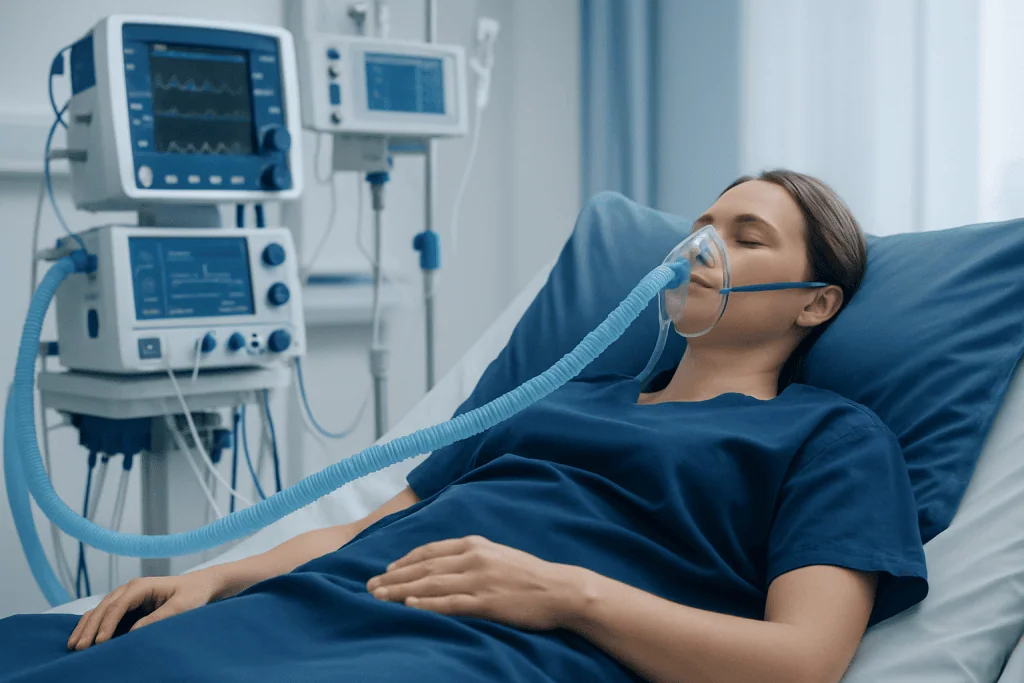
Many common effects after general anesthesia are temporary and expected. Drowsiness, slowed thinking, and reduced coordination can occur even when the patient feels awake. This is why patients are usually advised not to drive, drink alcohol, sign important documents, or operate machinery for at least 24 hours, or longer if their doctor recommends it.
Nausea and vomiting can occur after anesthesia and surgery. Some people are more likely to experience this, including those with a history of motion sickness, previous postoperative nausea, certain types of surgery, or use of some pain medicines. The care team may give anti-nausea medicine and recommend starting with small sips of water before returning to normal meals.
Other possible effects include a dry mouth, sore throat, hoarse voice, shivering, itching, dizziness, or mild muscle aches. A sore throat may happen if a breathing tube or airway device was used during anesthesia. These symptoms usually settle with time, fluids, rest, and simple comfort measures recommended by the healthcare team.
What Happens in the Recovery Room

In the recovery room, nurses and anesthesia staff check that the patient is waking safely and breathing well. They monitor vital signs, pain level, oxygen level, nausea, surgical dressing, and overall alertness. Some patients receive oxygen through a mask or small nasal tubes for a short time.
Pain control is an important part of recovery. The care team may use several approaches, such as local anesthetic, non-opioid pain relievers, or stronger medicines when needed. Patients should report pain honestly, because early treatment can make breathing, moving, and resting easier after surgery.
Before discharge from the recovery area, staff look for stable vital signs, adequate breathing, acceptable pain and nausea control, and the ability to follow simple instructions. For same-day procedures, patients are usually discharged only when they meet safety criteria and have a responsible adult to take them home, if required.
Safety Tips for the First 24 Hours
The first 24 hours after general anesthesia require extra caution. Even if a patient feels well, reaction time, judgment, balance, and memory may still be affected. A responsible adult should drive or accompany the patient home and stay available if the discharge team recommends supervision.
Helpful safety steps include:
- Resting in a safe, quiet place and getting up slowly to prevent dizziness.
- Avoiding driving, cycling, machinery, alcohol, recreational drugs, and sedating medicines unless prescribed.
- Following written instructions for food, fluids, wound care, bathing, and activity.
- Taking medicines only as directed, especially pain relievers, blood thinners, or antibiotics.
- Keeping the clinic or hospital contact information nearby in case questions arise.
Eating and drinking should usually restart gradually unless the doctor gives different instructions. Small sips of water, clear fluids, and light foods may be easier at first. If nausea improves, the patient can return to a normal diet as advised, while avoiding heavy meals until comfortable.
Factors That Can Affect Recovery
Recovery after general anesthesia is influenced by both the patient and the procedure. Older adults may take longer to regain full alertness, and some may experience temporary confusion, especially after major surgery or a hospital stay. Children may wake up crying, restless, or upset, which is often a short-lived response to the unfamiliar environment and the effects of anesthesia.
Medical conditions can also affect recovery. Sleep apnea, heart or lung disease, kidney or liver disease, diabetes, obesity, smoking, and regular use of alcohol or certain medicines may require additional monitoring. Patients should always give the anesthesia team a complete list of medicines, supplements, allergies, and previous anesthesia experiences before a procedure.
The type of surgery matters as well. A short diagnostic procedure may have a quicker recovery than abdominal, orthopedic, chest, or major cancer surgery. In many cases, tiredness after surgery is due not only to anesthesia but also to the body’s natural healing process, disrupted sleep, reduced activity, and pain medicine.
Prevention and Self-Care During Recovery
Good recovery starts before anesthesia. Patients should follow fasting instructions carefully, because eating or drinking too close to anesthesia can increase the risk of stomach contents entering the lungs. They should also ask which regular medicines to take or pause before surgery, as recommendations differ depending on the medicine and the procedure.
After surgery, gentle movement can support circulation and reduce stiffness when it is permitted by the surgical team. Deep breathing, coughing as instructed, and using an incentive spirometer if provided can help keep the lungs clear. Patients should avoid overexertion and follow restrictions for lifting, exercise, work, and travel.
Hydration, balanced meals, sleep, and careful pain control all support healing. Constipation can occur after anesthesia, reduced movement, and some pain medicines, so fluids, fiber, and doctor-approved stool softeners may be helpful. If recovery feels slower than expected, patients should contact their healthcare team rather than adjusting medicines on their own.
When to See a Doctor
Patients should seek urgent medical advice if they develop breathing difficulty, chest pain, fainting, blue lips, severe weakness, or symptoms of an allergic reaction such as swelling of the face or throat. Immediate help is also important for severe confusion that does not improve, seizures, uncontrolled vomiting, or pain that remains severe despite prescribed medicine.
The surgical team should be contacted promptly for fever, increasing redness or swelling around the wound, heavy bleeding, worsening abdominal pain, inability to urinate when expected, calf swelling or pain, or any symptom listed as urgent in the discharge instructions. It is always appropriate to call if a patient or caregiver is unsure whether a symptom is normal.
For international patients, clear communication and coordinated follow-up are especially important after procedures involving anesthesia. Acibadem International’s multidisciplinary specialists and JCI-accredited hospitals diagnose and treat a wide range of surgical conditions, with care teams that can provide procedure-specific recovery guidance. Patients should follow the advice of their own doctor, as individual recommendations may vary.
Frequently asked questions
How long does it take to recover from general anesthesia?
Many people become alert enough to leave the recovery area within a few hours after a short procedure. However, drowsiness, slower reaction time, and tiredness can last for the rest of the day. Full recovery may take longer after major surgery because the body is also healing from the operation itself.
Is it normal to feel confused after anesthesia?
Mild confusion or forgetfulness can happen as anesthesia wears off, especially in the first hours. Older adults and people who have had major surgery may be more likely to experience temporary confusion. If confusion is severe, worsening, or does not improve, medical advice should be sought.
Why can I not drive after general anesthesia?
General anesthesia can affect judgment, coordination, attention, and reaction time even after a person feels awake. Pain medicines may add to these effects. Patients should not drive until the recommended waiting period has passed and their doctor confirms it is safe.
What can help nausea after anesthesia?
Starting with small sips of fluid, eating light foods, and resting can help mild nausea. The care team may prescribe or give anti-nausea medicine when needed. Persistent vomiting, inability to keep fluids down, or signs of dehydration should be reported to a doctor.
Is a sore throat common after general anesthesia?
Yes, a sore throat or hoarse voice can occur if a breathing tube or airway device was used. It is usually mild and improves over a few days with fluids and soothing measures recommended by the healthcare team. Severe throat pain, trouble breathing, or difficulty swallowing should be checked promptly.
When can I eat normally after anesthesia?
Many patients can begin with clear fluids and light foods once they are fully awake and not nauseated. The timing may differ depending on the surgery, so discharge instructions should be followed. If there are dietary restrictions or swallowing concerns, the doctor will provide specific guidance.
References
- American Society of Anesthesiologists
- Association of Anaesthetists
- National Health Service
- World Health Organization
- Mayo Clinic
This article is for general information only and is not a substitute for professional medical advice. Please consult a qualified doctor about your individual situation.
Persistent digestive symptoms? Get evaluated in Turkey
JCI-accredited · board-certified surgeons · reply within 24h
Add us as a Preferred Source to see more of our trusted health content across Google Search, AI Overviews and Discover.
Check your numbers in seconds
BMI, calories, due date, blood pressure and 30+ more clinical calculators — free, instant, doctor-reviewed ranges.