Prediabetes: Blood Sugar Tests and Steps to Lower Diabetes Risk

Prediabetes is common and often has no symptoms, so blood sugar testing is important for people with risk factors. The main tests used are fasting plasma glucose, A1C, and the oral glucose tolerance test.
Key Takeaways
- Prediabetes is common and often has no symptoms, so blood sugar testing is important for people with risk factors.
- The main tests used are fasting plasma glucose, A1C, and the oral glucose tolerance test.
- Healthy eating, regular physical activity, weight management, and better sleep can improve insulin sensitivity.
- Some people at higher risk may benefit from medication such as metformin, but this decision should be made with a doctor.
- Prediabetes is a warning sign, not a guarantee that diabetes will develop.
Prediabetes means blood sugar levels are higher than expected but not high enough for a diagnosis of type 2 diabetes. With timely testing, lifestyle changes, and medical guidance, many people can lower their diabetes risk and improve long-term health.
Overview
Prediabetes is a metabolic condition in which blood glucose, or blood sugar, is above the healthy range but below the level used to diagnose type 2 diabetes. It usually develops gradually when the body becomes less responsive to insulin, the hormone that helps move glucose from the bloodstream into cells for energy. This process is called insulin resistance.
Prediabetes is important because it offers an opportunity for prevention. Many people can improve blood sugar control through changes in nutrition, physical activity, weight management, and sleep habits. In some cases, a doctor may also recommend medication to reduce the risk of progression to type 2 diabetes.
Having prediabetes does not mean a person has done something wrong. Genetics, age, body composition, hormonal conditions, pregnancy history, medications, stress, and lifestyle all play a role. A supportive, step-by-step approach can help people make realistic changes that fit daily life.
Symptoms and Why Testing Matters
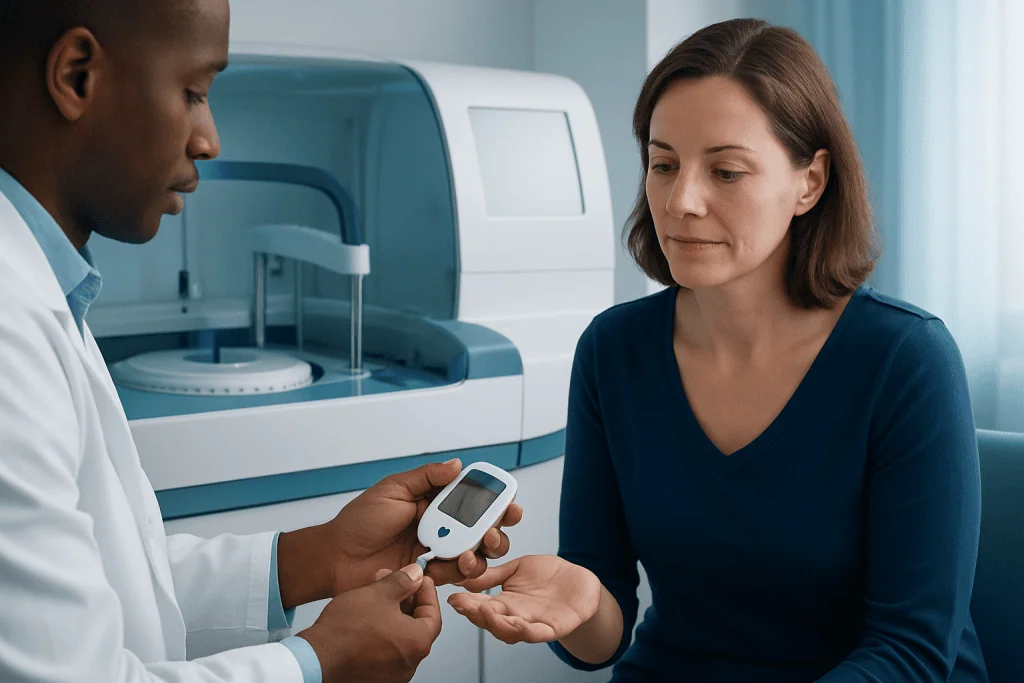
Prediabetes often causes no noticeable symptoms. Many people feel completely well and discover the condition only during routine blood tests. This is why screening is important, especially for adults who have risk factors such as excess weight, a family history of type 2 diabetes, high blood pressure, abnormal cholesterol, or a history of gestational diabetes.
Some people with rising blood sugar may notice increased thirst, more frequent urination, fatigue, blurred vision, or slow wound healing, but these symptoms are more typical when diabetes has already developed. Skin changes such as darker, velvety patches around the neck or underarms, known as acanthosis nigricans, may be linked with insulin resistance.
Because symptoms are unreliable, blood sugar tests are the best way to detect prediabetes early. A diagnosis also gives the healthcare team a chance to check related health factors, including blood pressure, cholesterol, kidney function, liver health, and cardiovascular risk.
Blood Sugar Tests Used to Diagnose Prediabetes
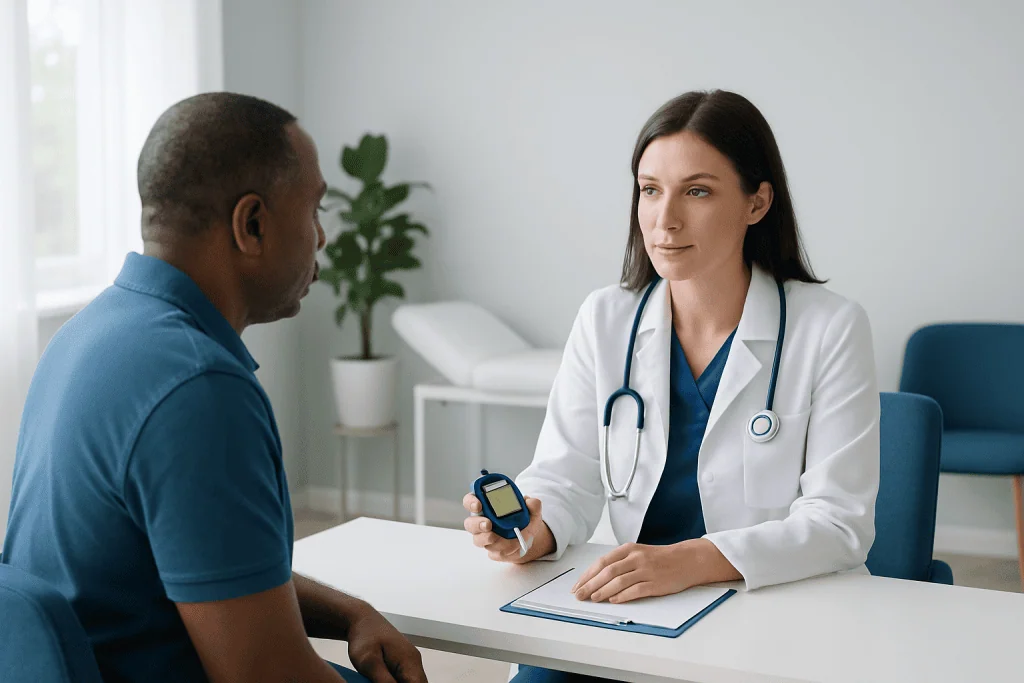
Several blood tests can be used to diagnose prediabetes. A healthcare professional chooses the most appropriate test based on the person’s health history, medications, pregnancy status, symptoms, and previous results. If a result is unexpected, the doctor may repeat the test or use a different test to confirm it.
The A1C test estimates average blood glucose over the previous two to three months. In many guidelines, an A1C of 5.7% to 6.4% is considered prediabetes. This test does not require fasting, but it may be less reliable in certain conditions, such as some types of anemia, kidney disease, recent blood loss, or hemoglobin disorders.
A fasting plasma glucose test measures blood sugar after no caloric intake for at least eight hours. A result of 100 to 125 mg/dL is commonly classified as prediabetes. An oral glucose tolerance test measures fasting glucose and then blood glucose two hours after drinking a measured glucose solution; a two-hour value of 140 to 199 mg/dL suggests prediabetes.
- A1C: Reflects longer-term average glucose.
- Fasting plasma glucose: Checks blood sugar after an overnight fast.
- Oral glucose tolerance test: Shows how the body handles a glucose load.
Causes and Risk Factors
The central process behind prediabetes is often insulin resistance. When cells in the muscles, liver, and fat tissue do not respond well to insulin, the pancreas works harder to produce more. Over time, the pancreas may not keep up, and blood sugar levels begin to rise.
Risk factors include being overweight, especially carrying more fat around the abdomen, low physical activity, increasing age, and a close family history of type 2 diabetes. High blood pressure, unhealthy cholesterol levels, polycystic ovary syndrome, sleep apnea, fatty liver disease, and a history of gestational diabetes can also increase risk.
Ethnic background may influence risk as well, and people from some populations develop type 2 diabetes at lower body weights than others. Certain medicines, including long-term corticosteroids or some psychiatric medications, may also affect glucose metabolism. A doctor can help interpret personal risk rather than relying on one factor alone.
Steps to Lower Diabetes Risk
Lifestyle changes are the foundation of prediabetes care. Even modest, sustained changes can improve insulin sensitivity. For people who are above their healthiest weight, gradual weight loss may reduce diabetes risk, especially when combined with regular movement and a balanced eating pattern.
A diabetes-prevention eating plan does not require a special or restrictive diet. It usually focuses on vegetables, legumes, fruits in appropriate portions, whole grains, nuts, seeds, lean proteins, fish, and unsaturated fats such as olive oil. Reducing sugary drinks, refined grains, heavily processed snacks, and large portions of sweets can help limit rapid glucose spikes.
Physical activity helps muscles use glucose more efficiently. Many guidelines encourage at least 150 minutes per week of moderate activity, such as brisk walking, cycling, or swimming, plus strength training on two or more days per week if medically appropriate. People who have been inactive can start with short walks and gradually increase duration and intensity.
- Choose water or unsweetened drinks most often.
- Build meals around high-fiber foods and protein.
- Break up long periods of sitting with light movement.
- Aim for consistent sleep and stress-management routines.
- Set realistic goals and track progress without judgment.
Medical Treatment and Follow-Up
Many people with prediabetes are managed with lifestyle support and regular monitoring. Follow-up testing helps show whether blood sugar is improving, stable, or moving toward diabetes. The schedule varies, but many patients are rechecked at least yearly, or sooner if levels are close to the diabetes range or risk factors change.
Medication may be considered for some people at higher risk of developing type 2 diabetes. Metformin is the most commonly discussed option in prediabetes, particularly for people with a higher body mass index, a history of gestational diabetes, younger age with significant risk factors, or worsening glucose results. The decision should be individualized with a qualified doctor, taking into account benefits, side effects, kidney function, and patient preferences.
Prediabetes care may also include treatment of related conditions. Managing blood pressure, cholesterol, tobacco use, sleep apnea, and fatty liver disease can support overall metabolic and cardiovascular health. If a person is taking medicines that may raise blood sugar, the prescribing doctor can review options safely.
Prevention and Self-Care in Daily Life
Preventing type 2 diabetes is often easier when changes are practical and repeatable. Planning meals, keeping healthy snacks available, shopping with a list, and choosing consistent meal times can reduce impulsive choices. Reading nutrition labels can also help identify added sugars, refined starches, and portion sizes.
Sleep and stress matter because they influence appetite hormones, insulin sensitivity, and daily routines. Adults who regularly sleep too little or have untreated sleep apnea may find blood sugar harder to manage. Relaxation techniques, counseling, social support, and manageable exercise can help reduce stress-related habits such as overeating or inactivity.
Self-care should not feel like punishment. The goal is to build habits that protect energy, heart health, and long-term wellbeing. People are more likely to succeed when they choose changes they enjoy, involve family members, and celebrate improvements beyond the scale, such as better stamina, lower blood pressure, or improved lab results.
When to See a Doctor
A person should speak with a doctor about screening if they are overweight or have obesity, have a family history of type 2 diabetes, have had gestational diabetes, have high blood pressure or abnormal cholesterol, or are physically inactive. Many guidelines recommend routine screening for adults from midlife onward, especially when weight-related or metabolic risk factors are present.
Medical advice is also important if symptoms such as excessive thirst, frequent urination, unexplained weight loss, blurred vision, or recurrent infections occur. These symptoms do not always mean diabetes, but they should be evaluated promptly. Pregnant people or those planning pregnancy should follow their obstetrician’s guidance for glucose testing.
International patients who need evaluation or ongoing care can be assessed by multidisciplinary specialists at Acibadem International’s JCI-accredited hospitals. The appropriate approach may include endocrinology, nutrition counseling, cardiology risk assessment, and individualized follow-up, depending on each person’s health profile.
Frequently asked questions
Can prediabetes be reversed?
Many people can bring blood sugar levels back into the healthy range, especially with early action. This usually involves regular physical activity, a balanced eating pattern, weight management when needed, and follow-up testing. Even if levels do not fully normalize, improving glucose control can still reduce health risks.
Which test is best for prediabetes?
There is no single best test for every person. A1C is convenient because it does not require fasting, while fasting glucose and the oral glucose tolerance test can provide different information about how the body handles sugar. A doctor may repeat or combine tests to confirm the diagnosis.
How often should blood sugar be checked with prediabetes?
Many people with prediabetes are rechecked about once a year, but the timing depends on the initial results and personal risk factors. Testing may be done sooner if blood sugar is near the diabetes range, symptoms appear, or treatment changes are made. The healthcare team can recommend an appropriate schedule.
Does everyone with prediabetes develop type 2 diabetes?
No. Prediabetes increases the risk of type 2 diabetes, but progression is not inevitable. Lifestyle changes and, for selected people, medication can significantly improve glucose control and lower risk.
What foods should be avoided with prediabetes?
Most people do not need to avoid entire food groups unless advised by a clinician. It is helpful to limit sugary drinks, frequent sweets, refined grains, and highly processed snacks. A sustainable plan emphasizes high-fiber carbohydrates, lean protein, healthy fats, and appropriate portions.
Is medication always needed for prediabetes?
Medication is not always needed. Many people start with lifestyle changes and regular monitoring. A doctor may consider medication such as metformin for people with higher risk factors or worsening results, but this should be personalized.
References
- American Diabetes Association
- Centers for Disease Control and Prevention
- World Health Organization
- National Institute of Diabetes and Digestive and Kidney Diseases
- International Diabetes Federation
This article is for general information only and is not a substitute for professional medical advice. Please consult a qualified doctor about your individual situation.
Explore treatments in Turkey — costs, top hospitals & a free quote
JCI-accredited · board-certified surgeons · reply within 24h
Add us as a Preferred Source to see more of our trusted health content across Google Search, AI Overviews and Discover.
Check your numbers in seconds
BMI, calories, due date, blood pressure and 30+ more clinical calculators — free, instant, doctor-reviewed ranges.