Panic Attacks: Sudden Fear, Physical Symptoms, and When to Seek Help

Panic attacks usually peak within minutes and can happen unexpectedly or in response to stress, specific places, or feared sensations. Symptoms can feel physical, including palpitations, trembling, sweating, chest discomfort, nausea, dizziness, or a sense of losing control.
Key Takeaways
- Panic attacks usually peak within minutes and can happen unexpectedly or in response to stress, specific places, or feared sensations.
- Symptoms can feel physical, including palpitations, trembling, sweating, chest discomfort, nausea, dizziness, or a sense of losing control.
- A doctor may assess panic attacks by discussing symptoms, triggers, medical history, medications, and possible physical health conditions.
- Effective care may include cognitive behavioral therapy, breathing and grounding strategies, lifestyle support, and sometimes medication.
- Emergency care is appropriate for new or severe chest pain, fainting, trouble breathing, neurological symptoms, or any concern that symptoms may be medical.
Panic attacks are brief episodes of intense fear or discomfort that can cause strong physical symptoms, such as a racing heart, shortness of breath, dizziness, or chest tightness. Although they can feel frightening, they are treatable, and a medical evaluation can help rule out other causes and guide the right support.
Overview
A panic attack is a sudden surge of intense fear, anxiety, or discomfort that is accompanied by physical and emotional symptoms. It can occur during a stressful situation, but it may also appear unexpectedly, including when a person is resting or asleep. Many people describe the experience as feeling as if something serious is happening in the body, even when there is no immediate danger.
Panic attacks are not a sign of weakness or personal failure. They involve the body’s natural alarm system, sometimes called the fight-or-flight response, becoming activated at the wrong time or in a very intense way. During this response, stress hormones and nervous system changes can increase heart rate, breathing, muscle tension, and alertness.
For most people, a panic attack reaches its strongest point within several minutes and then gradually settles. However, the memory of the episode can be upsetting, and some people begin to avoid places, activities, or body sensations that they associate with panic. When attacks are repeated and followed by ongoing fear of having another one, a doctor may consider a diagnosis such as panic disorder.
Common Symptoms
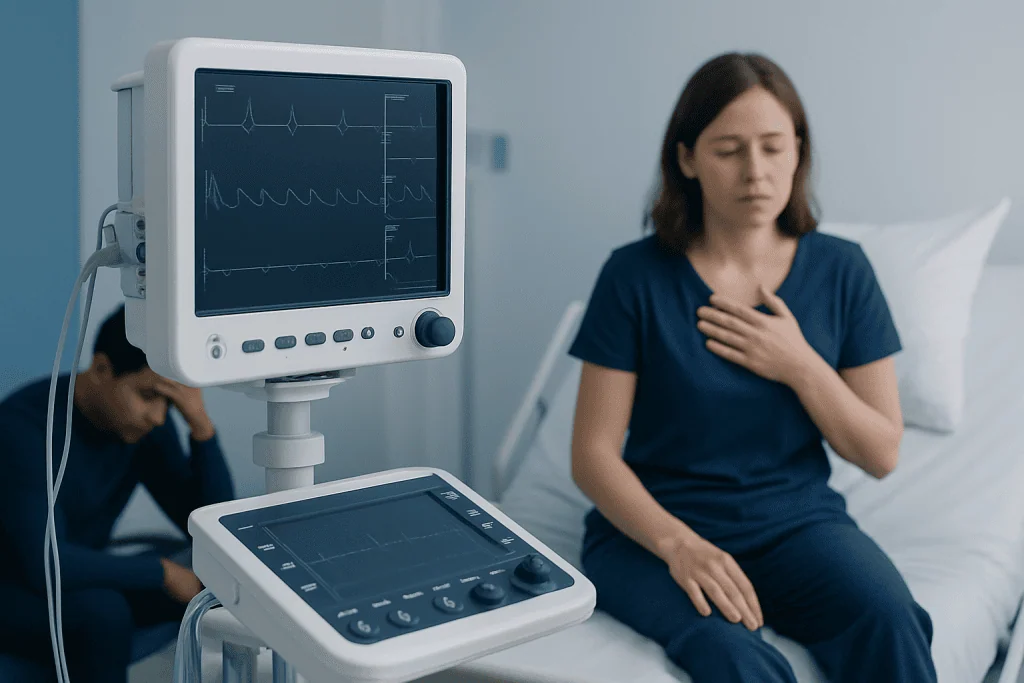
Panic attack symptoms can affect the whole body. They can be so intense that a person may worry they are having a heart attack, fainting, losing control, or unable to breathe. Because some symptoms overlap with medical conditions, especially the first time they occur, it is sensible to seek medical advice rather than assuming the cause.
Common symptoms may include:
- Fast or pounding heartbeat, palpitations, or chest tightness
- Shortness of breath, a choking feeling, or rapid breathing
- Sweating, trembling, shaking, chills, or hot flushes
- Dizziness, lightheadedness, tingling, numbness, or feeling unsteady
- Nausea, abdominal discomfort, or a feeling of a lump in the throat
- A sense of unreality, detachment, fear of losing control, or fear of dying
Symptoms vary from person to person. Some people mainly notice breathing changes and dizziness, while others mainly feel palpitations or stomach discomfort. After the attack, it is also common to feel tired, shaky, embarrassed, or worried about another episode, even though the body has started to recover.
Causes and Risk Factors

Panic attacks do not have one single cause. They usually develop through a combination of biological sensitivity, stress, learned fear responses, and life circumstances. Some people may have a nervous system that reacts strongly to normal body sensations, such as a faster heartbeat after exercise or shortness of breath during stress, which can then trigger more anxiety.
Risk factors can include a personal or family history of anxiety or depression, major life changes, ongoing stress, trauma, sleep disruption, or substance use. Caffeine, nicotine, stimulant medications, recreational drugs, and alcohol withdrawal can also make panic-like symptoms more likely in some people. Medical conditions such as thyroid disease, heart rhythm problems, asthma, low blood sugar, or vestibular disorders may cause similar sensations and should be considered when appropriate.
Panic attacks may also occur alongside other mental health conditions, including generalized anxiety disorder, social anxiety disorder, specific phobias, post-traumatic stress disorder, or depression. In some cases, a person begins avoiding public transport, crowded spaces, driving, exercise, or being alone because these situations feel unsafe after previous panic episodes. Understanding the pattern helps clinicians recommend care that addresses both the symptoms and the avoidance cycle.
Diagnosis and Medical Evaluation
Diagnosis begins with a careful conversation. A doctor or mental health professional may ask when the attacks started, how often they occur, how long they last, what symptoms appear, whether there are triggers, and how the episodes affect daily life. They may also ask about sleep, stress, medical history, medications, caffeine or alcohol use, and any history of anxiety, depression, trauma, or substance use.
Depending on the symptoms, a physical examination and tests may be recommended to rule out other causes. For example, chest pain, irregular heartbeat, breathing difficulty, fainting, or symptoms related to thyroid or blood sugar problems may require medical assessment. Tests are not needed for every person, but they can be reassuring and important when symptoms are new, severe, or medically complex.
A diagnosis of panic disorder is considered when a person has recurrent unexpected panic attacks and persistent worry about more attacks or changes behavior to avoid them. The aim of diagnosis is not to label the person, but to identify a treatable pattern and choose the safest, most effective care plan.
Treatment Options
Panic attacks are treatable, and many people improve with structured support. Cognitive behavioral therapy, often called CBT, is one of the best-known psychological treatments for panic. It helps people understand the panic cycle, reduce fear of body sensations, test catastrophic thoughts, and gradually return to avoided situations in a planned and safe way.
Breathing and grounding techniques may also help during an episode. A person may be guided to slow their breathing, relax tense muscles, name objects in the room, feel their feet on the ground, or remind themselves that panic is uncomfortable but temporary. These skills work best when practiced between attacks, not only during moments of distress.
Medication may be appropriate for some people, especially when attacks are frequent, disabling, or occur with depression or other anxiety disorders. Doctors may discuss options such as antidepressant medicines used for anxiety or, in selected short-term situations, other anti-anxiety medications. Medication decisions should always consider medical history, side effects, interactions, pregnancy plans, and the person’s preferences.
A combined approach is often helpful: education, therapy, lifestyle support, and medication when needed. Treatment plans should be individualized, because the best option depends on the person’s symptoms, triggers, medical background, and goals.
Prevention and Self-Care
Self-care cannot always prevent panic attacks, but it can reduce vulnerability and improve confidence. Regular sleep, balanced meals, hydration, gentle physical activity, and reducing excessive caffeine or stimulants may support a calmer nervous system. People who notice alcohol, cannabis, nicotine, or recreational drugs worsen their anxiety should discuss this openly with a healthcare professional.
It can help to make a panic plan when feeling well. The plan might include a reminder that symptoms usually pass, a breathing or grounding exercise, a supportive person to contact, and a decision about when to seek medical help. Keeping a brief diary of episodes can also reveal patterns, such as poor sleep, work stress, conflict, crowded spaces, or certain body sensations.
Avoidance often keeps panic going, even though it can bring short-term relief. With professional guidance, gradual exposure to feared activities can help the brain relearn safety. For example, a person might slowly return to exercise, public transport, or busy places in manageable steps rather than avoiding them completely.
When to See a Doctor
A person should speak with a qualified doctor if panic attacks are new, repeated, interfering with work or relationships, leading to avoidance, or causing ongoing worry about health. Professional support is also important if anxiety is accompanied by depression, trauma symptoms, substance use, or thoughts of self-harm. Early care can prevent the fear of panic from becoming more limiting.
Urgent medical care is appropriate if symptoms could be related to another health condition. This includes new or severe chest pain, fainting, severe shortness of breath, weakness on one side of the body, confusion, a very irregular heartbeat, symptoms after starting a new medication, or any episode that feels different from previous panic attacks. It is better to be assessed than to ignore symptoms that may need medical attention.
International patients who need evaluation for panic attacks, panic disorder, or related conditions may seek care from multidisciplinary specialists. Acibadem International’s JCI-accredited hospitals provide diagnostic assessment and treatment planning across relevant medical and mental health specialties, with care tailored to each patient’s needs.
Frequently asked questions
Are panic attacks dangerous?
A panic attack itself is usually not dangerous, but it can feel very intense and physically distressing. Because symptoms can resemble heart, lung, thyroid, or neurological problems, new or unusual symptoms should be medically assessed. Once other causes are ruled out, treatment can focus on reducing panic and fear of future attacks.
How long does a panic attack last?
Many panic attacks peak within several minutes and gradually ease afterward. Some symptoms, such as tiredness, shakiness, or worry, may last longer. If symptoms persist, feel different from usual, or include severe chest pain or fainting, medical evaluation is recommended.
What is the difference between a panic attack and an anxiety attack?
Panic attack is a clinical term used for a sudden episode with intense fear and physical symptoms. Anxiety attack is a common non-medical phrase that people may use for strong anxiety that builds around stress or worry. A healthcare professional can help clarify the pattern and recommend the right care.
Can panic attacks happen during sleep?
Yes, some people wake suddenly with panic symptoms such as a racing heart, sweating, trembling, or shortness of breath. This is called nocturnal panic and can be very unsettling. A doctor may assess sleep, anxiety, medications, breathing problems, and other possible causes.
Can lifestyle changes stop panic attacks?
Lifestyle changes may reduce the frequency or intensity of panic attacks, especially when they improve sleep, stress levels, and stimulant use. However, self-care is not a substitute for treatment when attacks are frequent or disabling. Therapy, and sometimes medication, may be needed for lasting improvement.
When should someone seek emergency help for panic-like symptoms?
Emergency help is appropriate for new or severe chest pain, fainting, severe breathing difficulty, weakness, confusion, a very irregular heartbeat, or symptoms that feel medically unusual. These signs can have causes other than panic and should not be ignored. If there is any doubt, seeking urgent assessment is the safest choice.
References
- World Health Organization
- National Institute of Mental Health
- American Psychiatric Association
- National Institute for Health and Care Excellence
- Mayo Clinic
This article is for general information only and is not a substitute for professional medical advice. Please consult a qualified doctor about your individual situation.
Panic Attack in Turkey — costs, top hospitals & a free quote
JCI-accredited · board-certified surgeons · reply within 24h
Add us as a Preferred Source to see more of our trusted health content across Google Search, AI Overviews and Discover.
Check your numbers in seconds
BMI, calories, due date, blood pressure and 30+ more clinical calculators — free, instant, doctor-reviewed ranges.