Generalized Anxiety Disorder: Excessive Worry, Diagnosis, and Treatment

Generalized Anxiety Disorder involves ongoing, excessive worry that is difficult to control and lasts for months, often alongside physical tension, sleep problems, and fatigue. Symptoms can affect work, school, relationships, decision-making, and overall quality of life, even when the person understands that the worry may be out of proportion.
Key Takeaways
- Generalized Anxiety Disorder involves ongoing, excessive worry that is difficult to control and lasts for months, often alongside physical tension, sleep problems, and fatigue.
- Symptoms can affect work, school, relationships, decision-making, and overall quality of life, even when the person understands that the worry may be out of proportion.
- Diagnosis is made through a clinical evaluation that considers symptoms, duration, medical causes, substance use, and other mental health conditions.
- Effective treatment often combines psychotherapy, especially cognitive behavioral therapy, with lifestyle strategies and, when appropriate, medication.
- Anyone with persistent worry, panic-like symptoms, depression, substance misuse, or thoughts of self-harm should seek professional help promptly.
Generalized Anxiety Disorder is a common mental health condition in which worry becomes persistent, difficult to control, and disruptive to everyday life. With proper assessment and a personalized treatment plan, many people learn to manage symptoms and regain confidence in daily routines.
Overview
Generalized Anxiety Disorder, often shortened to GAD, is a mental health condition characterized by persistent and excessive worry about a range of everyday matters. A person may worry about health, family, finances, work, school, safety, or future events, even when there is little immediate reason for concern. The worry is usually difficult to control and may feel as if the mind is constantly scanning for possible problems.
Everyone experiences anxiety at times, especially before an exam, medical test, job interview, or major life change. In GAD, however, anxiety is more frequent, lasts longer, and can interfere with concentration, sleep, decision-making, and relationships. The worry may shift from one topic to another, and reassurance may help only briefly before another concern appears.
GAD is not a sign of weakness or a personal failure. It is a recognized and treatable condition involving patterns of thinking, emotional regulation, stress response, and sometimes physical health factors. Treatment can help reduce the intensity of worry, improve coping skills, and support a more balanced daily life.
Symptoms of Generalized Anxiety Disorder
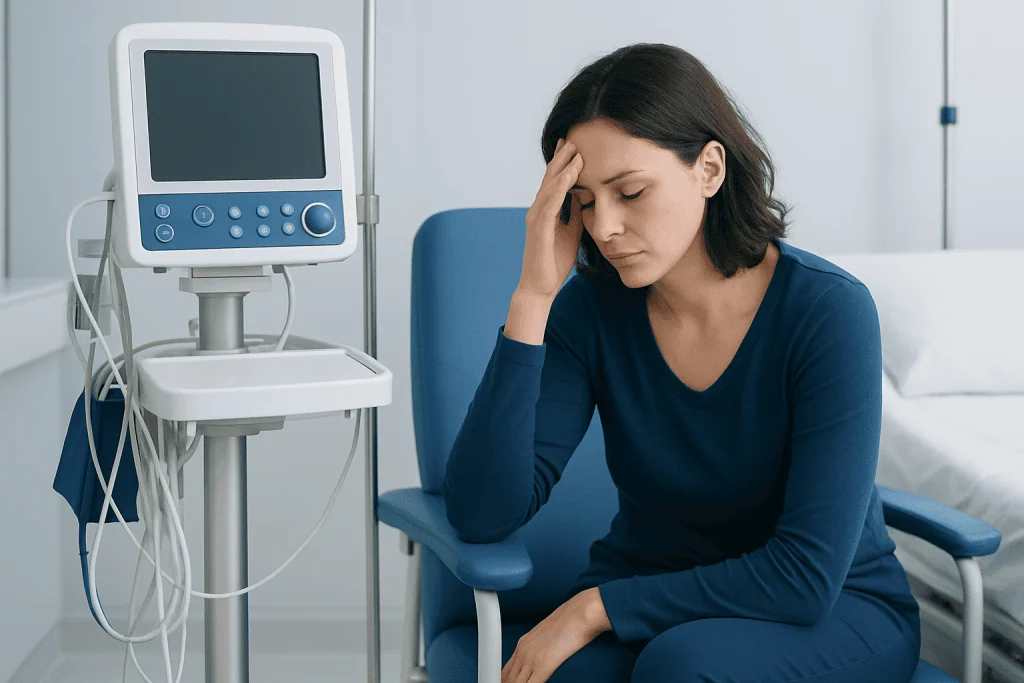
The central symptom of Generalized Anxiety Disorder is excessive worry that is hard to control. The worry often feels ongoing and may occur on more days than not for several months. People may describe feeling restless, keyed up, on edge, or unable to relax, even during moments that should feel calm.
GAD also commonly causes physical and cognitive symptoms. These symptoms can vary from person to person and may become more noticeable during periods of stress. Common symptoms include:
- Muscle tension, headaches, jaw clenching, or body aches
- Fatigue or feeling easily worn out
- Difficulty concentrating or the mind going blank
- Irritability or feeling unusually sensitive to stress
- Sleep problems, such as trouble falling asleep, waking often, or restless sleep
- Stomach discomfort, nausea, changes in appetite, or other digestive symptoms
- Frequent reassurance-seeking, overplanning, or avoiding uncertain situations
Symptoms may be mild at times and more intense at others. Some people function outwardly well while feeling internally exhausted by constant worry. Others may avoid responsibilities, postpone decisions, or struggle with daily tasks because anxiety makes ordinary situations feel overwhelming.
Causes and Risk Factors

Generalized Anxiety Disorder usually develops from a combination of factors rather than one single cause. Genetics may play a role, as anxiety disorders can run in families. Brain circuits involved in fear, attention, and emotional regulation may also influence how strongly a person reacts to uncertainty or perceived threat.
Life experiences are important as well. Long-term stress, childhood adversity, trauma, major transitions, chronic illness, caregiving responsibilities, work pressure, or relationship difficulties may increase vulnerability. Some people develop GAD after a period of ongoing uncertainty, while others notice symptoms gradually over many years.
Personality and thinking patterns can contribute to ongoing worry. For example, a person may be more sensitive to uncertainty, feel responsible for preventing bad outcomes, or believe that worrying helps them prepare. While worry may feel protective in the short term, it often keeps the nervous system activated and makes anxiety harder to settle.
Physical health conditions and substances can also affect anxiety. Thyroid disorders, heart rhythm problems, respiratory conditions, hormonal changes, pain, sleep disorders, caffeine, stimulants, some medications, alcohol, and recreational substances may trigger or worsen anxiety symptoms. A careful evaluation helps distinguish GAD from anxiety caused primarily by medical or substance-related factors.
How Generalized Anxiety Disorder Is Diagnosed
Diagnosis begins with a conversation with a qualified mental health professional, psychiatrist, psychologist, or physician. The clinician asks about the type of worries, how long they have been present, how often they occur, how difficult they are to control, and how much they affect daily life. They may also ask about sleep, mood, panic symptoms, physical complaints, relationships, work or school functioning, and coping habits.
Clinical guidelines generally describe GAD as excessive anxiety and worry about several events or activities, occurring more days than not for at least several months, accompanied by symptoms such as restlessness, fatigue, poor concentration, irritability, muscle tension, or sleep disturbance. The symptoms must cause distress or impairment and should not be better explained by another medical condition, substance use, or a different mental health disorder.
A doctor may perform a physical examination or request laboratory tests when symptoms suggest a possible medical contributor. For example, palpitations, weight changes, tremor, shortness of breath, or new anxiety later in life may require evaluation for medical causes. The goal is not to overtest, but to ensure that treatment is directed at the true sources of symptoms.
Because anxiety conditions often overlap, the assessment may also screen for depression, panic disorder, social anxiety disorder, obsessive-compulsive disorder, post-traumatic stress disorder, attention difficulties, and substance use. Identifying coexisting conditions is important because it helps the care team choose the most appropriate treatment plan.
Treatment Options
Generalized Anxiety Disorder is treatable, and care is usually personalized according to symptom severity, patient preference, medical history, and coexisting conditions. Many people benefit from a combination of psychotherapy, practical lifestyle changes, and, when appropriate, medication. Treatment often works best when progress is reviewed over time and the plan is adjusted as needed.
Cognitive behavioral therapy, or CBT, is one of the most widely used psychotherapies for GAD. CBT helps people identify worry patterns, challenge catastrophic predictions, reduce avoidance, and practice more balanced responses to uncertainty. Techniques may include problem-solving, scheduled worry time, relaxation training, gradual exposure to feared situations, and learning to tolerate uncertainty without repeatedly seeking reassurance.
Medication may be considered when symptoms are moderate to severe, persistent, or significantly impairing. Doctors commonly consider antidepressant medications that also treat anxiety, and in selected cases other anti-anxiety medicines may be used. Medication choices should be discussed with a psychiatrist or qualified physician, especially for people who are pregnant, breastfeeding, older adults, taking other medicines, or living with chronic medical conditions.
Treatment is not only about reducing worry; it also aims to restore daily functioning. A person may work on returning to work or school routines, improving sleep, rebuilding social activities, and handling responsibilities with less avoidance. Improvement can be gradual, and setbacks do not mean treatment has failed; they often provide useful information for refining coping strategies.
Self-Care and Daily Coping Strategies
Self-care cannot replace professional treatment when anxiety is persistent or disabling, but it can strengthen recovery and reduce symptom intensity. Regular routines are especially helpful because they give the body and mind predictable signals. Consistent sleep and wake times, balanced meals, hydration, and regular movement can support the nervous system and improve resilience to stress.
Relaxation techniques may help reduce the physical tension that often accompanies GAD. Slow breathing, progressive muscle relaxation, mindfulness practices, gentle stretching, and grounding exercises can be practiced daily, not only during moments of high anxiety. These skills often become more effective with repetition, so brief and consistent practice is usually better than occasional long sessions.
It can also help to reduce behaviors that unintentionally maintain worry. Constant checking, repeated internet searches about feared outcomes, excessive reassurance-seeking, and avoiding all uncertainty may bring short-term relief but can keep anxiety active. A therapist can help a person reduce these habits gradually and safely.
Supportive relationships are valuable. Sharing concerns with trusted family members or friends can reduce isolation, especially when the goal is to feel understood rather than to obtain repeated reassurance. Limiting caffeine, alcohol, nicotine, and non-prescribed substances may also be helpful, as these can worsen anxiety, sleep quality, and mood in many people.
When to See a Doctor
A person should consider speaking with a healthcare professional when worry is persistent, difficult to control, or interfering with work, school, family life, sleep, or physical well-being. Early support can prevent anxiety from becoming more entrenched and can help rule out medical contributors. It is also appropriate to seek help if self-care strategies provide only temporary relief or if the person feels exhausted by trying to manage anxiety alone.
Professional evaluation is especially important if anxiety is accompanied by depression, panic attacks, substance misuse, major changes in appetite or sleep, unexplained physical symptoms, or avoidance that limits normal activities. Anyone who has thoughts of self-harm, suicide, or feeling unable to stay safe should seek urgent help through local emergency services, a crisis line, or the nearest emergency department.
For international patients, Acibadem International provides access to multidisciplinary specialists and JCI-accredited hospitals that diagnose and treat anxiety disorders and related mental health conditions. Care may involve psychiatry, psychology, internal medicine, and other specialties when physical symptoms or medical conditions are part of the picture.
Frequently asked questions
What is the difference between normal worry and Generalized Anxiety Disorder?
Normal worry is usually connected to a specific situation and eases when the issue is resolved. Generalized Anxiety Disorder involves persistent, excessive worry about multiple areas of life, often lasting for months and feeling difficult to control. It may also cause physical symptoms such as muscle tension, fatigue, irritability, and sleep problems.
Can Generalized Anxiety Disorder cause physical symptoms?
Yes. GAD can cause muscle tension, headaches, stomach discomfort, nausea, fatigue, trembling, restlessness, and sleep disturbance. These symptoms are real and can be distressing, even when anxiety is the main driver. A medical evaluation may be useful if symptoms are new, severe, or suggest another health condition.
How is Generalized Anxiety Disorder treated?
Treatment often includes psychotherapy, especially cognitive behavioral therapy, which teaches practical skills for managing worry and uncertainty. Medication may be recommended for some people, depending on symptom severity, medical history, and personal preferences. Lifestyle strategies such as sleep routines, regular physical activity, relaxation techniques, and reducing caffeine can also support recovery.
Will anxiety medication change a person’s personality?
Appropriately prescribed anxiety medication is intended to reduce symptoms, not change who a person is. Some people feel more like themselves when constant worry and tension decrease. Any concerns about side effects, emotional changes, or stopping medication should be discussed with the prescribing doctor rather than making changes alone.
Can GAD go away without treatment?
Symptoms may improve during calmer periods, but GAD often returns or persists if the underlying worry patterns are not addressed. Professional treatment can help a person learn tools that reduce relapse and improve daily functioning. Seeking help early is a practical step, not a sign that the anxiety is severe or hopeless.
What should family members do to help someone with GAD?
Family members can help by listening calmly, encouraging professional support, and recognizing that the person is not choosing to worry. It is usually more helpful to support coping skills than to provide repeated reassurance for every fear. Patience, consistency, and gentle encouragement can make treatment and self-care easier to maintain.
References
- World Health Organization
- American Psychiatric Association
- National Institute of Mental Health
- National Institute for Health and Care Excellence
- Mayo Clinic
This article is for general information only and is not a substitute for professional medical advice. Please consult a qualified doctor about your individual situation.
Generalized Anxiety Disorder in Turkey — costs, top hospitals & a free quote
JCI-accredited · board-certified surgeons · reply within 24h
Add us as a Preferred Source to see more of our trusted health content across Google Search, AI Overviews and Discover.