Neuroimmunology: Autoimmune Brain and Nerve Disorders Explained

Neuroimmunology covers disorders in which immune activity injures or disrupts the nervous system. Symptoms may include vision changes, weakness, numbness, balance problems, seizures, confusion, severe fatigue or nerve pain.
Key Takeaways
- Neuroimmunology covers disorders in which immune activity injures or disrupts the nervous system.
- Symptoms may include vision changes, weakness, numbness, balance problems, seizures, confusion, severe fatigue or nerve pain.
- Diagnosis often combines neurological examination, MRI, blood tests, cerebrospinal fluid tests and sometimes nerve studies.
- Treatment may involve corticosteroids, plasma exchange, IV immunoglobulin, targeted immune therapies, symptom control and rehabilitation.
- Urgent medical evaluation is important for sudden neurological symptoms, new seizures, rapid weakness or changes in consciousness.
Neuroimmunology is the medical field that studies how the immune system can affect the brain, spinal cord, peripheral nerves and muscles. Many neuroimmune conditions are treatable, especially when symptoms are recognized early and evaluated by specialists.
Overview
Neuroimmunology is the branch of medicine that focuses on the connection between the immune system and the nervous system. The immune system normally protects the body from infections and harmful cells. In neuroimmune disorders, immune cells, antibodies or inflammatory signals may mistakenly attack parts of the brain, spinal cord, optic nerves, peripheral nerves or muscles.
These conditions can affect people in very different ways. Some cause short episodes followed by recovery, while others may be long-term and require ongoing monitoring. Examples include multiple sclerosis, neuromyelitis optica spectrum disorder, myelin oligodendrocyte glycoprotein antibody-associated disease, autoimmune encephalitis, Guillain-Barré syndrome, chronic inflammatory demyelinating polyneuropathy and myasthenia gravis.
Although the names can sound complex, the main idea is simple: the immune system is causing inflammation or disrupted nerve signaling. Modern diagnosis has improved because doctors can identify specific antibodies, inflammation patterns and imaging findings. Treatment is increasingly individualized, aiming to calm harmful immune activity, protect nerve function, support recovery and reduce the risk of relapse when possible.
Common Neuroimmune Disorders
Neuroimmunology includes conditions affecting the central nervous system, which is the brain and spinal cord, as well as the peripheral nervous system, which includes nerves outside the brain and spinal cord. In multiple sclerosis, immune activity damages myelin, the protective coating around nerve fibers in the central nervous system. This can interrupt communication between the brain, spinal cord and body.
Neuromyelitis optica spectrum disorder and MOG antibody-associated disease can cause inflammation of the optic nerves, spinal cord or brain. They may resemble multiple sclerosis at first, but they are distinct conditions and often require different treatment strategies. Autoimmune encephalitis involves immune-related inflammation of the brain and may affect memory, behavior, speech, movement or seizures.
Peripheral neuroimmune conditions include Guillain-Barré syndrome, which often develops over days to weeks and can cause ascending weakness, and chronic inflammatory demyelinating polyneuropathy, which usually progresses more slowly. Myasthenia gravis affects communication between nerves and muscles, leading to fluctuating muscle weakness, often involving the eyes, face, swallowing or breathing muscles.
Some neuroimmune disorders appear after infections, in association with other autoimmune diseases or, less commonly, in relation to tumors. In many patients, no single trigger is found. Careful evaluation helps doctors identify the exact condition because treatments, outlook and follow-up plans can differ significantly.
Symptoms

Symptoms depend on which part of the nervous system is affected. Because the brain, spinal cord, nerves and muscles control many body functions, neuroimmune disorders can look different from person to person. Symptoms may appear suddenly, develop over several days or progress gradually over months.
Central nervous system symptoms can include blurred or painful vision, double vision, weakness, numbness, tingling, balance problems, dizziness, bladder or bowel changes, severe fatigue, memory problems, confusion, mood or behavior changes, headaches, seizures or difficulty speaking. Spinal cord inflammation may cause weakness or sensory changes below a certain level of the body, sometimes with urinary symptoms.
Peripheral nerve and muscle-related symptoms may include burning or electric-like pain, reduced reflexes, foot drop, difficulty climbing stairs, facial weakness, drooping eyelids, trouble chewing or swallowing, or shortness of breath with exertion. Symptoms that fluctuate during the day, worsen with activity and improve with rest may suggest a neuromuscular junction disorder such as myasthenia gravis.
Because these symptoms can also occur with stroke, infection, metabolic problems, migraine, tumors or medication effects, a medical evaluation is important. A neurologist looks for patterns in timing, examination findings and test results to determine whether immune-related inflammation is likely.
Causes and Risk Factors
The exact cause of many neuroimmune disorders is not fully understood. Most are thought to develop from a combination of immune system susceptibility and environmental triggers. In some cases, the immune system produces antibodies that bind to nerve-related targets. In others, immune cells drive inflammation without one clearly identified antibody.
Potential risk factors vary by condition. A personal or family history of autoimmune disease may increase susceptibility in some disorders. Certain infections can precede immune-mediated nerve conditions, not because the infection directly invades the nervous system, but because the immune response may become misdirected. Vitamin D status, smoking, geographic factors and genetic background have been studied in relation to multiple sclerosis, although no single factor explains the disease.
Some autoimmune encephalitis syndromes may be associated with underlying tumors, especially in particular antibody subtypes. This is called a paraneoplastic process. When doctors suspect this pattern, they may recommend age-appropriate cancer screening and imaging. Finding and treating an associated tumor, if present, can be an important part of care.
It is important for patients to know that neuroimmune disorders are not caused by personal weakness, stress alone or lack of effort. Stress and poor sleep can worsen symptoms in some people, but they are not usually the root cause. A supportive, medically guided approach helps reduce blame and focuses on recovery, prevention of complications and long-term wellbeing.
Diagnosis
Diagnosis begins with a detailed medical history and neurological examination. The doctor asks when symptoms began, how they changed over time, whether there were infections, vaccinations, new medications, autoimmune conditions or cancer history, and whether symptoms improve or worsen with rest, heat or activity. The examination checks strength, sensation, reflexes, coordination, walking, vision, eye movements, speech and cognition.
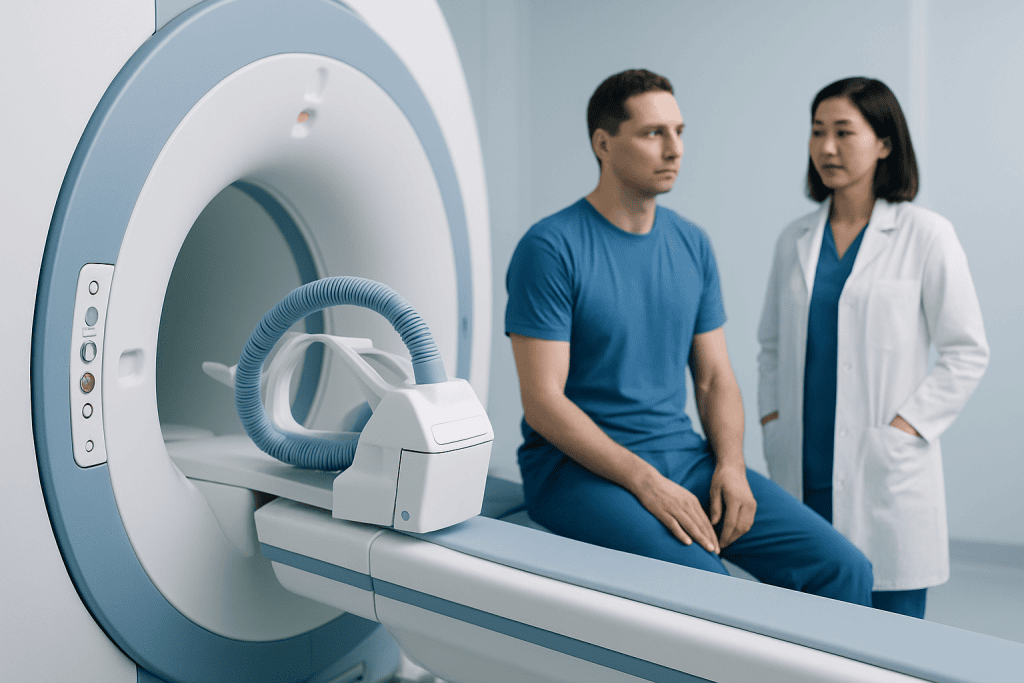
MRI of the brain, spinal cord or optic nerves is often central to diagnosis. MRI can show areas of inflammation, demyelination or swelling. In some cases, contrast material is used to help identify active inflammation. However, MRI findings must be interpreted carefully, because not every abnormal spot is due to an autoimmune disorder.
Blood tests may look for inflammation, vitamin deficiencies, infections, autoimmune markers and disease-specific antibodies such as aquaporin-4, MOG, acetylcholine receptor, MuSK or antibodies associated with autoimmune encephalitis. A lumbar puncture may be recommended to analyze cerebrospinal fluid for immune activity, infection or other causes. Nerve conduction studies, electromyography, evoked potentials, electroencephalography or visual testing may also help, depending on symptoms.
The goal is not only to confirm a neuroimmune disorder, but also to rule out conditions that can mimic it. These may include stroke, brain tumors, infections, inherited disorders, toxic exposures, metabolic disease and psychiatric or functional neurological disorders. Accurate diagnosis helps avoid unnecessary treatment and ensures that immune therapy is used when the expected benefit outweighs potential risks.
Treatment Options
Treatment depends on the specific disorder, severity, timing and the patient’s overall health. During an acute attack or relapse, doctors may use therapies that quickly reduce inflammation or remove harmful antibodies. These can include corticosteroids, plasma exchange or intravenous immunoglobulin. The choice depends on the condition, symptoms and how the patient responds.
For conditions with a risk of relapse, long-term disease-modifying or immune-suppressing therapies may be recommended. These treatments aim to reduce future attacks and limit nerve damage. They may include injectable, oral or infusion therapies, as well as targeted biologic medicines for selected conditions. Regular monitoring is important because immune therapies can affect infection risk, blood counts, liver function or other organs.
Symptom management is also a major part of care. Patients may need treatment for pain, muscle stiffness, bladder symptoms, fatigue, sleep problems, mood changes, seizures or swallowing difficulty. Rehabilitation can help restore function and independence. Physical therapy, occupational therapy, speech and swallowing therapy, neuropsychology and assistive devices may all play a role.
Because neuroimmune disorders can involve multiple body systems, care is often multidisciplinary. Neurologists may work with neuroradiologists, immunologists, rheumatologists, oncologists, rehabilitation teams, ophthalmologists and intensive care specialists when needed. Treatment decisions should always be personalized, and patients should discuss benefits, risks, pregnancy plans, vaccinations and long-term monitoring with their healthcare team.
Prevention, Self-Care and When to See a Doctor
Not all neuroimmune disorders can be prevented, but self-care can support the nervous system and improve quality of life. Patients are generally encouraged to avoid smoking, maintain regular sleep, eat a balanced diet, stay physically active within safe limits and manage other health conditions such as diabetes, high blood pressure or thyroid disease. Heat, infections, overexertion and poor sleep may worsen symptoms in some patients, so recognizing personal triggers can be helpful.
People taking immune-modifying medicines should ask their doctor about infection prevention, vaccination timing and when to pause or adjust treatment during illness. They should not stop prescribed neurological medicines without medical advice, as sudden changes may increase the risk of relapse or symptom worsening. Keeping a symptom diary, MRI reports, laboratory results and medication list can make follow-up visits more productive.
Medical care should be sought promptly for new or worsening neurological symptoms, especially sudden weakness, loss of vision, new seizures, severe confusion, difficulty breathing, trouble swallowing, inability to walk, loss of bladder control or rapidly spreading numbness. These symptoms do not always mean a serious diagnosis, but they should be assessed quickly. Early treatment can make a meaningful difference in many inflammatory neurological conditions.
International patients may benefit from coordinated evaluation when symptoms are complex or previous test results are unclear. Acibadem International’s multidisciplinary specialists and JCI-accredited hospitals diagnose and treat neuroimmune conditions for international patients, including cases that require neurology, imaging, laboratory testing and rehabilitation input. The most appropriate care plan should be determined after a qualified medical assessment.
Frequently asked questions
Is neuroimmunology the same as neurology?
Neuroimmunology is a specialized area within neurology that focuses on immune-related disorders of the nervous system. A neurologist may diagnose and treat many neurological conditions, while a neuroimmunology specialist has particular expertise in diseases such as multiple sclerosis, autoimmune encephalitis and immune-mediated neuropathies.
Are autoimmune brain and nerve disorders treatable?
Many neuroimmune disorders are treatable, especially when diagnosed early and matched with the right therapy. Treatment may reduce inflammation, prevent relapses, improve symptoms and support recovery. The expected outcome depends on the specific condition, severity, timing of treatment and overall health.
Can stress cause a neuroimmune disorder?
Stress alone is not considered the direct cause of most neuroimmune disorders. However, stress, poor sleep and infections may worsen symptoms or make coping more difficult. Patients should receive medical evaluation rather than assuming symptoms are only stress-related.
What tests are commonly used in neuroimmunology?
Common tests include neurological examination, MRI, blood tests for antibodies and inflammation, and cerebrospinal fluid analysis from a lumbar puncture. Depending on symptoms, doctors may also use nerve conduction studies, electromyography, EEG, visual testing or cancer screening. The exact test plan is individualized.
Do all patients with neuroimmune disorders need lifelong treatment?
Not always. Some conditions are monophasic, meaning they occur once and do not return, while others carry a relapse risk and may need long-term therapy. Doctors base treatment duration on diagnosis, relapse history, test results, medication response and safety considerations.
When is a neuroimmune symptom an emergency?
Urgent medical assessment is needed for sudden weakness, new seizures, severe confusion, loss of vision, difficulty breathing, trouble swallowing or rapidly worsening numbness. These symptoms can have several causes, including conditions that require immediate treatment. Prompt evaluation helps doctors identify the cause and begin appropriate care.
References
- National Institute of Neurological Disorders and Stroke
- European Academy of Neurology
- American Academy of Neurology
- Mayo Clinic
- National Multiple Sclerosis Society
This article is for general information only and is not a substitute for professional medical advice. Please consult a qualified doctor about your individual situation.
Neuroimmunology in Turkey — costs, top hospitals & a free quote
JCI-accredited · board-certified surgeons · reply within 24h