Neuroimmunology
Neuroimmunology focuses on diagnosing and managing immune-related disorders of the brain, spinal cord, nerves, and muscles through specialist neurological evaluation and personalized medical care.

Quick answer
Neuroimmunology is the branch of neurology that diagnoses and treats disorders in which the immune system attacks the brain, spinal cord, optic nerves, peripheral nerves, neuromuscular junction or muscles. Evaluation combines neurological examination, MRI, blood and cerebrospinal fluid testing and nerve studies. Treatment ranges from short courses of anti-inflammatory therapy for acute attacks to long-term immune medication, monitoring and rehabilitation for relapsing or chronic conditions.
Neuroimmunology: When the Immune System Affects the Nervous System
Neuroimmunology is the branch of neurology that deals with disorders in which the immune system attacks or disrupts the nervous system. It covers diseases of the brain, spinal cord, optic nerves, peripheral nerves, neuromuscular junction and muscles, and it combines neurological assessment with immune testing, imaging and individualised treatment planning. If you have been told your symptoms may be inflammatory or autoimmune, neuroimmunology is the field that investigates them.
Neurological symptoms can be frightening, especially when they appear suddenly, come and go unpredictably, or affect essential functions such as vision, movement, balance, memory, breathing or swallowing. Many patients first ask whether they have had a stroke, a brain tumour, a spine problem or a degenerative neurological disease. In some cases the cause is different: the immune system is mistakenly attacking parts of the nervous system it is supposed to protect. Recognising this distinction changes everything that follows, because immune-mediated disease is managed very differently from vascular, structural or degenerative disease.
Timely and accurate care matters because many neuroimmune diseases are treatable. Some conditions require urgent therapy to reduce inflammation and protect neurological function. Others need long-term monitoring and carefully selected medication to prevent relapses, slow disability and support quality of life. The right diagnosis can also prevent unnecessary treatment: it helps you avoid therapies that may be ineffective, or unsafe, for your specific condition. In neuroimmunology, being wrong is rarely neutral — a mislabelled diagnosis can expose a patient to real risk while the true disease continues.
At Acibadem, neuroimmunology sits within the broader neurology service and is organised around specialist neurological assessment, multidisciplinary collaboration, modern diagnostic pathways and individualised medical management. The aim is to understand the exact pattern of disease, identify the immune mechanism when possible, and build a treatment plan that reflects both medical evidence and your personal circumstances.
What is neuroimmunology?
Neuroimmunology is the study and clinical management of interactions between the immune system and the nervous system, focused on diseases in which immune activity causes inflammation or dysfunction in neurological tissue. It is not a single test or one medication. It is a structured medical process that usually includes a detailed history, a neurological examination, targeted blood and cerebrospinal fluid tests, magnetic resonance imaging, nerve and muscle studies when needed, and review by physicians experienced in immune-mediated neurological disease. Treatment may involve short-term therapy to control acute inflammation and long-term therapy to prevent recurrence or progression. Because so many other conditions mimic inflammatory disease, careful interpretation sits at the centre of the specialty.
What does neuroimmunology do?
Neuroimmunology determines whether the immune system is responsible for a patient’s neurological symptoms, and then treats and monitors the disease it finds. In practice this means four things. First, confirming or excluding an immune cause — separating inflammation from stroke, tumour, infection, compression, vitamin deficiency and functional disorders. Second, controlling acute inflammation when it is active, to limit injury to nerve tissue. Third, preventing future attacks in relapsing conditions through carefully selected maintenance therapy and monitoring. Fourth, supporting function: rehabilitation, symptom management and planning for daily life. A related discipline, psychoneuroimmunology, studies how immune activity interacts with the brain, stress and behaviour, and the two fields increasingly inform one another.
What Are Neuroimmune Disorders?
Neuroimmune disorders are conditions in which immune activity becomes misdirected against the body’s own nervous system. In a healthy immune response, the body identifies and responds to infections, abnormal cells and other threats. In neuroimmune disease, that machinery turns inward. It may attack myelin, the protective covering around nerve fibres; damage nerve cells directly; interfere with communication between nerves and muscles; inflame the blood vessels that supply the nervous system; or produce antibodies that disrupt normal brain or nerve function. Each mechanism produces a different clinical picture, which is why two patients with “inflammation of the nervous system” can have entirely different diseases requiring entirely different treatment.
Because symptoms overlap heavily with other neurological conditions, precision is the discipline’s defining feature. Numbness and weakness can occur with multiple sclerosis, spinal cord compression, vitamin deficiency, infection, autoimmune neuropathy or functional neurological disorders. Vision loss may be due to optic neuritis, vascular disease, inflammatory eye disease or other causes entirely. Neuroimmunology focuses on separating these possibilities methodically, so that treatment rests on the most reliable diagnosis rather than on the first plausible one.
What are autoimmune neuro disorders?
Autoimmune neuro disorders are the subset of neuroimmune conditions in which the immune system mounts a specific, identifiable attack on the body’s own nervous tissue — often marked by measurable antibodies. Examples include neuromyelitis optica spectrum disorder with aquaporin-4 antibodies, MOG antibody-associated disease, several forms of autoimmune encephalitis, and myasthenia gravis with acetylcholine receptor antibodies. Not every neuroimmune condition has a known antibody: multiple sclerosis, for instance, is clearly immune-mediated but has no single diagnostic antibody test. This is one reason antibody results always need clinical interpretation. A positive antibody in the wrong clinical context can mislead as easily as a negative result can falsely reassure.
What is the difference between a neurologist and a neuroimmunologist?
A neurologist diagnoses and treats disorders of the nervous system in general; a neuroimmunologist is a neurologist who has developed particular expertise in immune-mediated neurological disease. General neurologists manage the full range of conditions — headache, epilepsy, stroke, movement disorders, neuropathy — and many manage straightforward inflammatory disease well. A neuroimmunologist is typically involved when the picture is less clear: a borderline antibody result, an MRI that does not quite fit standard criteria, a relapse on treatment, a rare antibody-associated syndrome, or a decision about high-stakes immune therapy. In many hospitals the two roles overlap; what matters for you as a patient is that the physician interpreting your results has genuine experience with the specific disease pattern in question.
Who May Need a Neuroimmunology Evaluation
A neuroimmunology evaluation may be appropriate for anyone with new, unexplained, recurrent or progressive neurological symptoms that suggest inflammation or immune dysfunction. Some people are referred after an abnormal MRI. Others come after a first neurological attack, an unclear diagnosis, an unexpected relapse, or when a second opinion is wanted before committing to long-term immune therapy. Referral does not presume a diagnosis — a substantial part of the specialty’s work is ruling immune disease out.
What are the common symptoms of neurological disorders?
The most common symptoms of neurological disorders include weakness, numbness, tingling, vision changes, imbalance, difficulty walking, memory problems, seizures, speech or swallowing difficulty, and severe or unusual headache. In neuroimmune disease, the pattern depends on which part of the nervous system is inflamed.
Brain inflammation may cause seizures, confusion, memory problems, behavioural changes, speech difficulty, movement disorders or severe headache. Spinal cord inflammation may lead to limb weakness, numbness, walking difficulty, bladder or bowel changes, or a band-like tightness around the chest or abdomen. Optic nerve inflammation may cause blurred vision, eye pain that worsens with eye movement, loss of colour vision, or partial vision loss in one eye.
When the peripheral nerves are affected, patients may experience tingling, burning pain, weakness, imbalance, reduced reflexes, or difficulty using the hands and feet. When the neuromuscular junction is involved, symptoms may include weakness that fluctuates through the day, drooping eyelids, double vision, difficulty chewing or swallowing, or shortness of breath. Muscle inflammation can cause pain, tenderness, weakness when climbing stairs or rising from a chair, and sometimes skin changes.
Diagnosis begins with listening carefully to the story of the illness, because timing is often the single most informative clue. Did the problem develop over hours, days, weeks or years? Did it improve and then return? Was it associated with infection, vaccination, pregnancy, cancer treatment, systemic autoimmune disease or a new medication? Have symptoms occurred in one clear episode, or do they fluctuate during the day? A relapsing course points in one direction; steady progression points in another; fatigable weakness that worsens through the day points somewhere else again.
A neurological examination then localises the problem. This may include testing vision, eye movements, facial strength, reflexes, sensation, coordination, walking, balance, muscle strength and cognitive function. Subtle findings matter in this field: a slightly delayed pupil response, an asymmetric reflex, mild fatigability on repeated effort, or a particular pattern of sensory loss can determine which tests are ordered and which diagnoses stay on the table.
For many patients, the most valuable part of the evaluation is synthesis. Individual test results rarely provide a complete answer on their own. A small MRI lesion, a borderline antibody result or a nonspecific laboratory abnormality must be read in clinical context. Specialists look at the pattern as a whole — symptoms, examination, imaging, laboratory findings, disease course, response to prior therapy and plausible alternative explanations — before naming a disease.
Conditions Treated in Neuroimmunology
Neuroimmunology covers a broad group of disorders. Some are relatively common; others are rare and demand highly specialised interpretation. Patients seek care for a confirmed diagnosis, an uncertain diagnosis, a suspected relapse, medication planning, treatment monitoring or assessment of long-term risk.
Multiple sclerosis is the best-known neuroimmune condition. It involves immune-mediated inflammation in the central nervous system and may cause episodes of neurological symptoms, characteristic MRI lesions and, in some patients, gradual disability over time. Diagnosis requires deliberate exclusion of the many conditions that can mimic MS, because the diagnosis usually leads to years of therapy.
Neuromyelitis optica spectrum disorder and MOG antibody-associated disease can affect the optic nerves, spinal cord, brainstem or brain. Both may resemble multiple sclerosis, yet they often require different treatment strategies — and certain MS therapies may actually be inappropriate for these conditions. Accurate antibody testing, using reliable assay methods, and expert interpretation of the results are therefore essential.
Autoimmune encephalitis is immune-related inflammation of the brain. It can cause seizures, memory loss, psychiatric symptoms, movement disorders, sleep disturbance or altered consciousness. Some forms are associated with specific antibodies or with underlying tumours, so evaluation may include both neurological and oncological assessment.
Myasthenia gravis affects communication between nerves and muscles. Symptoms typically fluctuate and may involve the eyes, face, throat, limbs or breathing muscles. Work-up may include antibody testing, electrophysiological studies, chest imaging to evaluate the thymus, and assessment of respiratory function when weakness is significant.
Guillain-Barré syndrome is an acute immune-mediated neuropathy that can cause rapidly progressive weakness and sensory symptoms. Because it can affect breathing and swallowing, it is managed in hospital. Chronic inflammatory demyelinating polyneuropathy (CIDP) is a related but longer-lasting condition that causes progressive or relapsing weakness and numbness, and — unlike many chronic neuropathies — often responds to immune therapy.
Inflammatory myopathies are immune-related muscle disorders that may cause proximal weakness, elevated muscle enzymes, pain, fatigue and sometimes lung or skin involvement. Neurological complications of systemic autoimmune disease — lupus, Sjögren’s syndrome, vasculitis, Behçet’s disease, sarcoidosis, antiphospholipid syndrome — also fall within neuroimmunology, usually managed jointly with rheumatology.
Other indications include suspected central nervous system vasculitis, transverse myelitis, optic neuritis, paraneoplastic neurological syndromes, immune-related neurological side effects of cancer immunotherapy, stiff-person spectrum disorders, small fibre neuropathy with autoimmune features, and unexplained inflammatory findings in brain imaging or spinal fluid. In every case the questions are the same: is the immune system responsible, how urgent is it, and what is the most appropriate treatment path?
Is ALS a neuroimmunology disease?
No. Amyotrophic lateral sclerosis (ALS) is classified as a neurodegenerative disease of motor neurons, not an autoimmune disorder, and immune therapies are not standard ALS treatment. Neuroinflammation is an active area of ALS research, and immune cells do appear to play a role in how the disease progresses — but current evidence does not support immune attack as the primary cause. The question still matters clinically, for a practical reason: some genuinely immune-mediated conditions, such as multifocal motor neuropathy, can mimic early ALS. Unlike ALS, they may respond to immune therapy, which makes distinguishing them one of the more consequential jobs a neuroimmunology evaluation can perform.
What is pediatric neuroimmunology?
Pediatric neuroimmunology is the diagnosis and treatment of immune-mediated neurological disease in children and adolescents. Children develop some of the same conditions as adults — multiple sclerosis can begin in adolescence, and MOG antibody-associated disease is proportionally more common in children — alongside conditions seen mainly in younger patients, such as acute disseminated encephalomyelitis (ADEM) following infection. Autoimmune encephalitis also occurs in children and can be mistaken for psychiatric illness. Because a child’s nervous system is still developing, treatment decisions weigh growth, schooling, vaccination schedules and long-term medication exposure, and care is delivered through paediatric neurology teams working with immunology and rehabilitation specialists.
How a Neuroimmunology Diagnosis Is Made
Evaluation usually begins before the first appointment, especially for international patients. Prior MRI images, laboratory reports, discharge summaries, medication lists and previous neurological opinions are reviewed when available. This allows the medical team to define the clinical question precisely: Is the existing diagnosis correct? Is the condition active? Is urgent treatment needed? Should long-term therapy be changed? Is there a safer or more effective option for this particular patient?
The first in-person stage is a specialist consultation. The neurologist takes a detailed history and performs a full neurological examination. You will get more from this consultation if you bring a written timeline of symptoms, prior treatment dates, MRI discs or digital links, and information about allergies, infections, pregnancy plans, other autoimmune conditions, cancer history and current medications. In neuroimmunology, the sequence of events often carries as much diagnostic weight as any single test result.
Diagnostic testing is then personalised rather than standardised. MRI is the workhorse: it evaluates inflammation in the brain, spinal cord, optic nerves or nerve roots, and modern protocols can show lesion location, active inflammation, prior injury and patterns that favour one diagnosis over another. Contrast-enhanced imaging may be used, where appropriate, to identify actively inflamed tissue. In selected cases, advanced imaging techniques help clarify anatomy, disease burden or complications.
Laboratory testing may include blood tests for autoimmune antibodies, inflammatory markers, infection screening, organ function, blood counts, vitamin deficiencies and clotting-related conditions, along with safety checks required before immune therapy can begin. These safety screens are not bureaucracy — several immune medications carry infection-related risks that must be assessed before the first dose.
Cerebrospinal fluid analysis through lumbar puncture may be recommended to assess inflammation, infection, oligoclonal bands, immune activity, malignant cells or specific antibodies. A lumbar puncture can sound intimidating, but it is a routine procedure performed with sterile technique and careful monitoring, and for several conditions the information it provides cannot be obtained any other way.
Electrophysiological tests are used when symptoms suggest nerve, muscle or neuromuscular junction involvement. Nerve conduction studies and electromyography help diagnose inflammatory neuropathies, myopathies, motor neuron disorders and nerve compression. Repetitive nerve stimulation or single-fibre techniques may be used to investigate myasthenia gravis. Electroencephalography is used when seizures, encephalitis, altered consciousness or unexplained episodes are part of the picture.
When the condition may be linked to systemic disease, additional specialists join the process. Rheumatologists, ophthalmologists, neuroradiologists, immunologists, infectious disease specialists, pulmonologists, oncologists, rehabilitation physicians and intensive care teams may contribute depending on the case. Complex cases may be discussed in multidisciplinary meetings, particularly when the diagnosis is uncertain, a cancer association is possible, or high-risk immune therapy is under consideration.
How Neuroimmune Disorders Are Treated
Treatment depends on the diagnosis, its severity, and whether the disease is acute, relapsing or progressive. Acute attacks may be treated with high-dose corticosteroids, intravenous immunoglobulin, plasma exchange or other immune-modulating therapies. The aim is straightforward: reduce active inflammation quickly and limit further neurological injury while it can still be limited.
Some patients need inpatient monitoring, especially with rapid weakness, swallowing difficulty, respiratory risk, seizures, severe encephalitis or spinal cord involvement. Hospital-based care allows breathing and swallowing to be watched closely while acute treatment takes effect.
Long-term treatment is selected according to disease type. For multiple sclerosis, disease-modifying therapies are chosen based on disease activity, MRI findings, relapse history, age, pregnancy considerations, infection risk and patient preference — there is no single correct choice, only the best-matched one. For neuromyelitis optica spectrum disorder, MOG antibody-associated disease, autoimmune encephalitis, myasthenia gravis, CIDP and related conditions, maintenance therapy may involve immunosuppressive or immune-targeted medication. Every plan should include vaccination review, infection prevention, scheduled laboratory monitoring and a clear description of what relapse symptoms look like. Decisions about starting, stopping or changing any of these medications belong to the treating doctor, who knows the full clinical picture.
Supportive care is not an afterthought in neuroimmunology; it is part of the treatment. Rehabilitation can address strength, balance, walking, fatigue management, speech, swallowing, cognitive function and return to daily activities. Pain control, bladder management, sleep optimisation, mood support, nutrition and management of spasticity or tremor may all matter. For chronic conditions, good care is not limited to controlling inflammation — it addresses function, independence and quality of life.
The time required varies. Some patients complete outpatient consultation and testing over several days. Others — particularly those with acute weakness, encephalitis, a severe relapse or respiratory risk — need urgent hospitalisation. Treatment duration varies just as widely: intravenous therapy may take days, while long-term disease-modifying therapy or immunotherapy may continue for months or years with regular monitoring. Recovery depends on the disorder, its severity, how quickly treatment began and how much nerve tissue was injured before therapy started. Some deficits improve substantially; others improve partially; honest care means saying which is likely in your case.
Once the treatment plan is established, follow-up is arranged: repeat MRI, blood tests, neurological examinations, medication safety monitoring, rehabilitation assessment and — for international patients — documentation written clearly enough that care can continue safely with a physician at home.
Why Acting Early Matters
Many neuroimmune disorders are time-sensitive. Inflammation can injure nerve fibres, myelin, neuromuscular transmission or muscle tissue. Some of that damage improves with treatment, but severe or prolonged inflammation can leave lasting deficits. Early evaluation increases the chance of identifying active disease while it is still treatable, before complications become harder to reverse.
Delay also breeds diagnostic confusion. A patient may receive repeated short courses of medication without a clear diagnosis, or begin long-term therapy that does not fit the actual condition. Multiple sclerosis, neuromyelitis optica spectrum disorder, MOG antibody-associated disease, infections and metabolic diseases can resemble one another, and vascular disorders — the territory of vascular neurology — can produce MRI changes that look inflammatory. Treating the wrong condition exposes a patient to unnecessary risk while the true disease progresses unchecked.
Some presentations are treated as emergencies in clinical practice: rapidly worsening weakness, breathing difficulty, swallowing problems, new seizures, confusion, loss of consciousness, sudden vision loss, severe spinal cord symptoms or inability to walk. These are managed in hospital rather than in outpatient clinics, because conditions such as Guillain-Barré syndrome, severe myasthenic exacerbation, autoimmune encephalitis and transverse myelitis can progress quickly and respond best to prompt treatment.
Acting early does not mean rushing into aggressive treatment without evidence. It means obtaining the right assessment at the right time, identifying red flags, confirming the diagnosis as firmly as the evidence allows, and beginning therapy when the expected benefit outweighs the risk. In neuroimmunology, speed and precision are not competing values — both matter, at the same time.
Potential Benefits of Neuroimmunology Care
What specialist care offers depends on the condition, but the common thread is movement from uncertainty toward a structured diagnosis and a defensible plan.
| Benefit | What It Means for You |
|---|---|
| More precise diagnosis | Symptoms, MRI findings, blood tests, spinal fluid results and neurological examination are interpreted together to distinguish immune-related disease from its many mimics. |
| Timely control of inflammation | When active inflammation is present, appropriate treatment may reduce the risk of further neurological injury and support recovery. |
| Personalised long-term treatment | Medication choices are matched to the diagnosis, disease activity, safety profile, lifestyle, pregnancy plans, infection risk and previous treatment response. |
| Relapse prevention and monitoring | Regular follow-up, imaging, laboratory checks and symptom tracking help identify disease activity early so therapy can be adjusted. |
| Functional support | Rehabilitation and symptom management address walking, strength, fatigue, vision, swallowing, pain, cognition, bladder control and daily independence. |
| Clearer international care planning | Patients travelling from abroad receive organised medical documentation and recommendations that can be shared with physicians in their home country. |
Recovery and Follow-Up Timeline
Recovery in neuroimmunology is highly individual, but many patients follow a recognisable pathway: initial assessment, acute treatment where needed, reassessment, then longer-term monitoring.
| Time Period | What Patients Can Expect |
|---|---|
| Day 1 | Specialist consultation, neurological examination, review of prior records and identification of urgent findings. Some patients begin imaging, blood tests or hospital admission the same day. |
| First Week | Diagnostic testing continues as needed: MRI, lumbar puncture, electrophysiology, antibody testing or additional specialist consultations. Acute treatment may begin for active inflammation. |
| First Month | Early response is assessed. Rehabilitation, symptom management and planning for maintenance therapy may begin, with emphasis on medication safety checks and patient education. |
| Three to Six Months | Follow-up examinations, and repeat imaging or laboratory monitoring where indicated, evaluate disease control, treatment tolerance and recovery of neurological function. |
| Longer Term | Ongoing care focuses on relapse prevention, medication monitoring, rehabilitation needs, lifestyle planning, vaccination and infection risk, and coordination with local physicians where appropriate. |
Factors That Influence Outcomes
Outcomes vary because the conditions themselves are so diverse. A mild first episode of optic neuritis is a different situation from severe spinal cord inflammation, rapidly progressive neuropathy, autoimmune encephalitis or long-standing multiple sclerosis. Several medical and personal factors shape what a good result looks like and how achievable it is.
Accurate diagnosis is the strongest single predictor of appropriate care. Neuroimmune diseases overlap in their symptoms, but their treatments differ substantially. The pattern of MRI lesions, antibody results, spinal fluid findings, examination findings, the timing of relapses and the exclusion of infection or vascular disease all feed into the final diagnosis — and into every treatment decision that follows it.
Speed of treatment matters most in acute conditions. Inflammation affecting the spinal cord, optic nerves, brain, breathing muscles or peripheral nerves may require urgent treatment, and earlier control of inflammation may reduce the risk of lasting impairment. Even then, recovery takes time; nerve tissue heals slowly and sometimes incompletely.
Severity at presentation also shapes the outcome. Patients with mild sensory symptoms recover differently from those with paralysis, severe vision loss, seizures, cognitive impairment or respiratory involvement. Residual damage visible on imaging or examination influences both the expected pace and the expected extent of improvement.
Disease biology is a factor no one controls. Some conditions are monophasic — they occur once and do not return. Others are relapsing or chronic and require ongoing immune therapy. Antibody-associated disorders behave differently depending on the specific antibody involved, the patient’s age, associated medical conditions and how the disease responded to prior treatment.
Medication selection and adherence are decisive for chronic conditions. Immune therapies must be chosen carefully, but they must also be taken and monitored correctly. Missed doses, unrecognised infection risks, skipped laboratory monitoring or abrupt interruption of therapy can all increase risk. You should always understand why a medication is being used, which side effects to watch for, and when to inform your treating physician.
General health influences both treatment safety and neurological recovery. Diabetes, heart disease, kidney or liver disease, chronic infections, cancer history, pregnancy, age, smoking, obesity and other autoimmune diseases can narrow or redirect therapy options. Vaccination status and infection screening matter before certain immune treatments can begin.
Rehabilitation and daily habits shape functional recovery in ways that scans do not capture. Physical therapy, occupational therapy, speech and swallowing therapy, fatigue management, sleep, nutrition, mood support and safe exercise planning help patients rebuild confidence and independence. Neuroimmune recovery is measured not only in test results but in the ability to walk, work, study, communicate, travel and take part in family life.
How Fast Is Neuroimmunology Changing?
Quickly — and that pace is directly relevant to patients. Neuroimmunology is among the most active research areas in modern neurology: new antibodies are still being identified, diagnostic criteria are revised as evidence accumulates, and targeted immune therapies continue to reach clinical practice. Dedicated publications such as the Journal of Neuroinflammation track the science of immune activity in the nervous system, and the attention such journals attract — the Journal of Neuroinflammation impact factor is frequently cited as a marker of the field’s momentum — reflects how intensively these mechanisms are being studied. Major academic centres, Washington University neurology departments among them, run dedicated neuroimmunology divisions, and the same research-to-clinic pipeline is the focus of translational neurology. The practical consequence for you: a diagnosis or treatment plan made several years ago may genuinely deserve re-examination under current criteria.
Neuroimmunology Care at Acibadem
International patients often come to Acibadem when they need a careful diagnosis, a second opinion, coordinated specialist care, or a treatment plan that can be continued safely after returning home. Neuroimmunology suits a multidisciplinary hospital model because it constantly overlaps with neuroradiology, rheumatology, ophthalmology, infectious diseases, oncology, rehabilitation medicine, intensive care and laboratory medicine — and because a single physician working alone rarely holds all the pieces.
Care follows evidence-based clinical pathways: physicians work from recognised diagnostic criteria, current treatment protocols, medication safety requirements and individualised risk assessment. Complex cases may be reviewed in multidisciplinary discussion, particularly when symptoms are atypical, test results conflict, or advanced immune therapy is being considered. Modern diagnostic resources — high-resolution MRI protocols, cerebrospinal fluid analysis, autoimmune and infectious laboratory testing, neurophysiology studies, and intensive care monitoring when needed — support this work. The value of these tools lies not in producing images and numbers, but in the experienced clinical judgement that interprets them.
Experienced physicians matter for a specific reason: avoiding both underdiagnosis and overdiagnosis. Some patients have been told they may have multiple sclerosis on the basis of nonspecific MRI findings. Others have had recurrent symptoms attributed to stress, migraine, spine disease or vitamin deficiency before inflammatory disease was ever considered. A neuroimmunology-focused evaluation determines whether the immune system is truly involved and what level of treatment — including, sometimes, no immune treatment at all — is appropriate.
Treatment planning is personal. Two patients with the same diagnosis may need different approaches: one requires urgent intravenous therapy; another needs long-term relapse prevention; a third is better served by careful observation, rehabilitation and repeat imaging before committing to medication. Age, fertility and pregnancy plans, prior infections, cancer history, travel schedule, vaccine needs, work responsibilities and the availability of follow-up care at home all legitimately influence the choice.
For patients travelling from abroad, Acibadem International provides coordination in more than 20 languages, covering appointment planning, medical record transfer, interpretation support, hospital admission coordination when needed, and guidance for accompanying family members. Clear communication carries particular weight in this specialty, because patients need to understand complex test results, medication risks, relapse warning signs and follow-up requirements — not merely receive them on paper.
Continuity is the final piece. International care should not end when you leave the hospital. Whenever possible, patients receive medical reports, imaging summaries, medication plans, laboratory monitoring recommendations and follow-up instructions written so they can be implemented by a local neurologist or primary physician. In neuroimmunology, where a diagnosis may shape years of treatment, a plan that travels well is part of the treatment itself.
Preparing for a Neuroimmunology Evaluation
Whether you are being assessed for the first time or seeking a second opinion on an existing diagnosis, preparation improves the quality of any specialist consultation. The most useful materials are prior MRI images (the actual images, not only the written reports), laboratory results, spinal fluid reports, hospital records, a complete medication history including doses and dates, and a written timeline of symptoms — when each problem began, how it evolved, and what made it better or worse.
A well-prepared evaluation is designed to answer the questions that matter most: What is the most likely diagnosis? Is the disease active now? Is urgent treatment needed? Which therapy fits this situation, and what are its risks? What recovery can reasonably be expected? How should care continue at home? Honest answers sometimes include uncertainty — a good specialist will say so plainly and explain what further evidence would resolve it.
Neuroimmune disorders are complex, but they are navigable. With specialist neurological assessment, coordinated diagnostics and individualised treatment planning, most patients come away with a clearer understanding of their condition, a realistic picture of what treatment can and cannot achieve, and a structured plan for the months ahead. In a field where the diagnosis can change the course of a life, that clarity is the point of the entire process.
Preparation
- Bring previous medical records, MRI or CT images, laboratory results, medication lists, and details of symptom history. Your doctor may request additional blood tests, imaging, lumbar puncture, or neurophysiological tests before confirming a treatment plan.
Aftercare
- Follow-up visits are usually needed to monitor symptoms, treatment response, and possible medication side effects. Patients should take prescribed medicines exactly as directed and report new neurological symptoms, infections, or allergic reactions promptly.
Turkey vs UK, Germany & USA
Neuroimmunology care can involve specialist neurological assessment, advanced testing and long term treatment planning, so costs and patient experience vary by health system and provider. Comparing destinations can help patients understand what may influence access, coordination and overall value.
The cost and experience of neuroimmunology care depend on diagnostic complexity, treatment plan, hospital setting and how international patient services are organised.
| Factor | Turkey | UK | Germany | USA |
|---|---|---|---|---|
| Price drivers | Specialist neurology consultation, MRI, laboratory and immune testing, infusion medicines and follow up planning | Private care costs may reflect consultant fees, imaging, laboratory tests and medicine access outside public pathways | Costs often relate to specialist centre fees, diagnostics, inpatient or infusion care and prescribed therapies | Costs can vary widely by facility, insurance status, specialist fees, diagnostics and medication coverage |
| Hospital and specialist factors | International hospitals may coordinate neurologists, radiology, laboratory services and infusion units in one pathway | Care may be delivered through public referral routes or private neurology clinics depending on access and preference | University and specialist neurology centres are common for complex immune neurological disorders | Large academic and private centres may offer broad subspecialty services with variable billing structures |
| Accreditation and quality | Patients can choose hospitals with international accreditation such as JCI and multidisciplinary protocols | Quality standards are regulated nationally, with private and public providers following established governance systems | Hospitals follow national quality and specialist medical standards, with strong emphasis on structured diagnostics | Accreditation and quality systems vary by hospital network and state, so verification is important |
| Waiting times | International patient departments may help schedule consultations and tests in a coordinated visit | Public pathways can involve referral queues, while private appointments may be faster depending on availability | Specialist appointments may require referral and scheduling, especially for complex cases | Access may be rapid in private settings but depends on insurance approval, network access and specialist availability |
| Travel and language logistics | Medical travel teams may assist with appointments, translation, airport transfers and accommodation guidance | Convenient for local residents; international patients may need to arrange travel and interpretation separately | International offices may be available in larger centres, with language support varying by hospital | Travel distances and administrative processes can be significant for international patients |
| Typical package scope | May include specialist review, care coordination, selected tests, treatment scheduling and translated reports when arranged | Private packages may be consultation based, with tests and medicines billed separately | Packages may be structured around diagnostics or inpatient evaluation, depending on the centre | Packages are less standardised and may be separated by provider, facility, laboratory and pharmacy billing |
What affects your final cost
- The suspected or confirmed diagnosis and how complex the case is
- Whether MRI, spinal fluid analysis, antibody testing, neurophysiology or other investigations are needed
- The need for infusion therapy, immune treatment, hospital admission or monitoring
- The choice of hospital, neurologist and multidisciplinary support services
- Whether previous reports are usable or tests need to be repeated
- Interpreter support, travel coordination, accommodation preferences and follow up format
Compare your options
Neuroimmunology covers several diagnostic and treatment pathways. Suitability is decided by a specialist neurologist after reviewing symptoms, examination findings, imaging, laboratory results and previous medical history.
| Option | What it is | Typical use | Key considerations |
|---|---|---|---|
| Specialist diagnostic assessment | Neurological consultation supported by MRI, blood tests, spinal fluid studies, antibody panels and neurophysiology when appropriate | Used to investigate suspected immune related disorders of the brain, spinal cord, nerves or muscles | Accurate diagnosis is essential because treatments differ widely between conditions |
| Multiple sclerosis management | Personalised monitoring and disease modifying treatment planning for relapsing or progressive forms | Used when clinical findings and investigations support multiple sclerosis | Choice of therapy depends on disease activity, safety profile, pregnancy plans, other illnesses and monitoring needs |
| Acute relapse treatment | Short term immune treatment such as corticosteroid therapy, plasma exchange or intravenous immunoglobulin when clinically indicated | Used for significant neurological worsening in selected immune mediated conditions | Urgency, severity, infection risk and previous response guide treatment decisions |
| NMOSD and MOG associated disease care | Diagnosis and relapse prevention planning for antibody associated inflammatory disorders | Used for optic nerve, spinal cord or brain inflammation linked to specific immune markers | These conditions can require different long term strategies from multiple sclerosis |
| Autoimmune encephalitis care | Evaluation and immune treatment planning for inflammation affecting cognition, behaviour, seizures or consciousness | Used when symptoms and tests suggest immune mediated brain inflammation | May require urgent inpatient care, cancer screening in selected cases and close multidisciplinary follow up |
| Immune neuromuscular disorder treatment | Assessment and treatment for conditions affecting nerves, muscles or neuromuscular junctions, such as myasthenia gravis or inflammatory neuropathies | Used for weakness, sensory symptoms, fatigue or breathing and swallowing concerns linked to immune mechanisms | Testing and monitoring help determine whether medicines, infusion therapy or rehabilitation support are needed |
General information only — not medical or financial advice. Final costs depend on the factors above and your individual case; request a free, personalised quote.
Frequently Asked Questions
What affects the cost of neuroimmunology care?
Cost depends on the diagnosis being investigated, the need for MRI, antibody testing, spinal fluid analysis, neurophysiology, infusion treatment, hospital admission and follow up. The hospital setting, specialist team and international patient services can also influence the final quote.
How can I get a personalised quote?
You can request a complimentary consultation by sharing your medical history, symptoms, previous MRI images, laboratory results, discharge reports and current medicines. A specialist team can then review what is needed and provide a tailored plan and quote.
Are tests always repeated when travelling for neuroimmunology care?
Not always. If previous reports and images are recent, complete and clinically suitable, they may help guide the assessment. Some tests may still need to be repeated to confirm diagnosis, check disease activity or ensure treatment safety.
Does a neuroimmunology package include treatment medicines?
Package content varies. Some plans focus on consultation and diagnostics, while others may include infusion scheduling, inpatient care or follow up coordination. Medicines, laboratory monitoring and repeat visits should be clarified before travel.
Is treatment suitability decided before or after arrival?
A preliminary opinion may be possible after document review, but final suitability is decided by a specialist after clinical assessment and required investigations. This information is general and is not a substitute for medical or financial advice.
Medically reviewed by the Acıbadem International Medical Board — August 31, 2026
See our medical review board →
Update history
- PublishedJune 8, 2026
- Medical review approvedAugust 31, 2026
- Last content updateAugust 31, 2026
Trusted care for international patients
Doctors Performing This Treatment

Prof. Dr. Altay Bedük
Neurosurgery
Prof. Dr. Müfit Kalelioğlu
Neurosurgery
Prof. Dr. Memet Özek
Neurosurgery
Prof. Dr. Mehmet Zafer Berkman
Neurosurgery
Prof. Dr. Elif Ilgaz Aydınlar
Neurology
Prof. Dr. Sertaç İşlekel
Neurosurgery
Prof. Dr. Ayşe Sağduyu Kocaman
Neurology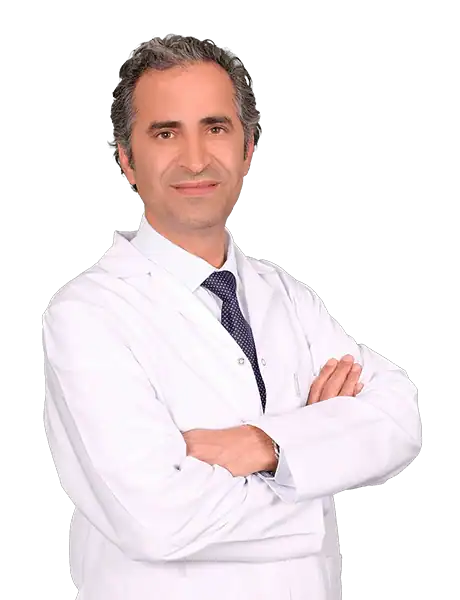
Prof. Dr. Kenan Koç
Neurosurgery
Prof. Dr. Koray Özduman
Neurosurgery
Prof. Dr. Dilaver Kaya
Neurology
Prof. Dr. Deniz Konya
Neurosurgery
Prof. Dr. Kayıhan Uluç
Neurology
Prof. Dr. Hüseyin Hayrı Kertmen
Neurosurgery
Prof. Dr. Melih Bozkurt
Neurosurgery
Prof. Dr. Çağın Şentürk
Interventional Neuroradiology
Prof. Dr. Akın Sabancı
Neurosurgery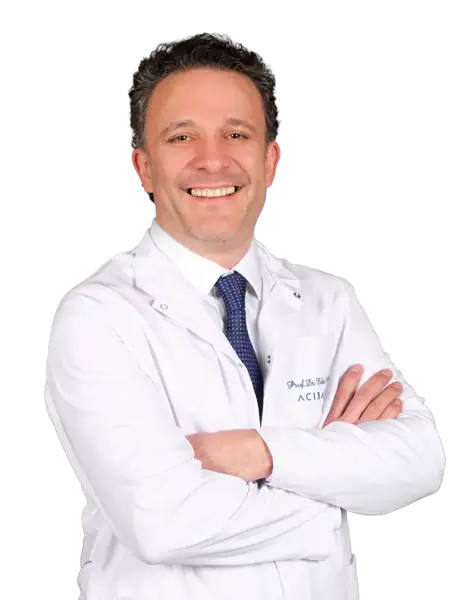
Prof. Dr. Erkin Sönmez
Neurosurgery
Prof. Dr. Muammer Doygun
Neurosurgery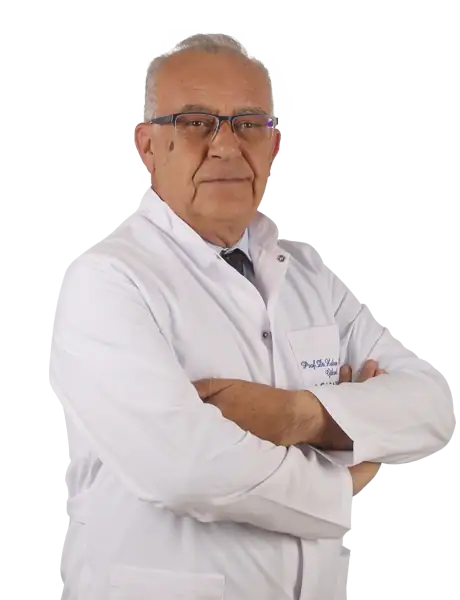
Prof. Dr. Hakan Murat Göksel
Neurosurgery
Prof. Dr. Ali Kurtsoy
Neurosurgery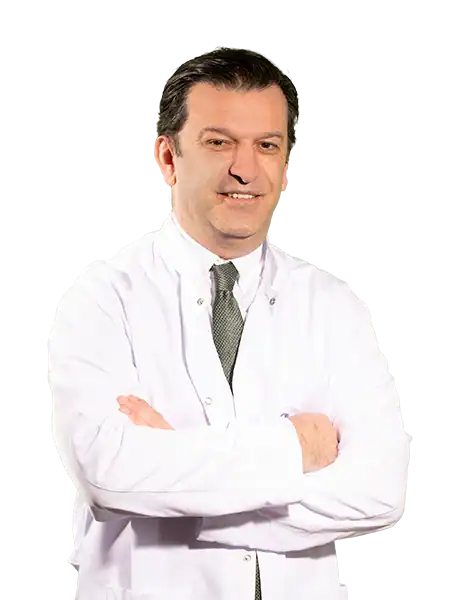
Prof. Dr. Kağan Tun
Neurosurgery
Prof. Dr. Gökhan Bozkurt
Neurosurgery
Prof. Dr. Kamil Kadir Topalkara
Neurology
Prof. Dr. Hakan Seçkin
NeurosurgeryMedical Units
Available at These Hospitals