Psychoneuroimmunology
Psychoneuroimmunology-based care addresses the interaction between stress, the nervous system and immune function, using supportive strategies to improve coping, wellbeing and quality of life.
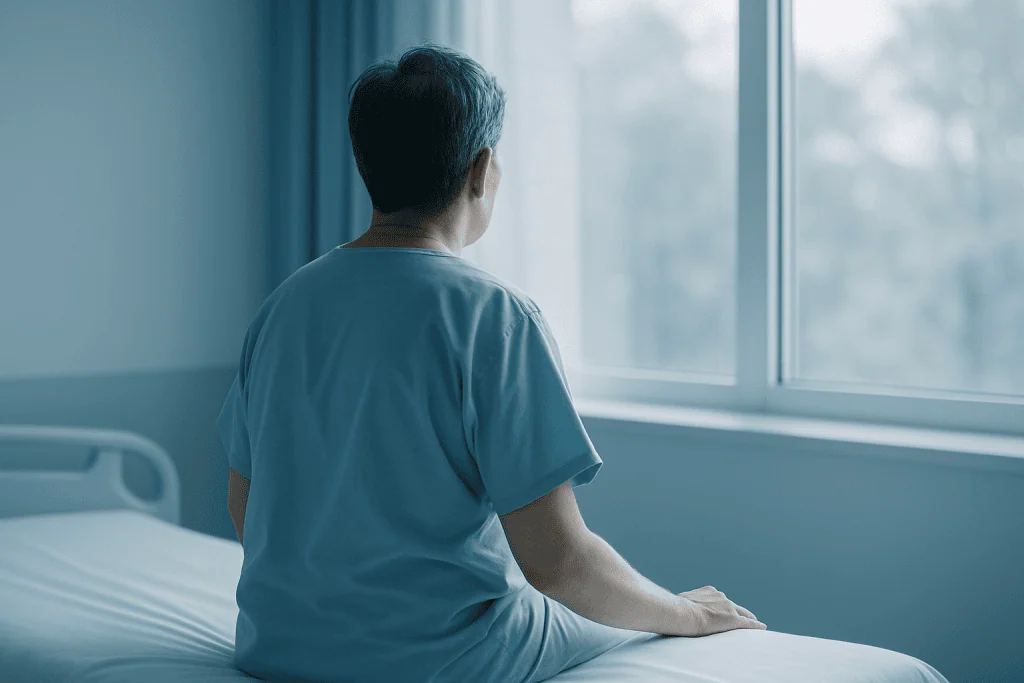
Quick answer
Psychoneuroimmunology-based care focuses on how stress, the nervous system, and immune function affect one another, and uses supportive therapies to strengthen coping, wellbeing, and quality of life. At Acibadem in Turkey, this approach is delivered as part of a personalized treatment plan that may combine medical care with psychological support, stress-management methods, and symptom-focused supportive services.
Understanding the Mind–Body Connection in Illness and Recovery
When people face a serious diagnosis, chronic symptoms, long-term treatment, or a period of intense emotional strain, they often notice that the body and mind do not respond separately. Sleep may become lighter. Pain may feel sharper. Energy may fluctuate. Infections may seem harder to recover from. Anxiety can affect appetite, digestion, concentration and the ability to make decisions. These experiences are real, and they are part of a complex biological conversation between the brain, the nervous system, hormones and immune function.
Psychoneuroimmunology-based care focuses on this interaction. It does not suggest that stress alone causes disease, nor does it replace medical treatment. Instead, it recognizes that psychological stress, nervous system activation, inflammation, sleep quality, coping patterns and social support can influence how a person experiences illness and how well they tolerate treatment. For many patients, especially those receiving cancer care, recovering from surgery, managing autoimmune disease, living with chronic pain, or coping with recurrent illness, this approach can be an important part of comprehensive care.
International patients often seek this type of support when they want more than a diagnosis and a treatment plan. They want to understand why they feel physically overwhelmed, why anxiety worsens symptoms, and how they can actively support recovery without relying on unproven claims. A psychoneuroimmunology-informed program provides structured, evidence-aware supportive care designed to improve coping, wellbeing, treatment tolerance and quality of life.
At Acibadem, this approach is integrated within medical care when appropriate, rather than presented as an alternative to it. Patients may be supported by physicians, psychologists, psychiatrists, rehabilitation specialists, dietitians, pain specialists, oncology teams, internal medicine physicians and other clinicians depending on their condition. The goal is to help the patient regain a sense of control, reduce the physiological burden of stress, and support the body during medical treatment or recovery.
What Is Psychoneuroimmunology-Based Care?
Psychoneuroimmunology, often abbreviated as PNI, is the field that studies how psychological processes, the nervous system and the immune system interact. It examines how stress signals are processed by the brain, how the autonomic nervous system and endocrine system respond, and how these responses can influence inflammation, immune regulation, pain perception, fatigue, sleep and general resilience.
In practical clinical care, psychoneuroimmunology-based treatment is not a single medication or procedure. It is a structured supportive care approach that may include psychological assessment, stress physiology evaluation, sleep and lifestyle review, coping skills training, relaxation and breathing techniques, cognitive-behavioral strategies, mindfulness-based practices, supportive psychotherapy, psychoeducation, rehabilitation planning, nutrition support and coordination with the patient’s primary medical team.
The purpose is to reduce harmful patterns of sustained stress activation and improve the patient’s capacity to cope with illness and treatment. This can be especially meaningful when the body is already under strain from chemotherapy, immunotherapy, surgery, chronic inflammation, infection, pain, autoimmune activity or prolonged uncertainty. While psychoneuroimmunology-based care is not designed to cure disease by itself, it can help patients manage symptoms, maintain function and engage more effectively with their medical treatment plan.
A careful distinction is important. PNI-informed care does not blame patients for becoming ill, and it does not imply that positive thinking controls immune function. Serious diseases have complex biological, genetic, environmental and medical causes. The value of this approach is that it addresses modifiable factors that can influence wellbeing, such as stress response, sleep, emotional regulation, coping behaviors, adherence to treatment, social connection and rehabilitation participation.
For patients receiving care abroad, psychoneuroimmunology-based support can also address the emotional load of traveling for medical treatment. Being away from home, communicating in a different language, making decisions quickly and navigating unfamiliar systems can intensify stress. A coordinated support plan can help patients feel more oriented, prepared and emotionally supported throughout their medical journey.
Who May Need Psychoneuroimmunology-Based Support?
Patients may benefit from psychoneuroimmunology-based care when emotional stress and physical symptoms appear to reinforce each other. This may happen during active medical treatment, after a major diagnosis, during recovery from surgery, or when a chronic illness becomes difficult to manage. Many people seek support because they feel physically exhausted but also emotionally “on alert,” as if the body cannot fully relax or recover.
Common concerns include persistent fatigue, sleep disturbance, anxiety before medical appointments, low mood, irritability, difficulty concentrating, changes in appetite, increased pain sensitivity, tension headaches, digestive discomfort, palpitations related to stress, loss of motivation, fear of recurrence after cancer treatment, or difficulty returning to normal life after hospitalization. Some patients may feel that stress worsens flares of autoimmune symptoms, skin disease, bowel symptoms or chronic pain. Others may not have a formal mental health diagnosis but still feel overwhelmed by the demands of treatment.
Diagnosis and assessment usually begin with a detailed clinical conversation. The care team reviews the patient’s medical history, current diagnosis, medications, treatment plan, psychological symptoms, sleep patterns, pain, fatigue, nutrition, physical activity, family support, work stress and prior coping strategies. Standardized questionnaires may be used to assess anxiety, depression, distress, fatigue, quality of life, sleep and pain. In some cases, laboratory tests, imaging, neurological evaluation or other medical investigations are needed to rule out medical causes of symptoms such as anemia, thyroid disease, infection, medication side effects, nutritional deficiencies or disease progression.
This careful evaluation matters because not every symptom should be attributed to stress. Fatigue, for example, may be related to cancer treatment, inflammatory disease, endocrine problems, sleep apnea, depression, medication effects or several factors at once. A psychoneuroimmunology-informed plan is strongest when it is built on accurate diagnosis and close communication with the patient’s medical specialists.
Patients may be referred by oncologists, surgeons, neurologists, rheumatologists, gastroenterologists, cardiologists, pain specialists, psychiatrists, psychologists or rehabilitation physicians. Some patients request support themselves because they want to prepare emotionally and physically before treatment. Others seek a second opinion on how to improve quality of life while continuing complex medical care.
Conditions and Situations This Approach May Address
Psychoneuroimmunology-based care can be considered for a wide range of conditions in which stress physiology, immune activity, inflammation, pain, fatigue and coping are clinically relevant. It is most often used as an adjunct to conventional treatment, meaning it supports the main medical plan rather than replacing it.
In oncology, patients may use PNI-informed care to manage distress after diagnosis, cope with chemotherapy or radiotherapy, improve sleep, address cancer-related fatigue, reduce fear of recurrence, and support emotional adjustment during survivorship. Cancer care can place significant pressure on both the immune system and the nervous system. Supportive strategies may help patients tolerate treatment better, communicate symptoms earlier and maintain daily functioning.
In autoimmune and inflammatory conditions, such as rheumatoid arthritis, inflammatory bowel disease, psoriasis and certain connective tissue diseases, stress may interact with symptom flares and coping capacity. While stress management does not replace immunological treatment, it may help reduce the burden of symptoms and improve adherence to long-term care. Patients often benefit from learning how to identify flare triggers, pace activities and respond to pain or fatigue without increasing fear or avoidance.
In chronic pain syndromes, psychoneuroimmunology-informed care may help patients understand how pain signals, stress hormones, sleep disruption, inflammation and emotional distress can amplify one another. Treatment may include pain education, relaxation training, cognitive and behavioral strategies, graded activity and coordination with pain medicine or physical rehabilitation.
Patients recovering from surgery, intensive care or major illness may also benefit. Surgery activates immune and inflammatory pathways as part of healing, while hospitalization can affect sleep, mood, mobility and confidence. Supportive care can assist with anxiety, rehabilitation motivation, sleep restoration and adaptation to temporary limitations.
Other situations may include recurrent infections associated with high stress burden, post-viral fatigue syndromes, functional gastrointestinal symptoms, stress-related skin conditions, burnout with physical symptoms, medically unexplained symptoms after appropriate investigation, and adjustment difficulties following diagnosis of a chronic disease. The suitability of care depends on the patient’s medical findings, mental health needs and overall treatment goals.
For some patients, psychiatric care is also important. Significant depression, panic disorder, post-traumatic stress symptoms, severe insomnia, substance misuse or thoughts of self-harm require timely specialist assessment. Psychoneuroimmunology-based care can be part of a broader mental health plan, but urgent or severe symptoms should be addressed directly and promptly.
How Psychoneuroimmunology-Based Care Is Performed
Psychoneuroimmunology-based care begins with understanding the patient as a whole person within a medical context. The first step is usually a comprehensive intake appointment. The clinician asks about the current medical diagnosis, previous treatments, symptoms, medications, emotional state, sleep, nutrition, activity level, pain, family circumstances, work demands and cultural preferences. For international patients, the team may also review travel plans, language needs, accommodation concerns and the availability of family or caregiver support.
The preparation phase may include gathering medical records, recent laboratory results, imaging reports, pathology reports, treatment summaries and medication lists. If the patient is receiving oncology, rheumatology, neurology, cardiology, gastroenterology or surgical care, communication with the relevant specialists helps ensure that supportive interventions are appropriate and safe. For example, exercise recommendations may need to be adapted after surgery, during chemotherapy, in anemia, or in advanced inflammatory disease.
After assessment, the care team develops a personalized plan. This may involve several components. Psychoeducation helps patients understand how stress responses affect the body, including the role of the sympathetic nervous system, cortisol, inflammatory signaling, sleep disruption and muscle tension. This knowledge can reduce fear because symptoms begin to make biological sense. Patients often feel more capable when they understand that the body’s stress response is not a personal weakness but an adaptive system that can become overactivated during illness.
Psychological interventions may include supportive counseling, cognitive-behavioral strategies, acceptance-based techniques, mindfulness-based stress reduction, guided imagery, relaxation training or trauma-informed therapy when appropriate. These approaches can help patients manage catastrophic thoughts, medical uncertainty, anticipatory nausea, fear of procedures, pain-related anxiety and emotional exhaustion. The focus is practical: helping the patient regulate distress, improve daily routines and remain engaged with treatment.
Breathing and autonomic regulation techniques are often used because they directly target the body’s stress response. Slow breathing, diaphragmatic breathing, progressive muscle relaxation and body awareness exercises may help reduce physiological arousal. Some patients also benefit from biofeedback-based methods when available, which use sensors to show patterns such as heart rate variability, muscle tension or breathing rhythm. Seeing these patterns can help patients learn how the nervous system responds to relaxation and stress.
Sleep support is another central element. Sleep affects immune regulation, inflammation, pain sensitivity, mood and cognitive function. The plan may include sleep hygiene education, stimulus control strategies, relaxation before bedtime, adjustment of daytime activity, light exposure guidance and coordination with physicians when medication, sleep apnea, pain or hormonal symptoms are affecting rest. In medically complex patients, sleep problems may have several causes and require careful evaluation.
Nutrition and physical activity may be addressed in coordination with dietitians and rehabilitation professionals. The aim is not to prescribe a single “immune-boosting” diet, but to support adequate protein, micronutrient intake, digestive tolerance, energy balance and safe movement. Gentle physical activity, when medically appropriate, can improve fatigue, mood, sleep, circulation and functional recovery. For patients undergoing active treatment, recommendations are adjusted to blood counts, treatment side effects, surgical precautions and overall strength.
The technology used in psychoneuroimmunology-based care is typically supportive and diagnostic rather than invasive. It may include validated digital questionnaires, symptom tracking tools, sleep and activity monitoring, biofeedback systems, teleconsultation platforms for follow-up, electronic medical record coordination, laboratory testing when medically indicated, and imaging or specialist diagnostics if symptoms require further investigation. These tools help clinicians identify patterns, measure progress and adapt the plan. They are most useful when interpreted by trained professionals within the full clinical picture.
Session duration varies depending on the patient’s needs. An initial assessment may take longer than a routine follow-up because it includes medical and psychosocial history. Follow-up sessions may be scheduled weekly, every few weeks, or around major treatment milestones such as surgery, chemotherapy cycles, radiotherapy, immunotherapy or rehabilitation phases. Some patients need only short-term support during a stressful period. Others benefit from ongoing care for chronic illness, pain or survivorship concerns.
Recovery in this context does not mean recovering from a single procedure. It means gradually improving regulation, coping and function. Patients often begin with small, measurable goals: sleeping one hour longer, reducing panic before appointments, walking safely several times a week, using breathing techniques during infusions, reporting symptoms earlier, or returning to valued daily activities. Progress may be gradual and may fluctuate with medical treatment cycles. A well-designed plan anticipates these fluctuations and adjusts expectations accordingly.
Why Acting Early Matters
Stress-related symptoms are sometimes dismissed until they become severe. Patients may tell themselves they should be stronger, or they may focus only on laboratory results and imaging while ignoring sleep, distress, nutrition, pain and fatigue. Yet these factors can influence how well a person functions during treatment. Early supportive care can help prevent a cycle in which anxiety worsens sleep, poor sleep increases pain and fatigue, fatigue reduces activity, and reduced activity contributes to low mood and physical deconditioning.
In cancer care, early distress screening and psychosocial support can help patients communicate side effects, attend appointments, understand treatment decisions and maintain quality of life. In chronic inflammatory disease, earlier attention to stress and coping may help patients manage flares more effectively and avoid unnecessary fear-driven behavior. In chronic pain, early education can reduce avoidance and help prevent disability patterns from becoming more established.
Delaying care may allow symptoms such as insomnia, panic, depression, fatigue and pain amplification to become more entrenched. It may also increase reliance on unverified information, unnecessary supplements or unsafe self-directed interventions. For international patients, delay can be especially difficult because travel, time away from family and uncertainty about treatment abroad may intensify emotional strain. Seeking support early provides time to build coping skills before major procedures or treatment cycles begin.
Early intervention is also important for identifying symptoms that require medical attention. Shortness of breath, fever, sudden neurological changes, severe depression, uncontrolled pain, significant weight loss, new swelling, bleeding, confusion or suicidal thoughts should never be managed as stress alone. A coordinated team can help distinguish expected stress responses from signs that need urgent medical evaluation.
Potential Benefits of Psychoneuroimmunology-Based Care
The benefits of this approach are most meaningful when they are integrated with the patient’s medical treatment plan and tailored to the individual’s diagnosis, symptoms and goals.
| Benefit | What It Means for You |
|---|---|
| Improved stress regulation | You learn practical ways to calm the body’s stress response, which may reduce tension, panic, irritability and the feeling of being constantly on alert. |
| Better coping during treatment | Structured psychological support can help you prepare for procedures, treatment cycles, scans, waiting periods and difficult medical decisions. |
| Support for sleep and fatigue | Addressing sleep patterns, activity pacing and emotional overload may improve daily energy and help you participate more fully in care. |
| Enhanced symptom management | Techniques for pain, nausea anticipation, breathlessness related to anxiety, digestive discomfort or muscle tension may reduce symptom burden alongside medical treatment. |
| Improved communication and adherence | Patients who feel informed and supported are often better able to report symptoms, follow treatment plans and ask timely questions. |
| Quality-of-life support | The focus includes emotional wellbeing, family concerns, daily function, work, relationships and the personal impact of illness, not only medical test results. |
Recovery and Adaptation Timeline
Because psychoneuroimmunology-based care is a supportive program rather than a one-time intervention, progress is usually measured by changes in coping, symptoms, daily function and treatment tolerance over time.
| Time Period | What Patients Can Expect |
|---|---|
| Day 1 | The first visit usually focuses on assessment, understanding your medical and emotional concerns, identifying immediate stressors and setting realistic priorities. |
| First Week | You may begin simple techniques such as breathing exercises, sleep routines, symptom tracking or strategies for managing medical anxiety. The care plan may be coordinated with your physicians. |
| First Month | Many patients start recognizing patterns between stress, sleep, pain, fatigue and mood. Sessions may focus on strengthening coping skills and adapting routines around treatment schedules. |
| During Active Medical Treatment | Support may be timed around surgery, chemotherapy, radiotherapy, immunotherapy, rehabilitation or follow-up scans. Plans are adjusted according to side effects and medical status. |
| Longer Term | The focus may shift toward resilience, returning to daily life, fear of recurrence, chronic illness self-management, family adjustment and maintaining healthy routines. |
Factors That Influence Outcomes
The results of psychoneuroimmunology-based care vary from person to person. Outcomes depend on the underlying medical condition, treatment intensity, mental health history, sleep quality, pain level, family support, financial and travel stressors, medications, physical conditioning and the patient’s readiness to practice skills between sessions. A patient receiving intensive cancer treatment may have different goals than someone managing stable autoimmune disease or recovering from surgery.
A good result is usually not defined by the complete absence of stress. Serious illness naturally brings fear, sadness and uncertainty. Instead, improvement may mean that stress becomes more manageable, sleep becomes more consistent, pain is less overwhelming, treatment appointments feel less frightening, and the patient can return to meaningful activities. For some patients, the most important outcome is feeling able to participate actively in their care rather than feeling controlled by symptoms.
Consistency matters. Techniques such as breathing training, relaxation, cognitive restructuring, pacing and sleep routines usually require repeated practice. The nervous system learns through repetition, not through a single session. Patients who practice regularly and communicate honestly about what is or is not helping often benefit more from the program.
Medical accuracy also influences outcomes. If fatigue is caused primarily by anemia, infection, endocrine dysfunction or medication side effects, stress management alone will be insufficient. If pain is related to disease progression or a surgical complication, it requires appropriate medical evaluation. This is why psychoneuroimmunology-based care should be integrated with medical assessment, not separated from it.
Cultural and personal preferences are also important. Some patients prefer structured cognitive techniques, while others respond better to body-based relaxation, faith-sensitive support, family meetings, rehabilitation goals or practical coaching. International patients may need language support, help involving relatives abroad, or care plans that can continue after returning home. Personalization improves relevance and makes the plan easier to follow.
Finally, expectations should be realistic. Psychoneuroimmunology-based care can be valuable, but it is not a shortcut or a replacement for oncology, surgery, immunology, psychiatry, rehabilitation or other medical treatments. Its strength is in helping the person cope better, function better and support the body’s natural regulation during medically guided care.
Why International Patients Choose Acibadem for Psychoneuroimmunology-Based Care
Patients traveling for medical care often need more than an appointment with a single specialist. They need careful coordination, clear communication and a care environment that understands the emotional and practical demands of receiving treatment away from home. At Acibadem, psychoneuroimmunology-based support can be integrated into broader diagnostic and treatment pathways, particularly for patients managing cancer, chronic inflammatory disease, neurological conditions, pain, surgical recovery or complex health concerns.
Acibadem hospitals are JCI-accredited, reflecting international standards in patient safety and quality processes. For patients from the United States, Europe, the Middle East and other regions, this can help make the care environment feel more familiar and structured. International patient services assist with medical record transfer, appointment coordination, interpretation, travel-related planning and communication in more than 20 languages. This support is especially important when emotional stress is already high and the patient needs clear, reliable guidance.
Multidisciplinary care is a central advantage for patients whose symptoms cross traditional specialty boundaries. A person with cancer-related fatigue may need oncology, nutrition, psychology, rehabilitation and pain management input. A patient with autoimmune disease may need rheumatology, gastroenterology or dermatology, along with psychological support for flare-related distress. A patient recovering from surgery may require surgical follow-up, physical rehabilitation, sleep guidance and emotional support. When clinicians communicate through specialist boards or coordinated care discussions, the plan is more likely to reflect the full clinical picture.
Acibadem’s use of modern diagnostic pathways helps ensure that symptoms are evaluated appropriately before they are attributed to stress. Laboratory testing, imaging, endoscopy, functional assessments, psychological screening, pain evaluation and other investigations may be used when indicated. This protects patients from both under-treatment and over-simplification. In psychoneuroimmunology-based care, the question is not “Is it physical or psychological?” but “How are these systems interacting, and what can be addressed safely?”
Technology also supports care planning. Digital medical records, validated assessment tools, teleconsultation options, symptom monitoring, sleep and activity data when appropriate, rehabilitation measurement and biofeedback-type methods may help clinicians follow progress and adjust recommendations. The value of technology lies not in complexity, but in helping the team understand the patient’s patterns and respond with precision.
Experienced physicians and allied health professionals are important because PNI-informed care requires clinical judgment. Patients may arrive with information from the internet, commercial wellness programs or alternative therapies that promise immune effects. A medically grounded team can help separate evidence-based supportive strategies from claims that may be ineffective, costly or unsafe. This is particularly relevant for patients undergoing chemotherapy, immunotherapy, anticoagulation, organ-related treatments or immune-modulating medications, where supplements and unverified interventions may carry risks.
Personalized treatment planning is another reason international patients may seek this type of care at Acibadem. A patient who is preparing for surgery may need a short, focused program to reduce procedural anxiety and improve postoperative recovery behaviors. A patient in active oncology care may need support around treatment cycles, nausea anticipation, body image, fatigue and fear of scans. A patient with chronic inflammatory disease may need longer-term coping strategies, sleep support and coordination with medication management. The plan is shaped around the patient’s diagnosis, preferences, culture, family role and timeline in Turkey.
For patients who return home after treatment, continuity is considered from the beginning. The team may provide recommendations, follow-up planning and communication that can be shared with the patient’s local physicians when appropriate. This is especially valuable for psychoneuroimmunology-based care, because the skills learned during treatment are meant to support daily life beyond the hospital setting.
Moving Forward With Supportive, Evidence-Aware Care
Living with illness can place the body and mind under sustained pressure. It is common to feel anxious, exhausted, sensitive to symptoms or unsure how to cope. Psychoneuroimmunology-based care offers a structured way to address these concerns while remaining firmly connected to medical diagnosis and treatment. It helps patients understand the biology of stress, build practical regulation skills, improve quality of life and participate more confidently in their care.
If you are considering treatment abroad, preparing for a major procedure, undergoing cancer therapy, managing chronic inflammation, living with pain or struggling emotionally after a diagnosis, a consultation can help determine whether this approach is appropriate for you. A second opinion may also be useful if you want to better understand the relationship between stress, symptoms and your current medical plan.
At Acibadem, international patients can receive coordinated evaluation and supportive care within a multidisciplinary medical environment. The first step is to share your medical history, current concerns and treatment goals so the team can recommend a plan that is safe, realistic and tailored to your needs.
This information is general and educational. It is not a substitute for professional medical advice, diagnosis or treatment. Always consult a qualified healthcare professional about your individual condition and care options.
Preparation
- Before starting, the care team reviews medical history, current symptoms, medications, sleep, stress levels and lifestyle factors. Patients may be asked to complete psychological or wellbeing questionnaires. Bring previous test results and a list of ongoing treatments to help plan coordinated care.
Aftercare
- After each session, patients can return to normal daily activities immediately. Follow the personalized plan, which may include stress management, sleep hygiene, relaxation techniques, nutrition guidance or referrals. Progress is reviewed regularly and adjusted according to symptoms and goals.
Turkey vs UK, Germany & USA
Psychoneuroimmunology-based care is usually supportive and personalised, focusing on the relationship between stress, the nervous system and immune function. Costs and patient experience vary depending on the setting, the specialists involved and the depth of assessment and follow-up.
The comparison below highlights practical factors that may influence cost and experience when arranging psychoneuroimmunology-informed supportive care abroad or locally.
| Factor | Turkey | United Kingdom | Germany | USA |
|---|---|---|---|---|
| Care setting | Often offered through private hospitals, wellness, psychiatry, psychology, rehabilitation or integrative medicine services. | May be accessed through private clinics or hospital-based services; public pathways may involve referral and waiting. | Available in private clinics, rehabilitation settings and specialist centres with structured assessment pathways. | Often delivered through private healthcare, academic centres or specialist wellness and behavioural medicine clinics. |
| Price drivers | Specialist consultations, psychological support, laboratory or imaging tests if needed, programme length and interpreter services affect cost. | Private consultation fees, therapy sessions, diagnostic testing and location can strongly affect the final cost. | Costs depend on specialist seniority, diagnostic work-up, rehabilitation elements and whether care is inpatient or outpatient. | Costs may vary widely by provider, facility type, insurance status, therapy frequency and diagnostic testing. |
| Hospital and specialist factors | International patient departments can coordinate appointments across psychiatry, psychology, neurology, immunology, nutrition and rehabilitation where appropriate. | Care may be delivered by individual specialists or multidisciplinary teams depending on the clinic and referral route. | Structured specialist assessment and rehabilitation planning may be available in hospital or clinic settings. | Access may include behavioural medicine, psychiatry, psychology, sleep medicine and integrative care depending on the centre. |
| Accreditation and quality | Some hospitals serving international patients hold international accreditations such as JCI, with defined quality and safety processes. | Quality oversight depends on public or private sector standards and the specific provider. | Quality processes are typically linked to national healthcare regulation and provider accreditation. | Quality processes vary by hospital, clinic network, accreditation status and specialist credentials. |
| Waiting times | Private scheduling may allow coordinated appointments within a shorter planning window, depending on specialist availability. | Public referral routes may involve waiting; private appointments may be faster depending on provider availability. | Specialist appointments and rehabilitation programmes may require advance scheduling. | Access can vary by insurance, location, specialist demand and clinic availability. |
| Travel and language logistics | International patient teams may help with language support, appointment coordination and travel-related logistics. | Language support may be available in larger hospitals, but arrangements vary. | Language assistance may be available in international departments or larger centres, with planning recommended. | Language services may be available in major hospitals, while travel and accommodation planning is usually separate. |
| Typical package content | May include specialist consultation, care coordination, selected assessments, personalised supportive plan and follow-up arrangements. | Often priced as separate consultations, therapy sessions and tests unless offered as a private programme. | May include assessment, rehabilitation planning, therapy sessions and follow-up depending on the provider. | Often itemised by consultation, therapy, testing and facility charges, unless offered as a bundled programme. |
What affects your final cost
- The type and seniority of specialists involved.
- Whether care is outpatient, day programme or inpatient-supported.
- The need for psychological, neurological, immunological, sleep, nutrition or rehabilitation assessments.
- The length and intensity of the supportive care plan.
- Laboratory tests, imaging or additional investigations, if clinically indicated.
- Interpreter support, care coordination, travel planning and follow-up format.
Compare your options
Psychoneuroimmunology-based care may combine several supportive options. Suitability is decided by a specialist after assessment of symptoms, medical history, stress burden, lifestyle and current treatment needs.
| Option | What it is | Typical use | Key considerations |
|---|---|---|---|
| Specialist assessment and care planning | A review of physical symptoms, stress history, sleep, mood, immune-related concerns, medications and lifestyle factors. | Used to identify contributing factors and coordinate a personalised supportive care plan. | May involve several specialties; it does not replace diagnosis or treatment of underlying medical conditions. |
| Psychological support | Therapies such as cognitive behavioural approaches, stress management and coping-skills training. | Used for stress-related symptoms, adjustment to illness, anxiety, low mood and coping with chronic conditions. | Requires patient participation and may need ongoing sessions for sustained benefit. |
| Mind-body and relaxation strategies | Techniques such as breathing exercises, mindfulness-informed practice, guided relaxation or biofeedback where available. | Used to support nervous system regulation, relaxation, sleep quality and perceived wellbeing. | Should be adapted to the individual; not all techniques are suitable for every patient. |
| Sleep and lifestyle optimisation | Assessment of sleep routines, activity levels, fatigue patterns and daily habits. | Used when poor sleep, exhaustion or irregular routines may be affecting recovery and resilience. | Medical causes of fatigue or sleep disturbance should be evaluated when indicated. |
| Nutrition and metabolic support | Dietary assessment and guidance from qualified professionals, sometimes alongside metabolic or inflammatory marker review. | Used to support general health, energy balance and immune-related wellbeing. | Plans should consider medical conditions, medications, allergies and cultural preferences. |
| Rehabilitation and physical activity guidance | Gradual movement, physiotherapy or rehabilitation planning tailored to capacity and medical status. | Used to support function, confidence and quality of life, especially after illness or prolonged stress. | Intensity should be individualised to avoid overexertion, especially in patients with fatigue or complex conditions. |
General information only — not medical or financial advice. Final costs depend on the factors above and your individual case; request a free, personalised quote.
Frequently Asked Questions
What affects the cost of psychoneuroimmunology-based care?
Cost depends on the specialists involved, the depth of assessment, whether laboratory or imaging tests are needed, the number of therapy or rehabilitation sessions, and whether interpreter support or international patient coordination is included.
How can I get a personalised quote?
A personalised quote usually requires a review of your medical history, current symptoms, previous test results and goals for care. You can request a free consultation so the team can suggest an appropriate pathway and provide a tailored estimate.
Is psychoneuroimmunology-based care a replacement for medical treatment?
No. It is a supportive approach that may complement medical care by addressing stress, coping, lifestyle and wellbeing. Any underlying medical or psychiatric condition should be assessed and treated by the relevant specialist.
Will I need tests before starting a programme?
Some patients may only need a clinical assessment, while others may require blood tests, sleep evaluation or other investigations if clinically indicated. The need for tests is decided by the specialist.
Can international patients receive follow-up after returning home?
Follow-up may be arranged through online consultations, written care plans or coordination with local providers, depending on clinical suitability and the patient’s needs.
Medically reviewed by the Acıbadem International Medical Board — June 20, 2026
See our medical review board →
Update history
- PublishedJune 8, 2026
- Medical review approvedJune 20, 2026
- Last content updateJune 8, 2026