What Is a Blood Disorder? Types, Causes, and When to Seek Care

Blood disorders can affect blood cell production, function, or clotting. Common symptoms include fatigue, frequent infections, easy bruising, unusual bleeding, and shortness of breath.
Key Takeaways
- Blood disorders can affect blood cell production, function, or clotting.
- Common symptoms include fatigue, frequent infections, easy bruising, unusual bleeding, and shortness of breath.
- Causes may be inherited, acquired, related to nutrition, autoimmune disease, medications, or other medical conditions.
- Diagnosis usually includes a medical history, physical exam, and blood tests such as a complete blood count.
- Treatment depends on the type and may include medicines, supplements, transfusions, procedures, or long-term monitoring.
A blood disorder is any condition that affects red blood cells, white blood cells, platelets, or plasma, and it can change how oxygen is carried, how the body fights infection, or how blood clots. Many blood disorders are manageable when they are identified early and treated with the right specialist care.
Overview
A blood disorder is a broad term for any condition that changes the way blood works. Blood carries oxygen and nutrients, helps fight infection, and supports clotting after an injury. When one part of this system is affected, symptoms can appear throughout the body.
Blood disorders may involve red blood cells, white blood cells, platelets, plasma, or the proteins that help blood clot. Some are present from birth, while others develop later in life because of illness, medications, immune problems, nutrient deficiencies, or bone marrow conditions.
Not every blood disorder is severe, and many are treatable. The important step is recognizing the pattern of symptoms and getting a medical evaluation when something does not seem normal.
Types of Blood Disorders
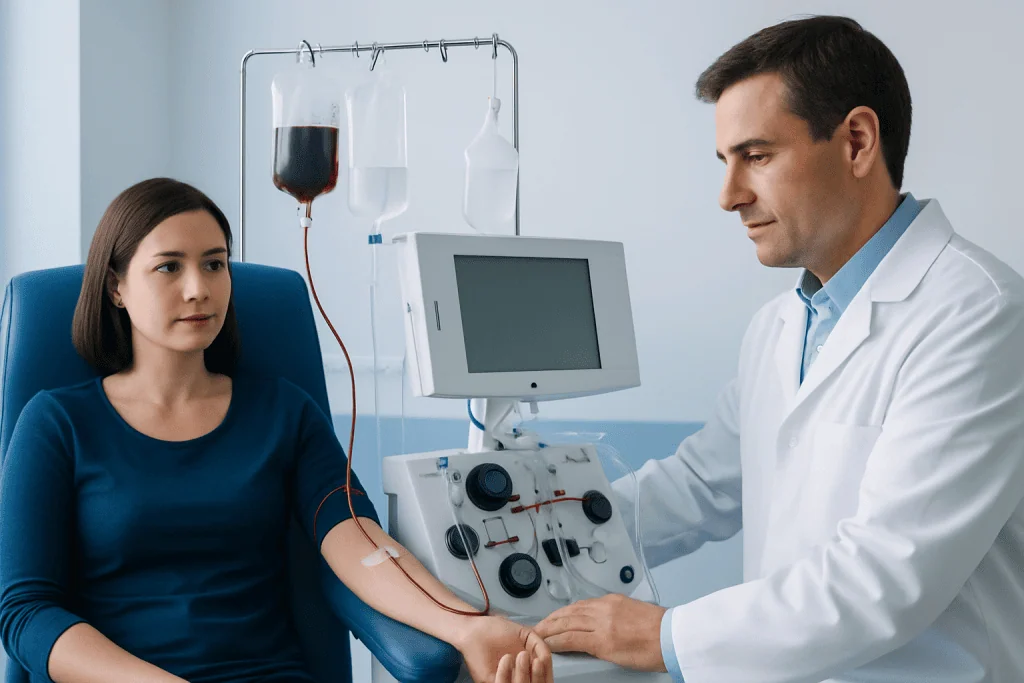
Blood disorders are often grouped by the part of the blood they affect. Red blood cell disorders, such as anemia, can reduce the blood’s ability to carry oxygen and may cause tiredness or weakness. Some inherited disorders, such as sickle cell disease or thalassemia, affect the shape or production of red blood cells.
White blood cell disorders can change how the body responds to infection. Low white blood cell counts may lead to frequent infections, while some white blood cell diseases involve abnormal cells that grow too quickly or do not work properly.
Platelet disorders and clotting disorders affect how the body stops bleeding. A person may bruise easily, have frequent nosebleeds, or bleed longer than expected after a cut or procedure. Examples include thrombocytopenia, hemophilia, and von Willebrand disease.
Some conditions affect the plasma, the liquid part of blood that carries proteins and clotting factors. These disorders may be linked to liver disease, immune conditions, or inherited problems with clotting proteins.
Symptoms

Symptoms depend on the type of blood disorder, but several warning signs are common. Fatigue, pale skin, dizziness, shortness of breath, or a rapid heartbeat can occur when red blood cells or hemoglobin are low.
People with white blood cell disorders may notice frequent infections, fever, or infections that are slow to improve. Platelet or clotting problems may cause easy bruising, tiny red spots on the skin, nosebleeds, bleeding gums, heavy menstrual bleeding, or prolonged bleeding after dental work or injury.
In some blood disorders, symptoms are mild at first or appear only during illness, surgery, pregnancy, or intense physical stress. Others may be found during routine testing before symptoms become obvious.
- Unusual tiredness or weakness
- Frequent infections
- Easy bruising or bleeding
- Shortness of breath
- Pale or yellowish skin
Causes & Risk Factors
Blood disorders can be inherited, meaning they are passed through families, or acquired later in life. Inherited conditions often affect hemoglobin, clotting factors, or blood cell structure. Acquired conditions may result from chronic disease, autoimmune disease, infections, medication side effects, vitamin deficiencies, kidney or liver disease, or problems in the bone marrow.
Risk factors vary by disorder. A family history of anemia, clotting problems, or blood cancers may increase risk for certain inherited or genetic conditions. Poor nutrition, especially low iron, vitamin B12, or folate intake, may contribute to some forms of anemia.
Other factors can include autoimmune conditions, pregnancy, chronic inflammation, exposure to toxins, and prior cancer treatment. Because the causes are so varied, a careful medical history is often essential for finding the right explanation.
Diagnosis
Diagnosis usually begins with a doctor reviewing symptoms, medications, family history, diet, and any bleeding or infection patterns. A physical exam may look for pallor, bruising, enlarged lymph nodes, or signs of liver or spleen enlargement.
Blood tests are the main tool for diagnosis. A complete blood count can measure red cells, white cells, and platelets, while additional tests may assess iron levels, vitamin levels, clotting time, hemoglobin type, immune markers, or blood cell shape and function.
In some cases, further testing is needed to understand the cause. This may include a peripheral blood smear, bone marrow examination, genetic testing, or imaging studies when another condition is suspected. If a blood disorder is complex, referral to a hematologist is often helpful.
Treatment Options
Treatment depends on the specific diagnosis and how much it affects daily life. Some blood disorders improve with simple measures such as iron, vitamin B12, or folate replacement when a deficiency is present. Others may require medicines that reduce immune destruction, support blood cell production, or prevent abnormal clotting.
For bleeding disorders or severe anemia, transfusions or clotting factor replacement may be needed in selected cases. People with chronic conditions may also need regular monitoring to track blood counts and adjust care over time. In certain inherited or serious marrow disorders, advanced treatments such as procedures or transplant-based therapies may be discussed by a specialist.
Supportive care is an important part of treatment. This can include managing infections promptly, avoiding medicines that increase bleeding risk when advised, and coordinating care with specialists in hematology and related fields. In complex cases, multidisciplinary teams can help tailor treatment to the person’s overall health and goals, and Acibadem International’s multidisciplinary specialists and JCI-accredited hospitals diagnose and treat blood disorders for international patients.
Prevention & Self-care
Not all blood disorders can be prevented, especially inherited conditions. Still, healthy habits can support blood health and may reduce the impact of some acquired problems. Eating a balanced diet with adequate iron, folate, and vitamin B12 is especially important when deficiency is a concern.
It is also helpful to take medicines exactly as prescribed, attend follow-up visits, and tell the doctor about any history of unusual bruising, bleeding, infections, or family blood disorders. People with known clotting or bleeding conditions should discuss activity choices, dental procedures, and surgery planning with their care team.
General self-care includes staying hydrated, resting when needed, and seeking prompt treatment for infections or heavy bleeding. Anyone using supplements should do so under medical guidance, since too much iron or other nutrients can also be harmful in some situations.
When to See a Doctor
A doctor should be consulted if symptoms such as fatigue, frequent infections, easy bruising, or unusual bleeding are persistent, new, or unexplained. These signs do not always mean a blood disorder, but they do deserve evaluation, especially if they interfere with daily life.
Urgent medical attention is appropriate for severe bleeding, black or bloody stools, chest pain, fainting, shortness of breath at rest, a very high fever with low immunity, or sudden weakness with signs of a clotting or bleeding problem. In children, pregnant people, and older adults, symptoms may need quicker assessment because complications can develop more easily.
Early diagnosis can make treatment simpler and can help prevent complications. A qualified doctor can determine whether the problem is temporary, related to nutrition or medication, or part of a more complex blood condition.
Living With a Blood Disorder
Many people with blood disorders live active lives with appropriate treatment and monitoring. The exact outlook depends on the cause, how early the condition is found, and how well it responds to therapy.
Keeping a record of symptoms, lab results, medications, and prior procedures can make appointments more productive. It also helps patients communicate clearly with emergency teams if they ever need urgent care.
With the right plan, support, and follow-up, blood disorders can often be managed in a way that protects quality of life and daily function.
Frequently asked questions
What is considered a blood disorder?
A blood disorder is any condition that affects red blood cells, white blood cells, platelets, plasma, or clotting proteins. These changes can affect oxygen delivery, infection defense, or the body’s ability to stop bleeding.
What are the most common symptoms of blood disorders?
Common symptoms include fatigue, weakness, shortness of breath, frequent infections, easy bruising, nosebleeds, and prolonged bleeding. Some people also notice pale skin or dizziness, depending on the type of disorder.
Are blood disorders always inherited?
No. Some blood disorders are inherited, but many are acquired later in life. They may be related to nutritional deficiencies, medications, autoimmune disease, chronic illness, or bone marrow problems.
How are blood disorders diagnosed?
Doctors usually start with a medical history, physical exam, and blood tests such as a complete blood count. Additional tests may be needed to check iron levels, clotting function, blood cell appearance, or bone marrow health.
Can a blood disorder be treated?
Yes, many blood disorders can be treated or well controlled. Treatment may include supplements, medicines, transfusions, procedures, or long-term monitoring, depending on the cause and severity.
When should someone seek urgent care for a possible blood disorder?
Urgent care is important for severe bleeding, fainting, chest pain, shortness of breath at rest, black stools, or a high fever with suspected low immunity. Sudden or heavy symptoms should be evaluated quickly.
References
- National Heart, Lung, and Blood Institute
- Mayo Clinic
- World Health Organization
- American Society of Hematology
This article is for general information only and is not a substitute for professional medical advice. Please consult a qualified doctor about your individual situation.
Explore treatments in Turkey — costs, top hospitals & a free quote
JCI-accredited · board-certified surgeons · reply within 24h
Add us as a Preferred Source to see more of our trusted health content across Google Search, AI Overviews and Discover.