How Poverty Affects Children’s Health: Physical and Mental Risks

Poverty can affect children’s physical health, mental health, growth, and school performance. Housing instability, food insecurity, stress, and limited access to healthcare often work together.
Key Takeaways
- Poverty can affect children’s physical health, mental health, growth, and school performance.
- Housing instability, food insecurity, stress, and limited access to healthcare often work together.
- The effects of poverty are real, but early support can improve a child’s health and development.
- Parents and caregivers can help by building routines, seeking support services, and staying connected with healthcare providers.
- A child with persistent emotional, developmental, or physical symptoms should be assessed by a qualified doctor.
Poverty can influence nearly every part of a child’s health, from nutrition and sleep to emotional well-being, learning, and long-term development. Early support, stable routines, and access to healthcare, education, and community resources can help reduce these effects.
Overview
Poverty and children’s health are closely connected. A child’s health is shaped not only by medical care, but also by everyday living conditions such as safe housing, nutritious food, clean air, stable schooling, supportive relationships, and access to healthcare. When a family has limited financial resources, these basic needs may be harder to meet consistently, which can affect a child’s body, mind, and development.
These effects are not caused by poverty alone in a simple way. Instead, poverty often increases exposure to multiple stressors at the same time, including overcrowding, food insecurity, neighborhood violence, transportation difficulties, and reduced access to preventive care. Over time, these pressures can influence growth, immunity, learning, behavior, and emotional regulation.
It is important to remember that poverty does not define a child’s potential or a family’s ability to care. Many children do well when they have strong relationships, early intervention, good schools, community support, and timely medical attention. Understanding the health effects of poverty helps families, teachers, and healthcare professionals recognize problems early and provide practical support.
How Poverty Can Affect Physical Health
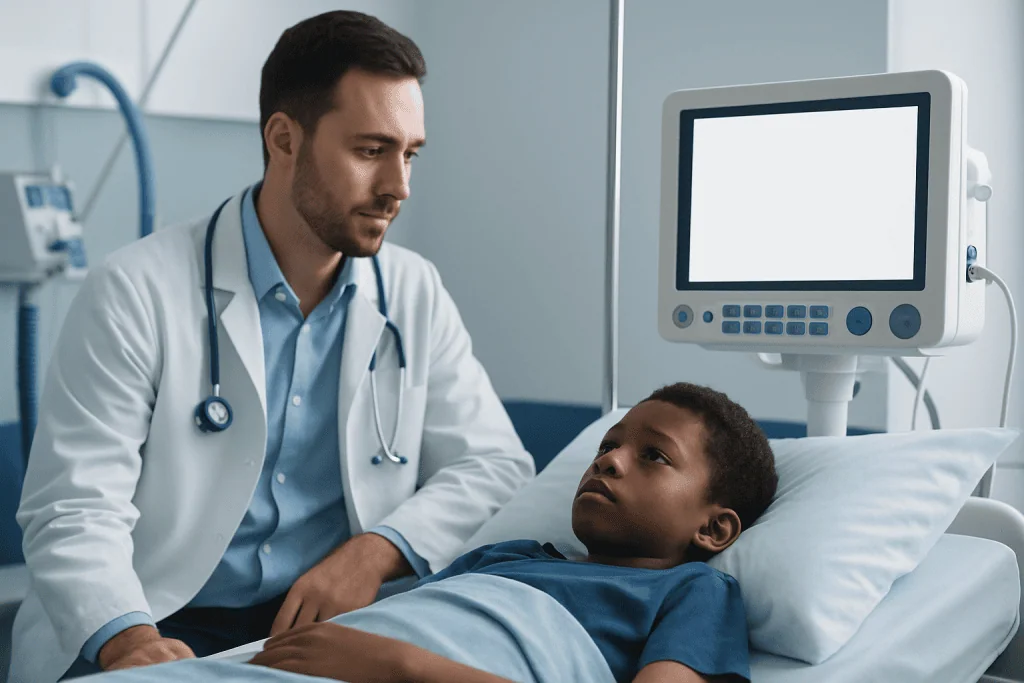
Children living in poverty may face a higher risk of physical health problems because they are more likely to experience poor nutrition, crowded living conditions, environmental exposures, and delays in receiving care. These factors can affect growth, energy levels, immune function, and recovery from illness. A child may miss routine checkups, vaccinations, dental visits, or follow-up appointments if transportation, cost, or scheduling are difficult.
Nutrition is one of the most important concerns. When access to healthy food is limited, children may not get enough protein, iron, vitamins, and other nutrients needed for brain and body development. Some children may be underweight or have slower growth, while others may develop overweight or obesity because lower-cost foods are often highly processed and less nutritious. Both undernutrition and unhealthy weight gain can affect long-term health.
Living conditions also matter. Damp or poorly ventilated homes can worsen breathing problems, and exposure to smoke, pollution, or pests may increase the risk of repeated infections or asthma. Limited opportunities for exercise and outdoor play can affect physical fitness, sleep, and overall well-being. Dental problems may also be more common when regular checkups and preventive care are harder to access.
- More frequent infections or delayed treatment
- Growth concerns or nutritional deficiencies
- Sleep problems due to crowded or unstable housing
- Dental decay and untreated oral pain
- Higher exposure to environmental irritants or allergens
Mental and Emotional Risks
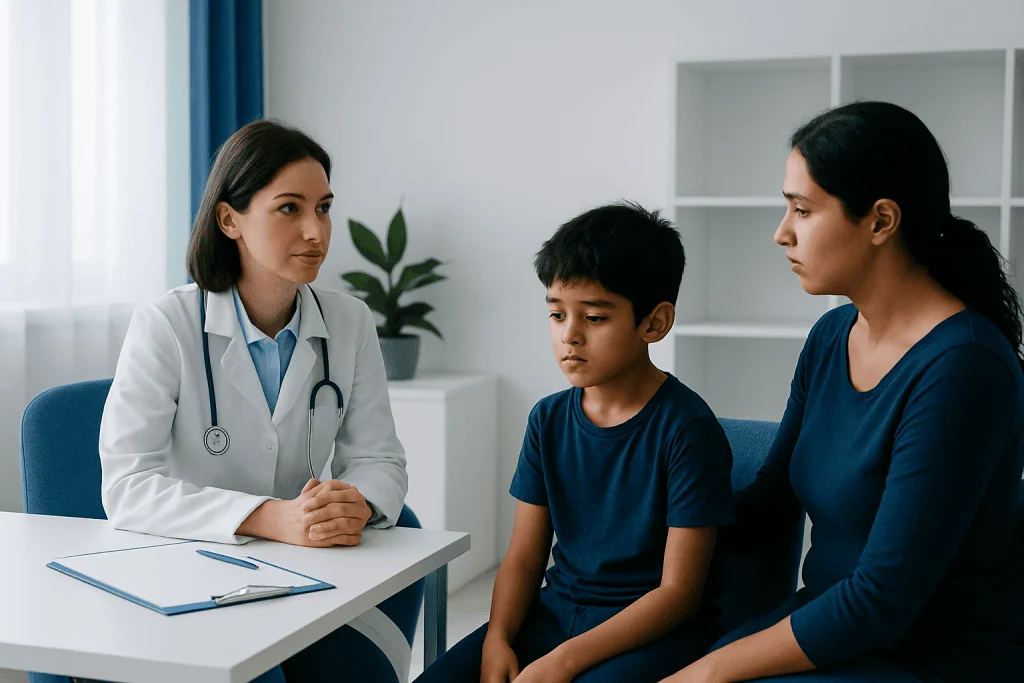
The mental health effects of poverty on children can be significant. Ongoing financial strain in the household may create chronic stress for both children and caregivers. Children often notice tension, uncertainty, or sudden changes in daily life, even when adults try to protect them. This can affect mood, attention, sleep, confidence, and behavior.
Stress that lasts for a long time can make it harder for a child to regulate emotions and feel secure. Some children become anxious, withdrawn, or sad. Others may show irritability, aggression, restlessness, or difficulty concentrating. These signs do not mean a child is “misbehaving” on purpose; they may reflect emotional overload, disrupted routines, poor sleep, or an unmet developmental need.
Poverty can also increase the risk of trauma exposure, including family instability, unsafe neighborhoods, bullying, or parental stress related to unemployment or illness. In some children, this may contribute to symptoms of anxiety, depression, or problems with attention and learning. Families may benefit from support from a pediatrician, school counselor, or child mental health professional, especially if symptoms are persistent or begin to affect daily life.
Effects on Growth, Learning, and Development
Healthy development depends on consistent nutrition, safe environments, sleep, language exposure, play, and emotionally responsive caregiving. Poverty can disrupt these conditions, especially in early childhood, when the brain is developing rapidly. If a child is dealing with hunger, untreated illness, frequent moves, or high levels of stress, it may be harder to focus, learn, and build social skills.
Developmental effects can appear in different ways. A younger child may have delays in speech, motor skills, or social interaction. An older child may struggle with attention, memory, planning, reading, or school attendance. Frequent school changes or absences can add to these difficulties by interrupting learning and support services.
Sleep is another important factor. Children who live in noisy, crowded, or unstable housing may not get enough restful sleep. Poor sleep can affect mood, immunity, appetite regulation, and academic performance. If there are concerns about delayed milestones, behavior, school struggles, or developmental differences, early evaluation is helpful. In some situations, a doctor may recommend developmental assessment, nutritional support, counseling, or pediatric rehabilitation services to support progress.
Why These Health Effects Happen
The health effects of poverty usually result from several related factors rather than one single cause. Public health experts often describe these influences as social determinants of health. These include income, education, housing, food access, healthcare access, employment, transportation, and the safety of the physical and social environment. For children, these everyday conditions strongly influence both immediate and long-term health outcomes.
Family stress can affect health indirectly as well. Caregivers who are under financial pressure may have less time, energy, or flexibility to arrange appointments, prepare meals, or respond calmly to behavioral challenges. This does not reflect a lack of care; it reflects the burden of stress. Supporting parents and caregivers is an important part of supporting children.
Certain health conditions may also become more difficult to manage in poverty. For example, a child with chronic breathing problems, diabetes, or developmental needs may need regular follow-up, medication, equipment, or therapy. Barriers to care can lead to missed treatment and more complications. A child who has emotional or behavioral symptoms may also need evaluation for ADHD or other conditions, because poverty-related stress and medical disorders can sometimes overlap.
How Doctors Assess and Support Children at Risk
There is no single test for the health effects of poverty. Instead, doctors look at the whole child, including growth, development, emotional health, sleep, school performance, family stress, and access to daily needs. Pediatric visits are a good time to discuss nutrition, housing concerns, behavior changes, learning difficulties, and any barriers to getting care. Honest conversations can help identify practical solutions.
Assessment may include a physical examination, growth measurements, developmental screening, vision and hearing checks, and questions about eating habits, sleep, mood, and school. Depending on symptoms, a doctor may recommend blood tests for anemia or nutritional deficiencies, breathing assessment, dental referral, counseling, or specialist follow-up. When needed, children may also be referred for pediatric check-up follow-up, social work support, or mental health care.
Support often works best when it is coordinated. Pediatricians, family doctors, school staff, psychologists, dietitians, speech therapists, and community organizations may all play a role. The goal is not only to treat illness, but also to strengthen the child’s environment by improving routines, access to services, and family support.
What Can Help: Treatment, Prevention, and Self-care
Reducing the impact of poverty on children’s health often involves practical support more than a single medical treatment. Helpful steps may include keeping up with routine healthcare, treating chronic conditions early, improving sleep habits, supporting healthy meals when possible, and connecting families with school and community resources. Even small changes can make a meaningful difference when they are consistent.
Parents and caregivers can focus on protective routines at home. Regular mealtimes, age-appropriate sleep schedules, reading together, active play, and calm daily structure can support emotional security and development. For older children, open conversations about stress and feelings may help them feel seen and supported. If mental health symptoms are affecting daily life, a doctor may recommend child and adolescent psychiatry or counseling.
Community support is also important. Food assistance programs, school meal programs, vaccination services, early childhood programs, housing support, and local family services can all reduce stress and improve health. Near the end of the care pathway, some families may seek specialist evaluation; Acibadem International’s multidisciplinary specialists and JCI-accredited hospitals diagnose and treat child health conditions for international patients when further assessment is needed.
- Attend routine pediatric and dental appointments
- Ask about support for food, transport, or school needs
- Keep regular sleep, meal, and homework routines
- Encourage active play and limit excess screen time when possible
- Seek help early for mood, learning, or behavior concerns
When to See a Doctor
A child should be seen by a doctor if there are concerns about poor growth, frequent infections, ongoing tiredness, breathing problems, dental pain, repeated stomachaches, headaches, or delayed development. Medical review is also important if a child seems persistently sad, anxious, withdrawn, aggressive, or unable to focus at home or school. Early assessment can help identify whether symptoms are linked to stress, a medical condition, or both.
Urgent medical attention is needed if a child has trouble breathing, signs of dehydration, thoughts of self-harm, severe behavioral changes, or any sudden worsening in physical or mental health. Caregivers should trust their instincts if something feels seriously wrong. It is always appropriate to ask for help.
Regular checkups matter even when a child does not seem obviously ill. Preventive care can identify problems before they become more serious and can connect families to support services. The earlier a child’s needs are recognized, the better the chance of improving health, development, and quality of life.
Frequently asked questions
Can poverty really affect a child’s physical health?
Yes. Poverty can make it harder to access healthy food, stable housing, preventive care, and treatment for illness. Over time, these challenges can affect growth, sleep, immunity, dental health, and the management of chronic conditions.
How does poverty affect a child’s mental health?
Long-term stress related to financial hardship can affect mood, attention, behavior, and emotional security. Some children may become anxious, sad, irritable, withdrawn, or have trouble concentrating at school and at home.
Are the effects of poverty on children permanent?
Not necessarily. Early support, stable relationships, healthcare, educational help, and community resources can reduce many risks and improve outcomes. The earlier concerns are recognized, the more likely a child is to benefit from support.
What signs should parents watch for?
Parents can look for poor weight gain, repeated illness, tiredness, sleep problems, school difficulties, behavior changes, sadness, anxiety, or developmental delays. Any persistent change in health, mood, or learning deserves attention from a qualified doctor.
What can families do if money is limited?
Families can start by keeping regular routines for meals, sleep, school attendance, and medical care as much as possible. It also helps to ask pediatricians, schools, and local services about food programs, mental health support, transportation help, and developmental resources.
Should a child see a doctor even if the main concern is stress?
Yes. Stress can affect both physical and emotional health, and children may show symptoms in different ways. A doctor can check for medical causes, assess development and mental well-being, and guide the family toward appropriate support.
References
- World Health Organization
- UNICEF
- American Academy of Pediatrics
- Centers for Disease Control and Prevention
- National Institute of Mental Health
This article is for general information only and is not a substitute for professional medical advice. Please consult a qualified doctor about your individual situation.
Explore treatments in Turkey — costs, top hospitals & a free quote
JCI-accredited · board-certified surgeons · reply within 24h
Add us as a Preferred Source to see more of our trusted health content across Google Search, AI Overviews and Discover.