Oncology Treatment Side Effects: What Is Common and How They Are Managed

Side effects vary by treatment type, dose, treatment area, and a person's overall health. Common issues include fatigue, nausea, appetite changes, skin reactions, pain, and higher infection risk.
Key Takeaways
- Side effects vary by treatment type, dose, treatment area, and a person's overall health.
- Common issues include fatigue, nausea, appetite changes, skin reactions, pain, and higher infection risk.
- Not every patient has the same experience, and many side effects can be prevented or eased.
- Early reporting helps the care team adjust treatment and provide supportive therapies.
- Self-care measures such as hydration, rest, nutrition, and infection prevention can make recovery easier.
Oncology treatment side effects can affect the body in different ways, depending on the type of cancer and the treatment used. Many side effects are temporary and can be reduced or managed with supportive care, careful monitoring, and timely communication with the medical team.
Overview
Oncology treatment side effects are unwanted physical or emotional changes that happen during or after cancer care. They can occur with chemotherapy, radiation therapy, surgery, targeted therapy, hormone therapy, immunotherapy, or stem cell transplantation. Some side effects start quickly, while others appear gradually or even after treatment has finished.
Side effects happen because cancer treatments may affect healthy cells as well as cancer cells. Fast-growing healthy cells, such as those in the hair follicles, digestive tract, skin, bone marrow, and mouth, are especially likely to be affected. This is why patients may notice changes such as tiredness, nausea, mouth sores, hair loss, or low blood counts.
It is important to remember that side effects differ widely from one person to another. A person’s age, general health, cancer type, treatment intensity, and previous medical conditions all play a role. Some people have mild symptoms, while others need more active support from their care team.
Common Side Effects of Cancer Treatment
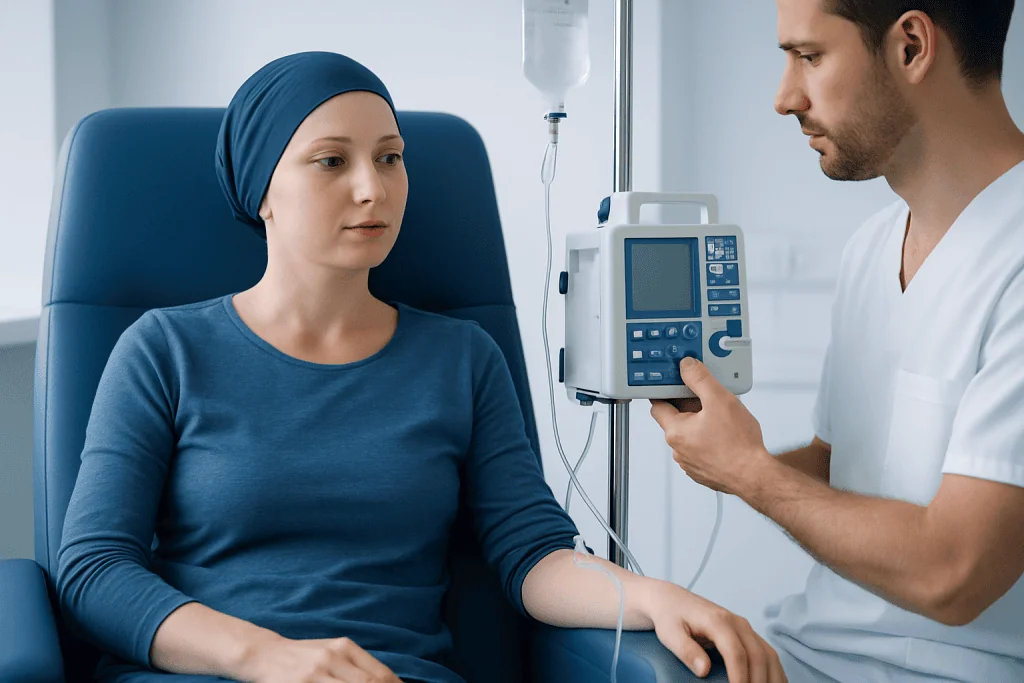
Many side effects are common across several types of cancer treatment. Fatigue is one of the most frequent and may feel different from ordinary tiredness. It can affect concentration, mood, daily activities, and sleep. Nausea, vomiting, constipation, diarrhea, and appetite changes are also common, especially with treatments that affect the digestive system.
Changes in the blood are another major group of side effects. Some treatments reduce the number of white blood cells, red blood cells, or platelets. This can increase the risk of infection, cause weakness or shortness of breath, and make bruising or bleeding more likely. Regular blood tests help doctors monitor these changes and respond quickly when needed.
Skin, hair, and mouth changes may also occur. Patients may notice hair thinning or hair loss, dry or itchy skin, sensitivity in the treated area, nail changes, or painful mouth sores. Nerve-related symptoms, such as tingling, numbness, or burning in the hands and feet, can happen with certain medicines and may affect daily comfort and mobility.
- Fatigue and sleep disturbance
- Nausea, vomiting, constipation, or diarrhea
- Appetite loss and weight changes
- Hair loss or thinning
- Mouth sores and taste changes
- Skin irritation or rashes
- Low blood counts and infection risk
- Numbness or tingling in hands and feet
How Side Effects Differ by Treatment Type
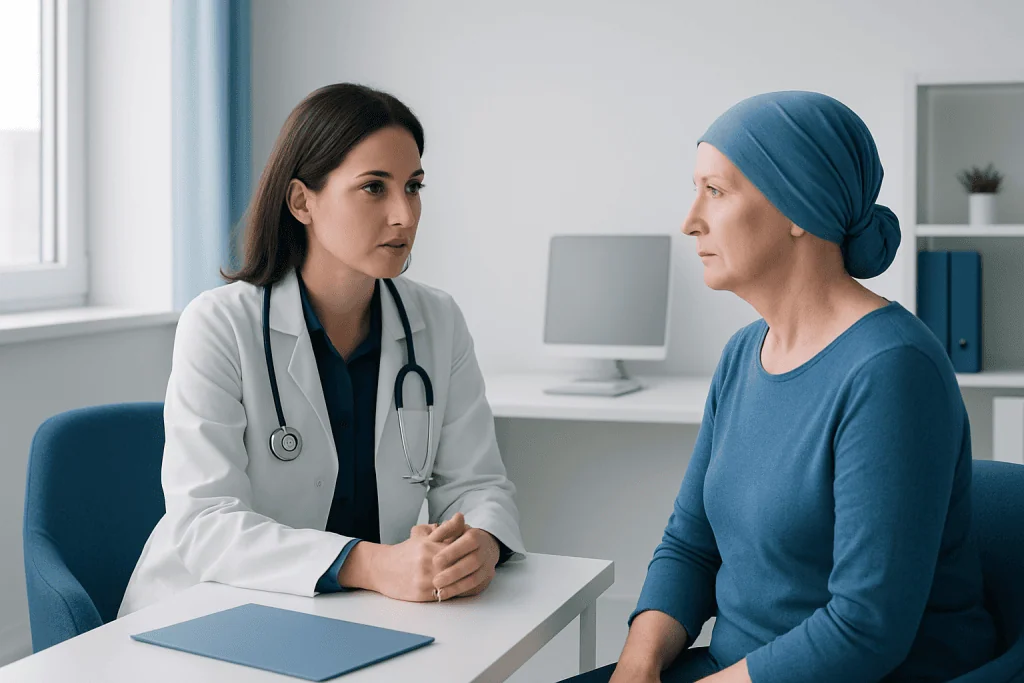
Different therapies tend to cause different patterns of side effects. Chemotherapy often affects fast-growing healthy cells, so it may lead to nausea, hair loss, low blood counts, fatigue, and mouth problems. Radiation therapy usually affects the area being treated, so symptoms often include skin irritation, tiredness, or local discomfort. For example, radiation to the head and neck may affect swallowing or saliva, while treatment to the abdomen may upset digestion.
Targeted therapy and immunotherapy work differently from traditional chemotherapy. Targeted therapy may cause skin changes, diarrhea, liver test abnormalities, or blood pressure changes, depending on the medicine used. Immunotherapy can trigger inflammation in different organs because it stimulates the immune system. This may affect the skin, lungs, bowel, thyroid, liver, or other tissues and should be reported promptly.
Surgery may cause pain, swelling, limited movement, and temporary changes linked to healing. Hormone therapy can lead to hot flashes, mood changes, joint discomfort, or bone thinning over time. In some patients, treatment plans combine several methods, such as chemotherapy, radiotherapy, or immunotherapy, which can increase the need for careful side effect management and follow-up.
How Doctors Assess and Monitor Side Effects
Assessment begins before treatment starts. The care team reviews the patient’s health history, current medicines, allergies, nutrition, and organ function. Blood tests and imaging may be used to establish a baseline. This helps the team compare any later changes and recognize treatment-related effects more accurately.
During treatment, regular check-ups are used to monitor symptoms, blood counts, hydration, weight, and organ function. Patients are often asked about pain, bowel habits, sleep, emotional well-being, and any changes in eating or daily routines. This information is important because even mild symptoms can become more serious if ignored.
Doctors may grade side effects by severity and decide whether treatment can continue as planned, needs to be delayed, or should be adjusted. In some situations, additional tests are needed to rule out infection, blood clots, dehydration, or problems related to the cancer itself. Careful monitoring helps treatment remain as safe and effective as possible.
Treatment and Management Options
Managing oncology treatment side effects usually involves supportive care alongside cancer treatment. This may include anti-nausea medicines, pain relief, fluids, nutritional support, medicines for diarrhea or constipation, and treatments to protect the stomach or mouth. When blood counts fall, doctors may recommend closer monitoring, infection precautions, blood transfusion support, or medicines that help the bone marrow recover in selected cases.
Non-drug support is also important. Dietitians can help with poor appetite, taste changes, weight loss, and swallowing problems. Physical activity, when appropriate, may reduce fatigue and help maintain strength. Oral care, skin protection, sleep routines, and emotional support can all improve comfort during treatment. Rehabilitation and mental health support may also be part of recovery for some patients.
Sometimes the cancer treatment itself must be adjusted. A dose may be lowered, the schedule changed, or a short treatment break recommended. This does not always mean treatment is failing. Instead, it may be the safest way to protect the patient and make ongoing care more tolerable. In more complex cases, management may involve a broader medical oncology team and other specialists working together.
Near the end of active treatment, some patients continue to need help with longer-lasting effects such as nerve symptoms, fatigue, menopause-like symptoms, or bowel changes. If symptoms relate to the cancer as well as its treatment, doctors may also evaluate for conditions such as cancer progression or treatment complications before deciding on the best next step.
Self-care and Prevention Tips
Although not all side effects can be prevented, some practical steps may reduce their impact. Drinking enough fluids, eating regular small meals, and choosing foods that are easy to tolerate can help with weakness and digestive symptoms. Gentle activity, rest breaks, and keeping a consistent sleep schedule may make fatigue easier to manage.
Infection prevention is especially important when immunity is reduced. Patients should wash their hands often, avoid close contact with people who are ill, and follow the medical team’s advice about food safety and crowded places. Mouth care with gentle brushing and recommended rinses can lower the risk of sores and discomfort. Skin should be protected from irritation and sun exposure, especially during radiation therapy.
Keeping a symptom diary can be very helpful. Writing down when a symptom starts, how long it lasts, what makes it better or worse, and whether there is fever, pain, or breathing difficulty gives doctors useful information. Patients should not start vitamins, herbal products, or over-the-counter medicines without asking their oncology team, because some products can interact with treatment.
When to Contact a Doctor
Some side effects need prompt medical attention. Patients should contact their care team if they have fever, chills, shortness of breath, chest pain, uncontrolled vomiting, severe diarrhea, dehydration, confusion, heavy bleeding, sudden weakness, or signs of an allergic reaction. These symptoms do not always mean a serious problem, but they should be checked without delay.
It is also important to report symptoms that are persistent or worsening, even if they seem mild at first. Ongoing pain, worsening fatigue, mouth sores that prevent eating, new numbness, yellowing of the skin, severe rash, or a new cough may need treatment changes or further testing. Early support often prevents complications and improves quality of life.
For international patients who need coordinated evaluation and treatment, Acibadem International’s multidisciplinary specialists and JCI-accredited hospitals provide diagnosis, cancer care, and supportive management for treatment side effects. Clear communication with the oncology team remains one of the best tools for staying safe and supported throughout treatment.
Frequently asked questions
Are oncology treatment side effects always severe?
No. Side effects range from very mild to more noticeable, and some people have fewer problems than expected. The type of treatment, the dose, the treatment area, and general health all influence how side effects appear.
How long do cancer treatment side effects last?
Some side effects last only a few days, while others continue throughout treatment. Certain effects improve soon after treatment ends, but a smaller number can last longer and may need ongoing follow-up.
Can side effects be prevented completely?
Not always, but many can be reduced or managed well. Doctors often use preventive medicines, supportive care, and regular monitoring to lower the risk or lessen the severity of common problems.
Should a patient stop treatment if side effects appear?
A patient should not stop cancer treatment without medical advice. The oncology team can decide whether symptoms can be managed, whether the dose should change, or whether a temporary pause is needed.
What side effects need urgent medical attention?
Fever, trouble breathing, chest pain, severe vomiting or diarrhea, dehydration, sudden confusion, heavy bleeding, and allergic reactions should be reported urgently. These symptoms can have different causes, but they need prompt assessment.
Do all cancer treatments cause hair loss?
No. Hair loss is more common with some chemotherapy drugs, but not all cancer treatments cause it. Radiation therapy usually affects hair only in the treated area, and some targeted or immune treatments may not cause significant hair loss at all.
References
- World Health Organization
- National Cancer Institute
- American Cancer Society
- European Society for Medical Oncology
- American Society of Clinical Oncology
This article is for general information only and is not a substitute for professional medical advice. Please consult a qualified doctor about your individual situation.
Oncology care in Turkey — second opinion and treatment plan
JCI-accredited · board-certified surgeons · reply within 24h
Add us as a Preferred Source to see more of our trusted health content across Google Search, AI Overviews and Discover.
Check your numbers in seconds
BMI, calories, due date, blood pressure and 30+ more clinical calculators — free, instant, doctor-reviewed ranges.

Medical Oncology Department
Medical treatment of cancer with chemotherapy, immunotherapy and targeted therapies under a multidisciplinary tumor board.
60 specialists in this unit