

Pediatrician Near Me: What Families Should Look For

A good pediatrician offers preventive care, sick visits, developmental monitoring, and family guidance. Families should consider credentials, communication style, office access, and emergency support when choosing a pediatrician.
Key Takeaways
- A good pediatrician offers preventive care, sick visits, developmental monitoring, and family guidance.
- Families should consider credentials, communication style, office access, and emergency support when choosing a pediatrician.
- It helps to ask practical questions about appointments, vaccines, after-hours care, and referrals before deciding.
- Children should see a pediatrician regularly for well-child visits, growth checks, and recommended immunizations.
- Parents should seek prompt medical advice for breathing problems, dehydration, high fever in young infants, or concerning behavior changes.
Searching for a pediatrician is about more than location alone. Families often do best with a doctor who combines medical expertise, good communication, convenient access, and a care style that fits the child’s needs from newborn care through adolescence.
Overview
When families search for a pediatrician near me, they are usually looking for more than the closest clinic. A pediatrician is a doctor trained to care for infants, children, and adolescents. This includes routine checkups, vaccines, growth and development monitoring, treatment of common illnesses, and guidance on nutrition, sleep, behavior, and safety.
The right pediatrician often becomes a long-term partner in a child’s health. Over time, this doctor learns the child’s medical history, tracks milestones, and helps parents make informed decisions. This ongoing relationship can make it easier to spot changes early and coordinate care if a child needs testing or a specialist.
Families may have different priorities depending on the child’s age and health needs. Parents of newborns may focus on feeding support and newborn follow-up. Families with school-age children may want easy same-day visits for infections or injuries. Parents of teenagers may value a doctor who communicates respectfully and supports growing independence.
What a Pediatrician Does
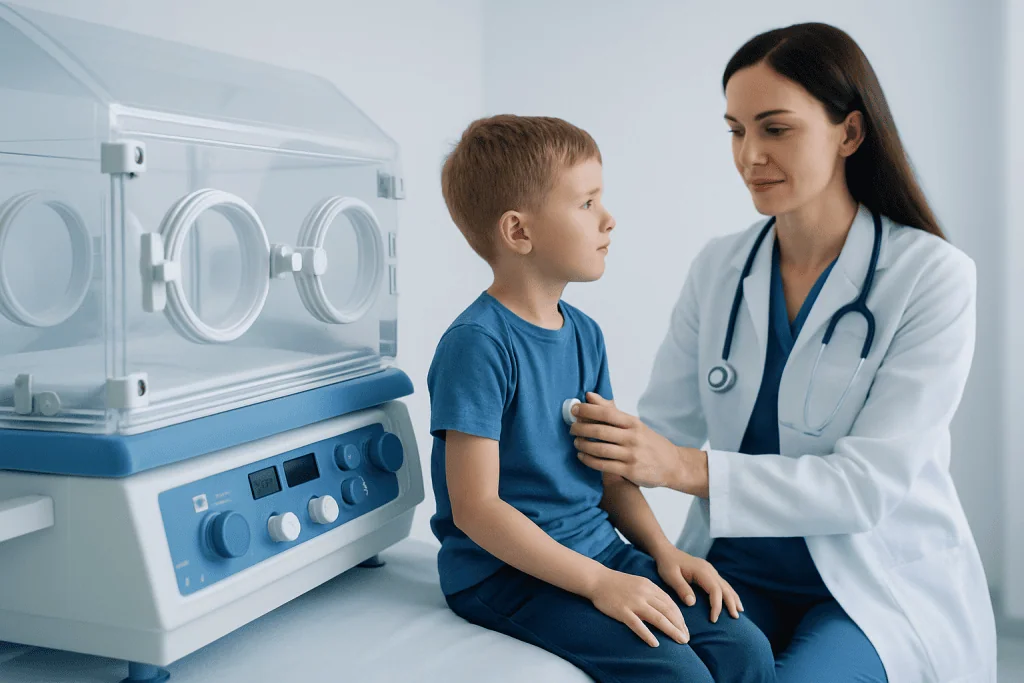
Pediatricians provide preventive care as well as treatment for illness. Preventive care includes regular well-child visits, developmental screening, hearing and vision checks, and advice on healthy habits. These visits are also a time for parents to ask questions about feeding, toilet training, sleep routines, school concerns, emotional well-being, or sports participation.
When a child becomes sick, a pediatrician can assess common problems such as fever, cough, ear pain, sore throat, rash, vomiting, diarrhea, or minor injuries. They can also manage long-term conditions such as asthma, allergies, eczema, or weight concerns, and they coordinate referrals when a child needs another specialist.
In many cases, the pediatrician also helps families understand when symptoms are mild and can be monitored at home, and when they need urgent care. This balance is reassuring for parents and can prevent unnecessary stress while still ensuring that important warning signs are not missed.
- Well-child checkups and immunizations
- Growth and developmental monitoring
- Diagnosis and treatment of common childhood illnesses
- Management of chronic conditions
- Referrals to pediatric specialists when needed
What Families Should Look For
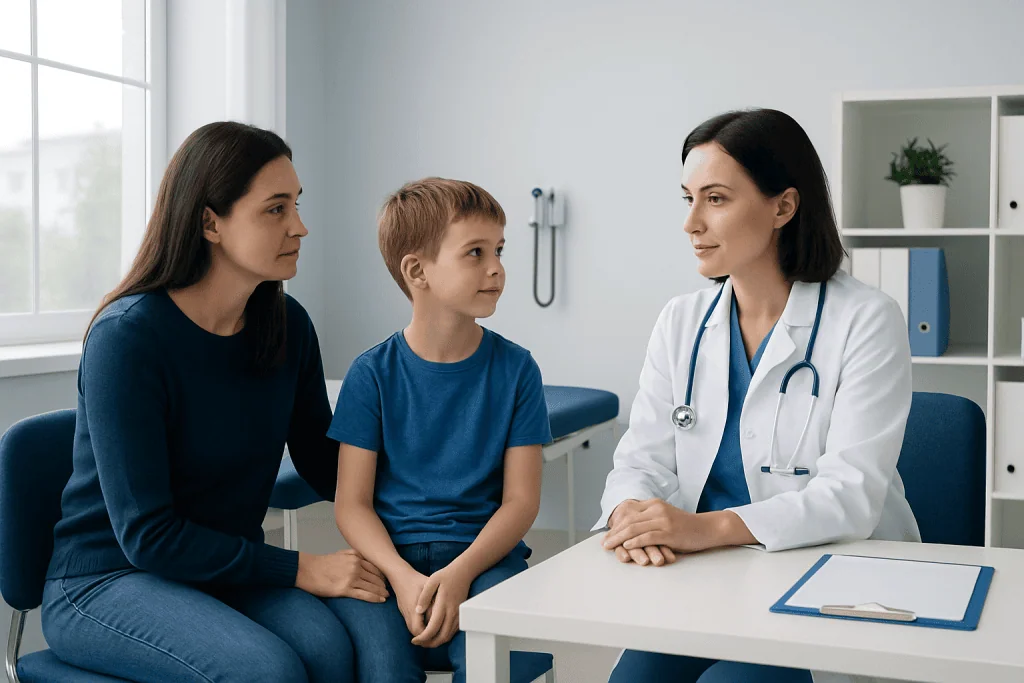
Professional qualifications are an important starting point. Families often look for a pediatrician with recognized training in child health, an up-to-date license, and a practice that follows standard vaccination and preventive care recommendations. Experience with a child’s age group can also matter, especially for newborn care, adolescent health, or children with ongoing medical needs.
Communication style is just as important as credentials. Many parents prefer a pediatrician who listens carefully, explains clearly, and welcomes questions. A good fit often means the family feels respected rather than rushed. Children, especially older ones, may also respond better to a doctor who speaks directly to them in an age-appropriate and reassuring way.
Practical details can strongly affect daily life. Families may wish to check office hours, same-day sick visit availability, after-hours phone advice, language support, and how easy it is to contact the clinic. Access to imaging, lab tests, or specialist referrals may also be helpful. In some settings, coordination with services such as child health check-ups and screening can make preventive care more straightforward.
It is also helpful to consider the overall care environment. A child-friendly clinic, supportive staff, clear vaccination policies, and efficient scheduling can improve the experience for both children and parents. For families with complex concerns, access to broader services such as pediatric rehabilitation or multidisciplinary support may be important.
Questions to Ask Before Choosing a Pediatrician
Before registering with a clinic, many families find it useful to schedule a brief introductory visit or call. This can help them understand how the office works and whether the doctor’s approach matches their expectations. Even a short conversation can reveal whether communication feels comfortable and clear.
Common questions include how often the office offers same-day appointments, what happens after hours, whether vaccinations are provided on site, and how emergencies should be handled. Parents may also ask about referral pathways, especially if a child already has allergies, asthma, developmental concerns, or another chronic condition.
For newborns and younger children, families may want to ask about feeding support, growth checks, and milestone monitoring. For school-age children and teenagers, topics may include sports forms, school health advice, behavior concerns, and privacy during adolescent visits. A practical and transparent answer to these questions often helps parents feel more confident in their choice.
- How are urgent sick visits handled?
- Is there after-hours advice by phone or online?
- How does the practice manage vaccines and preventive screenings?
- What is the process for referrals to specialists?
- How does the doctor communicate test results and follow-up plans?
Routine Visits, Development, and Preventive Care
Regular pediatric visits are a key part of keeping children healthy. These appointments monitor growth, development, nutrition, sleep, hearing, vision, and emotional well-being. They also provide an opportunity for age-appropriate screening and guidance on injury prevention, school readiness, digital habits, and healthy routines.
Developmental follow-up is especially important in early childhood. Pediatricians watch for milestones in movement, language, social interaction, and learning. If concerns arise, early assessment can help families access support sooner. Depending on the issue, the doctor may guide the family toward services related to child development assessment or further specialist care.
Vaccination is another central part of preventive pediatrics. Immunizations help protect children and the wider community from serious infectious diseases. Pediatricians can explain the recommended schedule, possible mild side effects, and what to expect after vaccination in a calm, practical way.
Preventive visits also support long-term health habits. Discussions about balanced eating, physical activity, sleep, oral hygiene, sun protection, and mental well-being can shape a child’s overall health as they grow. These conversations are often most effective when they happen regularly rather than only when a child is ill.
When to See a Pediatrician Soon
Parents often wonder whether a symptom can be watched at home or needs medical attention. In general, a pediatrician should be contacted for ongoing fever, ear pain, breathing symptoms, repeated vomiting, signs of dehydration, worsening rash, unusual tiredness, or any symptom that is not improving as expected. Newborns and very young infants usually need earlier assessment because symptoms can change more quickly in this age group.
Urgent medical care is important if a child has difficulty breathing, blue lips, severe dehydration, a seizure, confusion, a serious injury, or is difficult to wake. A fever in a very young infant should also be assessed promptly according to local medical advice. Parents know their child best, and it is reasonable to seek help if something seems seriously wrong even when the cause is unclear.
Some children need pediatric follow-up more often because of recurring or chronic concerns. Examples include asthma, poor growth, developmental delays, frequent infections, or persistent digestive symptoms. In such cases, a pediatrician may also evaluate for conditions such as childhood asthma or coordinate further testing if needed.
Choosing the Right Fit for the Whole Family
The best pediatrician is not always the nearest one, but the one who combines sound medical care with a good relationship and reliable access. Families often feel more comfortable when they trust the doctor’s judgment, understand the care plan, and know how to reach help when a child is unwell. This trust can make routine care smoother and difficult moments less stressful.
It is normal to reassess over time. A family’s needs may change as children grow, start school, develop chronic conditions, or move to a new area. If parents feel their concerns are not being heard or practical access is too difficult, it may be appropriate to look for a better fit.
For families seeking coordinated pediatric care across specialties, Acibadem International’s multidisciplinary specialists and JCI-accredited hospitals diagnose and treat children and adolescents, including international patients. This may be helpful when a child needs broader evaluation, specialist input, or continuity between routine pediatric care and advanced services.
Ultimately, the goal is a partnership that supports the child’s physical, emotional, and developmental health. A thoughtful choice now can help families feel informed, supported, and confident throughout each stage of childhood.
Frequently asked questions
What is the difference between a pediatrician and a family doctor?
A pediatrician focuses on the health of infants, children, and adolescents. A family doctor cares for people of all ages, which can be convenient for households that prefer one clinic for everyone. Both can provide routine care, but pediatricians have specialized training in child development and childhood illnesses.
When should a baby first see a pediatrician?
A newborn usually needs medical follow-up soon after birth, often within the first few days after leaving the hospital. The exact timing depends on the baby’s age, feeding, weight, and any medical concerns. Parents should follow the birth team’s discharge advice and arrange regular well-baby visits after that.
How often should children have routine pediatric checkups?
Children need regular well-child visits throughout infancy, childhood, and adolescence. These visits are usually more frequent in the first years of life and then continue at regular intervals as the child grows. A pediatrician can explain the recommended schedule based on the child’s age and health needs.
What should parents bring to a first pediatric appointment?
It helps to bring vaccination records, previous medical notes if available, a list of medications, allergy information, and any questions the family wants to discuss. For newborns, feeding details, birth information, and hospital discharge paperwork may also be useful. Clear background information helps the doctor understand the child’s health from the start.
Can a pediatrician help with behavior, sleep, or development concerns?
Yes. Pediatricians commonly advise parents on sleep routines, toilet training, feeding issues, behavior changes, school concerns, and developmental milestones. If needed, they can recommend screening, further assessment, or referral to an appropriate specialist service.
When should parents seek urgent care instead of waiting for a routine appointment?
Urgent care is important if a child has trouble breathing, signs of severe dehydration, a seizure, serious injury, confusion, or is hard to wake. Very young infants with fever usually need prompt assessment as well. If parents are unsure, calling a pediatric clinic or urgent medical service for guidance is a sensible step.
References
- American Academy of Pediatrics
- Centers for Disease Control and Prevention
- World Health Organization
- National Institute for Health and Care Excellence
- HealthyChildren.org
This article is for general information only and is not a substitute for professional medical advice. Please consult a qualified doctor about your individual situation.
Explore treatments in Turkey — costs, top hospitals & a free quote
JCI-accredited · board-certified surgeons · reply within 24h
Add us as a Preferred Source to see more of our trusted health content across Google Search, AI Overviews and Discover.

Pediatrics
Complete healthcare for infants, children and adolescents across all sub-specialties.
232 specialists in this unitMore from the Health Library



Related Specialists

Dr. Mithat Ulay
Aesthetic Plastic & Reconstructive Surgery
Assoc. Prof. Dr. Nicel Taşdemir
Gynecology & Obstetrics
Ody. Kübra Araç Yazıcı
Audiology
Dr. Chasan Ismail Basa
Emergency Service