Rehab in Turkey: What International Patients Should Expect
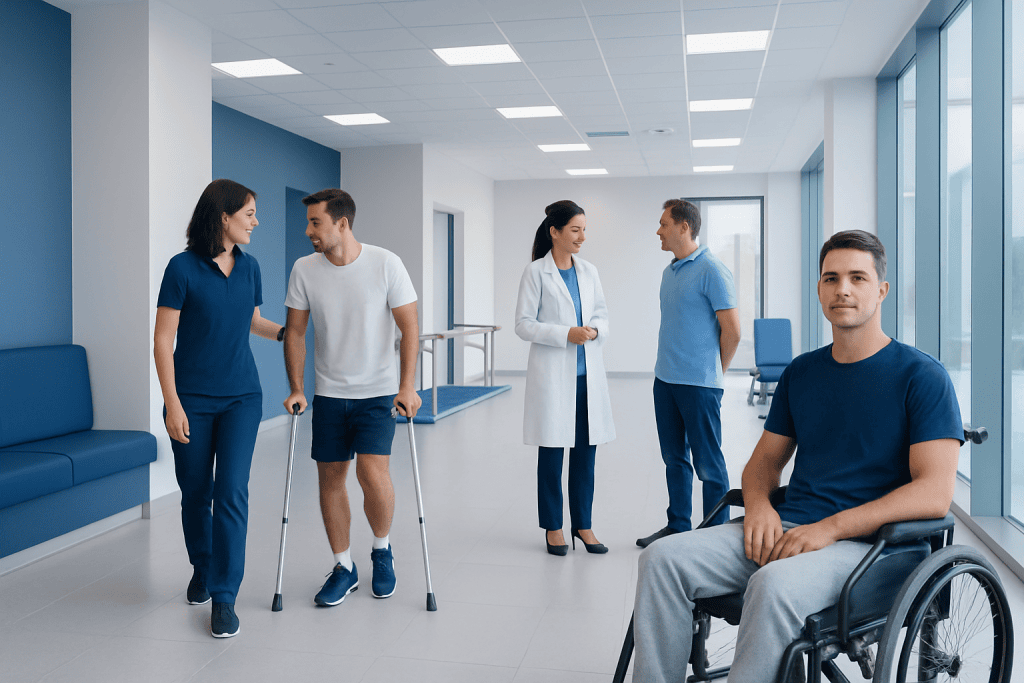
Rehabilitation plans are individualized based on diagnosis, functional goals, and overall health. Programs may include physical therapy, occupational therapy, speech therapy, pain management, and medical monitoring.
Key Takeaways
- Rehabilitation plans are individualized based on diagnosis, functional goals, and overall health.
- Programs may include physical therapy, occupational therapy, speech therapy, pain management, and medical monitoring.
- International patients should ask about duration, daily schedule, interpreter support, accommodation, and follow-up before travel.
- Recovery often continues after discharge with home exercises, telemedicine, and local medical follow-up.
- Choosing an experienced multidisciplinary team can support safer and more coordinated rehabilitation.
Rehab in Turkey can help international patients recover after surgery, injury, or neurological illness through structured therapy and medical follow-up. Knowing what to expect before, during, and after rehabilitation can make the process smoother, safer, and more effective.
Overview of rehab in Turkey
Rehabilitation is a medical process that aims to restore function, reduce pain, improve independence, and support quality of life after illness, injury, or surgery. For international patients, rehab in Turkey may be part of treatment after orthopedic surgery, stroke, spinal problems, sports injuries, intensive care stays, or chronic pain conditions. The focus is not only on healing tissues, but also on helping the person return to daily activities as safely and confidently as possible.
Rehabilitation programs vary widely. Some patients need a short course of outpatient therapy, while others benefit from an inpatient stay with daily sessions and closer medical supervision. A program may include physical therapy, occupational therapy, speech and swallowing therapy, respiratory support, pain management, psychological support, and nursing care, depending on the underlying condition.
Turkey is a destination some international patients consider because it offers specialist care, modern hospitals, and coordinated treatment pathways. In many cases, rehabilitation is planned together with the original treatment so that recovery begins early. This can be especially important after procedures involving joints, the spine, the brain, or prolonged immobility.
Who may need rehabilitation
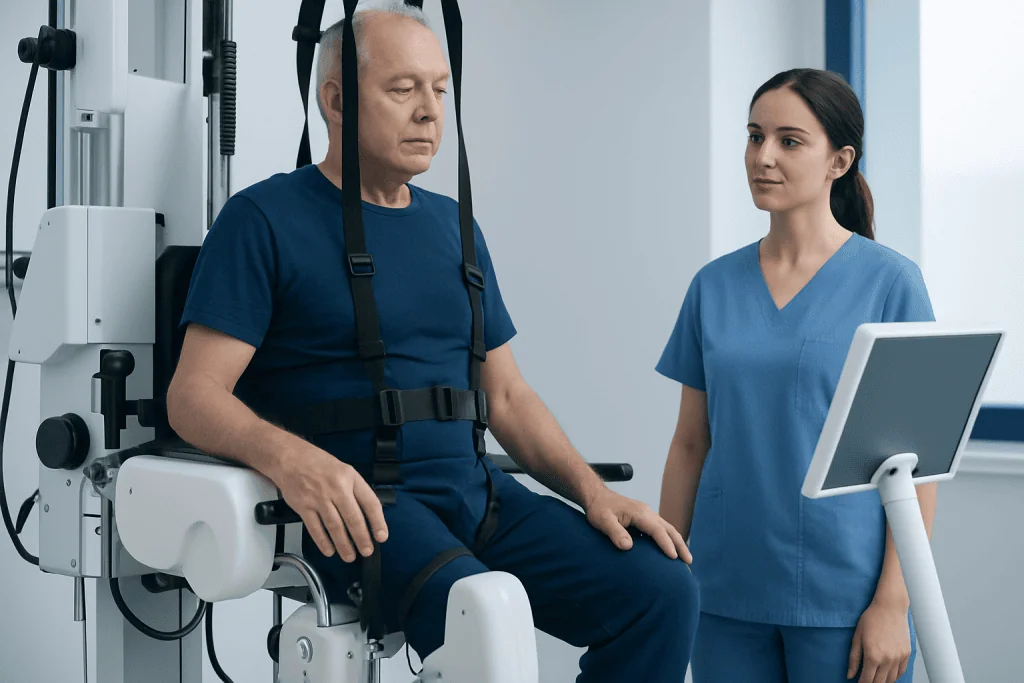
Rehabilitation can be appropriate for many different health needs. Common examples include recovery after joint replacement, fracture surgery, ligament repair, spinal surgery, stroke, traumatic brain injury, nerve disorders, prolonged hospitalization, and severe deconditioning. People living with chronic musculoskeletal pain, balance problems, or reduced mobility may also benefit from a structured rehabilitation plan.
The goals of rehab depend on the person’s diagnosis and stage of recovery. One patient may need help standing and walking again, while another may be working on arm strength, coordination, speech, swallowing, or self-care skills such as dressing and bathing. Some people also need education on energy conservation, safe movement, assistive devices, and returning to work or travel.
Rehabilitation is often relevant after major procedures such as knee replacement, hip replacement, or spine surgery. It can also be important after neurological conditions such as stroke. In these situations, early and well-organized therapy may help prevent stiffness, weakness, and avoidable complications while supporting a steadier recovery.
What the assessment and treatment plan usually include
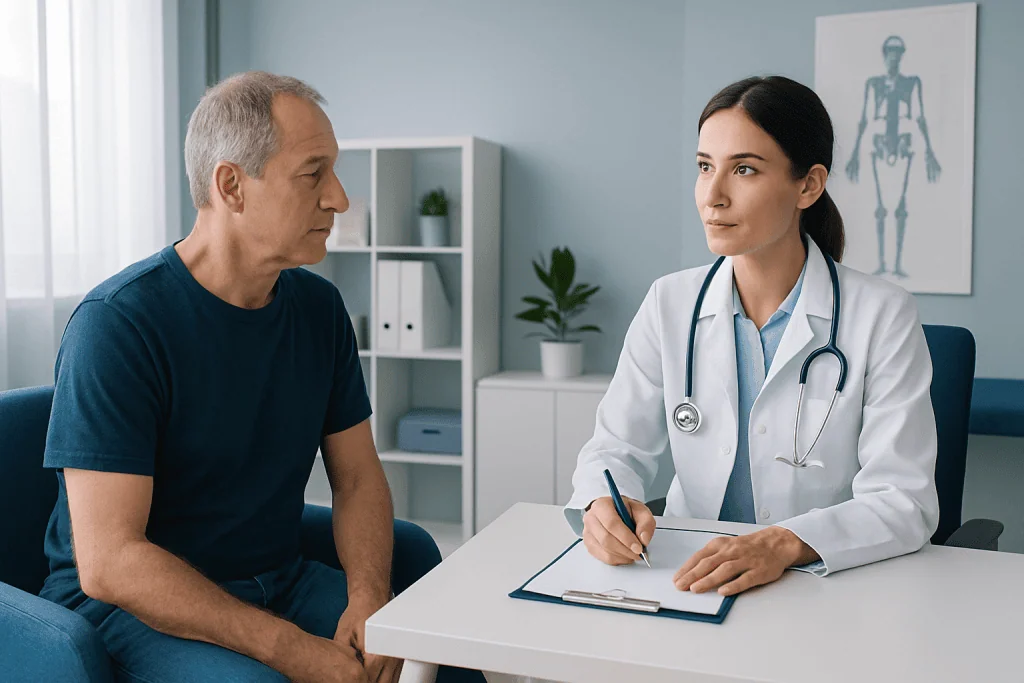
Rehab usually begins with a detailed assessment. The rehabilitation team reviews the medical diagnosis, recent procedures, imaging or test results, medications, pain level, mobility, muscle strength, balance, endurance, and daily function. The team also considers the patient’s age, general fitness, home environment, travel plans, and personal goals. This evaluation helps decide whether inpatient or outpatient rehab is most appropriate and how intensive therapy should be.
After assessment, the team creates an individualized treatment plan with realistic short-term and longer-term goals. Goals might include walking independently, improving joint movement, reducing pain, climbing stairs, using the hand more effectively, swallowing safely, or performing daily tasks with less assistance. Plans are adjusted over time as the patient improves or if new needs appear.
A rehabilitation plan may include several components:
- Physical therapy for strength, flexibility, gait training, posture, and balance
- Occupational therapy for daily activities, hand function, and adaptive strategies
- Speech and language therapy for communication or swallowing problems
- Pain management using medicines, exercise, positioning, and other supportive measures
- Medical monitoring for wound care, circulation, breathing, fatigue, nutrition, and chronic conditions
- Education for the patient and family on safety, exercises, and recovery expectations
For international patients, the planning stage is also a good time to ask practical questions. These may include how many sessions are expected each day, whether an interpreter is available, what equipment may be needed after discharge, and how follow-up will be arranged once the patient returns home.
What daily rehab may look like for international patients
The daily routine depends on the condition being treated and whether the patient is in hospital, in a dedicated rehabilitation unit, or attending outpatient sessions. Inpatient rehabilitation often involves one or more therapy sessions each day, spaced to allow rest and recovery. Outpatient programs may involve scheduled visits several times a week, with home exercises on non-therapy days.
Sessions are typically hands-on and goal-oriented. A physical therapy visit may include joint movement exercises, strengthening, gait training, balance work, stair practice, or breathing exercises. Occupational therapy may focus on washing, dressing, transfers, safe kitchen tasks, or hand coordination. If speech or swallowing is affected, therapy may include communication exercises and strategies to make eating and drinking safer.
Recovery is not always linear. It is common to feel tired, sore, or temporarily frustrated, especially early in the process. A good rehabilitation team explains what level of discomfort may be expected, how progress is measured, and which warning signs should be reported promptly. Rest, sleep, hydration, nutrition, and emotional support are all part of rehabilitation, not separate from it.
International patients often need additional coordination around accommodation, transportation, and timing of return travel. The clinical team may advise delaying long flights until the patient can move more comfortably and any immediate postoperative or medical risks are lower. Before discharge, patients should understand mobility precautions, medication instructions, exercise routines, and how to seek help if symptoms change.
Benefits, limitations, and possible challenges
Rehabilitation can support recovery in several ways. It may improve strength, range of motion, balance, coordination, endurance, speech, and independence with daily activities. It may also help reduce pain, lower the risk of falls, support safer movement, and build confidence during recovery. For many patients, the biggest benefit is practical: gaining the ability to return to routine tasks and participate more fully in work, family life, and travel.
At the same time, rehabilitation has limits. It does not reverse every condition completely, and progress may be slower in older adults, people with multiple health issues, or those recovering from severe neurological injury. Results also depend on factors such as the original diagnosis, timing of treatment, consistency with exercises, nutrition, mood, sleep, and support at home.
International patients may face additional challenges, including language differences, travel fatigue, and the need to continue recovery after returning home. It is helpful to ask early whether written exercise plans, digital reports, or telemedicine check-ins will be available. Patients should also discuss insurance coverage, expected timelines, and what symptoms would require urgent medical review during travel or after discharge.
Preparing for rehab and supporting recovery after discharge
Preparation begins before arrival whenever possible. Patients should bring recent medical records, imaging reports, medication lists, allergy information, and details of prior treatments. Comfortable clothing, supportive footwear, and any commonly used mobility aids can also be helpful. Before travel, it is wise to confirm whether the program includes accommodation support, interpreter services, nutritional planning, and transportation between hospital and lodging.
After discharge, recovery usually continues for weeks or months. Home exercise programs are often a central part of progress. Patients may also need follow-up appointments, wound checks, medication review, repeat imaging, or community-based therapy in their home country. Continuing the plan consistently is often just as important as the formal sessions completed during the stay.
Self-care supports rehabilitation. Depending on the condition, this may include regular movement, gradual increases in activity, adequate protein and fluid intake, good sleep habits, smoking cessation, and protecting the healing area from strain. Patients should follow the advice of their own rehabilitation team rather than comparing their recovery with someone else’s timeline.
Near the end of treatment, some centers provide a discharge summary and recommendations for ongoing care. Acibadem International’s multidisciplinary specialists and JCI-accredited hospitals diagnose and treat patients who need rehabilitation support, including coordinated planning for international follow-up when appropriate.
When to contact a doctor during recovery
Most rehabilitation involves expected ups and downs, but some symptoms need prompt medical attention. Patients should contact a doctor if they develop new or worsening weakness, severe or rapidly increasing pain, chest pain, breathing difficulty, confusion, fainting, fever, wound redness or drainage, calf swelling, or sudden trouble speaking. These symptoms may indicate a complication that should not be managed with exercises alone.
Patients should also seek advice if progress stalls for a prolonged period, if pain medication is not working as expected, or if exercises consistently make symptoms worse. In some cases, the treatment plan needs to be modified, the intensity reduced, or further testing arranged. Speaking up early can help prevent setbacks.
Before leaving Turkey, international patients should know exactly who to contact with questions, how to get copies of records, and whether remote follow-up is available. Having a local physician or therapist at home is also helpful, especially for longer recoveries. Good communication between teams can make rehabilitation safer and more continuous across borders.
Frequently asked questions
How long does rehab in Turkey usually take?
The length of rehabilitation depends on the condition, the type of treatment already received, and the person’s starting level of function. Some patients need only a few outpatient sessions, while others benefit from several weeks of structured therapy. The rehabilitation team usually reviews progress regularly and adjusts the timeline as needed.
Is inpatient or outpatient rehab better for international patients?
Neither option is best for everyone. Inpatient rehab may be more suitable for people who need close medical monitoring, help with daily activities, or more intensive therapy after major surgery or neurological illness. Outpatient rehab may work well for patients who are medically stable and can travel safely to appointments.
What should international patients bring to a rehabilitation program?
It is helpful to bring medical records, imaging reports, medication lists, allergy information, and contact details for current doctors. Comfortable clothing, flat supportive shoes, and any braces or mobility aids already in use are also important. If language support is needed, patients should ask in advance about interpreter services.
Will rehabilitation be painful?
Some discomfort can be part of recovery, especially when stiff joints or weak muscles start moving more. However, rehabilitation should be guided carefully and should not involve uncontrolled or severe pain. Patients should tell the team if pain feels sharp, worsening, or very different from what was expected.
Can rehab continue after returning home?
Yes, and this is often an important part of recovery. Many patients continue with a home exercise program, outpatient therapy locally, and follow-up with their surgeon or rehabilitation doctor. Written plans and discharge summaries can help local clinicians continue care more smoothly.
Is rehab only for people after surgery?
No. Rehabilitation is also used after stroke, nerve injuries, serious illness, falls, chronic pain, and periods of prolonged bed rest. The main goal is to improve function and independence, whether or not surgery was involved.
References
- World Health Organization
- National Institute of Neurological Disorders and Stroke
- American Academy of Orthopaedic Surgeons
- National Health Service
- American Physical Therapy Association
This article is for general information only and is not a substitute for professional medical advice. Please consult a qualified doctor about your individual situation.
Joint and spine care in Turkey — expert assessment & treatment
JCI-accredited · board-certified surgeons · reply within 24h
Add us as a Preferred Source to see more of our trusted health content across Google Search, AI Overviews and Discover.