What Is Wind Technology and How Is It Used in Health Facilities?

Wind technology in healthcare most often relates to ventilation, airflow control, and building design. Good airflow helps support indoor air quality, comfort, and infection prevention.
Key Takeaways
- Wind technology in healthcare most often relates to ventilation, airflow control, and building design.
- Good airflow helps support indoor air quality, comfort, and infection prevention.
- Hospitals usually rely on carefully engineered mechanical ventilation, sometimes combined with natural airflow strategies.
- Some health facilities also use wind energy to reduce environmental impact and improve energy resilience.
- Wind-based design must be adapted to each area of a facility, especially operating rooms, isolation rooms, and public spaces.
Wind technology in health facilities refers to the ways air movement and wind-related systems are used to support patient comfort, indoor air quality, infection control, and building efficiency. In some settings, it can also include the use of wind energy as part of a hospital’s wider sustainability strategy.
Overview
Wind technology in health facilities is a broad term that usually refers to how air movement is managed inside and around healthcare buildings. In practice, this includes ventilation systems, pressure-controlled rooms, air exchange strategies, window and façade design, and in some cases the use of wind power to support a facility’s energy needs. The main goals are to create a safe, comfortable, and efficient environment for patients, visitors, and staff.
In healthcare, airflow is not just about comfort. It plays an important role in indoor air quality, temperature control, humidity balance, and reducing the spread of airborne particles. This is especially important in spaces such as waiting areas, patient rooms, intensive care units, operating theatres, and isolation rooms, where air quality requirements may differ.
Modern hospitals generally use advanced mechanical systems to control airflow very precisely. However, architects and engineers may also use natural ventilation principles, local climate patterns, and building orientation to improve performance. In this sense, wind technology brings together medical safety, environmental design, and energy management.
How wind technology is used in health facilities
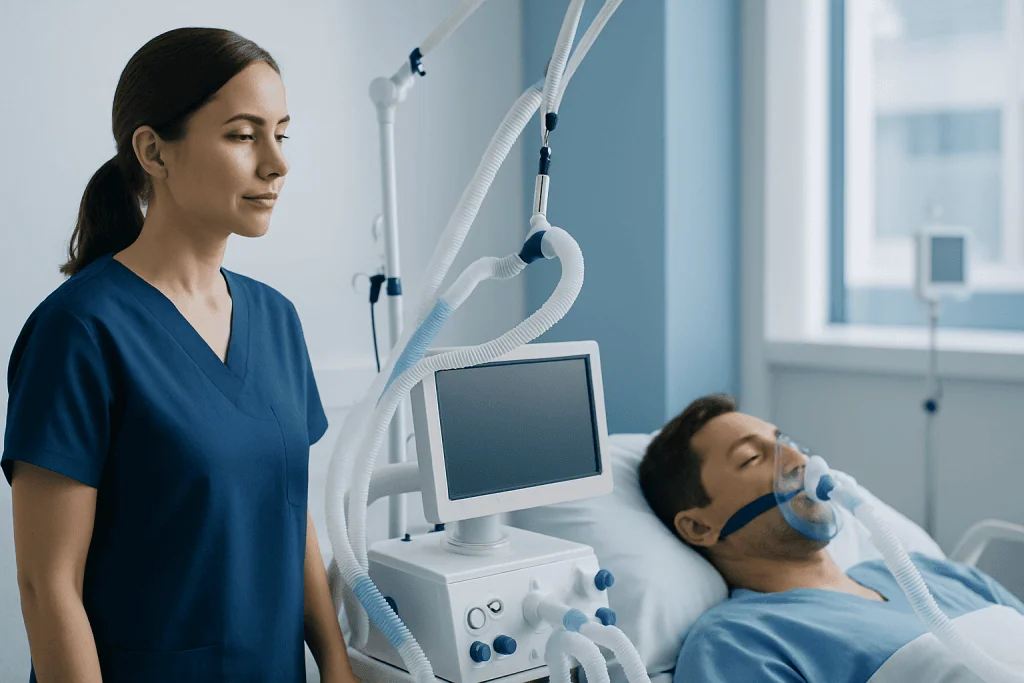
The most common use of wind-related technology in healthcare is ventilation. Ventilation systems move fresh air into a building, remove stale air, and help filter contaminants. In clinical settings, this supports cleaner indoor air and can lower the concentration of some airborne pollutants and infectious particles when systems are designed and maintained correctly.
Airflow management is also used to create different pressure zones. For example, some rooms are designed so that air flows into the room but not out, helping contain infectious particles. Other rooms may use positive pressure to help protect vulnerable patients by limiting the entry of unfiltered air. These designs are part of infection prevention and are planned according to the room’s purpose.
Wind technology can also influence building layout and comfort. Designers may study prevailing winds to place entrances, courtyards, windows, and ventilation intakes in ways that reduce heat build-up and improve fresh air flow in non-clinical zones. In warmer climates, this can support more comfortable waiting areas and lower the burden on cooling systems.
In some facilities, wind technology also includes renewable energy planning. Wind turbines are less common than solar systems in hospitals, but some healthcare campuses may use wind power as part of a broader strategy to improve sustainability, reduce emissions, and strengthen energy resilience.
Benefits for patients, staff, and operations

Well-designed airflow systems can make health facilities more comfortable and supportive for recovery. Fresh air movement, stable temperatures, and controlled humidity may help create a calmer indoor environment for patients and visitors. Comfort matters in healthcare, because patients may be spending long hours or many days in a room that should feel safe and well managed.
For staff, good ventilation can improve working conditions in busy environments. Clean, well-circulated air may reduce unpleasant odors, limit the buildup of indoor pollutants, and support concentration and comfort during long shifts. In laboratories, treatment rooms, and procedure areas, targeted ventilation is also part of workplace safety.
Operationally, airflow planning helps healthcare buildings function more efficiently. It supports equipment performance, protects sensitive spaces, and can reduce strain on heating and cooling systems when paired with good design. Over time, energy-conscious ventilation and climate control can contribute to more sustainable healthcare operations without compromising safety.
- Supports indoor air quality
- Helps infection prevention strategies
- Improves thermal comfort
- Protects specialized clinical spaces
- May reduce energy use when efficiently designed
Where precise airflow matters most
Not every part of a hospital needs the same type of airflow. High-risk clinical areas require more exact control than offices, corridors, or public waiting spaces. For this reason, healthcare ventilation is usually tailored room by room, based on how the space is used and who will be in it.
Operating rooms are a clear example. These spaces need tightly controlled air quality, filtration, temperature, and pressure conditions to support safe procedures. Isolation rooms also depend on carefully managed airflow, whether the aim is to protect the patient or to contain infectious particles within the room.
Other important areas include emergency departments, intensive care units, neonatal units, imaging suites, pharmacies, and laboratories. Even non-clinical spaces, such as entrances and cafeterias, can benefit from thoughtful ventilation design because they affect overall comfort and crowd flow. Good planning helps ensure that clean air reaches the right place in the right way.
Natural ventilation and wind energy: opportunities and limits
Natural ventilation uses outdoor air movement through windows, vents, shafts, atriums, or other architectural features. In some healthcare settings, especially in mild climates or low-risk areas, this can improve comfort and reduce reliance on mechanical cooling. It may be useful in administrative areas, public spaces, and certain outpatient environments when local regulations and safety standards allow.
However, natural ventilation is not suitable for every clinical area. Wind direction, outdoor air pollution, temperature changes, humidity, noise, and security concerns can all affect performance. In areas where infection control and air filtration must be tightly managed, mechanical systems remain essential because they offer more consistent control.
Wind energy is a separate but related concept. Some hospitals and healthcare campuses explore renewable energy sources, including wind, to help power non-clinical operations or support backup energy strategies. This depends on local geography, regulations, cost, maintenance requirements, and the facility’s overall infrastructure plan.
In most cases, the best approach is a balanced one. Facilities may combine smart building orientation, shaded outdoor design, efficient mechanical ventilation, and selected renewable energy tools to create a healthier and more sustainable care environment.
Safety, standards, and maintenance
Because healthcare buildings care for people who may be vulnerable, airflow systems must meet strict safety and performance standards. Engineers, infection prevention teams, and facility managers work together to decide how much air exchange is needed, what level of filtration is appropriate, and how pressure relationships should be maintained in each type of room.
Maintenance is just as important as design. Filters need regular replacement, ducts and vents need inspection, and monitoring systems should be checked to confirm that air is moving as intended. If ventilation systems are poorly maintained, performance can drop and comfort or safety may be affected.
Facilities also need contingency planning. During construction, renovation, extreme weather, or power disruption, temporary changes in airflow can create challenges. For that reason, hospitals usually have protocols for monitoring indoor conditions and responding quickly when systems need adjustment.
For patients, the main point is reassuring: airflow systems in reputable health facilities are planned carefully and monitored routinely. They are one of many behind-the-scenes systems designed to support safe care every day.
What patients and families may notice
Most patients will not need to think much about wind technology during treatment, but they may notice some of its practical effects. A room may feel steadily cooled or warmed, doors to certain rooms may feel slightly heavier because of pressure control, or there may be visible vents and filtration equipment in specialized care areas. These features are usually normal parts of healthcare building design.
Patients and families can also support good indoor air quality by following facility guidance. This may include keeping certain doors closed, wearing a mask when advised, avoiding blocking air vents, and informing staff if a room feels unusually hot, stuffy, or drafty. Seemingly small details can matter in sensitive clinical areas.
When planning new hospitals or upgrading older ones, healthcare providers increasingly consider both patient experience and environmental impact. A well-designed facility aims to feel comfortable while also maintaining high standards of air safety. Near the end of a care journey, this often blends into the overall impression that the hospital is clean, organized, and thoughtfully run.
Acibadem International’s multidisciplinary specialists, together with teams in JCI-accredited hospitals, support diagnosis and treatment in carefully designed healthcare environments for international patients, where ventilation, safety, and patient comfort are integrated into facility planning.
The future of wind technology in healthcare
Wind technology in health facilities is evolving alongside digital monitoring, green building design, and infection prevention science. Newer systems can track airflow, filter performance, temperature, humidity, and occupancy in real time. This allows facility teams to respond more quickly and use energy more efficiently while maintaining clinical standards.
Healthcare design is also becoming more climate-aware. As hospitals prepare for hotter temperatures, changing weather patterns, and higher expectations for sustainability, wind-responsive architecture and efficient ventilation are likely to become even more important. The aim is not simply to save energy, but to support resilient care environments that can function well under different conditions.
For patients, the future benefit is simple: more comfortable, safer, and more efficient healthcare spaces. Although most of this technology remains behind the scenes, it plays a meaningful role in how health facilities protect wellbeing every day.
Frequently asked questions
What does wind technology mean in a hospital?
In hospitals, wind technology usually means the systems and design strategies used to manage airflow and ventilation. It may also include building orientation and, less commonly, wind energy as part of sustainability planning.
How does airflow help in health facilities?
Good airflow helps bring in fresh air, remove stale air, and support filtration of indoor contaminants. In some areas, it also helps control the movement of air between rooms, which is important for infection prevention and patient protection.
Do hospitals rely only on natural ventilation?
No. Most hospitals depend mainly on mechanical ventilation because it allows precise control of air quality, temperature, humidity, and pressure. Natural ventilation may be useful in selected low-risk areas, depending on the building design and local conditions.
Can wind technology reduce infections in hospitals?
Airflow systems are one part of infection prevention, especially for airborne risks. They help when properly designed and maintained, but they work alongside cleaning, hand hygiene, protective equipment, and other medical safety measures.
Is wind energy commonly used in hospitals?
Wind energy is possible, but it is not the most common energy source used by hospitals. Some healthcare campuses may include it in wider sustainability plans if local wind conditions, infrastructure, and regulations make it practical.
Why do some hospital doors feel hard to open?
This can happen because certain rooms are pressure-controlled. The airflow is intentionally managed so air moves in a specific direction, which helps protect patients or contain airborne particles.
References
- World Health Organization
- Centers for Disease Control and Prevention
- American Society of Heating, Refrigerating and Air-Conditioning Engineers
- U.S. Environmental Protection Agency
This article is for general information only and is not a substitute for professional medical advice. Please consult a qualified doctor about your individual situation.
Explore treatments in Turkey — costs, top hospitals & a free quote
JCI-accredited · board-certified surgeons · reply within 24h
Add us as a Preferred Source to see more of our trusted health content across Google Search, AI Overviews and Discover.