

Acibadem Hospitals: What International Patients Can Expect Across Our Network

Acibadem Hospitals help international patients in Turkey with JCI-accredited care, interpreters, travel support, and clear hospital logistics.
If you are planning care with Acibadem Hospitals, you can expect structured support before, during, and after your visit. Across the network, international patient services help you manage appointments, travel logistics, language needs, and hospital navigation with clarity and reassurance.
At a glance
- Best for: International patients who want to understand how Acibadem Hospitals work across the network
- What you can expect: Care coordination, interpreters, appointment planning, and practical travel support
- Network strengths: JCI-accredited hospitals, multidisciplinary teams, modern diagnostics, and standardized patient processes
- Locations: Hospitals and outpatient services across Turkey, including Istanbul
- Support style: One point of contact for many international patient needs where applicable
What Acibadem Hospitals are like for international patients
When you come to Acibadem Hospitals as an international patient, your experience is designed to be organized, practical, and easier to navigate than arranging care alone. Instead of dealing separately with medical scheduling, language questions, transportation concerns, and hospital paperwork, you are typically guided through each stage with help from international patient services.
Across the Acibadem network, the goal is consistency: clear communication, coordinated appointments, and hospital systems that support patients traveling from abroad. This matters if you are already balancing health concerns with flights, accommodation, visas, time away from work, or bringing a family member with you.
You can also expect a large-hospital environment with specialist departments, diagnostic services, and care teams working together. For many patients, this means fewer unknowns: your consultations, tests, and next steps are usually planned in a structured way, with practical information provided before you arrive.
How the network approach helps you
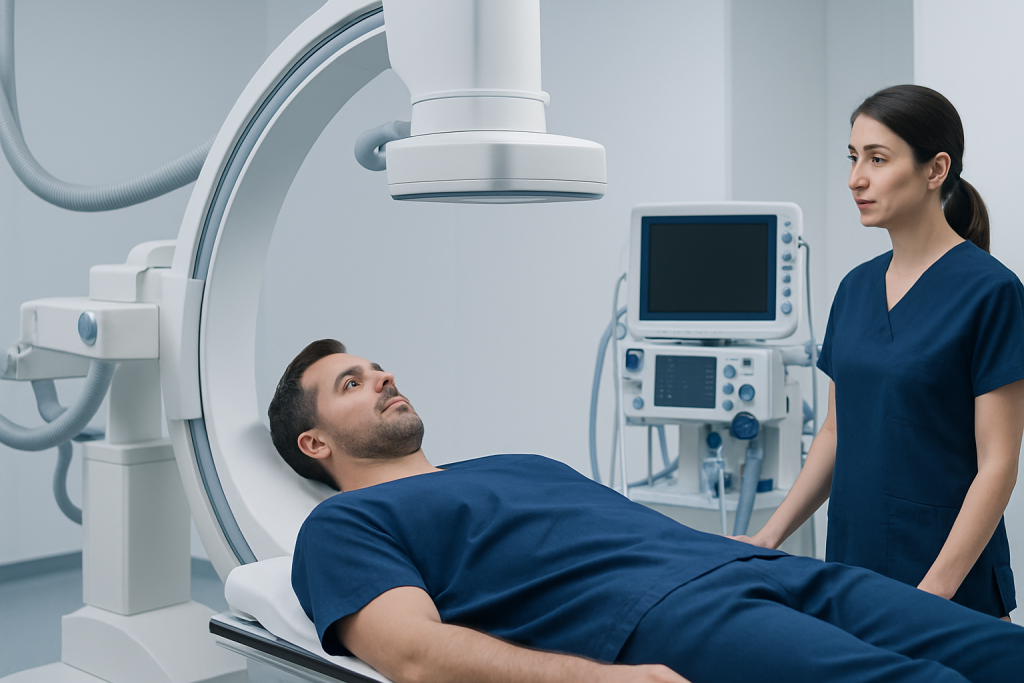
One of the main advantages of a hospital network is that you are not relying on a single clinic working in isolation. Acibadem Hospitals operate within a broader healthcare system, which can help when your treatment plan needs input from more than one specialty, or when tests, imaging, and consultations need to happen efficiently.
If your case involves several departments, a network model can make coordination smoother. You may have your records reviewed, your appointments organized in sequence, and your questions routed through a team familiar with international patients rather than having to repeat your story to multiple providers without support.
For you, this usually translates into practical benefits:
- more predictable scheduling for consultations and tests
- access to multidisciplinary specialist teams when needed
- standard hospital processes across different facilities
- easier coordination of records and reports
- support if your travel dates need to align with your treatment plan
This is especially helpful if you are visiting Turkey for a limited time and want your medical trip to feel well planned rather than improvised.
What support you may receive before you travel

Before you arrive, the most helpful part of the process is often the preparation stage. Acibadem International typically helps patients gather the medical information needed for an initial review, such as recent reports, imaging, pathology documents, medication lists, and a short summary of symptoms or diagnosis. This allows the team to understand your case before your trip is arranged.
You may also receive guidance on likely timelines, which documents to bring, and whether additional tests are commonly needed after arrival. While exact treatment decisions are made by your doctors after evaluation, having a pre-arrival plan can reduce uncertainty and help you organize flights and accommodation more confidently.
International patient services may also help with non-medical logistics, depending on your needs. This can include advice around airport transfers, hotel options, interpreters, and what to expect on your first hospital day. If you are traveling with a companion, it is useful to mention that early so support can be planned around both of you.
If you are unsure whether your records are enough, it is usually better to send what you have rather than delay. A coordination team can often tell you what is still missing and what can be brought in person.
What your hospital experience may look like on site
Once you arrive at an Acibadem hospital, your experience will usually involve registration, document checks, an initial consultation, and then any recommended tests or imaging. Large hospitals can feel unfamiliar at first, especially in another country, so having a clear point of contact matters. International patient teams and interpreters are there to help you understand where to go, what happens next, and what information is needed from you.
You should expect a structured clinical environment with specialist departments, nursing teams, administrative staff, and patient-facing support services working together. Depending on why you are visiting, your time on site may be limited to outpatient consultations and diagnostics, or it may include day treatment or inpatient care.
It is normal for plans to be refined after your doctors assess you in person. A test may be added, a consultation may be moved to better fit the sequence of care, or your stay may need to be adjusted. In a coordinated hospital network, these changes can often be handled more smoothly than if you were arranging each element independently.
If language is a concern, tell your coordinator early and again at check-in if needed. Interpreter support can make a big difference not only during consultations but also when discussing consent forms, discharge instructions, medications, and follow-up appointments.
Quality, safety, and why accreditation matters
When you travel for medical care, trust is not just about reputation; it is also about systems. Many international patients look for JCI-accredited hospitals because accreditation indicates that a hospital has been assessed against recognized standards for quality and patient safety. Acibadem includes JCI-accredited hospitals within its network, which is one reason patients from abroad often consider it when planning treatment in Turkey.
For you, accreditation is most meaningful in practical ways: standardized processes, attention to patient identification, infection prevention measures, medication safety routines, and documentation practices. These may not always be visible as you walk through the hospital, but they are part of the structure that supports safe care.
That said, accreditation is only one part of the picture. You should still ask questions that matter to your own case, such as who will coordinate your care, how test results are communicated, what support is available in your language, and what follow-up plan you can expect after discharge or after you return home.
Travel, companions, and practical comfort during your stay
Medical travel is easier when the non-medical details are handled well. If you are coming to Istanbul or another city in Turkey for care, think beyond the hospital itself: arrival time, transfer planning, hotel distance, mobility needs, local weather, and whether you will need extra rest days before flying home. Acibadem International can be helpful here by offering practical guidance and helping you understand the typical flow of a medical trip.
If a family member or companion is traveling with you, discuss this in advance. They may be your emotional support, your practical helper, or the person who keeps track of documents and instructions. Knowing where they can wait, whether they can accompany you to certain areas, and how updates will be shared can make the whole experience calmer for both of you.
Comfort also comes from simple preparation. Keep your passport, medical records, medication list, chargers, glasses, and essential toiletries easy to reach. If you have dietary, mobility, hearing, or other accessibility needs, share them before arrival so the hospital can prepare appropriately where possible.
For many patients, the most reassuring trips are not the most luxurious but the most predictable. A realistic plan, enough time between appointments, and one reliable contact person often matter more than anything else.
What happens after appointments, treatment, or discharge
International patients often focus on getting to the hospital, but the period after treatment is just as important. Before you leave, make sure you understand your diagnosis or findings, any medication instructions, activity restrictions, warning signs to watch for, and when you should seek urgent help. Ask for copies of reports, imaging summaries, prescriptions, and discharge documents in a form you can use at home.
If you will return to your home country soon after treatment, it is especially important to clarify your follow-up plan. You may need an online review, a local doctor visit, repeat tests, or wound checks after travel. Acibadem International teams can help explain what should happen next and what documents you should share with your doctor back home.
If your travel plans change because you need more recovery time, let your coordinator know quickly. Accommodation, transport, and appointment schedules may need to be adjusted. Planning for this possibility in advance can reduce stress if your timeline becomes longer than expected.
The best discharge experience is one where you leave knowing exactly what to do, who to contact, and what information to keep with you. Do not hesitate to ask for instructions to be repeated or translated if anything feels unclear.
Step by step
- Share your medical records early. Send recent reports, scans, test results, medication details, and a short medical summary before you book travel if possible. This helps the hospital understand your case and guide you on likely next steps, while keeping expectations realistic until in-person evaluation.
- Confirm the treatment journey, not just the first appointment. Ask what your first days may include: consultation, imaging, lab work, second opinions, or admission if needed. Knowing the likely sequence helps you book enough time in Turkey and avoid unnecessary stress around flights or hotel changes.
- Plan language and companion support. Let the international patient team know if you need an interpreter or if a family member will travel with you. This can make check-in, consultations, consent discussions, and discharge instructions much easier to follow.
- Prepare your documents and essentials for arrival. Keep your passport, medical files, insurance or payment documents if relevant, regular medications, and emergency contacts together in one bag. It is also wise to carry both digital and printed copies of important records.
- Stay flexible once you are assessed in person. Your doctor may recommend extra tests or adjust the original plan after examining you. This does not necessarily mean a problem; it often reflects careful decision-making based on the most current information.
- Before discharge, ask for clear written instructions. Make sure you understand medications, follow-up timing, travel restrictions, and warning signs that require medical attention. If anything is unclear, ask for a translated explanation or a written summary you can share with your doctor at home.
- Organize your return home and follow-up. Before leaving Turkey, confirm how results, reports, and future questions will be handled. If online follow-up or local monitoring is needed, having that plan in place can make the transition home much smoother.
Your checklist
- Passport and travel documents
- Recent medical reports, scans, and test results
- List of current medications and allergies
- Emergency contact details
- Comfortable clothing and personal essentials
- Phone charger and copies of key documents
- Interpreter request if needed
- Companion details if someone is traveling with you
- Questions you want to ask your doctor and coordinator
Key takeaways
- Acibadem Hospitals are set up to support international patients with both medical coordination and practical logistics.
- A network approach can help when your care involves multiple specialists, tests, or a tightly planned travel schedule.
- JCI-accredited hospitals within the network offer recognized quality and safety frameworks that matter to patients traveling abroad.
- Interpreter services, travel guidance, and companion planning can make your hospital experience smoother and less stressful.
- Before you leave Turkey, make sure you have a clear follow-up plan, written records, and instructions you understand.
Frequently asked questions
What does Acibadem International help with?
Acibadem International typically helps you coordinate practical parts of your care journey, such as sharing medical records, arranging appointments, and understanding the expected hospital process. Depending on your needs, the team may also assist with interpreters, travel-related guidance, and accommodation or transfer planning.
Are all Acibadem Hospitals the same?
Hospitals within a large network follow shared standards and processes, but the exact services, specialties, and facilities can vary by location. Your coordinator can help match your case to the most appropriate hospital or team based on your medical needs and travel plans.
Will I know my treatment plan before I travel?
You may receive an initial opinion or expected pathway based on the records you send, but the final treatment plan is usually confirmed after in-person consultation and assessment. This is normal and helps ensure decisions are based on the most accurate, up-to-date clinical information.
Can I get help if I do not speak Turkish?
Yes, language support is an important part of international patient care. If you need an interpreter, request this as early as possible so your consultations, paperwork, and discharge instructions are easier to understand.
What should I bring to the hospital on my first day?
Bring your passport, all relevant medical records, a list of medications and allergies, and any documents already shared with your coordinator. It is also useful to carry your phone charger, emergency contacts, and a written list of questions you want to ask.
Can a family member come with me?
In many cases, yes, and many international patients find it helpful to travel with a companion. It is best to mention this in advance so the hospital team can explain practical details such as waiting areas, communication updates, and accommodation considerations.
What happens after I return home?
Your follow-up depends on the type of care you received, but you should leave with reports, discharge instructions, prescriptions if needed, and a clear plan for review. This may involve remote follow-up, local doctor visits, repeat tests, or sharing updates with the Acibadem team after you return home.
Add us as a Preferred Source to see more of our trusted health content across Google Search, AI Overviews and Discover.
More Patient Guides

At Acibadem, How We Explain Expected Clinical Outcomes and Treatment Success Information
Expected clinical outcomes at Acibadem are explained in clear, realistic terms so you understand likely benefits, limits, risks, and next steps in…
9 min read
At Acibadem, How Families and Companions Are Supported During Treatment Travel
At Acibadem, family support during treatment travel in Turkey includes interpreters, planning help, visitor guidance, and practical support for companions.
9 min read
At Acibadem, What Happens If Your In-Person Evaluation Changes the Initial Plan
In-person evaluation plan changes at Acibadem can happen if new findings appear in Turkey. Your team explains why, what changes, and your…
9 min read