

At Acibadem, How We Use Technology in Diagnosis and Treatment
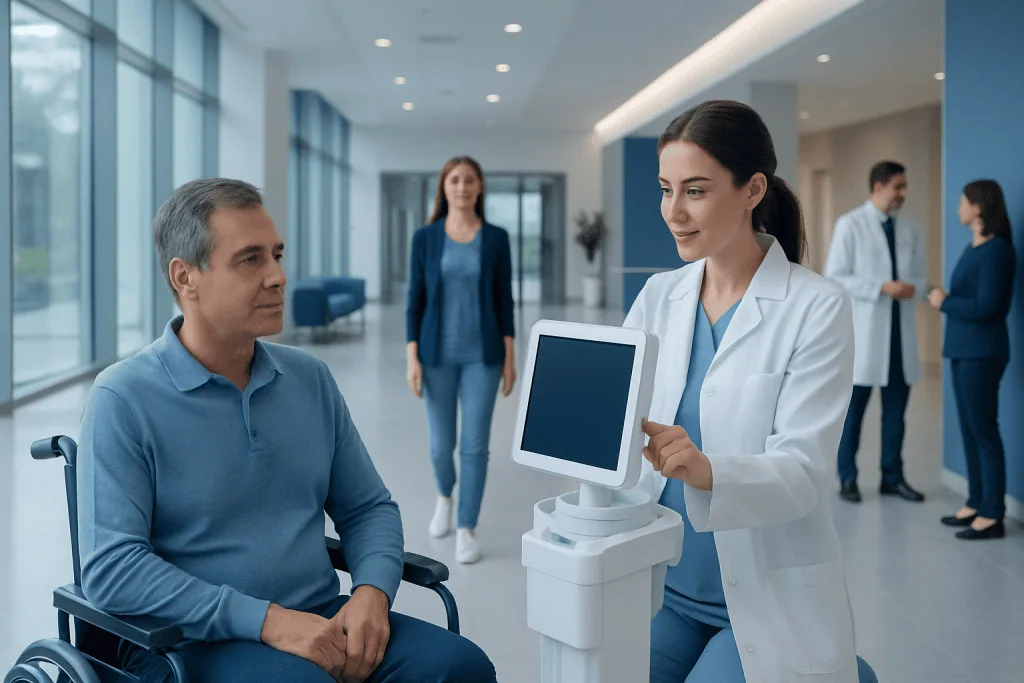
Technology in diagnosis and treatment at Acibadem means coordinated imaging, labs and digital planning in Turkey to help make your care clearer.
If you are comparing hospitals abroad, it helps to understand how technology supports your care from the first review to follow-up. At Acibadem International, technology is used to organize diagnosis, treatment planning, safety checks, and communication so your journey feels more coordinated and easier to navigate.
At a glance
- Best for: Patients who want to understand how hospital technology affects planning, safety, and convenience
- What this guide covers: Imaging, laboratory systems, treatment planning tools, digital coordination, and practical patient logistics
- What it does not include: Procedure-specific medical advice or guaranteed outcomes
- Support available: International patient coordinators, interpreters, and travel guidance
- Why it matters: Better-organized information can help reduce delays, repeated tests, and confusion
What technology means for you as a patient
When hospitals talk about technology, you may wonder what that actually changes for you. In practical terms, it usually means how quickly your information is gathered, how clearly specialists can review it, and how smoothly your next steps are arranged. For international patients, this matters because your time in Turkey may be limited, and you want as few unnecessary appointments or repeated tests as possible.
At Acibadem International, technology is used as part of a larger care pathway rather than as a stand-alone feature. That can include digital review of your medical records before travel, imaging and laboratory systems that help specialists work from the same information, and hospital coordination tools that support scheduling, safety checks, and follow-up planning.
It is also helpful to remember that technology does not replace medical judgment. Instead, it supports the work of multidisciplinary teams by giving them clearer data, better communication channels, and more structured planning. For you, the main benefit is often a care experience that feels more organized and easier to understand.
How technology supports diagnosis before treatment starts
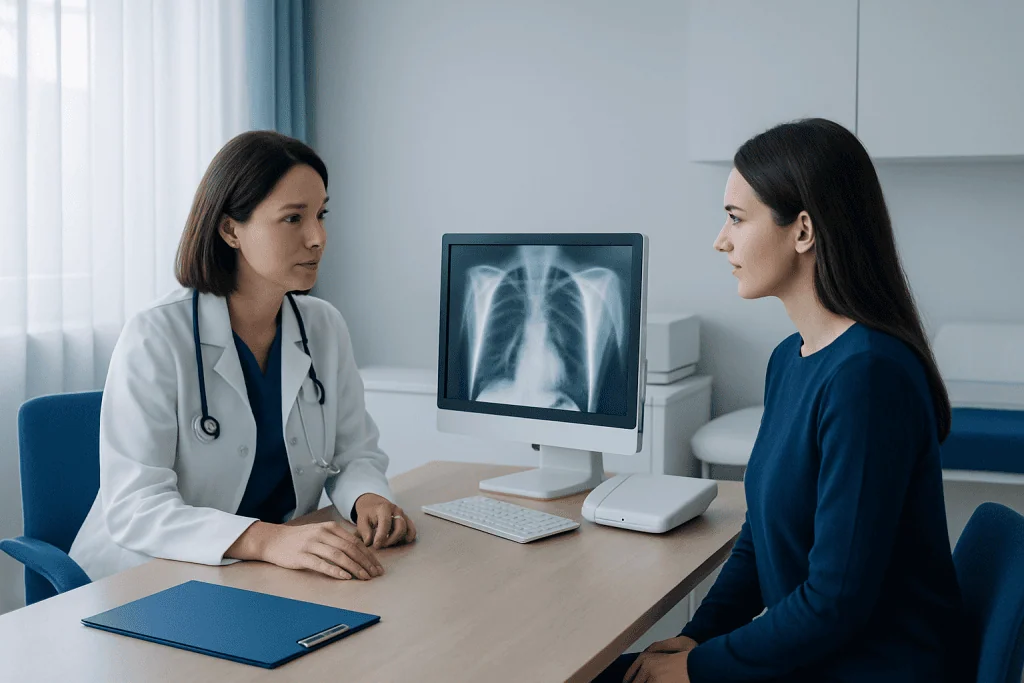
Your diagnosis phase often begins before you arrive. If you already have scans, blood test reports, pathology reports, or consultation notes, these can often be reviewed in advance so the team can understand your case and advise what may still be needed after you reach the hospital. This early review can help you prepare documents, estimate the likely timeline, and avoid bringing incomplete records.
Once you are at the hospital, diagnosis may involve imaging, laboratory testing, pathology review, and specialist consultations. Advanced systems can help organize these steps so results move efficiently between departments. Instead of carrying paper copies from one clinic to another, your care team can usually access your information through hospital systems, which helps reduce administrative stress.
If your case needs input from more than one specialty, digital access to reports and images becomes especially useful. Radiologists, surgeons, oncologists, internists, or other specialists can often review the same material and contribute to a shared treatment discussion. At a large group like Acibadem with JCI-accredited hospitals, this coordinated approach is particularly valuable for complex or multi-step care plans.
- Bring previous scans on CD, USB, or secure online access if available
- Carry translated reports if you have them, especially pathology summaries
- Keep a list of current medications, allergies, and past procedures
- Ask in advance which original test results are still valid and which may need repeating
Imaging, labs, and digital records: what to expect
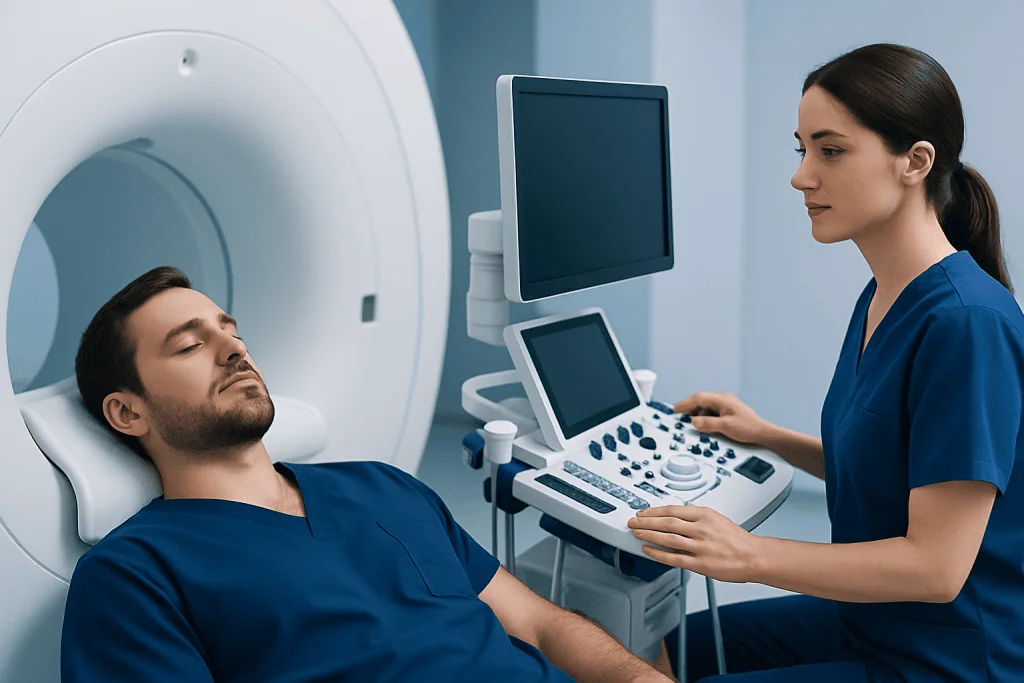
Many patients associate hospital technology mainly with MRI, CT, ultrasound, or laboratory machines. These are important, but the patient experience also depends on how well results are connected. If your imaging, blood work, and consultation notes are stored in coordinated digital systems, your doctors can review findings more easily and compare them over time.
For you, this can mean fewer delays between testing and decision-making. If additional views, repeat blood work, or another specialist opinion are needed, the team can usually identify that more quickly. It can also make discharge paperwork and follow-up recommendations clearer because your care summary is built from a more complete record.
You should still expect that some tests may need to be repeated after arrival, even if you recently had them elsewhere. This is not always a sign that something is wrong. Sometimes repeat testing is needed because image quality varies, the timing matters, the clinical question has changed, or the treating team needs standardized results from their own systems before moving ahead.
If you are unsure why a test is being requested, ask your coordinator or doctor to explain the purpose in simple terms. A good international patient service team can help you understand whether a test is for confirmation, safety, treatment planning, or monitoring.
How technology helps treatment planning and safety
Once your diagnostic workup is complete, technology often becomes most visible in the planning stage. Different specialties may review your results together, compare options, and map the next steps. Depending on your condition, this could involve image-based planning, digital documentation, medication checks, or structured pre-treatment safety reviews.
For international patients, one of the biggest advantages is clarity. You want to know what happens first, how long each step may take, whether you should fast, when your companion can be with you, and when you might be able to travel home. Organized digital workflows can support these logistics by helping teams align appointments, consent steps, test results, and discharge planning.
Technology also supports safety by making information easier to verify. Allergies, medication lists, prior reports, and treatment orders can be cross-checked more consistently when they are documented and accessible to the relevant team members. That does not remove the need for you to speak up, but it can add an extra layer of structure to your care.
At Acibadem International, this is where international patient services can make a real difference. Coordinators and interpreters help bridge communication between you and the clinical team so digital efficiency is matched by human explanation, which is especially important when you are managing a medical decision away from home.
Practical advantages for international patients in Turkey
If you are traveling to Istanbul or another city in Turkey for treatment, the practical side of care matters just as much as the medical side. Technology can make your trip smoother by supporting pre-arrival record sharing, appointment coordination, interpreter scheduling, and clearer discharge instructions. This can be particularly helpful if you are trying to fit evaluations and treatment into a specific travel window.
Another advantage is continuity. If your treatment involves more than one department or more than one visit, digital records help preserve a consistent picture of your care. That is useful during your stay, but also after you return home, because discharge summaries, imaging reports, pathology results, and recommendations can be organized for future reference.
Acibadem International also supports patients with non-clinical logistics that often shape the overall experience, such as travel planning, accommodation guidance, and language support. While these services are not “technology” in themselves, they work best when combined with well-organized hospital systems that keep your schedule and information aligned.
- Ask how long you should stay in Turkey before and after key tests or treatment
- Check whether a companion is recommended for your recovery period
- Confirm how you will receive reports, images, and discharge documents
- Make sure your home doctor can understand the format of your records
Questions to ask when comparing hospitals and packages
If you are reviewing quotes or packages, it is worth looking beyond the treatment name itself. Ask how diagnosis is organized, whether multidisciplinary review is available when needed, and how your test results are shared across departments. A lower headline price may not reflect the value of smoother coordination, fewer repeated visits, or stronger support for international communication.
You can also ask what is included in the planning process. For example, does the initial review cover evaluation of the records you send before travel, or will everything start only after arrival? Are interpreter services available during consultations? Will you receive digital copies of important reports and images to take back home?
Technology should make care more understandable, not more confusing. If a hospital cannot explain in simple terms how your records are reviewed, how test results are connected, and how your next steps are planned, it may be harder for you to manage the journey confidently. Practical, transparent answers are often a good sign.
At Acibadem International, you can usually discuss both medical coordination and travel-related logistics with the international patient team before finalizing your plans. This helps you understand not only what treatment may involve, but also how the hospital experience is structured around your needs as an overseas patient.
Step by step
- Share your records before you travel. Send your recent reports, scan files, pathology summaries, medication list, and a short medical history as early as possible. This gives the team time to review what you already have and helps you understand what may still be needed after arrival.
- Confirm what the first days will include. Ask whether your first appointments are mainly consultation-based or whether imaging and laboratory tests are likely to happen right away. This helps you plan your accommodation, fasting requirements, companion support, and daily schedule.
- Bring complete and organized documentation. Carry both digital and paper copies if possible, including passport details, insurance or payment documents if relevant, and previous medical records. Clear documentation reduces delays and makes it easier for specialists to compare your current condition with earlier results.
- Use your coordinator and interpreter actively. If anything is unclear, ask your international patient coordinator to explain the purpose of each test, how results will be used, and what the likely timeline is. Interpreters can help you feel more confident during detailed consultations and consent discussions.
- Ask how results feed into treatment planning. Do not hesitate to ask who will review your tests and whether more than one specialty is involved. Understanding how your imaging, labs, and consultations come together can help you make decisions with less uncertainty.
- Prepare for discharge and follow-up early. Before you leave the hospital or return home, check how you will receive reports, images, medication instructions, and follow-up recommendations. Make sure you know who to contact if you need clarification after you are back in your own country.
Your checklist
- Passport and travel documents
- Recent scan images and reports
- Blood test, pathology, and biopsy reports if relevant
- Current medication and allergy list
- Summary of previous treatments or surgeries
- Questions you want answered about testing and planning
- Home doctor's contact details for follow-up sharing
- Notebook or phone folder for appointments and documents
Key takeaways
- Technology in diagnosis and treatment is most useful when it improves coordination, clarity, and safety for you.
- Pre-arrival review of your records can help reduce confusion and make travel planning easier.
- Imaging, labs, and digital records work best when specialists can access and discuss them together.
- International patient coordinators and interpreters are an important part of turning technical systems into a smooth patient experience.
- When comparing hospitals or packages, ask not only what treatment is offered but also how your diagnosis, planning, and follow-up will be organized.
Frequently asked questions
Does advanced technology mean I will need fewer tests?
Not always. Technology can help organize and interpret information more efficiently, but some tests may still need to be repeated for quality, timing, or safety reasons. The main benefit is usually better coordination and clearer decision-making rather than simply fewer tests.
Can Acibadem review my reports before I come to Turkey?
In many cases, international patients can share records in advance for preliminary review and planning. This can help identify what documents are missing, what further evaluation may be needed, and how much time you may need to stay after arrival.
Will all my doctors be able to see the same results?
In a well-connected hospital system, your imaging, lab results, and consultation notes can usually be accessed by the relevant care team. This is especially helpful if more than one specialty is involved in your diagnosis or treatment plan.
How does technology help if I do not speak Turkish?
Technology helps by keeping your records organized, but human support still matters. At Acibadem International, interpreters and patient coordinators help explain appointments, test results, and next steps so the information is understandable and actionable for you.
Should I still bring my old scans and reports if I expect new tests in Istanbul?
Yes. Previous records can provide useful comparison points and may help the team understand your case more quickly. Even if some tests are repeated, your earlier results often remain valuable for context.
Is technology only relevant for complex cases?
No. Even straightforward care can benefit from digital coordination, especially for scheduling, documentation, safety checks, and discharge planning. For international patients, these practical improvements can make a noticeable difference to the overall experience.
Add us as a Preferred Source to see more of our trusted health content across Google Search, AI Overviews and Discover.
More Patient Guides

At Acibadem, How We Explain Possible Additional Costs If Your Treatment Plan Changes
Additional costs if your treatment plan changes are explained clearly at Acibadem in Turkey, with updated estimates and practical support before you…
8 min read
At Acibadem, What Discharge Documents You Receive Before You Travel Home
Discharge documents you receive before you travel home usually include your summary, prescriptions, test results and follow-up advice in Turkey.
9 min read
At Acibadem, How We Review Your Medical Records Before Giving a Treatment Plan
Medical records review at Acibadem helps you receive a suitable treatment plan in Turkey by checking your documents, tests and travel readiness…
8 min read