What Is an Oncologist and When Do You Need One?
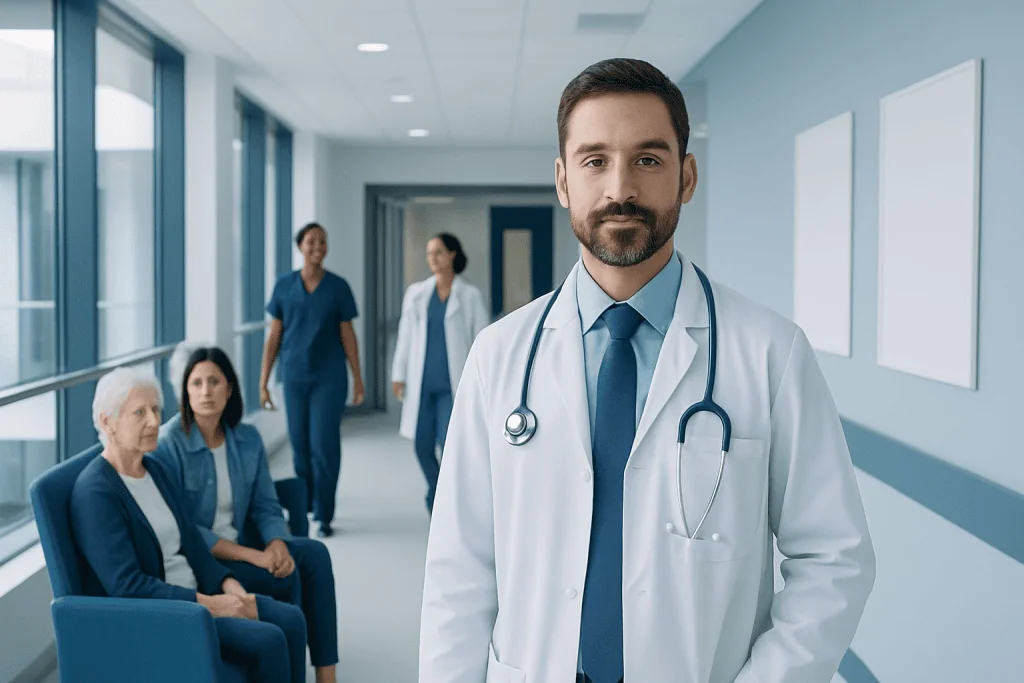
An oncologist is a cancer specialist who helps diagnose, stage, treat, and monitor cancer. There are different types of oncologists, including medical, surgical, and radiation oncologists.
Key Takeaways
- An oncologist is a cancer specialist who helps diagnose, stage, treat, and monitor cancer.
- There are different types of oncologists, including medical, surgical, and radiation oncologists.
- A person may need an oncologist if tests suggest cancer, if cancer is confirmed, or if cancer treatment planning is needed.
- Oncologists often work in multidisciplinary teams with radiologists, pathologists, surgeons, and other specialists.
- Early evaluation can help clarify a diagnosis and support timely treatment decisions.
An oncologist is a doctor who specializes in diagnosing, treating, and monitoring cancer. People may be referred to an oncologist after suspicious symptoms, abnormal imaging or biopsy results, or a confirmed cancer diagnosis.
Overview: What Is an Oncologist?
An oncologist is a doctor with special training in cancer care. This specialist helps diagnose cancer, determine how far it has progressed, discuss treatment choices, and follow the patient over time. Oncology is the field of medicine focused on cancer prevention, diagnosis, treatment, and survivorship.
Not every person who sees an oncologist has cancer. Sometimes a referral is made because a scan, blood test, physical finding, or biopsy result needs expert review. In many cases, the oncologist’s role is to confirm whether cancer is present and explain the next steps clearly and carefully.
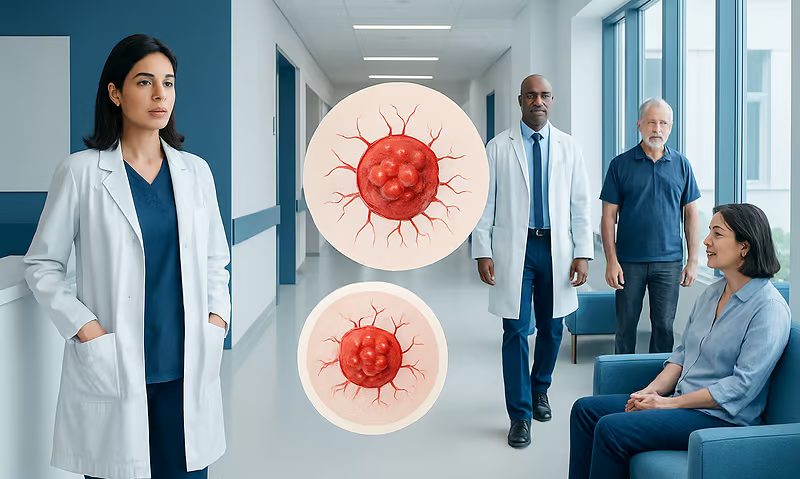
Oncologists usually work as part of a multidisciplinary team. Depending on the situation, that team may include surgeons, radiologists, pathologists, nurses, genetic counselors, pain specialists, dietitians, and psychologists. This team approach helps tailor care to the type of cancer, the patient’s general health, and personal treatment goals.
Types of Oncologists and What They Do
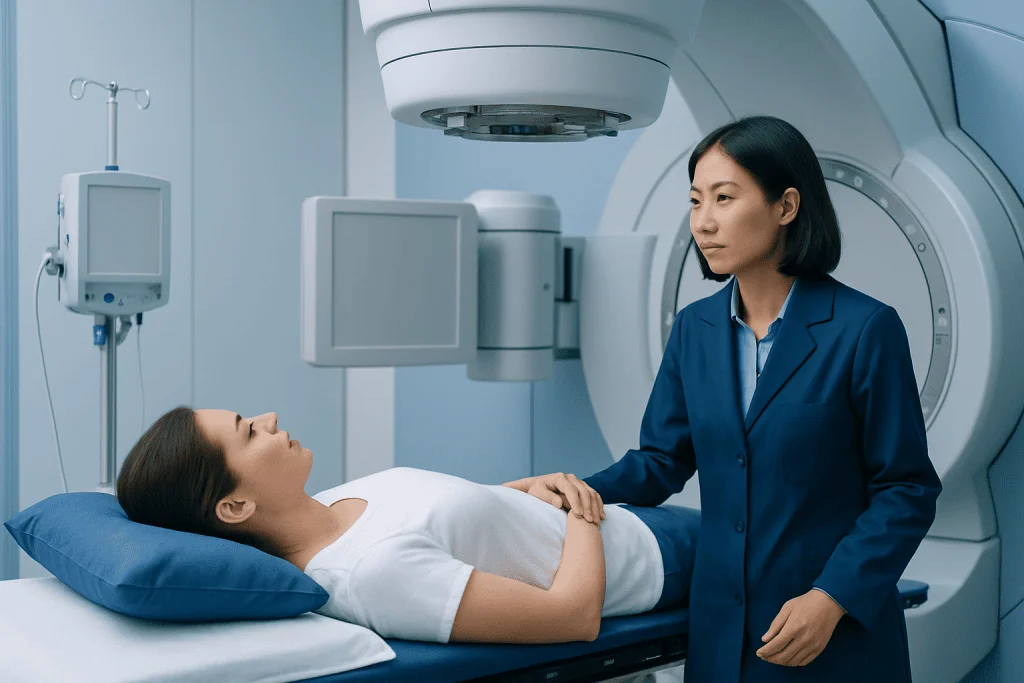
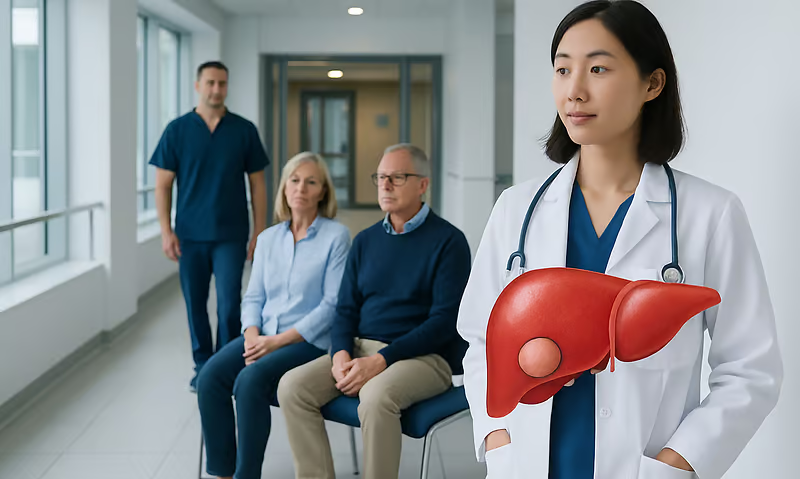
There is more than one kind of oncologist, and each has a different role in cancer care. A medical oncologist treats cancer with medicines such as chemotherapy, immunotherapy, targeted therapy, or hormone therapy. A surgical oncologist specializes in operations to remove tumors or take tissue samples. A radiation oncologist treats cancer using carefully planned radiation therapy.
Some doctors have additional subspecialty training. For example, pediatric oncologists care for children with cancer, while gynecologic oncologists focus on cancers affecting the female reproductive organs. Hematologist-oncologists care for certain blood cancers, such as leukemia, lymphoma, and multiple myeloma.
Many patients see more than one oncology specialist during their care. For example, a person may first meet a surgical oncologist for a biopsy, then a medical oncologist to discuss drug treatment, and later a radiation oncologist if radiation is recommended. This is a normal part of coordinated cancer care.
- Medical oncologist: Manages cancer medicines and overall treatment plans
- Surgical oncologist: Performs biopsies and cancer-related operations
- Radiation oncologist: Plans and delivers radiation therapy
- Hematologist-oncologist: Treats blood cancers and related disorders
When Might Someone Need an Oncologist?

A person may need an oncologist when a primary care doctor or another specialist finds something that could be cancer. This may happen after abnormal imaging, such as a CT scan, mammogram, ultrasound, or MRI, or after blood work suggests the need for more investigation. A referral may also follow a biopsy that shows precancerous changes or confirms cancer.
Common reasons for referral include a new lump, unexplained weight loss, persistent pain, unusual bleeding, long-lasting fatigue, changes in bowel or bladder habits, or a cough that does not improve. These symptoms can have many causes besides cancer, but they sometimes require specialist evaluation to rule out serious disease.
Some people meet an oncologist after a cancer diagnosis has already been made elsewhere. In that case, the visit often focuses on reviewing the pathology report, confirming the stage, and discussing the best treatment plan. Others see an oncologist for a second opinion, which can be helpful when treatment choices are complex or when reassurance is needed before starting therapy.
People with a strong family history of certain cancers may also be referred for risk assessment, surveillance planning, or genetic counseling. An oncologist may help decide whether more specialized screening or follow-up is appropriate.
How Oncologists Diagnose and Stage Cancer
Oncologists use several tools to understand whether cancer is present and, if so, what type it is. The process often begins with a detailed medical history, a physical examination, and a review of previous test results. Imaging studies and laboratory tests may help identify suspicious areas, but a biopsy is often needed to confirm the diagnosis.
A biopsy involves removing a small sample of tissue so a pathologist can examine it under a microscope. This helps identify the exact type of cancer and may reveal important molecular or genetic features. These details are valuable because modern cancer treatment is often guided by the tumor’s specific characteristics.
After diagnosis, oncologists determine the cancer stage. Staging describes how large the cancer is, whether it has spread to nearby lymph nodes, and whether it has reached other parts of the body. Staging helps estimate prognosis and guides treatment planning. In some cases, a patient may be referred for PET-CT imaging or other advanced tests to clarify the extent of disease.
The diagnostic process can feel overwhelming, but patients do not need to manage it alone. Oncologists explain the meaning of test results, answer questions, and help patients understand the purpose of each step before treatment begins.
Treatment Options an Oncologist May Recommend
Cancer treatment depends on the type of cancer, its stage, how quickly it is growing, and the patient’s overall health and preferences. Some cancers are treated with one main approach, while others require a combination of therapies. The oncologist’s job is to explain the likely benefits, possible side effects, and overall goals of each option.
Common treatments include surgery, radiation therapy, chemotherapy, hormone therapy, targeted therapy, immunotherapy, and supportive care. Surgery may be used to remove a tumor, while radiation can destroy cancer cells in a specific area. Drug treatments may circulate throughout the body to reach cancer cells that cannot be removed surgically.
In some situations, treatment is given before surgery to shrink a tumor or after surgery to reduce the risk of recurrence. Depending on the cancer type, a patient may be offered chemotherapy, radiation therapy, or individualized planning through a medical oncology team. Oncologists also help manage symptoms and side effects during treatment, including nausea, fatigue, pain, appetite changes, and emotional stress.
Follow-up is an important part of care. Even after treatment ends, oncologists may continue monitoring for recurrence, late side effects, and overall recovery. Survivorship care can include rehabilitation, nutrition support, mental health care, and advice about returning to work or daily routines.
What to Expect at the First Oncology Appointment
The first visit with an oncologist usually focuses on understanding the diagnosis and building a plan. The doctor may review previous scans, blood tests, pathology results, medications, personal medical history, and family history. If some information is missing, additional testing may be recommended before final treatment decisions are made.
Patients are often encouraged to bring a family member or trusted friend, especially if they expect a lot of information. Writing down questions in advance can help. Common questions include what type of cancer is suspected or confirmed, whether more tests are needed, what the treatment choices are, what side effects to expect, and how treatment may affect daily life.
The appointment may also include discussion of treatment goals. In some cases the aim is cure, while in others the goal is to control the cancer, relieve symptoms, or improve quality of life. Clear communication is essential, and patients should feel comfortable asking for explanations in plain language if anything is unclear.
When needed, the oncologist may coordinate care with other specialists. At Acibadem International, multidisciplinary specialists in JCI-accredited hospitals diagnose and treat cancer for international patients, with treatment planning based on the individual case.
Self-Care, Emotional Support, and Practical Preparation
Seeing an oncologist can bring uncertainty, even before a diagnosis is confirmed. Practical preparation can make the process easier. Patients may find it helpful to collect previous test reports, pathology results, medication lists, and a written timeline of symptoms. Having organized information can improve communication and reduce delays.
Emotional support is also important. It is common to feel anxious, distracted, or overwhelmed when discussing possible cancer. Support from family, friends, counseling services, patient navigators, or support groups can be valuable. Mental well-being matters throughout diagnosis, treatment, and recovery.
Healthy daily habits can support overall strength during evaluation and treatment. These include eating regular balanced meals, staying hydrated, sleeping well, avoiding tobacco, limiting alcohol, and keeping as physically active as possible within personal limits. Self-care does not replace medical treatment, but it can support resilience and recovery.
Patients should also ask about practical issues such as appointment schedules, treatment duration, fertility concerns, work adjustments, and symptom management at home. Good preparation helps people feel more informed and involved in their care.
When to See a Doctor Promptly
A person should see a doctor promptly if they have symptoms that are persistent, unexplained, or getting worse. Examples include a new lump, unusual bleeding, a sore that does not heal, changes in a mole, unexplained weight loss, severe fatigue, or ongoing pain. These symptoms do not automatically mean cancer, but they deserve medical assessment.
People who already have a cancer diagnosis should contact their care team if new symptoms appear during treatment or follow-up. Fever, dehydration, uncontrolled vomiting, new shortness of breath, severe pain, confusion, or signs of infection may need urgent attention. The oncology team can advise whether the problem can be managed at home, in clinic, or in an emergency setting.
It is also reasonable to seek medical advice if screening results are abnormal or if there is uncertainty about whether a specialist referral is needed. Early evaluation can reduce uncertainty and help ensure timely care if treatment is necessary.
Frequently asked questions
What is the difference between an oncologist and a hematologist?
An oncologist specializes in cancer diagnosis and treatment. A hematologist focuses on blood disorders, and some doctors are trained as hematologist-oncologists to treat both blood diseases and blood cancers.
Do you need a referral to see an oncologist?
In many healthcare systems, people are referred to an oncologist by a primary care doctor, surgeon, or another specialist after abnormal results or a confirmed diagnosis. Referral requirements vary by country, insurance plan, and hospital system.
Does seeing an oncologist mean you have cancer?
No. Some people are referred to an oncologist because a test result, symptom, or imaging finding needs expert assessment. The visit may be part of ruling out cancer, confirming a diagnosis, or planning further testing.
What should someone bring to the first oncology appointment?
It helps to bring previous scan reports, biopsy or pathology results, blood test results, a list of medications, and details of personal and family medical history. Many people also find it useful to bring a written list of questions and a support person.
Can an oncologist provide a second opinion?
Yes. Many patients seek a second opinion to confirm the diagnosis, review the cancer stage, or compare treatment options. This is common and can help patients feel more confident about their care decisions.
What treatments can an oncologist offer?
Depending on the cancer type and stage, an oncologist may recommend chemotherapy, immunotherapy, targeted therapy, hormone therapy, radiation therapy, surgery, or supportive care. Treatment plans are individualized and may involve more than one specialist.
References
- World Health Organization
- National Cancer Institute
- American Society of Clinical Oncology
- American Cancer Society
- European Society for Medical Oncology
This article is for general information only and is not a substitute for professional medical advice. Please consult a qualified doctor about your individual situation.
Oncology care in Turkey — second opinion and treatment plan
JCI-accredited · board-certified surgeons · reply within 24h
Add us as a Preferred Source to see more of our trusted health content across Google Search, AI Overviews and Discover.

Medical Oncology Department
Medical treatment of cancer with chemotherapy, immunotherapy and targeted therapies under a multidisciplinary tumor board.
60 specialists in this unit