

How Domestic Violence Affects a Child’s Mental Health
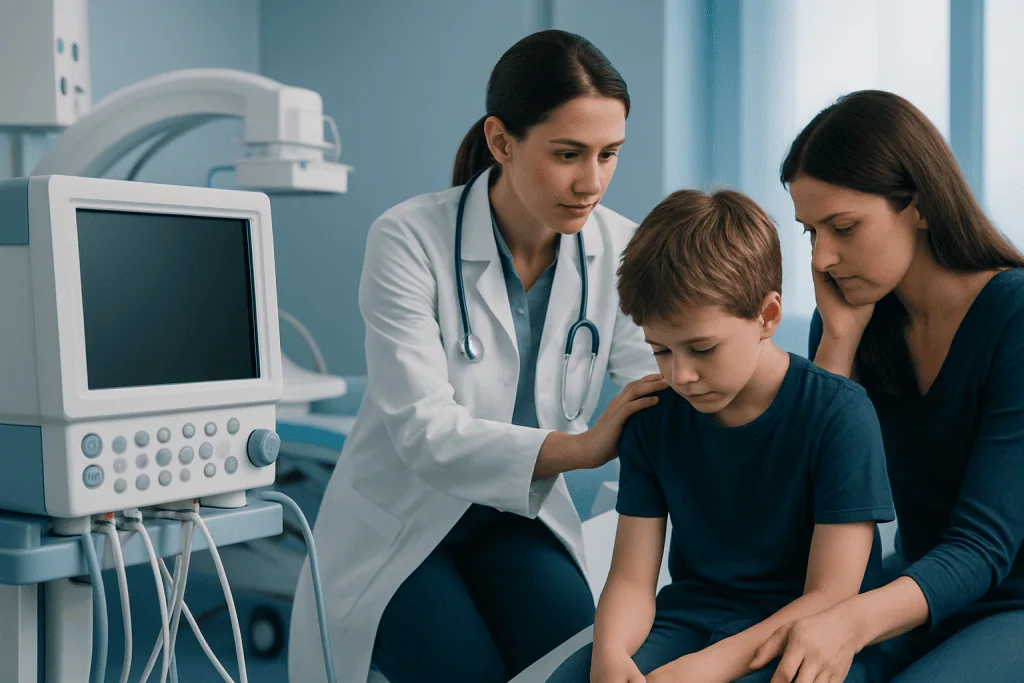
Children can be deeply affected by domestic violence even if they do not directly witness every incident. Common effects include anxiety, sleep problems, behavior changes, trouble at school, and difficulty trusting others.
Key Takeaways
- Children can be deeply affected by domestic violence even if they do not directly witness every incident.
- Common effects include anxiety, sleep problems, behavior changes, trouble at school, and difficulty trusting others.
- A child’s reactions vary by age, personality, support system, and how long the violence has been present.
- Early safety planning, trauma-informed care, and supportive adults can improve recovery.
- Children exposed to domestic violence should be assessed by qualified health or mental health professionals.
Domestic violence can affect a child even when the child is not physically harmed. Exposure to fear, tension, or abuse at home may influence emotional wellbeing, behavior, development, and long-term mental health, but timely support can make a meaningful difference.
Overview
Domestic violence is a pattern of abusive behavior used to control or harm another person in a close relationship. It may include physical, emotional, verbal, sexual, or financial abuse. When this happens in a home where a child lives, the child can be affected even if the abuse is not directed at them.
Children often sense fear, unpredictability, and conflict very clearly. They may hear arguments, see injuries, notice damaged property, or live with constant tension. This kind of stress can affect how a child feels, thinks, behaves, learns, and relates to others.
The effects are not always immediate or obvious. Some children become withdrawn and quiet, while others become irritable, aggressive, or unusually clingy. Because every child responds differently, changes in mood, sleep, school performance, or behavior should be taken seriously and explored with care.
It is also important to know that children can recover. Safe environments, steady support from trusted adults, and appropriate medical or psychological care can help reduce the impact of trauma and support healthy development.
How Domestic Violence Can Affect Mental Health
Living with domestic violence can place a child’s nervous system under ongoing stress. When a child feels unsafe, the body may remain in a state of alertness, making it difficult to relax, sleep, focus, or regulate emotions. Over time, this can affect mental health and everyday functioning.
Children exposed to domestic violence may develop symptoms of anxiety, depression, or trauma-related distress. They may worry constantly about a parent’s safety, fear separation, or feel responsible for events they cannot control. Some children replay upsetting memories, avoid reminders of conflict, or become easily startled.
Emotional effects can also appear in less direct ways. A child may lose interest in favorite activities, have low self-esteem, struggle to trust others, or show intense guilt or shame. Some children have physical complaints such as headaches, stomachaches, or appetite changes that are linked to emotional stress.
In some cases, the impact overlaps with other concerns such as learning difficulties, sleep disorders, or symptoms associated with attention-deficit hyperactivity disorder. Because trauma can look similar to other conditions, a careful and compassionate assessment is important.
Signs and Symptoms by Age
The signs of emotional distress can vary with a child’s age and developmental stage. Babies and toddlers may become unusually fussy, have trouble sleeping, show separation anxiety, or fall behind in language or social milestones. Preschool children may regress, such as bedwetting after being toilet trained, becoming clingy, or developing new fears.
School-age children may have difficulty concentrating, declining grades, irritability, aggression, or frequent complaints of headaches or stomach pain. They may seem distracted in class, avoid going home, or have trouble with friendships. Some become very protective of a parent or siblings.
Teenagers may show sadness, anger, risk-taking behavior, isolation, self-blame, or hopelessness. Sleep changes, school avoidance, conflicts with peers, and substance use can also occur. Some adolescents become secretive or appear emotionally numb rather than visibly upset.
Possible warning signs include:
- Nightmares or poor sleep
- Sudden behavior changes
- Anxiety, panic, or excessive worry
- Regression in younger children
- Difficulty concentrating or learning
- Social withdrawal or loss of interest
- Aggression or frequent anger outbursts
- Unexplained physical complaints
Why the Impact Can Be So Strong
A home is usually where a child expects safety, routine, and comfort. When violence happens there, it can disrupt that basic sense of security. Even if the child is in another room, hearing threats, crying, or objects breaking can be frightening and confusing. Repeated exposure may lead the child to feel that danger can happen at any time.
Domestic violence often affects parenting as well. A parent who is being harmed may be overwhelmed, exhausted, or emotionally distressed, which can make it harder to provide consistent reassurance and routine. The abusive environment may also isolate the family from relatives, friends, teachers, or other adults who might otherwise notice concerns and offer help.
Children may misunderstand what is happening and blame themselves. They may believe they caused the argument, should have stopped it, or must protect a parent or sibling. These beliefs can deepen anxiety and guilt. If violence continues for a long time, it may shape how the child understands relationships, conflict, trust, and self-worth.
Risk can be greater when domestic violence occurs alongside other stressors, such as poverty, substance misuse, frequent moves, neglect, or direct child abuse. In some families, children exposed to domestic violence may also be at risk of child abuse, which requires urgent professional and legal attention.
Diagnosis and Assessment
There is no single test for the mental health effects of domestic violence. Assessment usually begins with a pediatrician, family doctor, child psychologist, or child psychiatrist. The clinician will ask about the child’s symptoms, behavior, sleep, school functioning, medical history, and family situation in a sensitive and age-appropriate way.
Evaluation may include conversations with the parent or caregiver, observation of the child, and sometimes input from teachers or school counselors. The aim is not to label the child quickly, but to understand whether symptoms are linked to trauma, anxiety, depression, developmental concerns, or another issue that may need support.
In some cases, clinicians screen for post-traumatic stress symptoms, self-harm risk, or exposure to other forms of violence. They may also look for related concerns such as developmental delays, sleep problems, or mood disorders. A thorough assessment can help guide the right level of care and identify safety needs.
When symptoms are severe, ongoing, or affecting school and relationships, referral to specialists may be helpful. This can include child and adolescent psychiatry or a trauma-informed mental health professional who understands how family violence affects development.
Treatment and Support Options
The first priority is safety. A child’s mental health cannot improve fully if the environment remains dangerous or unpredictable. Families may need help from emergency services, child protection agencies, domestic violence support organizations, or legal services, depending on the situation and local laws.
Once safety is addressed, treatment focuses on helping the child feel secure, express feelings, and rebuild coping skills. Support may include trauma-focused psychotherapy, play therapy for younger children, family-based support, or counseling for adolescents. Parents and caregivers may also benefit from guidance on how to respond calmly, build routines, and talk to children about what happened in a reassuring, honest way.
Some children need additional support for anxiety, depression, sleep problems, or school difficulties. Care plans may involve the child’s doctor, therapist, school counselor, and family. If another mental health condition is suspected, a specialist may recommend further evaluation through psychiatry services.
In more complex cases, a broader team approach can help address emotional, developmental, and family needs. Near the end of the care journey, families may seek support from experienced centers such as Acibadem International, where multidisciplinary specialists in JCI-accredited hospitals assess and treat children and adolescents, including through psychology and pediatric mental health services for international patients.
What Parents and Caregivers Can Do
Supportive adults play a major role in a child’s recovery. A calm, predictable routine can help restore a sense of safety. Regular mealtimes, bedtime habits, school attendance, and clear expectations may reduce stress and help the child feel more secure.
It also helps to listen without pressure. Children should not be forced to talk, but they should know that their feelings are welcome and believed. Simple statements such as “This is not your fault” and “You are safe with me right now” can be very reassuring. Adults should avoid criticizing the other parent in front of the child and should not ask the child to carry messages or take sides.
Healthy coping strategies can support healing. Age-appropriate play, drawing, physical activity, time outdoors, relaxation exercises, and opportunities to connect with trusted adults may be helpful. Limiting exposure to yelling, frightening media, and ongoing conflict is also important.
Caregivers should seek help for themselves as well. A parent’s emotional recovery can strengthen the child’s recovery. Reaching out to healthcare professionals, school staff, domestic violence advocates, and community services can make support more practical and consistent.
When to Seek Professional Help
Professional support is important if a child shows ongoing sadness, fear, sleep problems, aggression, withdrawal, school decline, or physical complaints without a clear medical cause. Help is also needed if symptoms continue for weeks, interfere with daily life, or seem to be getting worse rather than better.
Urgent assessment is needed if a child talks about self-harm, hopelessness, wanting to die, harming others, or if there are signs of direct physical or sexual abuse. Any immediate danger should be treated as an emergency. Local emergency services or child protection authorities should be contacted right away when safety is at risk.
It is also reasonable to seek help even before symptoms become severe. Early support can reduce the long-term effects of trauma and teach caregivers how to respond in the most helpful way. A pediatrician or family doctor can be a good first step and can guide referrals when needed.
No family needs to manage this alone. With safety, timely care, and consistent support, many children gradually regain confidence, emotional balance, and trust in their daily world.
Frequently asked questions
Can domestic violence affect a child even if the child does not see it happen?
Yes. Children can be affected by hearing arguments, sensing fear, seeing injuries, or living with constant tension at home. Even indirect exposure can create stress that affects sleep, behavior, emotions, and learning.
What mental health problems can happen in children exposed to domestic violence?
Children may develop anxiety, depression, trauma-related symptoms, sleep problems, or behavior changes. Some have trouble concentrating, become withdrawn, or act aggressively. Others show stress through physical complaints such as headaches or stomachaches.
Do all children react in the same way?
No. A child’s response depends on age, temperament, the severity and duration of the violence, and the support available from safe adults. Some children show clear symptoms quickly, while others appear fine at first and struggle later.
How can a parent talk to a child about domestic violence?
The conversation should be calm, honest, and age-appropriate. Children need to hear that the violence is not their fault and that adults are working to keep them safe. They should not be pressured to share details before they are ready.
When should a child see a doctor or therapist?
A child should be evaluated if there are lasting changes in mood, sleep, behavior, school performance, or physical complaints related to stress. Professional help is especially important if symptoms interfere with daily life or if there are signs of self-harm, abuse, or ongoing danger.
Can children recover from the effects of domestic violence?
Yes, many children improve with safety, stable routines, and trauma-informed support. Recovery may take time, and some children need counseling or specialist care. Early help often improves coping, emotional regulation, and long-term wellbeing.
References
- World Health Organization
- UNICEF
- American Academy of Pediatrics
- Centers for Disease Control and Prevention
- National Child Traumatic Stress Network
This article is for general information only and is not a substitute for professional medical advice. Please consult a qualified doctor about your individual situation.
Explore treatments in Turkey — costs, top hospitals & a free quote
JCI-accredited · board-certified surgeons · reply within 24h
Add us as a Preferred Source to see more of our trusted health content across Google Search, AI Overviews and Discover.

More from the Health Library



Related Specialists

Prof. Dr. Uğur Öziç
Orthopedic Surgery & Traumatology
Prof. Dr. Erkin Aribal
Breast Clinic Clinical Service
Dr. Mustafa Yalçın
Gastroenterology
Dr. Faruk Batur
Inpatient Clinic Physicians Clinical Service