Are Video Games Bad for Children’s Health? Sleep, Mood, and Screen Time Explained

Moderate, age-appropriate gaming is not necessarily harmful for most children. Too much gaming can affect sleep, mood, school performance, and physical activity.
Key Takeaways
- Moderate, age-appropriate gaming is not necessarily harmful for most children.
- Too much gaming can affect sleep, mood, school performance, and physical activity.
- Game content, timing, and family routines matter as much as total screen time.
- Warning signs include irritability, loss of interest in other activities, and gaming that disrupts daily responsibilities.
- Parents can support healthier gaming with clear limits, device-free bedtime routines, and regular breaks.
Video games are not automatically harmful for children, but their effects depend on how long, how often, and what kind of games a child plays. The biggest health concerns usually involve sleep, mood, physical activity, posture, and whether gaming starts to interfere with daily life.
Overview
Many parents ask whether video games are bad for children’s health. The most balanced answer is that gaming is not simply good or bad. Its impact depends on the child’s age, emotional maturity, sleep habits, daily routine, the type of game being played, and how much time gaming takes away from other healthy activities.
For many children, video games can be a form of entertainment, social interaction, creativity, and problem-solving. Some games encourage planning, teamwork, quick decision-making, or persistence. Gaming may also help children relax after school or connect with friends, especially when play is age-appropriate and supervised.
Problems are more likely when gaming becomes excessive or poorly timed. Late-night play, long uninterrupted sessions, highly stimulating content, and games that replace sleep, exercise, homework, or in-person relationships can affect health and well-being. In these situations, the concern is usually not just the game itself, but the overall pattern of use.
Looking at the bigger picture helps families make practical choices. Instead of asking only how many minutes a child plays, it is often more helpful to ask whether gaming fits into a healthy daily routine that includes sleep, school, movement, family time, and offline interests.
How Video Games Can Affect Sleep, Mood, and Behavior
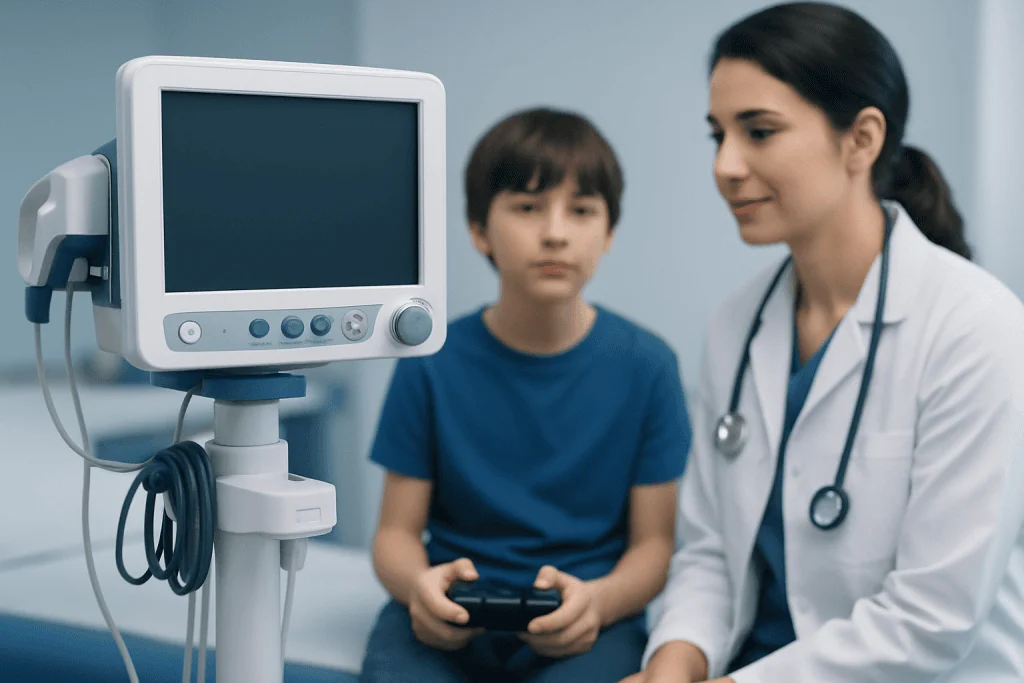
Sleep is one of the most important areas to watch. Gaming close to bedtime can make it harder for children to wind down, especially if the game is fast-paced, competitive, or emotionally intense. The bright light from screens may also delay the body’s natural sleep signals, making it more difficult to fall asleep and reducing overall sleep quality.
When children do not get enough sleep, the effects often appear during the day. They may be more tired, less focused, more emotional, or more impulsive. Poor sleep can also affect learning, memory, school performance, and behavior at home. In some cases, irritability linked to tiredness may look like a mood or attention problem.
Gaming can affect mood in different ways. Some children feel relaxed and satisfied after playing, while others become frustrated, overstimulated, or upset when asked to stop. If a child regularly becomes angry, anxious, or withdrawn around gaming, it may be a sign that limits or game choices need to change.
Behavior matters as much as screen time. A child who enjoys games but still sleeps well, does schoolwork, joins family activities, and maintains friendships is different from a child whose gaming leads to conflict, secrecy, or daily struggles. Parents should pay attention to patterns over time rather than judging by one difficult day.
Possible Physical Health Effects

Video games are a sedentary activity, so long hours of play may reduce time spent being physically active. If gaming regularly replaces outdoor play, sports, or movement, children may miss important benefits for fitness, bone health, coordination, and overall well-being. This matters especially during growth and development.
Posture and comfort are also important. Sitting for long periods in awkward positions may contribute to neck, shoulder, back, or wrist discomfort. Some children may also report headaches or eye strain after extended sessions, particularly if they do not take breaks or if the room lighting and screen position are poor.
Snacking habits can change during gaming too. Children who eat while playing may pay less attention to hunger and fullness cues and may choose convenient, highly processed foods more often. Over time, this pattern can affect weight, energy levels, and general health if it becomes part of a daily routine.
These effects are not unique to video games, but gaming can make them more likely when it is prolonged and unstructured. Helpful habits include regular movement breaks, comfortable seating, proper screen distance, hydration, and separating meals from play when possible.
What Increases the Risk of Problems?
Not every child responds to gaming in the same way. Risk tends to be higher when a child has very little routine, few limits, or easy access to devices at all hours. Children may also struggle more if they use gaming as their main way to cope with stress, loneliness, boredom, or difficult emotions.
The kind of game matters. Games designed around constant rewards, social pressure to stay online, or endless play can be harder to stop. Competitive games may be exciting for some children but overwhelming for others. Age-inappropriate content, including violent or frightening material, may also affect mood, sleep, and behavior in sensitive children.
Family and developmental factors play a role as well. Children with attention, learning, sleep, or emotional regulation difficulties may find it harder to switch away from gaming or manage frustration. In some situations, gaming problems may overlap with concerns such as anxiety, low mood, or attention-deficit/hyperactivity disorder.
Warning signs that deserve attention include:
- Gaming that regularly cuts into sleep
- Falling school performance or missed responsibilities
- Loss of interest in hobbies, sports, or friends
- Frequent conflict when gaming is limited
- Secretive behavior around devices
- Using games to escape distress most of the time
How Parents Can Assess Whether Gaming Is Healthy
There is no single test that determines whether gaming is healthy or unhealthy. Parents usually get the clearest picture by looking at daily functioning. Helpful questions include: Is the child sleeping enough? Are they active most days? Are school tasks being completed? Do they still enjoy family life, friendships, and offline play?
It also helps to notice what happens before, during, and after gaming. A child who can stop without major distress, talk openly about what they are playing, and move on to other activities is usually showing healthier regulation than a child who becomes highly upset, refuses limits, or seems preoccupied with the next chance to play.
Parents may find it useful to track patterns for a week or two. Writing down gaming times, bedtime, mood changes, school issues, and family conflicts can reveal whether there is a real link. This is often more informative than trying to judge from memory alone.
If concerns continue, a pediatrician or child mental health professional can help explore whether gaming is the main issue or whether it is overlapping with another concern, such as a sleep problem, stress, anxiety, or depression. A careful evaluation focuses on the child as a whole, not just the screen.
Healthy Screen Time and Gaming Habits
Healthy gaming usually starts with structure. Families often do best when they set clear rules about when gaming can happen, where devices are used, and what comes first. Homework, meals, sleep, physical activity, and family responsibilities should have priority. Predictable routines can reduce arguments and help children know what to expect.
One of the most effective steps is to keep screens out of the bedtime routine. Stopping gaming well before sleep gives the brain time to settle. Bedrooms are often healthiest as device-free sleep spaces, especially for younger children and for any child who is tempted to play late into the night.
Children also benefit from frequent breaks. A simple rule is to stand up, stretch, rest the eyes, and move around regularly during longer sessions. Parents can encourage a balanced day that includes outdoor time, reading, unstructured play, and social contact away from the screen.
Practical family strategies may include:
- Choosing age-appropriate games and checking ratings
- Keeping consoles and computers in shared family spaces
- Agreeing on daily or weekly gaming limits
- Turning off autoplay or unnecessary notifications
- Avoiding gaming during meals and close to bedtime
- Talking calmly about online safety, chat features, and in-game purchases
When to Seek Professional Advice
Professional advice can be helpful if gaming seems to be affecting a child’s health, behavior, or development. Parents should consider speaking with a doctor if a child has ongoing sleep problems, noticeable mood changes, declining school performance, social withdrawal, frequent headaches, or physical discomfort linked to screen use.
Support is also important if gaming leads to intense family conflict or if a child seems unable to cut back despite clear harm. In these cases, a clinician can assess sleep, emotional well-being, attention, routine, and overall health. If sleep has become a major issue, a doctor may recommend evaluation and support similar to care used for broader sleep disorder treatment.
Some children may benefit from guidance on behavior, emotional regulation, or family routines. Depending on the situation, support may include pediatric assessment, counseling, or child and adolescent mental health care. If posture pain, headaches, or vision symptoms are prominent, focused medical review may also be needed.
Near the end of the care journey, families may value coordinated support. Acibadem International’s multidisciplinary specialists and JCI-accredited hospitals diagnose and treat children with sleep, behavioral, and related health concerns for international patients, with referrals arranged when needed.
Frequently asked questions
Are video games always bad for children?
No. For many children, video games can be a normal form of entertainment when they are age-appropriate and balanced with sleep, school, movement, and family life. Problems usually arise when gaming becomes excessive or starts to interfere with health and daily functioning.
Can video games affect a child’s sleep?
Yes, especially when children play close to bedtime or play highly stimulating games for long periods. Gaming late in the evening can make it harder to fall asleep and may reduce sleep quality, which can affect mood, attention, and learning the next day.
How much gaming is too much?
There is no single number that fits every child. Gaming is more likely to be too much if it regularly replaces sleep, exercise, homework, social time, or family activities, or if the child becomes very upset when asked to stop.
Do violent games cause behavior problems?
Game content can influence some children more than others, especially if the material is not age-appropriate or the child is already sensitive, anxious, or impulsive. Parents should consider both the game’s content and how the child behaves during and after play.
What are signs of unhealthy gaming habits?
Common warning signs include sleep loss, irritability, falling grades, reduced interest in offline activities, secrecy around devices, and conflict when limits are set. A pattern over time is more meaningful than an occasional difficult day.
How can parents make gaming healthier?
Parents can set clear routines, choose age-appropriate games, keep devices out of bedrooms, and encourage breaks and physical activity. Calm, consistent rules usually work better than sudden bans, especially when parents stay involved in what children are playing.
References
- American Academy of Pediatrics
- World Health Organization
- Centers for Disease Control and Prevention
- National Sleep Foundation
- UNICEF
This article is for general information only and is not a substitute for professional medical advice. Please consult a qualified doctor about your individual situation.
Joint and spine care in Turkey — expert assessment & treatment
JCI-accredited · board-certified surgeons · reply within 24h
Add us as a Preferred Source to see more of our trusted health content across Google Search, AI Overviews and Discover.

More from the Health Library



Related Specialists

Dr. Ayşe Cennet Sarimehmetoğlu
Cardiology
Gizem Karaoğlan
Physical Medicine & Rehabilitation
Dr. Munara Bolatkhan
Inpatient Clinic Physicians Clinical Service
Assoc. Prof. Dr. Mehmet Altiparmak
Aesthetic Plastic & Reconstructive Surgery