Depression in Rehabilitation: Signs, Diagnosis, and Treatment Support
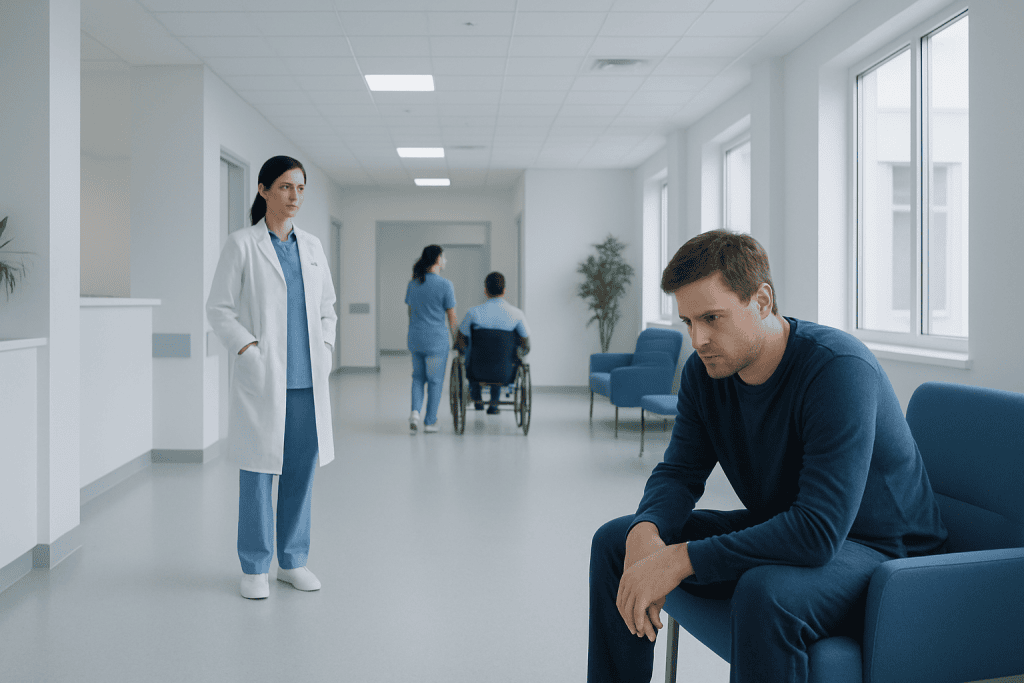
Depression in rehabilitation is common and can affect motivation, sleep, pain, and participation in therapy. Symptoms that last most of the day for at least two weeks should be discussed with a qualified clinician.
Key Takeaways
- Depression in rehabilitation is common and can affect motivation, sleep, pain, and participation in therapy.
- Symptoms that last most of the day for at least two weeks should be discussed with a qualified clinician.
- Diagnosis is based on a careful medical and mental health assessment, not a single test.
- Treatment may include counseling, medication, rehabilitation support, and management of pain or sleep problems.
- Family support, daily routine, and realistic goals can help a person stay engaged in recovery.
- Urgent help is needed if there are thoughts of self-harm, suicide, or inability to stay safe.
Depression can develop or worsen during rehabilitation for injury, illness, or surgery. Recognizing symptoms early and combining mental health care with rehabilitation support can help recovery feel more manageable and improve overall well-being.
Overview
Depression in rehabilitation refers to depressive symptoms that appear during recovery from a major illness, injury, surgery, stroke, chronic pain condition, or loss of physical function. Rehabilitation often asks a person to adapt to pain, fatigue, temporary dependence on others, changes in work or family roles, and uncertainty about the future. These pressures can affect mood, energy, and confidence, especially when recovery is slower than expected.
Feeling frustrated, discouraged, or tearful at times during rehabilitation can be a normal response to a difficult situation. Depression is different because symptoms are more persistent, more intense, and begin to interfere with daily life and recovery. A person may lose interest in activities, withdraw from therapy, struggle to concentrate, or feel hopeless about improvement even when care is available.
Depression does not mean a person is weak or not trying hard enough. It is a medical condition influenced by emotional stress, brain chemistry, sleep disruption, pain, inflammation, medications, and the impact of disability or reduced independence. When recognized early, depression can be treated, and support can be tailored so that mental health care becomes part of the rehabilitation plan rather than something separate from it.
Signs and Symptoms of Depression During Recovery
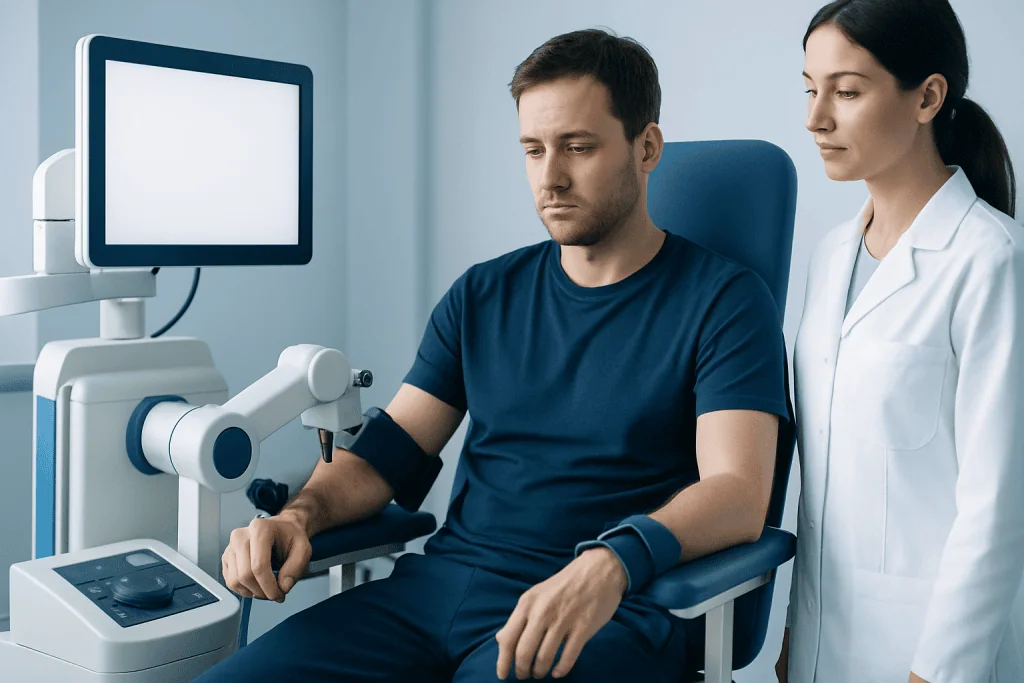
The symptoms of depression in rehabilitation can be emotional, physical, and behavioral. Some signs may overlap with the underlying medical condition, which can make depression harder to notice. For example, fatigue, poor sleep, low appetite, or difficulty concentrating may be attributed only to injury or treatment, even when depression is also contributing.
Common symptoms include persistent sadness, emptiness, irritability, loss of interest in usual activities, low motivation, feelings of guilt or worthlessness, reduced self-confidence, anxiety about the future, and social withdrawal. In rehabilitation, these symptoms may appear as missed therapy sessions, reluctance to practice exercises, difficulty following instructions, or a sense that recovery efforts are pointless.
Physical symptoms may include changes in sleep, appetite, weight, energy, and pain perception. Depression can make pain feel more intense and can lower tolerance for discomfort. It may also slow problem-solving and concentration, making it harder to learn new skills or adapt to assistive devices.
- Feeling down or hopeless most days
- Loss of interest or pleasure in hobbies, social contact, or therapy goals
- Sleeping too little or too much
- Noticeable fatigue or low energy
- Changes in appetite or weight
- Difficulty concentrating, remembering, or making decisions
- Increased tearfulness, irritability, or frustration
- Thoughts of death, self-harm, or suicide, which require urgent help
Why Depression Can Happen in Rehabilitation
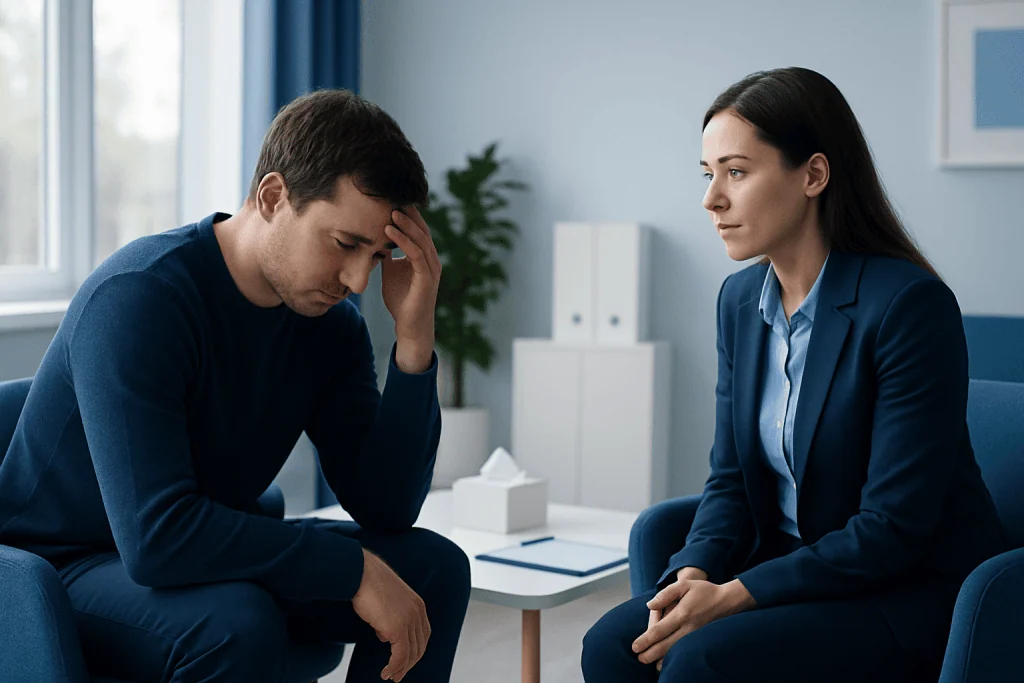
Rehabilitation often begins after a life-changing event. Stroke, spinal injury, orthopedic surgery, serious illness, chronic pain, or a long hospital stay can lead to major emotional strain. A person may be grieving the loss of previous abilities, work routines, independence, or identity. Even when improvement is expected, the day-to-day effort of recovery can feel exhausting.
Biological factors also play a role. Pain, inflammation, hormonal changes, medication side effects, sleep disturbance, and direct effects on the brain or nervous system can contribute to low mood. For example, depression may occur after neurological conditions such as stroke or alongside persistent pain and reduced mobility. Some people already have a history of depression or anxiety, which can increase vulnerability during rehabilitation.
Social circumstances matter as well. Limited family support, financial stress, time away from work, caregiving burdens, and isolation can worsen emotional distress. Risk may be higher when recovery is prolonged, when goals are unclear, or when a person feels they have lost control over their body or future. These factors do not mean depression is inevitable, but they do show why screening for mental health symptoms should be part of good rehabilitation care.
How Depression Is Diagnosed
There is no single blood test or scan that confirms depression. Diagnosis is made through a careful conversation with a doctor, psychiatrist, psychologist, or another qualified clinician. They ask about mood, sleep, appetite, concentration, energy, pain, recent life changes, medical history, medications, and how symptoms affect rehabilitation and daily life.
In many settings, clinicians also use brief screening questionnaires to help identify symptoms and track changes over time. These tools support diagnosis, but they do not replace a full clinical assessment. The care team also looks for medical problems that can mimic or worsen depression, such as thyroid disorders, vitamin deficiencies, medication effects, infection, uncontrolled pain, or sleep disorders.
An important part of diagnosis is distinguishing expected emotional reactions from a depressive disorder that needs treatment. A person may feel upset about their health condition without meeting criteria for depression. On the other hand, someone who seems quiet or unmotivated may actually be depressed rather than simply tired. If thoughts of self-harm, suicide, or hopelessness are present, urgent assessment is essential.
Because mood and physical recovery affect each other, diagnosis often works best when rehabilitation and mental health teams communicate closely. This may include a physiatrist, neurologist, orthopedic specialist, psychologist, psychiatrist, physical therapist, occupational therapist, speech therapist, and primary care doctor, depending on the reason for rehabilitation.
Treatment Options and Rehabilitation Support
Treatment for depression in rehabilitation is individualized. Most people benefit from a combination of emotional support, practical rehabilitation adjustments, and treatment for contributing medical issues such as pain or poor sleep. The goal is not only to improve mood, but also to help the person engage more fully in recovery and daily life.
Psychological therapies are often central to care. Talking therapies such as cognitive behavioral therapy can help a person recognize unhelpful thought patterns, manage anxiety, rebuild confidence, and set realistic goals. Counseling can also support adjustment to disability, grief, family role changes, and return to work or social life. In a rehabilitation setting, therapy may be adapted to cognitive or communication needs.
Antidepressant medication may be recommended when symptoms are moderate to severe, persistent, or significantly affecting participation in rehabilitation. Medication choices depend on a person’s overall health, other prescriptions, sleep pattern, pain symptoms, and side effect profile. Doctors usually review benefits and possible side effects carefully and monitor progress over time. For some people, treatment of coexisting chronic pain is also an important part of improving mood and function.
Rehabilitation support itself can reduce depressive symptoms when it is structured, compassionate, and realistic. This may include smaller therapy goals, regular scheduling, pain management, better sleep habits, social work support, family education, and exercise programs that match the person’s ability. Depending on the underlying condition, coordinated care may involve physical therapy and rehabilitation and, after a neurological event, stroke rehabilitation as part of a broader recovery plan.
Self-care, Family Support, and Prevention
Not every case of depression can be prevented, but early support can reduce risk and help symptoms be recognized sooner. A clear rehabilitation plan, simple short-term goals, and honest communication about recovery expectations can make the process feel less overwhelming. When possible, maintaining a daily routine for sleep, meals, hygiene, activity, and social contact can create a sense of structure and control.
Exercise and movement, within the limits set by the care team, can support both physical and emotional recovery. Gentle activity may improve sleep, energy, confidence, and pain coping. Nutrition, hydration, and treatment of sleep problems also matter because poor physical well-being can intensify low mood and fatigue.
Family members and caregivers play an important role. They can encourage participation without criticism, notice mood changes, help organize medications and appointments, and support realistic goal setting. It is often more helpful to acknowledge how hard recovery feels than to insist on constant positivity. Small signs of progress may be easier to notice with support from others.
Some people benefit from peer groups, social workers, spiritual care, or community organizations during rehabilitation. If symptoms continue, worsen, or begin to affect safety, professional mental health support should be arranged promptly. Near the end of the care pathway, some patients may seek multidisciplinary follow-up; Acibadem International’s specialists in JCI-accredited hospitals diagnose and treat rehabilitation-related conditions for international patients when this is appropriate.
When to Seek Medical Help
A doctor should be informed if low mood, loss of interest, anxiety, or lack of motivation lasts for two weeks or more, or sooner if symptoms are severe. Help is also important when depression begins to interfere with therapy attendance, self-care, eating, sleep, pain management, relationships, or the ability to follow the rehabilitation plan.
Urgent medical attention is needed if a person talks about wanting to die, expresses hopelessness, has thoughts of self-harm or suicide, becomes unable to care for basic needs, or shows sudden major behavioral changes. Family members should not assume these symptoms are just part of recovery. It is safest to take them seriously and contact emergency services or the treating team right away.
It can also be helpful to seek review when symptoms might be related to medication side effects, uncontrolled pain, new neurological changes, or another medical problem. Depression during rehabilitation is treatable, and asking for help early can support both emotional recovery and physical progress.
Frequently asked questions
Is it normal to feel depressed during rehabilitation?
Many people feel sad, frustrated, or worried during rehabilitation, especially after a major health event. Depression is more than a temporary emotional reaction because symptoms persist and begin to affect daily life, motivation, and recovery. A clinician can help decide whether treatment is needed.
Can depression slow physical recovery?
Yes. Depression can reduce energy, concentration, motivation, sleep quality, and pain tolerance, which may make it harder to participate consistently in therapy. Treating depression can support better engagement with rehabilitation and improve overall quality of life.
How do doctors tell the difference between fatigue from illness and depression?
Doctors look at the whole picture rather than one symptom alone. They ask about mood, enjoyment, sleep, appetite, thoughts, concentration, and how long symptoms have been present. They also review medical conditions and medicines that could cause similar problems.
What treatments are commonly used for depression in rehabilitation?
Treatment often includes talking therapy, support from the rehabilitation team, management of pain and sleep problems, and sometimes antidepressant medication. A combined approach is usually most helpful because physical recovery and mental health influence each other.
Should family members be involved in treatment?
Family involvement is often helpful when the patient agrees. Relatives and caregivers can support routines, encourage therapy participation, notice warning signs, and help reduce isolation. They may also benefit from guidance on how to offer support without pressure or judgment.
When is depression during rehabilitation an emergency?
It is an emergency if a person has thoughts of self-harm or suicide, says they do not want to live, becomes unable to stay safe, or shows sudden severe changes in behavior. In these situations, urgent medical help should be sought immediately through emergency services or the treating team.
References
- World Health Organization
- National Institute of Mental Health
- American Psychiatric Association
- National Institute for Health and Care Excellence
- Centers for Disease Control and Prevention
This article is for general information only and is not a substitute for professional medical advice. Please consult a qualified doctor about your individual situation.
Depression in Turkey — costs, top hospitals & a free quote
JCI-accredited · board-certified surgeons · reply within 24h
Add us as a Preferred Source to see more of our trusted health content across Google Search, AI Overviews and Discover.