Migraine Relief: What Helps During an Attack and What to Avoid

Treating a migraine early is often more effective than waiting until pain becomes severe. Resting in a dark, quiet room and staying hydrated can support migraine relief.
Key Takeaways
- Treating a migraine early is often more effective than waiting until pain becomes severe.
- Resting in a dark, quiet room and staying hydrated can support migraine relief.
- Prescription or over-the-counter medicines may help, but frequent use can lead to medication-overuse headache.
- Common things to avoid during an attack include bright light, strong smells, alcohol, and dehydration.
- Medical review is important if headaches change suddenly, become more severe, or include unusual neurological symptoms.
Migraine relief often starts with early treatment, a calm environment, and avoiding common triggers that can worsen symptoms. Understanding what helps during an attack and what to avoid can make episodes shorter, more manageable, and less disruptive.
Overview: What Migraine Relief Means
Migraine is more than a simple headache. It is a neurological condition that can cause moderate to severe head pain, often together with nausea, vomiting, and sensitivity to light, sound, or smell. Some people also experience visual changes or other warning symptoms called aura before the pain begins.
Migraine relief during an attack usually involves a combination of approaches. These may include resting in a low-stimulation environment, drinking fluids, taking medicine early, and avoiding factors that make symptoms worse. The right strategy can vary from person to person because migraine patterns and triggers are highly individual.
Many people find that relief is best when action is taken as soon as symptoms begin. Waiting until pain becomes intense can make treatment less effective. A healthcare professional can help create a plan that covers both fast symptom relief and longer-term prevention when attacks are frequent.
Symptoms During a Migraine Attack
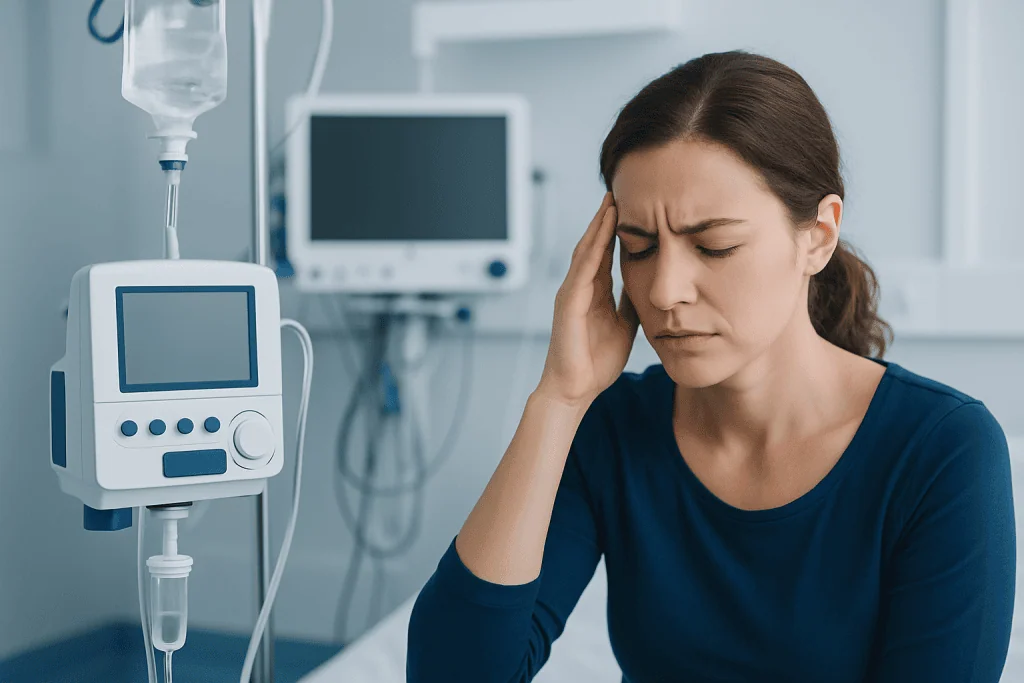
Migraine symptoms can happen in stages, although not everyone experiences each one. Before the headache starts, some people notice early warning signs such as tiredness, mood changes, neck stiffness, food cravings, or difficulty concentrating. Others may have aura, which can include flashing lights, zigzag lines, blind spots, tingling, or temporary speech difficulty.
During the main attack, pain is often throbbing or pulsating and may affect one side of the head, though it can also involve both sides. Physical activity can make the pain worse, and many people feel sick to the stomach or vomit. Light, noise, and strong odors may feel especially uncomfortable.
After the attack, a person may feel drained, foggy, or sore for hours or even a day or two. Recognizing this full pattern can help with migraine relief because treatment can sometimes begin before the headache reaches its peak.
- Head pain that is moderate to severe
- Nausea or vomiting
- Sensitivity to light, sound, or smell
- Visual symptoms or aura in some people
- Fatigue, concentration problems, or neck discomfort
What Helps During a Migraine Attack
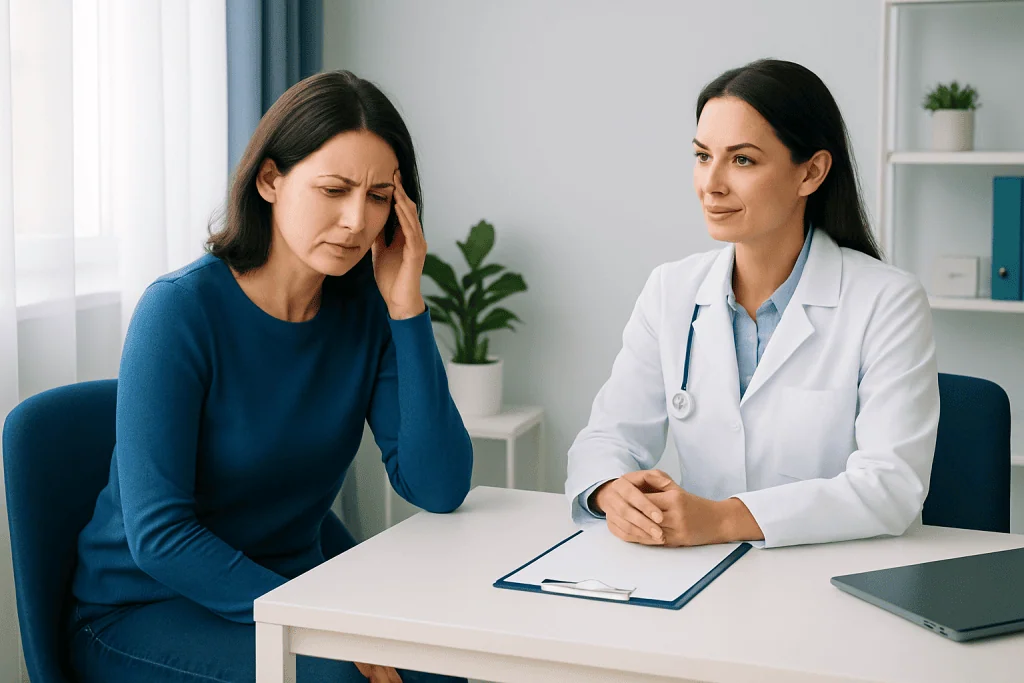
One of the most helpful steps is to move to a quiet, dark, and comfortable room as early as possible. Reducing sensory stimulation can lessen pain and nausea for many people. A cool cloth on the forehead, gentle relaxation, and sleep may also help if the person is able to rest.
Hydration is another practical part of migraine relief. Small, steady sips of water may be easier than drinking a large amount at once, especially if nausea is present. Some people also benefit from a light snack if they have not eaten for several hours, since hunger can worsen symptoms.
Medicines can be an important part of treatment. Depending on the person and the severity of attacks, a doctor may recommend over-the-counter pain relievers, anti-nausea medicines, or migraine-specific prescription treatments. Taking medication early in the attack is often more effective than waiting. For people with frequent or disabling episodes, a doctor may discuss broader neurology care or referral for specialized pain management support when appropriate.
Some people find limited caffeine helpful early in an attack, especially if they already know it works for them. However, this should be used carefully because caffeine can also trigger headaches or contribute to rebound symptoms in some individuals. A personalized plan from a healthcare professional is the safest way to decide what is most suitable.
What to Avoid During a Migraine
Several common factors can make a migraine attack worse. Bright screens, loud environments, strong perfumes, cigarette smoke, and intense physical effort may increase discomfort. During an active attack, reducing these exposures can support faster and more complete relief.
Alcohol is often best avoided, especially because it can worsen dehydration and trigger further symptoms. Skipping meals can also make migraine harder to manage. Even if appetite is low, a small bland snack may be better than going many hours without food, unless nausea is severe.
It is also important not to overuse pain medicines. Frequent use of short-term headache medicines can lead to medication-overuse headache, in which headaches become more frequent or harder to treat. People who need acute treatment often should speak with a doctor about safer long-term strategies, including evaluation for related conditions such as headache disorders or migraine.
Causes, Triggers, and Risk Factors
The exact cause of migraine is not fully understood, but it is believed to involve complex changes in the brain, nerves, and blood vessels. Genetics play a major role, and migraine often runs in families. Hormonal shifts, especially around menstruation, can also influence attack patterns in some people.
Triggers do not cause migraine in every situation, but they may increase the chance of an attack in someone who is susceptible. Common triggers include poor sleep, stress, dehydration, missed meals, alcohol, caffeine changes, weather shifts, bright lights, and certain foods. Trigger patterns vary widely, so a factor that affects one person may not affect another.
Keeping a symptom diary can be useful. Recording sleep, meals, menstrual cycle timing, stress levels, and possible food or environmental triggers may help identify patterns over time. This information can guide migraine relief plans and make conversations with a doctor more productive.
Diagnosis and When Medical Advice Is Needed
Migraine is usually diagnosed based on symptoms, medical history, and a neurological examination. There is no single blood test that confirms migraine. Doctors look at the pattern of attacks, the type of pain, associated symptoms such as nausea or sensitivity to light, and whether aura is present.
Tests such as brain imaging are not needed for everyone, but they may be recommended if symptoms are unusual, new, or concerning. For example, imaging can help when headaches suddenly change, begin later in life, or are accompanied by findings that suggest another cause. In some cases, assessment may involve brain and nerve check-up services to evaluate neurological symptoms more fully.
Urgent medical attention is important for a sudden severe headache that reaches maximum intensity quickly, a headache after a head injury, or headache with fever, confusion, weakness, fainting, seizure, or new vision or speech problems. These features can point to conditions other than migraine and should not be ignored.
Treatment Options and Prevention Between Attacks
Treatment is often divided into acute treatment and preventive treatment. Acute treatment aims to stop or reduce symptoms during an attack. Preventive treatment is considered when migraines are frequent, long-lasting, or disabling, or when acute medicines are not enough or cannot be used safely.
Preventive approaches may include prescription medicines, treatment of contributing sleep or stress problems, and lifestyle adjustments. Regular sleep, consistent meals, hydration, exercise, and stress management can all reduce attack frequency for some people. Relaxation training, mindfulness, and identifying personal triggers may also help.
People with frequent severe attacks may benefit from specialist assessment. In selected cases, care may involve structured review by neurology specialists to confirm the diagnosis, optimize medicines, and rule out other causes. Near the end of the care journey, some international patients may also seek evaluation at Acibadem International, where multidisciplinary specialists in JCI-accredited hospitals diagnose and treat migraine and related neurological conditions.
Self-care Tips for Better Migraine Relief
A written migraine plan can make attacks easier to manage. This plan may include early warning signs, which medicine to take and when, how to manage nausea, when to rest, and when to ask for help. Having supplies ready, such as water, prescribed medicine, and a cool compress, can be useful.
It may also help to protect recovery after the attack. Returning too quickly to screens, heavy exercise, or a busy environment can sometimes bring symptoms back or prolong fatigue. A gradual return to normal activity is often more comfortable.
Long-term self-care includes not smoking, limiting alcohol if it is a trigger, using caffeine consistently and cautiously, and avoiding self-treatment with pain relievers too often. If migraine becomes more frequent or treatment stops working, medical review is the best next step.
Frequently asked questions
What is the fastest way to get migraine relief?
For many people, the best chance of relief comes from treating the migraine early. Resting in a dark, quiet room, drinking fluids, and taking doctor-recommended medicine as soon as symptoms start can help shorten the attack.
Should a person sleep during a migraine attack?
Sleep can help some people because it reduces stimulation and may interrupt the attack. If sleep is possible and safe, it is often a reasonable part of migraine relief, especially when combined with hydration and early treatment.
What should be avoided during a migraine?
Common things to avoid include bright light, loud noise, strong smells, alcohol, dehydration, and skipping meals. It is also important to avoid taking pain medicines too often, since this can lead to medication-overuse headache.
Can dehydration make migraine worse?
Yes, dehydration is a common migraine trigger and can also worsen symptoms during an attack. Small frequent sips of water may be easier to tolerate than drinking a large amount at once, especially if nausea is present.
When should someone see a doctor about migraine?
A doctor should be consulted if headaches are frequent, severe, changing in pattern, or interfering with daily life. Urgent care is needed for sudden severe headache, headache after injury, or headache with weakness, confusion, seizure, or new vision or speech changes.
Can over-the-counter pain relievers help migraine relief?
They can help some people, especially when taken early in an attack. However, they are not right for everyone and should not be used too often, so regular or severe migraines should be discussed with a healthcare professional.
References
- World Health Organization
- National Institute of Neurological Disorders and Stroke
- American Migraine Foundation
- National Health Service
- International Headache Society
This article is for general information only and is not a substitute for professional medical advice. Please consult a qualified doctor about your individual situation.
Migraine in Turkey — costs, top hospitals & a free quote
JCI-accredited · board-certified surgeons · reply within 24h
Add us as a Preferred Source to see more of our trusted health content across Google Search, AI Overviews and Discover.