What Medicine Is Best for a Headache? How Treatment Depends on the Cause

There is no single best headache medicine for every person or every type of headache. Treatment works best when the headache type and possible trigger are identified first.
Key Takeaways
- There is no single best headache medicine for every person or every type of headache.
- Treatment works best when the headache type and possible trigger are identified first.
- Using pain relievers too often can lead to medication-overuse headache.
- Sudden, severe, unusual, or neurologic headaches need prompt medical attention.
- Self-care such as hydration, sleep, stress management, and trigger tracking can reduce headache frequency.
The best headache medicine depends on why the headache is happening. Mild tension headaches may improve with simple pain relievers, while migraine, sinus problems, medication overuse, or sudden severe headaches may need a different plan and medical evaluation.
Overview: Why the Best Headache Medicine Depends on the Cause
Headache is a symptom, not a single disease. Because headaches can happen for many reasons, the best headache medicine depends on what type of headache a person has, how often it occurs, how severe it is, and whether other symptoms are present. A medicine that helps one kind of headache may do little for another, and in some cases it may even make symptoms worse if used too often.
Common primary headache types include tension-type headache and migraine. Secondary headaches happen because of another issue, such as a viral illness, sinus inflammation, dehydration, high blood pressure, side effects of medicines, or a more urgent medical problem. This difference matters because treatment should address both pain relief and the underlying cause whenever possible.
For many mild headaches, simple measures such as rest, hydration, food, and over-the-counter pain relief may be enough. For recurrent migraine or frequent headaches, a doctor may recommend targeted treatment, preventive therapy, or tests to rule out other causes. Safe treatment starts with recognizing patterns and knowing when self-care is appropriate and when medical assessment is needed.
Common Headache Types and Their Symptoms
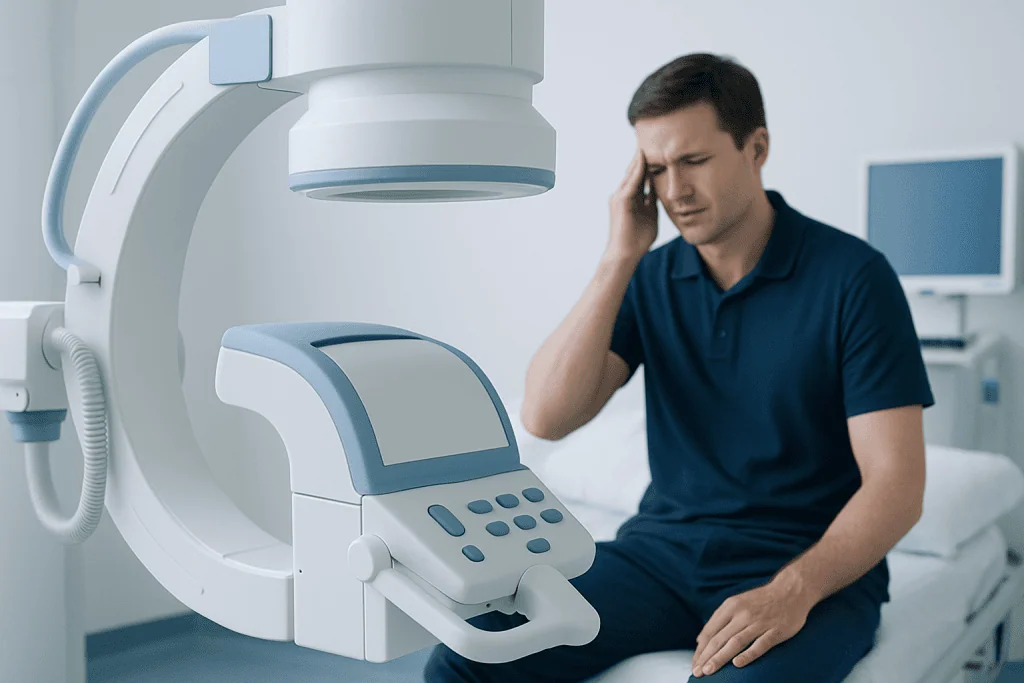
Tension-type headache is often described as a dull, pressing, or tightening pain on both sides of the head. Many people feel it like a band around the forehead or pressure in the scalp, neck, or shoulders. It is usually mild to moderate and does not typically cause nausea, although light or sound sensitivity can sometimes happen.
Migraine is different. It often causes moderate to severe throbbing or pulsating pain, commonly on one side of the head, though both sides can be affected. Migraine may come with nausea, vomiting, and sensitivity to light, sound, or smells. Some people have aura before the headache, such as flashing lights, zigzag lines, numbness, or speech changes. This is part of a neurologic headache disorder such as migraine.
Cluster headache causes very severe pain, usually around one eye, and may be accompanied by tearing, a drooping eyelid, nasal congestion, or restlessness. Sinus-related headache may cause facial pressure with nasal symptoms, but many headaches assumed to be sinus headaches are actually migraine. Other headache patterns include headaches related to infection, dehydration, poor sleep, eye strain, caffeine withdrawal, or medicine overuse.
- Tension headache: pressure or tightness, often both sides
- Migraine: throbbing pain, nausea, sensitivity to light or sound
- Cluster headache: intense one-sided eye pain with tearing or nasal symptoms
- Secondary headache: linked to illness, dehydration, injury, blood pressure, or medications
What Medicine Is Used for Different Headaches?

For occasional mild headaches, over-the-counter pain relievers may help. These can include acetaminophen or nonsteroidal anti-inflammatory drugs such as ibuprofen or naproxen, depending on a person’s age, stomach health, kidney function, liver health, pregnancy status, and other medicines. These treatments are often useful for tension-type headaches and for some mild migraine attacks when taken early.
Migraine may need more specific treatment. A doctor may recommend migraine-specific medicines for attacks that are moderate to severe or do not improve with standard pain relievers. Some people also need anti-nausea medicine. Others benefit from preventive treatment when headaches are frequent, prolonged, or disabling. This is especially important when recurrent headaches begin to affect work, school, sleep, or quality of life.
Headaches caused by sinus disease, infection, allergies, dehydration, or neck strain often improve best when the underlying problem is treated. In these situations, pain medicine alone may give only temporary relief. If a person has very frequent headaches and takes pain relievers many days each month, a doctor may evaluate for medication-overuse headache, which can create a difficult cycle of recurring pain.
Because the safest choice depends on medical history, it is wise to read labels carefully and ask a healthcare professional about interactions, pregnancy, stomach ulcers, kidney disease, liver disease, blood thinners, or high blood pressure. A person with recurring or severe headaches may benefit from a formal evaluation in neurology care to clarify the type of headache and choose the most suitable treatment plan.
Causes, Triggers, and Risk Factors
Many headaches are influenced by triggers rather than a single clear cause. Common triggers include stress, poor sleep, skipped meals, dehydration, too much or too little caffeine, alcohol, illness, and changes in routine. Hormonal changes can also play a role, especially in migraine. Bright light, strong odors, weather changes, and certain foods may trigger headaches in some people but not in others.
Tension headaches are often linked with muscle tension, stress, long hours at a screen, jaw clenching, or poor posture. Migraine may run in families and is shaped by both genetic and environmental factors. Headaches can also be associated with depression, anxiety, sleep disorders, and neck problems. Less commonly, headaches may signal another condition such as high blood pressure, head injury, infection, inflammation, or a problem affecting the brain or blood vessels.
Medication overuse is an important and often overlooked risk factor. When pain relievers are used too often, especially on many days each week, the brain can become more sensitive to pain and headaches may become more frequent. This does not mean people should avoid treatment, but it does mean that recurring headaches deserve a structured plan rather than repeated short-term self-medication.
How Doctors Diagnose the Cause of a Headache
Diagnosis begins with a careful history. Doctors ask where the pain is felt, how it starts, how long it lasts, how often it happens, and whether there are symptoms such as nausea, fever, sinus congestion, visual changes, weakness, numbness, confusion, or neck stiffness. They also review medicines, caffeine use, sleep, stress, menstrual history, and any recent illness or injury.
A physical and neurologic examination helps identify whether the headache pattern fits a primary headache disorder or suggests another medical cause. Many people with recurrent tension headache or migraine do not need brain imaging if their symptoms are typical and their examination is normal. However, imaging or other tests may be recommended if the headache is new, rapidly worsening, follows trauma, starts suddenly at maximum intensity, or comes with abnormal neurologic signs.
Depending on the situation, the doctor may recommend blood tests, sinus evaluation, eye assessment, or imaging such as MRI or CT scan to look for bleeding, mass effect, infection, or other structural causes. The goal is not only to relieve pain but to identify the right diagnosis so treatment is both safe and effective.
Treatment Options Beyond Simple Pain Relief
Headache treatment may include acute therapy, preventive therapy, and lifestyle changes. Acute treatment is used when a headache starts and aims to stop or reduce symptoms. Preventive treatment is used regularly to reduce how often headaches happen and how severe they become. This may be considered for frequent migraine, cluster headache, or headaches that significantly interfere with daily life.
Non-medicine approaches can be very helpful. Resting in a dark, quiet room may ease migraine. Cold or warm compresses can help some people, depending on the headache type. Stretching, physical therapy, stress reduction, relaxation training, and improved workstation ergonomics may reduce tension-type headaches. Addressing poor sleep, sleep apnea, anxiety, or depression can also make headaches less frequent.
For some patients, doctors may recommend specialized assessment through headache treatment programs or multidisciplinary care. Near the end of the care pathway, if advanced evaluation or tailored management is needed, Acibadem International’s multidisciplinary specialists in JCI-accredited hospitals diagnose and treat headache disorders for international patients.
Prevention and Self-Care for Frequent Headaches
A headache diary is one of the most practical tools for prevention. Writing down when headaches happen, what was eaten, stress levels, sleep quality, medicines used, and associated symptoms can reveal patterns over time. This helps both the patient and the doctor identify triggers and decide whether the headache is most consistent with tension headache, migraine, or another cause.
Healthy routines often reduce headache frequency. Regular meals, good hydration, consistent sleep, moderate exercise, and limiting excess caffeine can make a meaningful difference. Screen breaks, posture support, and relaxation exercises may help people whose headaches are linked to neck tension or prolonged computer work.
It is also important to avoid overusing pain medicine. If a person needs headache medicine frequently, especially several times a week, a medical review is sensible. A doctor can look for medication-overuse headache and discuss safer strategies, including preventive treatment if needed. Self-care is most effective when it is paired with an accurate diagnosis.
When to See a Doctor About a Headache
Many headaches are not dangerous, but some symptoms should not be ignored. A person should seek prompt medical attention for a sudden severe headache that peaks within moments, a headache after head injury, or a headache with weakness, numbness, confusion, fainting, seizure, trouble speaking, or changes in vision. Fever, stiff neck, rash, or a severe headache during pregnancy also deserve urgent evaluation.
Medical review is also important for headaches that are new after age 50, progressively worsening, waking someone from sleep, or changing clearly from their usual pattern. Frequent headaches, especially those interfering with school, work, or daily activities, should be assessed even if they are not severe. New persistent headaches may reflect a treatable underlying issue.
People living with known migraine or tension headache should still see a doctor if treatments stop working, medicine is needed more often, or symptoms become different than before. The best headache medicine is the one matched to the correct diagnosis, used safely, and supported by a plan that reduces future attacks as well as current pain.
Frequently asked questions
What is the best medicine for a headache?
There is no single best medicine for every headache. The right choice depends on whether the headache is a tension headache, migraine, cluster headache, sinus-related pain, or a symptom of another condition. A doctor can help choose the safest and most effective option based on symptoms and medical history.
Does migraine need different medicine than a tension headache?
Yes. Mild tension headaches often improve with simple pain relievers and rest, while migraine may require more specific treatment, especially if there is nausea, light sensitivity, or throbbing pain. Recurrent migraine may also need preventive treatment to reduce future attacks.
Can taking too much headache medicine make headaches worse?
Yes, frequent use of pain-relief medicine can lead to medication-overuse headache. This can create a cycle in which headaches happen more often and become harder to treat. If medicine is needed regularly, it is important to discuss this with a doctor.
When is a headache an emergency?
A headache needs urgent medical attention if it is sudden and severe, follows a head injury, or occurs with weakness, confusion, seizures, speech trouble, fainting, fever, stiff neck, or vision changes. These symptoms can point to a serious underlying problem. Pregnancy-related severe headache also needs prompt assessment.
Should every headache be checked with an MRI or CT scan?
No. Many common headaches, especially typical migraine or tension headaches with a normal neurologic examination, do not need imaging. Scans are usually reserved for headaches with warning signs, unusual features, abnormal examination findings, or a new pattern.
What can help prevent headaches without medicine?
Regular sleep, hydration, meals, exercise, stress management, and limiting excess caffeine can all help. Keeping a headache diary is especially useful because it can reveal triggers and patterns. Good posture and screen breaks may reduce tension-related headaches.
References
- World Health Organization
- National Institute of Neurological Disorders and Stroke
- American Migraine Foundation
- International Headache Society
- Mayo Clinic
This article is for general information only and is not a substitute for professional medical advice. Please consult a qualified doctor about your individual situation.
Explore treatments in Turkey — costs, top hospitals & a free quote
JCI-accredited · board-certified surgeons · reply within 24h
Add us as a Preferred Source to see more of our trusted health content across Google Search, AI Overviews and Discover.
Check your numbers in seconds
BMI, calories, due date, blood pressure and 30+ more clinical calculators — free, instant, doctor-reviewed ranges.