Alzheimer’s Disease Specialists: When to Seek Expert Care and Second Opinions
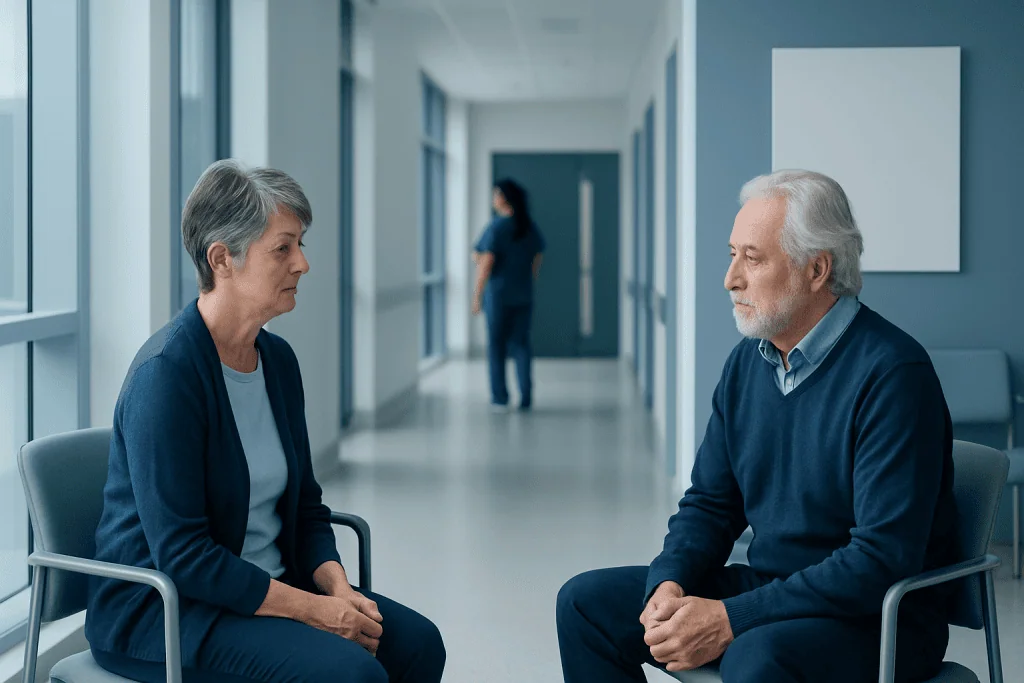
Alzheimer’s disease specialists include geriatric neurologists, neurologists, psychiatrists, geriatricians, and neuropsychologists. Specialist evaluation can help confirm a diagnosis, rule out treatable causes, and guide a personalized care plan.
Key Takeaways
- Alzheimer’s disease specialists include geriatric neurologists, neurologists, psychiatrists, geriatricians, and neuropsychologists.
- Specialist evaluation can help confirm a diagnosis, rule out treatable causes, and guide a personalized care plan.
- A second opinion may be useful when symptoms are atypical, the diagnosis is uncertain, or treatment is not helping as expected.
- Assessment often includes medical history, cognitive testing, blood tests, and brain imaging when appropriate.
- Early expert care can support symptom management, safety, family education, and future planning.
Alzheimer’s disease specialists evaluate memory and thinking changes, clarify whether symptoms are due to Alzheimer’s or another condition, and help families plan treatment and support. Expert care or a second opinion can be especially helpful when symptoms are unusual, progressing quickly, or difficult to explain.
Overview: What Alzheimer’s Disease Specialists Do
Alzheimer’s disease specialists are doctors and clinicians with advanced experience in memory disorders, dementia, and changes in thinking or behavior that affect daily life. Their role is not only to diagnose Alzheimer’s disease, but also to determine whether symptoms may be caused by another condition such as depression, medication side effects, sleep problems, vitamin deficiencies, thyroid disease, stroke, or another type of dementia.
Specialists may include geriatric neurologists, neurologists, geriatricians, psychiatrists, and neuropsychologists. Depending on the person’s symptoms, care may also involve neuroradiologists, rehabilitation specialists, speech therapists, social workers, and nurses experienced in dementia care. This team-based approach can help patients and families understand what is happening and what support is needed next.
Because memory loss has many possible causes, seeing a specialist can be especially helpful when symptoms begin early, progress faster than expected, or do not fit a typical pattern. Expert assessment may also guide decisions about medicines, safety, driving, mood symptoms, sleep, and long-term care planning.
Signs It May Be Time to Seek Expert Care
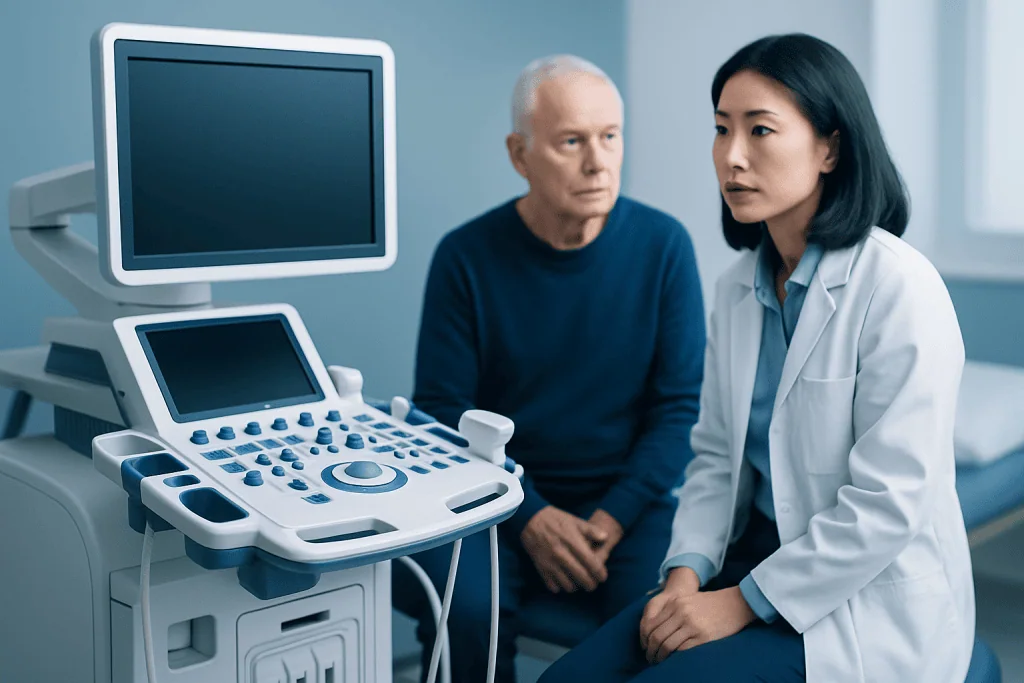
Occasional forgetfulness can happen with normal aging, stress, poor sleep, or illness. However, it may be time to seek specialist care when memory loss begins to interfere with work, finances, medication management, conversations, appointments, or everyday routines. Family members often notice repeated questions, getting lost in familiar places, trouble finding words, poor judgment, or changes in personality before the patient fully recognizes the problem.
Specialist evaluation is also important when symptoms involve more than memory alone. Difficulties with planning, language, visual-spatial tasks, balance, hallucinations, or major behavior changes can point to conditions other than typical Alzheimer’s disease. In some people, confusion may fluctuate, which may suggest another medical or neurological problem that should be assessed carefully.
Red flags that should prompt earlier expert review include symptoms starting before age 65, rapid decline over months rather than years, sudden worsening after an illness or hospitalization, or a strong family history of dementia. These situations do not always mean a more serious disease course, but they do deserve prompt and thorough assessment.
- Memory problems affecting daily independence
- New confusion, wandering, or getting lost
- Changes in mood, behavior, or sleep
- Language or communication difficulties
- Symptoms beginning at a younger age
- Uncertainty about whether symptoms are Alzheimer’s disease or another condition
Who May Be Involved in Diagnosis and Ongoing Care

A geriatric neurologist or neurologist often leads the medical evaluation when Alzheimer’s disease is suspected. These specialists assess the pattern of memory and thinking changes, perform a neurological examination, and decide which tests may be useful. Geriatricians are also important, especially for older adults with multiple health conditions, medications, mobility concerns, or frailty.
Psychiatrists may help when symptoms overlap with depression, anxiety, agitation, sleep disturbance, or hallucinations. Neuropsychologists perform detailed testing of memory, language, attention, problem-solving, and other cognitive functions. This can provide a clearer picture of strengths and weaknesses and may help distinguish Alzheimer’s disease from other causes of cognitive decline.
Ongoing care often extends beyond diagnosis. Nurses, occupational therapists, physical therapists, speech and language therapists, and social workers can help with home safety, communication strategies, mobility, swallowing, caregiver stress, and community resources. This broader support becomes increasingly valuable as needs change over time.
How Specialists Diagnose Alzheimer’s Disease
Diagnosis begins with a detailed history from the patient and, when possible, a family member or close friend. Specialists ask when symptoms started, how they have changed, and whether they affect daily tasks such as shopping, cooking, finances, driving, or taking medicines. They also review medical conditions, alcohol use, mood symptoms, sleep quality, hearing and vision, and all prescription and nonprescription medicines.
Cognitive screening tests may be used in the clinic, and some patients are referred for more detailed neuropsychological evaluation. Blood tests can help identify other possible causes of memory problems, such as vitamin deficiency, infection, thyroid problems, or metabolic disturbances. Brain imaging may also be recommended when there are unusual symptoms, sudden changes, signs of stroke, or concern for another neurological disorder. In some cases, doctors may discuss advanced testing to support the diagnosis of Alzheimer’s disease or distinguish it from other forms of dementia.
The goal of diagnosis is not only to name the condition, but also to understand the person’s overall health, level of function, and care needs. A careful specialist assessment can reduce uncertainty, identify treatable contributors, and help families make informed decisions about the next steps.
When a Second Opinion Can Be Helpful
A second opinion can be useful when the diagnosis is unclear, symptoms are atypical, or treatment has not been helpful. It may also be reasonable when different doctors have offered different explanations, or when a family wants more confidence before making important decisions about work, driving, independent living, or long-term care.
Some situations especially support seeking another expert view. Examples include rapid decline, major behavior change early in the illness, hallucinations, repeated falls, significant movement problems, or marked language problems that appear before memory loss. These patterns may suggest another neurological condition or a mixed picture rather than classic Alzheimer’s disease alone.
Requesting a second opinion is a common and appropriate part of medical care. It does not mean anyone has done something wrong. A new specialist may confirm the original diagnosis, recommend additional testing, or suggest a different treatment approach. For many families, a second opinion brings reassurance and a clearer plan.
Treatment, Support, and Care Planning
There is currently no single cure that reverses Alzheimer’s disease, but specialist care can help manage symptoms, support daily function, and improve quality of life. Treatment may include medications for memory and thinking symptoms, as well as treatment for depression, anxiety, sleep problems, or agitation when appropriate. Doctors also review medicines carefully to avoid drugs that may worsen confusion.
Non-drug strategies are equally important. Regular routines, clear communication, physical activity, social engagement, hearing and vision support, and a calm, structured environment can all help. Occupational therapy may suggest changes at home to reduce fall risk and improve independence. Cognitive rehabilitation or supportive therapies may also be discussed depending on the stage of illness and the person’s goals.
As the condition progresses, specialist teams help families plan ahead. Topics may include legal and financial planning, driving safety, nutrition, swallowing, fall prevention, home support, and future care preferences. When needed, doctors may coordinate neurology care and brain and nerve evaluation with other services, although surgery is not a routine treatment for Alzheimer’s disease itself.
In complex cases, access to coordinated assessment can be valuable. Acibadem International’s multidisciplinary specialists and JCI-accredited hospitals provide diagnosis and treatment planning for international patients with memory disorders and related neurological conditions.
What Patients and Families Can Do Before the Appointment
Preparing for a specialist visit can make the assessment more helpful. Patients and caregivers should bring a list of symptoms, when they began, and examples of how they affect daily life. It is useful to note whether changes are gradual or sudden, whether they fluctuate, and whether there have been recent infections, falls, hospital stays, or medication changes.
Families should also bring a current medication list, previous test results if available, and any questions they want answered. A trusted relative or friend can provide valuable observations, especially if the patient is not fully aware of the changes. Writing down concerns in advance may reduce stress during the visit.
Questions for the specialist may include what diagnosis is most likely, what other causes need to be ruled out, what tests are needed, what treatments may help now, and what changes should prompt urgent review. Asking about safety, driving, future planning, and caregiver support is also appropriate and often very helpful.
When to See a Doctor Urgently
Alzheimer’s disease usually develops gradually, so sudden or severe confusion should not automatically be assumed to be part of the disease. Urgent medical review is needed if there is an abrupt change in thinking, fever, dehydration, head injury, new weakness, facial drooping, slurred speech, chest pain, seizures, or loss of consciousness. These symptoms can signal delirium, stroke, infection, medication reactions, or other emergencies.
Families should also seek medical help promptly if the person becomes unsafe at home, stops eating or drinking, wanders, becomes unable to take essential medicines, or shows severe agitation, aggression, or hallucinations. Early attention can help identify treatable causes and protect both the patient and caregiver.
Even when symptoms are not urgent, it is wise to arrange evaluation sooner rather than later if memory or behavior changes are increasing. Earlier specialist care may open the door to better symptom management, support services, and more time for thoughtful planning.
Frequently asked questions
What kind of doctor specializes in Alzheimer’s disease?
Several types of specialists may evaluate Alzheimer’s disease, including geriatric neurologists, neurologists, geriatricians, psychiatrists, and neuropsychologists. The most appropriate specialist depends on the person’s age, symptoms, other health conditions, and whether diagnosis, treatment, or behavioral support is the main concern.
When should someone with memory loss see a specialist?
A specialist visit is a good idea when memory problems interfere with daily life, such as managing medicines, finances, appointments, or getting around safely. Earlier expert review is also helpful when symptoms start young, progress quickly, or include unusual features like hallucinations, falls, or major personality change.
Is it worth getting a second opinion for Alzheimer’s disease?
Yes, a second opinion can be very helpful when the diagnosis is uncertain or the symptoms do not seem typical. It may confirm the first assessment, suggest additional testing, or identify another condition that needs different treatment.
How do specialists tell Alzheimer’s disease apart from other causes of memory problems?
They use a combination of medical history, input from family members, cognitive testing, physical and neurological examination, and selected blood tests or brain imaging. This helps identify the pattern of symptoms and rule out other causes such as depression, medication effects, thyroid problems, vitamin deficiency, stroke, or another form of dementia.
Can Alzheimer’s disease be treated if diagnosed early?
Early diagnosis does not cure Alzheimer’s disease, but it can be very valuable. It may allow treatment to begin sooner, help families plan ahead, address safety concerns, and connect the patient with supportive therapies and services.
What should families bring to a memory specialist appointment?
It helps to bring a list of symptoms, when they started, and examples of changes in daily life. Families should also bring a medication list, past test results if available, and a trusted person who can describe what they have noticed over time.
References
- National Institute on Aging
- Alzheimer's Association
- World Health Organization
- National Institute of Neurological Disorders and Stroke
- Centers for Disease Control and Prevention
This article is for general information only and is not a substitute for professional medical advice. Please consult a qualified doctor about your individual situation.
Explore treatments in Turkey — costs, top hospitals & a free quote
JCI-accredited · board-certified surgeons · reply within 24h
Add us as a Preferred Source to see more of our trusted health content across Google Search, AI Overviews and Discover.

More from the Health Library



Related Specialists

Dr. Murat Yıldar
Kidney Transplant Center
Dt. Fatma Zehra Ekinci
Dentistry
Prof. Dr. K. Latif Abbasoğlu
Pediatric Surgery
Prof. Dr. Tevfik Rifki Evrenkaya
Internal Medicine