Migraine Medication Explained: Acute Drugs vs Preventive Medicines

Acute migraine medicines are used at the start of an attack to relieve pain and other symptoms. Preventive migraine medicines are taken regularly to reduce attack frequency, severity, or duration.
Key Takeaways
- Acute migraine medicines are used at the start of an attack to relieve pain and other symptoms.
- Preventive migraine medicines are taken regularly to reduce attack frequency, severity, or duration.
- The right treatment plan depends on migraine pattern, symptoms, other health conditions, and response to past therapies.
- Overuse of pain-relieving medicines can lead to medication-overuse headache in some people.
- Lifestyle measures such as regular sleep, hydration, and trigger management can support medical treatment.
- A doctor should assess new, changing, severe, or unusually frequent headaches.
Migraine medication falls into two main groups: acute treatments taken during an attack and preventive medicines used regularly to reduce how often migraines happen. Understanding the difference can help patients work with a doctor to build a safer, more effective treatment plan.
Overview: What Migraine Medication Means
Migraine is more than a typical headache. It is a neurological condition that can cause throbbing head pain, nausea, sensitivity to light or sound, and in some people visual or sensory symptoms known as aura. Because migraine varies from person to person, treatment is not one-size-fits-all. The main goal is to reduce symptoms during an attack and lower the overall burden of the condition over time.
Migraine medication is usually divided into two groups. Acute medicines, sometimes called rescue or abortive treatments, are taken when a migraine starts to stop or shorten an attack. Preventive medicines are taken on a regular schedule, often daily or monthly depending on the treatment, to make migraines less frequent and less disruptive.
Many people use both approaches. For example, someone might keep an acute medicine available for breakthrough attacks while also taking a preventive treatment because migraines happen often or interfere with work, school, sleep, or daily life. A clinician may also recommend a headache diary to track patterns, triggers, and how well each medicine works.
Acute Migraine Medicines: Drugs Used During an Attack
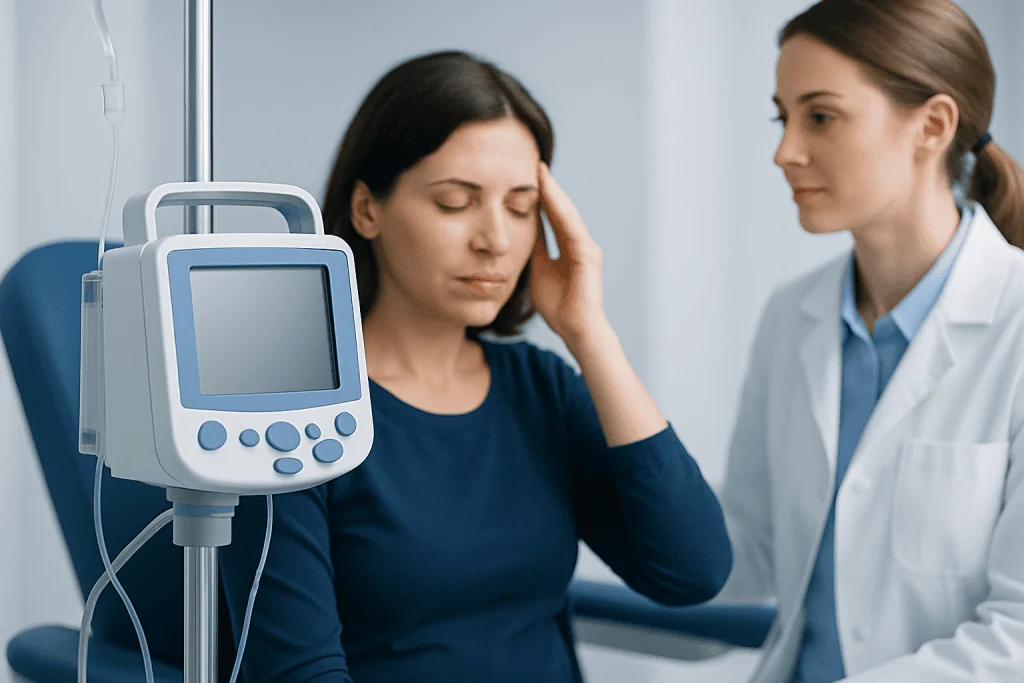
Acute migraine treatment works best when taken early in the attack, ideally when symptoms are still mild. The aim is to reduce pain and improve associated symptoms such as nausea, vomiting, and sensitivity to light or sound. The right choice depends on how quickly attacks build, whether nausea limits swallowing, and whether the person has other medical conditions.
Common acute options include non-prescription pain relievers such as acetaminophen or nonsteroidal anti-inflammatory drugs, as well as migraine-specific prescription medicines. These may include triptans, newer calcitonin gene-related peptide pathway blockers used for acute treatment, and other prescription options for people who cannot take triptans or do not respond well to them. Some medicines come as tablets, nasal sprays, dissolving forms, or injections.
Acute treatment plans often also address nausea. Anti-nausea medicines may help symptoms directly and may improve absorption of other medicines. For some patients with severe or prolonged attacks, doctors may consider infusion-based or injectable treatment in a clinical setting. In selected cases, evaluation by a specialist in migraine can help clarify which acute strategy is most suitable.
A key point is that acute medicine should be effective without being used too often. Frequent use of pain medicines or migraine-specific drugs can, in some people, lead to medication-overuse headache. This is why doctors often review how many treatment days per month a patient needs and whether prevention should be added.
Preventive Migraine Medicines: Reducing Future Attacks

Preventive migraine medicine is considered when attacks are frequent, prolonged, severe, difficult to treat, or significantly disruptive. Prevention may also be helpful if acute medicines are not tolerated, are not safe because of another health condition, or are being needed so often that medication-overuse headache becomes a concern.
Several types of medicines may be used for prevention. These include certain blood pressure medicines, some anti-seizure medicines, some antidepressants, and migraine-specific therapies that target the calcitonin gene-related peptide pathway. Preventive treatment may be taken every day, while some newer therapies are given on a monthly or quarterly schedule. The best option depends on age, medical history, pregnancy considerations, sleep, mood, blood pressure, and other individual factors.
For chronic migraine, some people may benefit from procedure-based prevention such as Botox treatment when recommended by a qualified doctor. Others may be assessed for newer targeted approaches as part of a specialist headache program. Preventive treatment usually takes time to judge fairly, so doctors often advise trying it consistently for several weeks to months while monitoring attack frequency and side effects.
Prevention does not always eliminate migraine completely, but even a moderate reduction in the number of migraine days can improve quality of life. The overall aim is fewer attacks, less severe symptoms, reduced need for rescue medication, and more predictable daily functioning.
How Doctors Choose the Right Migraine Drug
Choosing migraine medication involves more than matching a drug to a symptom. Doctors consider how often attacks happen, how severe they are, whether there is aura, how quickly symptoms peak, and whether nausea or vomiting makes oral medication difficult. They also ask about sleep, stress, hormonal patterns, family history, and possible triggers such as dehydration, irregular meals, or certain foods.
Medical history matters because some migraine drugs may not be appropriate for everyone. A clinician may review blood pressure, heart and vascular health, pregnancy plans, liver or kidney disease, mood disorders, seizure history, and current medications to reduce the risk of side effects or interactions. The goal is to choose a plan that is both effective and safe for long-term use.
Headache diagnosis should also be confirmed. Symptoms that seem like migraine can sometimes overlap with tension headache or other primary headache disorders. If the pattern is unusual, severe, or changing, a doctor may recommend neurological assessment and, in selected cases, further testing to rule out another cause.
In specialist settings, a broader care plan may include education, trigger review, and treatment of related conditions such as poor sleep or neck pain. When appropriate, doctors may also discuss supportive options such as neurology evaluation for complex or difficult-to-control cases.
Benefits, Side Effects, and Medication-Overuse Headache
Like all medicines, migraine drugs can have benefits and potential side effects. Acute medicines may cause sleepiness, dizziness, stomach upset, tingling, or a feeling of pressure depending on the type used. Preventive medicines may affect energy, weight, mood, concentration, blood pressure, or appetite, again depending on the drug class. Not every person experiences side effects, and many can be managed by adjusting the treatment plan.
One important issue is medication-overuse headache. This can happen when acute headache medicines are used too frequently over time, especially in people who already have a primary headache disorder. Instead of helping, the medicine pattern may begin to maintain a cycle of near-daily headache or make attacks harder to control.
Doctors usually try to prevent this by reviewing how often a patient uses rescue medication each month and by introducing preventive treatment when needed. Patients should not stop prescription medicines abruptly unless told to do so, because some drugs require a planned change. A safer approach is to review symptoms, medication use, and side effects with a qualified clinician and agree on a structured plan.
Keeping a headache diary can be very helpful. Recording attack days, symptoms, medicine timing, and response often reveals whether a treatment is working, whether a trigger pattern exists, or whether the person may be drifting toward overuse of acute medication.
Self-Care and Non-Drug Support for Migraine
Medicines are important, but they work best when combined with practical self-care. Regular sleep, hydration, consistent meals, and stress management can all support migraine control. Sudden changes in routine, skipped meals, too much or too little caffeine, alcohol, and dehydration can contribute to attacks in some people.
Many patients benefit from identifying triggers, although triggers are not the same for everyone. A diary may show links with menstruation, poor sleep, bright light, strong odors, travel, or certain foods. Avoiding every possible trigger is not always realistic, but understanding personal patterns can make migraine more manageable.
Some people also use relaxation techniques, paced exercise, physical therapy for neck tension, or behavioral therapies to reduce migraine burden. These methods do not replace prescribed treatment when it is needed, but they can complement it. In people whose symptoms are difficult to classify, assessment for related conditions such as cluster headache or other headache disorders may be useful.
Near the end of the care journey, some patients seek multidisciplinary support. Acibadem International’s multidisciplinary specialists and JCI-accredited hospitals diagnose and treat headache disorders for international patients, with plans tailored to the individual clinical picture.
When to See a Doctor About Migraine Medication
A doctor should assess headaches that are new, unusually severe, rapidly changing, or different from a person’s typical migraine pattern. Medical review is also important if headaches are becoming more frequent, medicines are losing effect, side effects are troublesome, or attacks are causing repeated missed work, school, or daily activities.
Urgent medical attention is needed for warning signs such as a sudden explosive headache, headache after a head injury, fever with neck stiffness, confusion, fainting, weakness, new numbness, seizures, or major changes in vision or speech. These symptoms do not always mean a serious problem, but they should be assessed promptly.
People who are pregnant, breastfeeding, planning pregnancy, or who have heart disease, high blood pressure, stroke risk factors, kidney disease, or liver disease should be especially careful with migraine medicines and seek professional guidance. Children and older adults may also need a different treatment approach.
If migraine is happening often, early specialist advice can prevent months or years of unnecessary disability. A structured plan that combines the right acute treatment, appropriate prevention, and healthy habits often gives the best chance of long-term control.
Frequently asked questions
What is the difference between acute and preventive migraine medication?
Acute migraine medication is taken during a migraine attack to relieve pain and associated symptoms. Preventive migraine medicine is taken regularly to reduce how often attacks happen and how severe they become over time.
When should someone consider preventive migraine treatment?
Preventive treatment may be considered when migraines are frequent, prolonged, severe, or disruptive to daily life. It may also help if acute medicines are not working well, cause side effects, or are needed so often that medication-overuse headache becomes a concern.
Can someone use both acute and preventive migraine medicines together?
Yes, many people use both types of treatment as part of a long-term plan. A preventive medicine may reduce the number of attacks, while an acute medicine is kept available for breakthrough migraine episodes.
Do migraine medicines work immediately?
Acute medicines can work within the same attack, especially when taken early, but the timing and response vary by drug and by person. Preventive medicines usually need a longer trial, often several weeks or months, before their full benefit can be judged.
Can taking too much migraine medicine make headaches worse?
Yes, frequent use of acute headache medicines can contribute to medication-overuse headache in some people. This is why doctors often review how many treatment days are needed each month and may suggest preventive therapy if use becomes too frequent.
Are all migraine medicines safe during pregnancy?
No, some migraine medicines are not recommended during pregnancy or while trying to conceive. Anyone who is pregnant, breastfeeding, or planning pregnancy should discuss treatment options with a qualified doctor before starting or continuing migraine medication.
References
- World Health Organization
- International Headache Society
- American Migraine Foundation
- National Institute of Neurological Disorders and Stroke
- National Institute for Health and Care Excellence
This article is for general information only and is not a substitute for professional medical advice. Please consult a qualified doctor about your individual situation.
Migraine in Turkey — costs, top hospitals & a free quote
JCI-accredited · board-certified surgeons · reply within 24h
Add us as a Preferred Source to see more of our trusted health content across Google Search, AI Overviews and Discover.
Check your numbers in seconds
BMI, calories, due date, blood pressure and 30+ more clinical calculators — free, instant, doctor-reviewed ranges.