Migraine Relief: What Can Ease an Attack and When to Seek Care
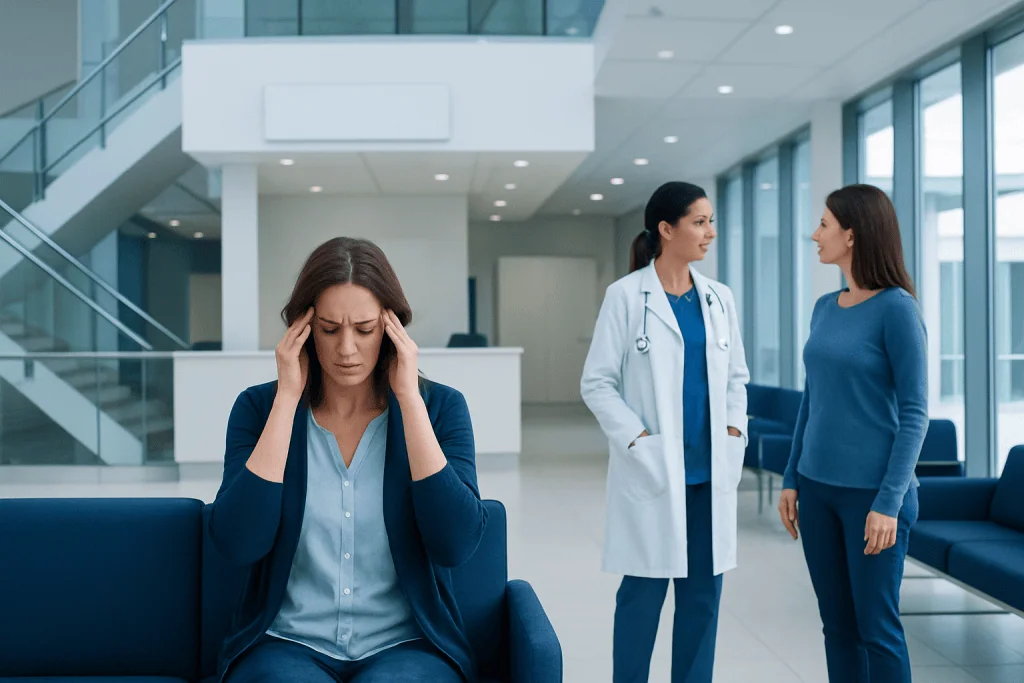
Migraine is a neurologic condition, not just a routine headache. Early treatment during an attack often works better than waiting.
Key Takeaways
- Migraine is a neurologic condition, not just a routine headache.
- Early treatment during an attack often works better than waiting.
- Common relief measures include rest, hydration, darkness, and prescribed or over-the-counter medicines when appropriate.
- Keeping a migraine diary can help identify triggers and guide treatment.
- New or unusual headaches, sudden severe pain, or neurologic symptoms need urgent medical evaluation.
Migraine relief often starts with early treatment, a calm environment, and avoiding personal triggers. Knowing what can ease an attack and when a headache may need prompt medical care can help people manage migraines more safely and effectively.
Overview: What migraine relief means
Migraine relief means reducing the pain and other symptoms of a migraine attack and, when possible, preventing future attacks. Migraine is a common neurologic condition that can cause moderate to severe head pain, often along with nausea, vomiting, and sensitivity to light, sound, or smells. Some people also have visual or sensory changes called aura before or during an attack.
Relief can involve simple steps at home, such as resting in a dark, quiet room, drinking fluids, and using cold compresses. It may also include medicines taken during an attack or preventive treatments used regularly to lower how often migraines happen. The most suitable approach depends on how often attacks occur, how disabling they are, and whether there are other medical conditions to consider.
Because migraine symptoms can overlap with other kinds of headaches, getting the right diagnosis matters. A person who has frequent or severe headaches may benefit from assessment for migraine and related headache disorders. With a clear treatment plan, many people can improve symptom control and daily quality of life.
Symptoms of a migraine attack
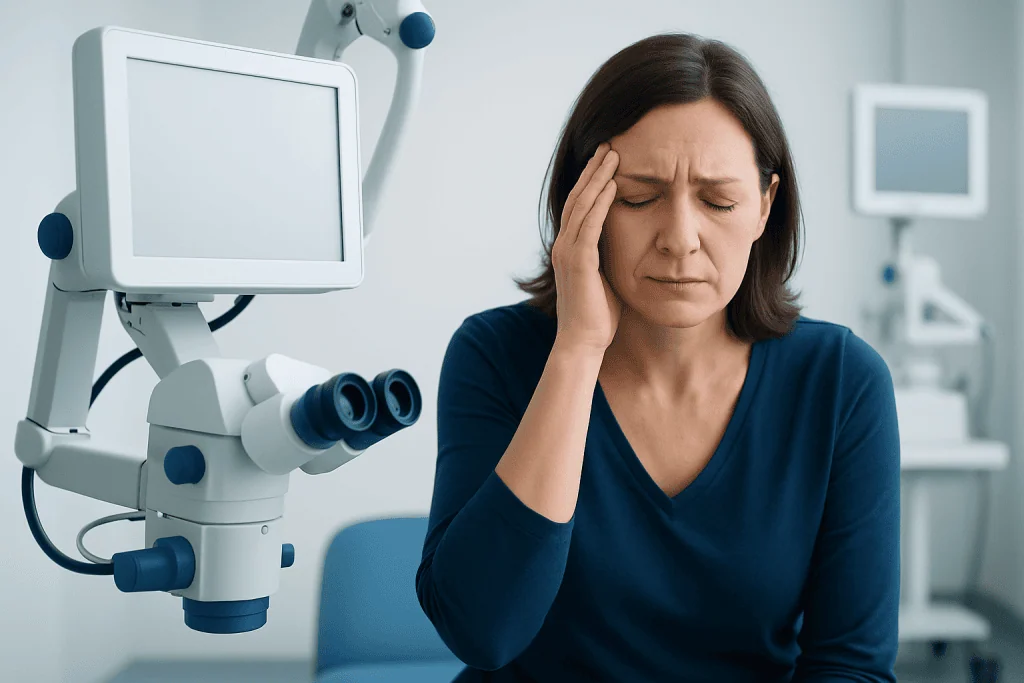
Migraine symptoms vary from person to person. The most recognized symptom is throbbing or pulsing head pain, often on one side, but migraine can also affect both sides or shift location. The pain may worsen with routine activity such as walking, climbing stairs, or bending over.
Many people have symptoms beyond pain. These can include nausea, vomiting, sensitivity to light, sensitivity to sound, sensitivity to smells, dizziness, and trouble concentrating. Some feel unusually tired, irritable, or mentally foggy before the headache begins, while others notice fatigue or difficulty focusing after the attack has ended.
Aura affects some people with migraine. It may cause flashing lights, zigzag lines, blind spots, tingling, numbness, or temporary speech difficulty. Typical migraine symptoms may unfold in stages:
- Before the attack: mood changes, food cravings, neck stiffness, yawning, fatigue
- During the attack: head pain, nausea, light and sound sensitivity, dizziness
- After the attack: exhaustion, mental cloudiness, scalp tenderness
Not every migraine follows the same pattern. A person may have different symptoms from one attack to the next, which is one reason tracking attacks over time can be helpful.
What can ease a migraine attack

The earlier a migraine is treated, the more effective relief can be. At the first sign of an attack, many people do best by stopping activity, moving to a quiet and dark space, and resting. A cool or cold compress on the forehead or back of the neck may help, and gentle hydration can be useful, especially if nausea or vomiting has limited fluid intake.
Some people use over-the-counter pain relievers, while others need prescription migraine medicines. These may include medicines that stop an attack once it starts or medicines used to reduce nausea. A doctor can help decide which option is appropriate, especially for people who have frequent attacks, pregnancy, heart disease, stomach ulcers, kidney disease, or medicine interactions.
Practical self-care during an attack may include:
- Resting in a dim, quiet room
- Drinking water in small sips
- Using a cold pack or cool cloth
- Trying relaxation breathing or quiet meditation
- Taking recommended medicine as early as directed
- Avoiding strong smells, bright screens, and loud noise
If attacks are frequent or hard to control, structured neurology care can help identify the best acute and preventive treatment plan. It is also important not to overuse pain medicines, because frequent use can lead to medication-overuse headache, which may make headaches harder to treat over time.
Common triggers and risk factors
Migraine does not have a single cause. It is thought to involve changes in brain signaling, nerve pathways, and inflammation, with genetic and environmental influences playing a role. Many people notice triggers that increase the chance of an attack, although triggers do not affect everyone in the same way.
Common triggers include stress, poor sleep, skipping meals, dehydration, hormonal changes, bright light, strong smells, weather changes, and certain foods or drinks. For some, alcohol or excess caffeine can trigger migraine, while for others, changes in caffeine intake are more important than caffeine itself. Long periods of screen time or eye strain may also contribute in susceptible people.
Risk factors include a family history of migraine, female sex, hormonal fluctuations, and certain coexisting conditions such as anxiety, depression, sleep problems, and other headache disorders. A migraine diary can be one of the most useful tools for learning personal patterns. Recording symptoms, sleep, meals, stress, menstrual cycle, and possible food triggers may help a doctor tailor treatment and lifestyle advice.
How migraine is diagnosed
Migraine is diagnosed mainly through a careful medical history and physical examination. A doctor will ask about the pattern of headaches, the location and quality of pain, associated symptoms, timing, triggers, and family history. They will also ask whether symptoms suggest another cause of headache, such as infection, head injury, uncontrolled blood pressure, or a problem affecting the brain or blood vessels.
A neurologic examination may be performed to check vision, strength, sensation, reflexes, balance, and speech. In many people with a long-standing pattern typical of migraine and a normal examination, additional tests may not be necessary. However, imaging or other investigations may be advised if there are warning signs, a major change in headache pattern, or symptoms that are not typical for migraine.
People with complex symptoms may sometimes need further evaluation through brain and nerve check-up services. Headache specialists and neurologists work to distinguish migraine from tension-type headache, cluster headache, sinus-related pain, and more urgent conditions that require different treatment.
Treatment options for short-term relief and prevention
Migraine treatment usually has two goals: stopping or easing an attack when it happens and reducing the number or severity of future attacks. Acute treatment may include over-the-counter medicines, prescription migraine-specific drugs, anti-nausea medicines, and supportive measures such as rest and hydration. The choice depends on symptom severity, how quickly attacks build, and a person’s overall health.
Preventive treatment may be considered when migraines are frequent, long-lasting, or significantly interfere with work, school, sleep, or family life. Preventive options can include daily or periodic medicines, treatment of related sleep or mood problems, and lifestyle changes aimed at stabilizing routines and reducing triggers. In some cases, a specialist may discuss advanced options delivered in a headache or neurology setting.
Non-drug approaches can also be valuable. These may include stress management, regular exercise, improved sleep habits, hydration, meal regularity, and behavioral therapies such as biofeedback or cognitive behavioral strategies. For people with ongoing neurologic symptoms or difficult-to-control headaches, headache treatment planning may involve a stepwise program that combines medicines with lifestyle and trigger management.
Near the end of the care journey, some patients may benefit from multidisciplinary support. Acibadem International’s specialists in JCI-accredited hospitals diagnose and treat migraine and other headache conditions for international patients when specialist assessment is needed.
Prevention and self-care between attacks
Preventing migraine often depends on keeping the body’s daily rhythm as steady as possible. Regular sleep, regular meals, adequate hydration, and balanced caffeine habits are common foundations of prevention. Skipping meals, sleeping too little or too much, and dehydration are frequent reasons migraine becomes easier to trigger.
Stress management is also important. While stress cannot always be avoided, healthy coping tools can reduce its impact. Gentle exercise, stretching, paced breathing, mindfulness, and setting realistic limits around work and screen time can help some people. A person who suspects sleep apnea, depression, anxiety, or jaw clenching may need evaluation because these issues can contribute to ongoing headaches.
Self-care strategies that may reduce migraine frequency include:
- Keeping a consistent sleep schedule
- Eating regular meals and avoiding dehydration
- Limiting known personal triggers
- Using a headache diary to identify patterns
- Managing stress with practical relaxation techniques
- Following medicine instructions carefully to avoid overuse
For some people, what seems like migraine may overlap with other headache conditions, including cluster headache or tension-type headache. If headaches are recurring or changing, professional evaluation can help clarify the diagnosis and improve prevention.
When to seek medical care
Most migraine attacks are not emergencies, but some headache symptoms should never be ignored. Prompt medical care is important for a sudden, explosive headache that reaches maximum intensity quickly, a new severe headache unlike previous ones, or a headache after head injury. Care is also needed if headache occurs with fever, stiff neck, fainting, confusion, seizure, new weakness, numbness, trouble speaking, or persistent vision loss.
A doctor should also assess headaches that become more frequent, stop responding to usual treatment, begin after age 50, or wake a person regularly from sleep. People who are pregnant, have cancer, have a weakened immune system, or use blood thinners should be especially careful about new or unusual headaches.
Even outside an emergency, it is wise to seek care if migraine is interfering with work, school, or daily activities more than occasionally. Specialist evaluation may be helpful when diagnosis is uncertain, treatment side effects are a concern, or preventive therapy is needed. The goal is not only pain relief, but also safer long-term headache control and better quality of life.
Frequently asked questions
What is the fastest way to get migraine relief?
For many people, migraine relief is best when treatment starts early in the attack. Resting in a dark, quiet room, using a cold compress, drinking fluids, and taking doctor-recommended medicine as directed can help reduce symptoms more effectively than waiting.
Can dehydration cause or worsen a migraine?
Yes, dehydration can trigger or worsen migraine in some people. Drinking water regularly through the day and replacing fluids lost from heat, exercise, vomiting, or illness may help reduce one common trigger.
How can someone tell the difference between migraine and a regular headache?
Migraine often causes more than head pain. Nausea, vomiting, sensitivity to light or sound, worsening with activity, and aura symptoms such as flashing lights or tingling are features that can point more toward migraine than a routine tension-type headache.
When should a migraine be considered an emergency?
A headache needs urgent medical attention if it is sudden and severe, very different from past headaches, or comes with weakness, confusion, trouble speaking, seizure, fainting, fever, stiff neck, or ongoing vision loss. These symptoms may suggest a condition other than migraine and should be assessed promptly.
Can migraine be prevented?
In many cases, yes. Prevention may include regular sleep, meal timing, hydration, stress management, trigger reduction, and preventive medicines when attacks are frequent or disabling. A doctor can help decide whether preventive treatment is appropriate.
Is it safe to use pain relievers often for migraine?
Frequent use of pain relievers can sometimes lead to medication-overuse headache, which may make headaches more persistent. Anyone needing headache medicine often should speak with a doctor about safer long-term treatment options.
References
- World Health Organization
- National Institute of Neurological Disorders and Stroke
- American Migraine Foundation
- National Health Service
- International Headache Society
This article is for general information only and is not a substitute for professional medical advice. Please consult a qualified doctor about your individual situation.
Migraine in Turkey — costs, top hospitals & a free quote
JCI-accredited · board-certified surgeons · reply within 24h
Add us as a Preferred Source to see more of our trusted health content across Google Search, AI Overviews and Discover.