When to See a Doctor About Early Aging Concerns

Early aging concerns are not only cosmetic; they can sometimes reflect sleep, hormone, nutrition, stress, or medical problems. Sudden or unusually rapid changes deserve medical attention, especially if they affect daily life or occur with fatigue, weight change, or hair loss.
Key Takeaways
- Early aging concerns are not only cosmetic; they can sometimes reflect sleep, hormone, nutrition, stress, or medical problems.
- Sudden or unusually rapid changes deserve medical attention, especially if they affect daily life or occur with fatigue, weight change, or hair loss.
- Doctors assess early aging concerns by reviewing symptoms, medical history, lifestyle, and when needed, blood tests or other targeted evaluations.
- Healthy habits such as sun protection, sleep, exercise, stress management, and balanced nutrition support healthy aging at any age.
- A specialist referral may be helpful if symptoms involve the skin, hormones, metabolism, or another specific body system.
Early aging concerns are common, and many changes in skin, energy, sleep, mood, or body composition are part of normal life. A medical evaluation can help when these changes happen earlier than expected, worsen quickly, or come with other symptoms that may point to an underlying health issue.
Overview: What Early Aging Concerns Mean
Early aging concerns describe physical or functional changes that seem to appear sooner than expected for a person’s age. These may include fine lines, loss of skin elasticity, uneven pigmentation, thinning hair, lower energy, poorer sleep, changes in concentration, or shifts in body composition. Some of these changes are part of normal aging, while others can be influenced by genetics, lifestyle, environmental exposure, or health conditions.
People often think of aging only in terms of appearance, but healthy aging is broader than skin deep. The body’s metabolism, hormones, muscles, bones, cardiovascular system, and mental well-being all play a role in how a person ages. That is why concerns about “looking older” may sometimes overlap with symptoms such as persistent fatigue, brain fog, low mood, or reduced exercise tolerance.
Many early aging concerns are not urgent, and reassurance is often appropriate. Still, seeing a doctor can be helpful when changes feel unusual, happen quickly, or are accompanied by other symptoms. A professional assessment can separate common age-related changes from signs of an underlying issue that may benefit from treatment or lifestyle support.
Common Signs That May Raise Concern
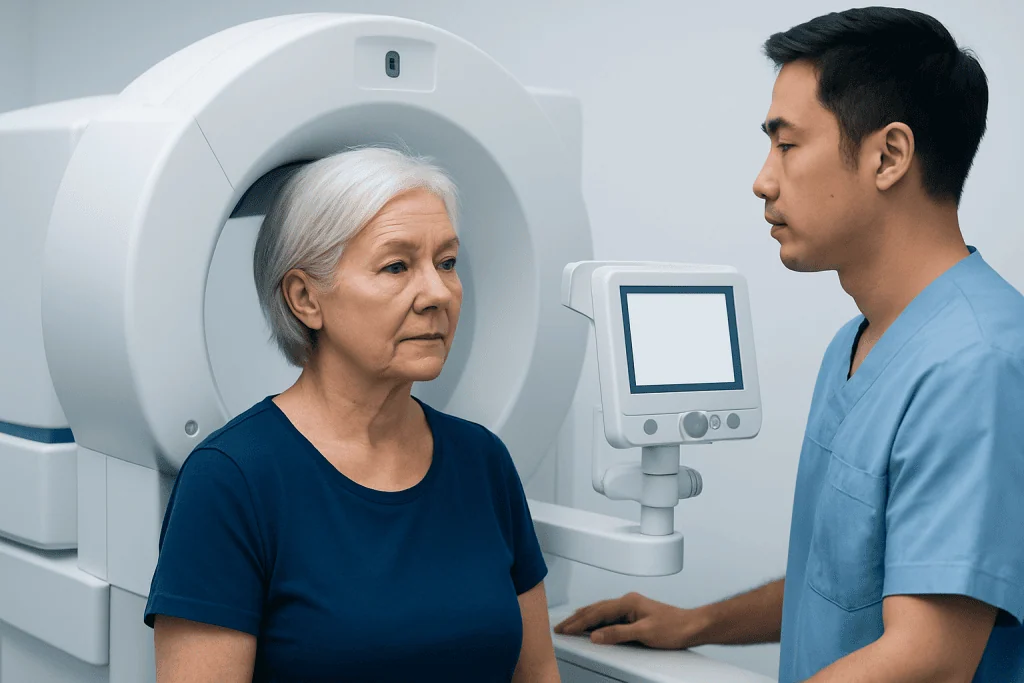
Visible changes are often the first reason people seek advice. These may include wrinkles appearing earlier than expected, dark spots, dry or thinning skin, increased bruising, hair thinning, brittle nails, or a noticeable loss of facial volume. While these changes can reflect sun exposure or normal genetics, they may also be worsened by smoking, poor sleep, stress, nutritional gaps, or certain medical conditions.
Early aging concerns can also involve how a person feels rather than how they look. Persistent tiredness, poor recovery after exercise, reduced strength, lower stamina, sleep disruption, memory lapses, or unexplained changes in weight can all contribute to the sense of aging “too fast.” For some people, the concern is decreased libido, menstrual changes, or mood changes that suggest a hormonal component.
Symptoms that deserve closer attention include changes that are sudden, severe, or clearly progressive over a short time. In practical terms, it may be time to speak with a doctor if a person notices:
- Rapid skin or hair changes over weeks to months
- Unexplained fatigue that does not improve with rest
- Unexpected weight gain or weight loss
- Sleep problems that persist despite healthy habits
- Memory, mood, or concentration problems affecting daily life
- Menstrual, sexual, or fertility-related changes
- Loss of muscle mass, weakness, or reduced exercise tolerance
These symptoms do not always mean there is a serious illness. However, they can be useful clues that the body may need a more complete evaluation.
Possible Causes and Risk Factors

Early aging concerns usually have more than one cause. Genetics influence skin structure, hair patterns, metabolism, and the timing of many age-related changes. Lifestyle also matters greatly. Long-term sun exposure, smoking, excess alcohol, a highly processed diet, low physical activity, chronic stress, and inadequate sleep can all accelerate visible and internal signs of aging.
Medical factors can contribute as well. Hormonal changes involving the thyroid, adrenal system, insulin regulation, or reproductive hormones may affect energy, skin, weight, and mood. Nutrient deficiencies, especially if diet is restricted or absorption is impaired, can contribute to hair thinning, fatigue, and brittle nails. Chronic inflammatory conditions, some autoimmune diseases, and ongoing illness can also make a person feel or appear older than expected.
Environmental exposure is another important factor. Air pollution, repeated ultraviolet exposure, and occupational stress on the body may affect skin quality and overall health over time. Mental health matters too: anxiety, depression, and long-term emotional stress can affect sleep, appetite, hormone patterns, and the body’s recovery systems.
In some cases, early aging concerns overlap with treatable conditions rather than aging itself. For example, thyroid dysfunction or insulin resistance may be considered during assessment, and doctors may also look for issues such as obesity when body composition changes are part of the concern. The goal is not to label normal aging as disease, but to identify contributors that can be improved.
When It Is a Good Idea to See a Doctor
A doctor visit is appropriate when early aging concerns are persistent, distressing, or difficult to explain. This is especially true if changes happen earlier than expected for the person’s age or family pattern. A consultation can help determine whether the issue is mainly lifestyle-related, cosmetic, hormonal, nutritional, or linked to another health condition.
Medical advice is particularly helpful if there are “whole-body” symptoms rather than appearance changes alone. For example, a person who has new wrinkles but otherwise feels well may simply need guidance on skin care and prevention. By contrast, someone with skin changes plus exhaustion, hair loss, weight change, irregular periods, or sleep problems may need testing to rule out an underlying cause.
It is wise to seek care sooner rather than later if symptoms interfere with work, exercise, mood, or relationships. Evaluation may also be useful when self-care efforts have not helped, or when a person feels uncertain about whether their symptoms are normal. A timely medical review often provides reassurance, and when a problem is found, earlier action may make treatment simpler and more effective.
Urgent medical attention is not usually needed for routine aging concerns, but sudden swelling, chest pain, fainting, severe weakness, unexplained bleeding, rapidly changing skin lesions, or marked unintended weight loss should not be attributed to aging without prompt assessment.
How Doctors Evaluate Early Aging Concerns
The first step is usually a detailed conversation. A doctor may ask when the changes began, how quickly they developed, what other symptoms are present, and whether there is a family history of similar issues. Medical history, medications, menstrual history if relevant, sleep quality, stress levels, diet, exercise, and smoking or alcohol use are all important parts of the picture.
A physical examination may focus on skin, hair, nails, weight pattern, blood pressure, body composition, and signs of hormone or metabolic imbalance. Depending on symptoms, doctors may recommend blood tests to look at thyroid function, blood sugar, iron status, vitamin levels, inflammation markers, or reproductive hormones. Testing is individualized, not automatic, because the best evaluation depends on the person’s age, symptoms, and health background.
If skin changes are the main concern, a dermatologist may help assess photoaging, pigmentation, hair thinning, or other visible signs. If weight, blood sugar, or hormone patterns appear involved, an endocrinology or metabolism review may be useful. Sleep specialists, nutrition professionals, or mental health clinicians can also play a role when fatigue, poor sleep, emotional stress, or eating patterns are major contributors.
In some cases, body-composition and metabolic issues are central to the complaint, and support may include structured lifestyle programs or treatments related to obesity treatment. The evaluation process is meant to identify what is modifiable and what is a normal variation, so the care plan can be realistic and personalized.
Treatment Options and Supportive Care
Treatment depends on the cause. If no medical problem is found, care often focuses on healthy aging strategies: improving sleep, nutrition, stress management, physical activity, and skin protection. Even modest changes in daily routine can improve energy, mood, and skin quality over time. Doctors may also recommend reviewing medications or supplements if these may be contributing to symptoms.
When an underlying issue is found, treatment is directed at that condition. For example, correcting a nutrient deficiency, treating a hormone disorder, improving blood sugar control, or addressing a sleep problem may reduce many of the symptoms that made a person feel they were aging too quickly. If emotional stress or low mood is playing a role, counseling or mental health support can be an important part of care.
For appearance-related concerns, management may include medical skin-care guidance, dermatologic treatment, and sun-damage prevention. If hair thinning is a major issue, targeted assessment may look for nutritional, hormonal, or dermatologic causes. Some people may benefit from a structured check-up and screening approach to review general health risks that affect long-term aging.
In selected cases, body contour, skin quality, or related concerns may lead to discussion of procedural options after medical causes are addressed. These decisions are individualized and should follow a proper evaluation rather than replacing it. The priority is to support health first, then consider additional options if they match the person’s goals.
Prevention and Everyday Self-Care for Healthy Aging
Healthy aging begins with consistent daily habits rather than a single test or product. Sun protection is one of the most effective steps for preventing early visible aging. Broad-spectrum sunscreen, protective clothing, and reducing unnecessary midday sun exposure can help preserve skin quality and lower the risk of sun-related skin damage.
Sleep, movement, and nutrition are equally important. Adults generally benefit from regular sleep schedules, resistance and aerobic exercise, and a balanced diet rich in vegetables, fruits, protein, healthy fats, and fiber. Hydration, limiting tobacco, and moderating alcohol also support both appearance and internal health.
Stress management is often overlooked but matters greatly. Ongoing stress can affect sleep, appetite, hormone balance, and energy. Helpful strategies may include mindfulness, breathing exercises, time outdoors, social connection, and seeking support when stress feels difficult to manage alone.
Routine preventive care can also support longevity. Age-appropriate screenings, vaccination, blood pressure checks, and discussions about metabolic health can identify issues before they become more disruptive. If concerns are broad or persistent, a doctor may suggest a more comprehensive review of lifestyle and health risks, sometimes as part of a preventive assessment.
When Specialist Care May Help
Specialist input may be useful when early aging concerns are complex, persistent, or tied to a specific symptom pattern. A dermatologist may help with premature skin aging, pigmentation changes, hair loss, or unusual skin lesions. An endocrinologist may be involved if symptoms suggest thyroid disease, insulin resistance, menopause-related changes, or other hormonal issues. In some cases, evaluation of broader metabolic concerns may overlap with conditions such as metabolic syndrome.
People who feel that body-composition changes are central to their concern may benefit from a targeted plan that addresses nutrition, activity, sleep, and metabolic factors together. If excess weight and related health risks are significant, treatment pathways can be discussed carefully, including medical and lifestyle options. For some patients, doctors may explore structured support related to metabolic surgery only when it is medically appropriate and after full assessment.
International patients sometimes prefer coordinated care when symptoms involve more than one specialty. Near the end of the care pathway, it may be helpful to know that Acibadem International’s multidisciplinary specialists and JCI-accredited hospitals evaluate and treat conditions related to healthy aging, skin, hormonal health, and metabolic well-being for international patients.
The most important message is that people do not need to guess whether a change is “just aging.” A doctor can help place symptoms in context, rule out treatable causes, and build a plan that supports both present well-being and long-term health.
Frequently asked questions
Are early aging concerns always a sign of illness?
No. Many early aging concerns are related to genetics, sun exposure, stress, sleep, and lifestyle habits rather than a specific disease. A doctor visit is most helpful when changes are sudden, progressive, or occur along with symptoms such as fatigue, weight change, hair loss, or menstrual changes.
What symptoms suggest that aging changes should be medically evaluated?
It is reasonable to seek medical advice when changes happen earlier than expected, worsen quickly, or interfere with daily life. Signs such as persistent low energy, poor sleep, unexplained weight change, weakness, concentration problems, or irregular periods deserve a professional review.
Which doctor should someone see first for early aging concerns?
A primary care doctor is often the best first step because they can assess the whole picture and decide whether testing or specialist referral is needed. Depending on symptoms, the next step may involve a dermatologist, endocrinologist, nutrition specialist, or another clinician.
Can lifestyle changes really improve signs of early aging?
Yes, in many cases they can help meaningfully. Sun protection, regular exercise, good sleep, a balanced diet, stress management, and avoiding smoking all support healthier skin, energy, and long-term metabolic health.
Will blood tests always be needed?
Not always. Testing depends on the person’s symptoms, age, medical history, and physical examination. Doctors usually choose targeted tests when there are clues suggesting hormone imbalance, nutrient deficiency, blood sugar problems, inflammation, or another underlying issue.
Can stress make a person feel like they are aging faster?
Yes. Chronic stress can affect sleep, appetite, hormone patterns, concentration, and recovery, which may contribute to visible and non-visible signs that feel like premature aging. Addressing stress can be an important part of improving overall well-being.
References
- World Health Organization
- National Institute on Aging
- American Academy of Dermatology
- Centers for Disease Control and Prevention
- Endocrine Society
This article is for general information only and is not a substitute for professional medical advice. Please consult a qualified doctor about your individual situation.
Hair transplant in Turkey — costs, graft counts & a free assessment
JCI-accredited · board-certified surgeons · reply within 24h
Add us as a Preferred Source to see more of our trusted health content across Google Search, AI Overviews and Discover.