

Bone and Joint Pain in Children: When Growth Pains Are Not the Cause

Growth pains usually affect both legs, come and go, and do not cause swelling, limping, or joint stiffness. Bone and joint pain in children can also result from injury, overuse, infection, inflammation, or less commonly more serious conditions.
Key Takeaways
- Growth pains usually affect both legs, come and go, and do not cause swelling, limping, or joint stiffness.
- Bone and joint pain in children can also result from injury, overuse, infection, inflammation, or less commonly more serious conditions.
- Warning signs include persistent pain, one-sided pain, joint swelling, fever, weight loss, night pain, or difficulty walking.
- Diagnosis may involve a medical history, physical examination, blood tests, and imaging when needed.
- Early medical evaluation can help identify the cause and guide the right treatment and follow-up.
Bone and joint pain in children is common, and many cases are linked to minor injuries, overuse, or benign growth pains. However, pain that is persistent, localized, associated with swelling, limping, fever, or reduced activity should be assessed by a doctor.
Overview
Bone and joint pain in children is a frequent reason for medical visits. In many cases, the cause is not serious. Children may develop aches after active play, sports, mild injuries, or periods of rapid physical growth. Benign growth pains are also common and can be unsettling for families even though they do not damage bones or joints.
At the same time, not every ache should be assumed to be a growth pain. Pain that lasts, keeps returning in the same place, interferes with sleep often, or limits walking and play may have another explanation. The possibilities range from simple muscle strain to conditions involving the joints, bones, or immune system.
A careful evaluation helps distinguish normal aches from symptoms that need treatment. Parents and caregivers do not need to panic, but they should pay attention to the pattern of pain, the child’s general health, and any associated symptoms such as swelling, fever, or stiffness.
How Growth Pains Usually Feel
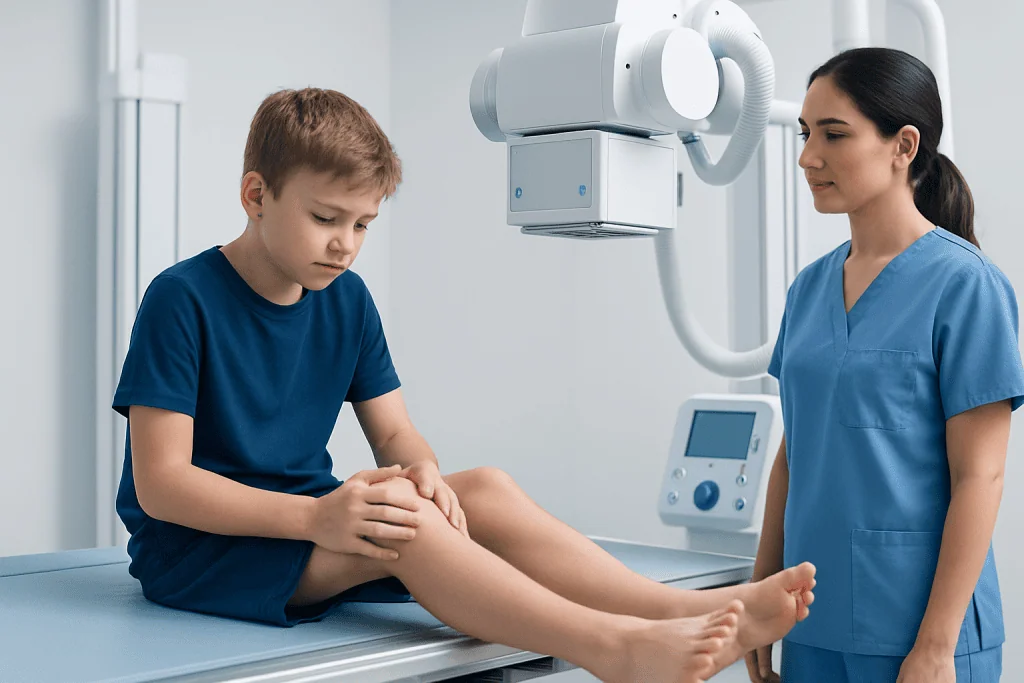
Growth pains are a common term for recurring leg aches in otherwise healthy children, often between preschool and early school age. Despite the name, they are not clearly caused by growth itself. They typically affect the thighs, calves, or behind the knees rather than the joints directly.
These pains usually occur in the late afternoon, evening, or at night and may wake a child from sleep. They often affect both legs and are absent by morning. A child with growth pains is usually well between episodes, active during the day, and has a normal physical examination.
Features that make growth pains less likely include pain in one exact spot, visible swelling, joint redness, limping, morning stiffness, or pain that steadily worsens. If any of these are present, a doctor should assess the child instead of assuming the pain is harmless.
Symptoms That Suggest Another Cause
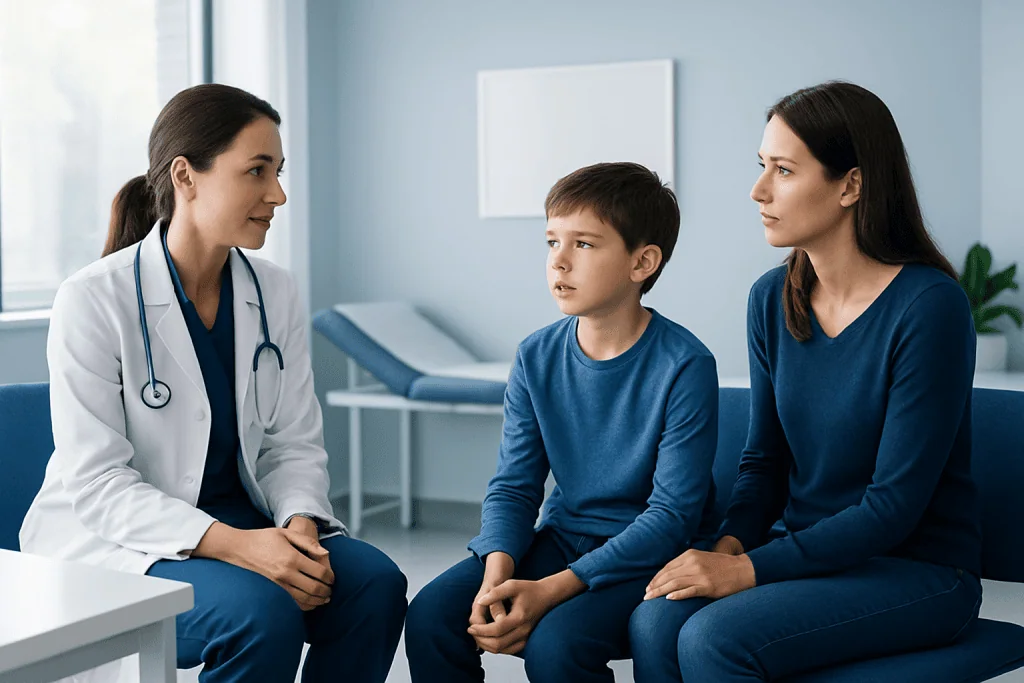
Some symptoms can point away from growth pains and toward a condition that needs medical attention. Persistent pain in one bone or one joint is one important clue. Pain that causes a child to avoid using an arm or leg, limp, or stop participating in normal activities should also be taken seriously.
Swelling, warmth, redness, or stiffness in a joint may suggest inflammation, infection, or injury. Morning stiffness or joints that improve only after moving can be seen in inflammatory conditions. Pain in the hip or knee with limping can sometimes reflect a problem higher up in the leg or pelvis.
General symptoms matter too. Fever, fatigue, weight loss, poor appetite, rash, bruising, or recurrent nighttime pain may indicate a wider medical issue. While these signs do not automatically mean a serious illness, they do mean the child should be evaluated promptly.
- Persistent or worsening pain
- Pain in one specific area
- Joint swelling or stiffness
- Limping or refusal to walk
- Fever or recent infection
- Night pain that is frequent or severe
- Unexplained tiredness, bruising, or weight loss
Possible Causes of Bone and Joint Pain in Children
Many different conditions can cause musculoskeletal pain in children. Minor trauma, overuse, sprains, and sports-related strain are among the most common. Active children may also develop irritation where tendons attach to bone, or temporary pain after increased physical activity.
Inflammatory causes include conditions such as juvenile inflammatory arthritis-related joint inflammation and other autoimmune disorders. These can lead to swelling, stiffness, and reduced range of motion. Infections affecting the bone or joint, including osteomyelitis or septic arthritis, are less common but require urgent treatment because they can damage tissue if delayed.
Other causes include temporary hip inflammation after a viral illness, vitamin D deficiency, hypermobility, and orthopedic conditions that affect alignment or the growth plate. Less commonly, persistent bone pain may be associated with tumors or blood disorders. Because the range of causes is broad, the overall pattern of symptoms is often more useful than any single complaint.
How Doctors Diagnose the Cause
Diagnosis begins with a detailed medical history. The doctor will ask where the pain is, when it occurs, how long it has lasted, whether it affects one or both sides, and what makes it better or worse. Questions about fever, recent infection, sports activity, injury, morning stiffness, rash, and family history of autoimmune disease can provide valuable clues.
A physical examination follows. The clinician checks the child’s gait, posture, joints, muscles, and range of motion. They may also examine the spine, hips, skin, and abdomen, because pain felt in one area can sometimes come from another part of the body. A normal examination can support a benign diagnosis, but abnormal findings may guide further testing.
Tests are not always necessary for typical growth pains. When warning signs are present, blood tests may help look for inflammation, infection, anemia, or other abnormalities. Imaging such as X-rays, ultrasound, or MRI may be used if a fracture, bone lesion, joint inflammation, or deep infection is suspected. In selected cases, the child may be referred to orthopedics, pediatrics, rheumatology, or infectious disease specialists.
Treatment Options
Treatment depends on the cause. For benign growth pains or mild overuse aches, supportive care is often enough. This may include rest, gentle massage, stretching, warmth, reassurance, and a return to normal activity as tolerated. A doctor may recommend simple pain relief when appropriate.
If the pain is due to an injury, treatment may involve temporary activity modification, physiotherapy, splinting, or other measures. Persistent or mechanical joint problems may benefit from specialist assessment in orthopedics and traumatology. If an inflammatory condition is identified, care may involve monitoring, rehabilitation, and medicines guided by a pediatric rheumatology team.
Urgent treatment is needed when infection is suspected. A child with fever, severe joint pain, swelling, and inability to bear weight should be seen quickly. In some situations, hospital care, antibiotics, drainage procedures, or close observation are required. If there is concern about an underlying blood or bone disorder, referral for further evaluation is important rather than delaying with home remedies alone.
For international patients who need coordinated assessment, Acibadem International’s multidisciplinary specialists and JCI-accredited hospitals evaluate and treat children with bone and joint conditions using pediatric, orthopedic, imaging, and rehabilitation services when needed.
Prevention and Self-care at Home
Not every type of musculoskeletal pain can be prevented, but some simple habits may help reduce common aches. Children benefit from regular physical activity, proper warm-up before sports, supportive footwear, and enough rest after intense exercise. Avoiding sudden increases in training can also reduce overuse pain.
Good nutrition supports healthy bones and muscles. A balanced diet with adequate calcium, vitamin D, protein, and overall calories is important during growth. Children who spend little time outdoors or have restrictive diets may need medical advice about nutritional gaps.
At home, caregivers can keep a symptom diary if pain keeps returning. Recording the time, location, triggers, associated symptoms, and impact on walking or sleep can make it easier for a doctor to identify patterns. If a child has known joint or mobility problems, physical therapy and rehabilitation may help improve strength, flexibility, and movement habits under professional guidance.
When to See a Doctor
Medical advice is appropriate whenever a parent or caregiver is unsure why a child is in pain. An appointment should be arranged if pain lasts more than a few days, keeps coming back in the same place, or affects normal activity. Ongoing pain is not something families should simply wait out for long periods.
Prompt evaluation is especially important if the child has a limp, cannot bear weight, has joint swelling, or seems unusually tired or unwell. Fever with bone or joint pain can be a sign of infection and should be assessed quickly. Pain that occurs regularly at night, especially in one spot, also deserves medical review.
Emergency care may be needed after a significant injury, when there is severe pain, deformity, sudden inability to walk, or signs of a hot, swollen joint. Early evaluation helps rule out serious problems and can also provide reassurance when the cause is benign.
Frequently asked questions
How can parents tell the difference between growth pains and something more serious?
Growth pains usually affect both legs, come and go, and are most common in the evening or at night without causing limping or swelling. Pain that is one-sided, persistent, associated with fever, stiffness, swelling, or reduced activity should be assessed by a doctor.
Is nighttime bone pain in children always a warning sign?
Not always. Growth pains often happen at night, but frequent or severe night pain in one specific area, especially if it keeps recurring or is linked to other symptoms, needs medical evaluation.
Can bone and joint pain in children happen without an injury?
Yes. Pain can result from overuse, inflammation, infection, temporary post-viral conditions, nutritional issues, or orthopedic problems even when there has been no obvious injury. That is why the pattern of symptoms is important.
When should a child with joint pain be seen urgently?
Urgent assessment is needed if the child has fever, a hot or swollen joint, severe pain, inability to walk, or rapid worsening of symptoms. These features can suggest infection or another condition that should not be delayed.
Do all children with bone or joint pain need scans or blood tests?
No. Children with a typical history of growth pains and a normal examination may not need testing. Tests are usually reserved for situations where symptoms, examination findings, or the medical history suggest another cause.
Can sports cause ongoing joint pain in children?
Yes. Repetitive activity, poor technique, inadequate rest, or sudden increases in training can lead to overuse injuries and joint pain. A doctor or physiotherapist can help identify whether rest, exercises, or a change in activity is needed.
References
- American Academy of Pediatrics
- National Institute of Arthritis and Musculoskeletal and Skin Diseases
- American Academy of Orthopaedic Surgeons
- Centers for Disease Control and Prevention
- National Health Service
This article is for general information only and is not a substitute for professional medical advice. Please consult a qualified doctor about your individual situation.
Joint and spine care in Turkey — expert assessment & treatment
JCI-accredited · board-certified surgeons · reply within 24h
Add us as a Preferred Source to see more of our trusted health content across Google Search, AI Overviews and Discover.

More from the Health Library

Related Specialists

Dr. Özlem Tetik
Anesthesiology
Dr. Iretiola Albert
Inpatient Clinic Physicians Clinical Service
Prof. Dr. Nazim Korkut
Otorhinolaryngology
Dr. Gülay Beydilli Nacak
Gynecology & Obstetrics