Orthopedic Surgery in Turkey: Hospital Quality, Travel Planning, and Follow-Up

Hospital accreditation, infection control, imaging, intensive care access, and rehabilitation services are important signs of quality. Patients should ask about the surgeon’s experience with their specific procedure, not only general orthopedic experience.
Key Takeaways
- Hospital accreditation, infection control, imaging, intensive care access, and rehabilitation services are important signs of quality.
- Patients should ask about the surgeon’s experience with their specific procedure, not only general orthopedic experience.
- Travel planning should include timing, mobility support, medical records, and arrangements for recovery before flying home.
- Follow-up care matters as much as the operation itself, especially after joint replacement, spine surgery, or fracture repair.
- A second opinion and a written treatment plan can help patients make informed decisions before traveling.
Orthopedic surgery in Turkey may be a practical option for patients seeking timely care, experienced specialists, and coordinated international services. A safe experience depends on hospital quality, surgeon expertise, realistic travel planning, and a clear plan for rehabilitation and follow-up after surgery.
Overview
Orthopedic surgery in Turkey covers a wide range of procedures for bones, joints, ligaments, tendons, muscles, and the spine. International patients often travel for operations such as knee or hip replacement, arthroscopic sports injury treatment, fracture repair, hand surgery, and selected spine procedures. In many cases, treatment is combined with imaging, preoperative assessment, surgery, rehabilitation, and postoperative review in one coordinated hospital system.
For patients considering care abroad, the main questions are usually about safety, quality, organization, and what happens after returning home. These are sensible concerns. The best outcomes depend not only on the operation itself, but also on careful diagnosis, a well-equipped hospital, an experienced surgical team, anesthesia safety, rehabilitation support, and a realistic plan for follow-up.
Turkey has become a well-known destination for medical travel, including orthopedics. However, the quality of care can vary between hospitals, just as it can in any country. Patients benefit from looking beyond cost or convenience and focusing on internationally recognized standards, transparent communication, and whether the hospital can provide the full range of care needed if recovery is slower than expected.
Which orthopedic conditions and procedures may be treated
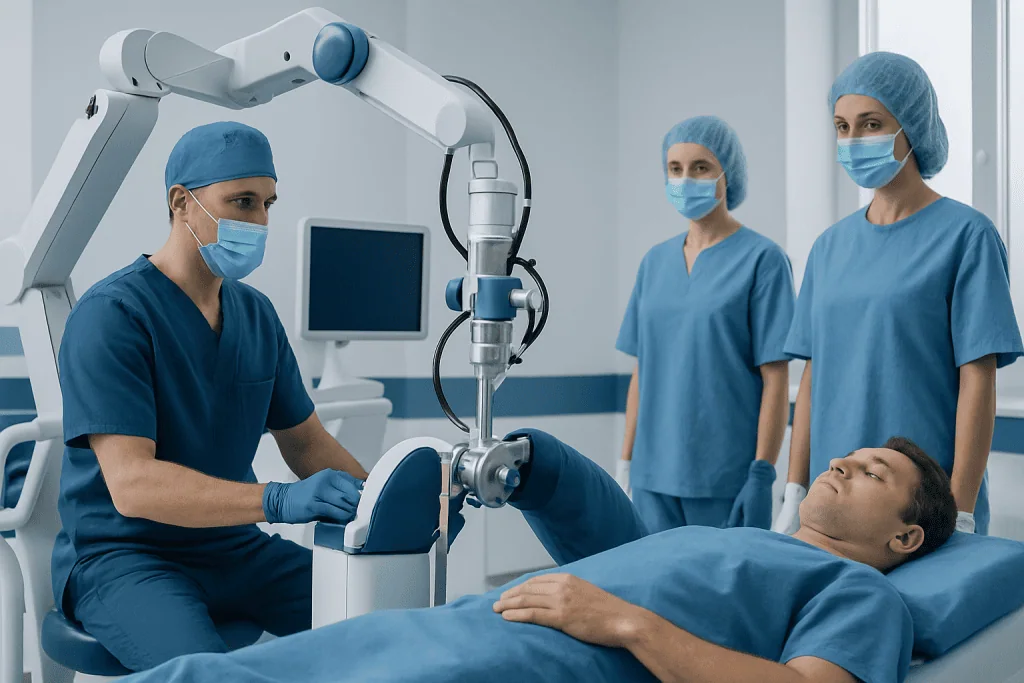
Orthopedic surgeons treat conditions that affect movement, stability, and pain in the musculoskeletal system. Common reasons for travel include severe arthritis, sports injuries, meniscus or ligament tears, chronic shoulder problems, complex fractures, and spinal conditions that do not improve with non-surgical treatment. Some patients also seek revision surgery when a previous operation has not produced the expected result.
Frequently requested procedures include knee replacement, hip replacement, arthroscopic surgery for selected joint problems, and certain forms of spine surgery. Surgery is usually considered after a specialist confirms the diagnosis and reviews whether medicines, physiotherapy, injections, braces, or lifestyle changes have been tried when appropriate.
Not every orthopedic problem requires surgery, and not every patient is a good candidate for travel. For example, people with unstable heart or lung disease, active infection, or very limited mobility may need extra planning or may be safer receiving care closer to home. A trustworthy team should explain the expected benefits, limitations, alternatives, and recovery timeline before a patient commits to treatment abroad.
How to assess hospital quality and surgeon expertise
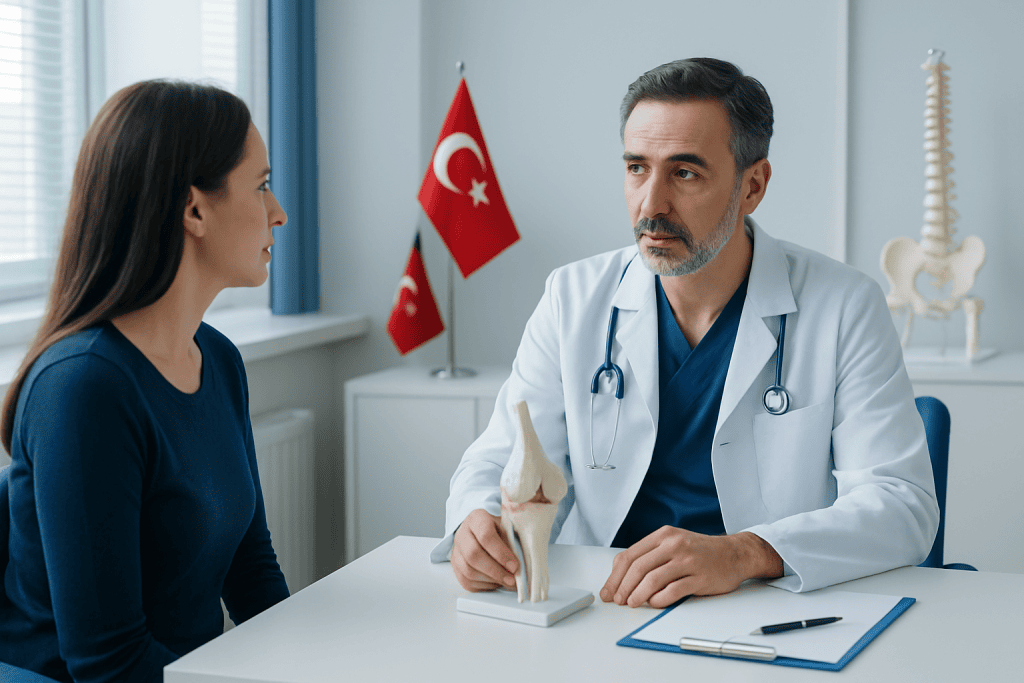
Hospital quality is one of the most important factors when choosing orthopedic surgery in Turkey. Patients can start by asking whether the hospital has recognized accreditation, such as JCI, and whether it has strong infection prevention practices, modern operating rooms, advanced imaging, blood bank access, and intensive care support if needed. For orthopedic patients, on-site physiotherapy and rehabilitation services are also highly valuable because recovery begins soon after many procedures.
It is also reasonable to ask how care is coordinated for international patients. Useful services may include medical record review before travel, language support, pre-anesthesia assessment, assistance with mobility needs, and a written discharge summary for the patient’s doctor at home. Clear communication before surgery often reflects the overall organization of the hospital.
Surgeon experience should be evaluated carefully. Patients may ask how often the surgeon performs the exact operation being proposed, whether the procedure is commonly done using open or minimally invasive techniques, and what kind of implant or fixation system is typically used when relevant. In some cases, a surgeon may recommend alternatives such as robotic knee replacement or non-surgical management, depending on the patient’s anatomy, goals, and imaging findings.
Patients should also ask who will be involved in care besides the lead surgeon. Good orthopedic treatment often involves anesthesiologists, radiologists, physiotherapists, pain specialists, internists, and nurses experienced in postoperative mobility and wound care. A multidisciplinary structure is especially important for older adults, patients with diabetes, and people having major joint or spine surgery.
Planning travel before orthopedic surgery
Travel planning should begin only after the diagnosis and proposed treatment have been reviewed. Patients should send recent clinic notes, imaging reports, and, if possible, the actual image files from X-rays, MRI, or CT scans. A hospital may request blood tests, heart evaluation, or other assessments before confirming that surgery can be scheduled safely.
Timing matters. It is wise to arrive early enough for in-person consultation and repeat imaging if needed, since the final surgical plan may change after physical examination. Patients should also plan for the possibility that surgery is delayed, modified, or not recommended after the specialist review. Flexibility can reduce stress and support better decision-making.
Travelers should think about practical needs such as airport assistance, compression stockings if advised, loose clothing, mobility aids, and whether they will need a companion. Recovery after orthopedic surgery may make everyday activities difficult for a short time, including dressing, climbing stairs, or getting in and out of transport. Hotels or recovery accommodations should be chosen with accessibility in mind.
It is also important to discuss air travel after surgery. Long flights can increase discomfort and may raise the risk of blood clots in some patients, especially after lower-limb surgery. The surgical team should advise when flying is considered reasonable, what exercises or medicines may be recommended during travel, and what warning signs require urgent medical attention.
Evaluation, surgery, and early recovery in the hospital
Before surgery, the patient usually has a consultation with the orthopedic surgeon, anesthesia review, and tests to confirm readiness for the procedure. This may include blood work, heart testing, repeat imaging, and screening for infection risk. The team should explain the expected hospital stay, pain control plan, mobility goals, and how rehabilitation will start after the operation.
During the hospital stay, recovery is monitored closely. After major procedures such as joint replacement or spine surgery, early movement is often encouraged because it supports circulation, breathing, and gradual return of function. Physiotherapists may begin exercises within a short time after surgery, depending on the procedure and the patient’s condition.
Pain management is individualized and may include a combination of approaches rather than one medicine alone. Wound care, blood clot prevention, safe use of walking aids, and instructions for bathing, sleeping, and climbing stairs are commonly reviewed before discharge. Patients should receive a clear written plan that explains medicines, rehabilitation goals, activity restrictions, and the date of the next review.
If the diagnosis involves chronic joint damage such as osteoarthritis, surgery is only one part of treatment. Long-term success also depends on rehabilitation, weight management when relevant, muscle strengthening, and protecting the joint from unnecessary strain. A hospital that addresses these factors usually provides more complete care.
Follow-up care after returning home
Follow-up is a central part of safe orthopedic surgery in Turkey. Patients should know before traveling who will review them after discharge, whether virtual consultations are available, and what happens if there is a concern once they return home. A reliable program usually includes a discharge report, operation note, implant details if relevant, imaging results, and practical instructions that can be shared with the patient’s local doctor or physiotherapist.
Recovery timelines vary. Some patients improve steadily within weeks, while others need longer for swelling, stiffness, and strength to improve. It is normal to need structured physiotherapy after many orthopedic procedures. For this reason, patients should ideally arrange follow-up rehabilitation at home before traveling, rather than waiting until after surgery.
Warning signs that should be reported promptly include fever, increasing redness around the wound, drainage, sudden worsening pain, chest symptoms, calf swelling, or reduced movement after initial improvement. These symptoms do not always mean a serious complication, but they need medical review. Patients should also ask in advance whether sutures or staples will be removed locally or during a postoperative visit.
Near the end of the care pathway, some international patients choose hospitals such as Acibadem International, where multidisciplinary specialists and JCI-accredited hospitals coordinate diagnosis, surgery, rehabilitation, and communication with patients traveling from abroad. This type of organization can be particularly helpful when treatment and follow-up involve several teams.
Risks, self-care, and how to choose safely
All surgery carries some risk, including infection, bleeding, blood clots, anesthesia-related problems, stiffness, delayed healing, nerve or vessel injury, or ongoing pain. The exact risks depend on the procedure, age, bone quality, general health, smoking status, and whether the surgery is a first operation or a revision. A careful surgeon will discuss these risks in balanced language and explain what can be done to reduce them.
Patients can support recovery by following wound care instructions, attending physiotherapy, moving safely as advised, eating a balanced diet, and avoiding smoking. Good control of chronic conditions such as diabetes also matters because it may affect healing and infection risk. Rest is important, but so is appropriate activity; doing too little or too much can both slow progress.
Choosing safely means asking practical questions and being cautious about promises that sound too simple. Helpful questions include:
- Is the diagnosis confirmed by examination and appropriate imaging?
- What non-surgical options have been considered?
- What are the benefits, risks, and realistic recovery milestones?
- How long should the patient stay in Turkey before and after surgery?
- Who provides rehabilitation and emergency support if a problem develops?
A second opinion can be useful, especially for major joint replacement, complex fracture reconstruction, or spine surgery. Patients should feel comfortable taking time to compare hospitals, understand the treatment plan, and make sure that follow-up at home is practical before booking travel.
When to seek medical advice
Anyone considering orthopedic surgery abroad should speak with a qualified orthopedic specialist and their regular doctor before making travel plans. This is especially important for people with heart disease, lung disease, diabetes, obesity, previous blood clots, or a history of complications after surgery. Personalized advice helps balance the expected benefit of treatment with the demands of travel and rehabilitation.
Urgent medical evaluation is needed if there is severe joint pain after an injury, deformity, sudden inability to bear weight, loss of sensation, new weakness, fever with a painful swollen joint, or symptoms such as chest pain and shortness of breath after surgery. These situations may require prompt in-person care rather than travel planning.
For patients who are suitable candidates, orthopedic surgery in Turkey can be a structured and safe option when care is provided in an accredited hospital with experienced specialists and a clear follow-up pathway. The most informed decisions are made when diagnosis, treatment, travel, and recovery are all planned as one connected process.
Frequently asked questions
Is orthopedic surgery in Turkey safe?
It can be safe when patients choose a reputable, accredited hospital and an experienced orthopedic team. Safety depends on proper diagnosis, anesthesia assessment, infection control, rehabilitation support, and a clear follow-up plan after discharge.
How long should a patient stay in Turkey after orthopedic surgery?
The length of stay depends on the procedure, the patient’s health, and how recovery progresses. Minor procedures may allow earlier travel, while joint replacement or spine surgery often requires a longer stay for wound review, mobility assessment, and early rehabilitation.
What should patients check before choosing a hospital?
Patients should review hospital accreditation, surgeon experience with the exact procedure, imaging and intensive care access, infection prevention standards, and rehabilitation services. It is also helpful to ask how the hospital communicates with international patients and how records are shared after treatment.
Will follow-up care be possible after returning home?
In many cases, yes, but it should be organized before surgery. Patients should leave with a discharge summary, operation details, imaging results, and instructions that can be shared with a local doctor or physiotherapist.
Can a patient fly soon after joint or spine surgery?
Flying may need to be delayed for a period recommended by the surgical team. The decision depends on the type of surgery, mobility, pain control, wound status, and the risk of blood clots or other complications.
Do all orthopedic problems need surgery?
No. Many orthopedic conditions improve with medicines, injections, bracing, physiotherapy, activity changes, or weight management. Surgery is usually considered when symptoms remain significant or function is limited despite appropriate non-surgical treatment.
References
- World Health Organization
- American Academy of Orthopaedic Surgeons
- National Institute for Health and Care Excellence
- Centers for Disease Control and Prevention
- The Joint Commission International
This article is for general information only and is not a substitute for professional medical advice. Please consult a qualified doctor about your individual situation.
Joint and spine care in Turkey — expert assessment & treatment
JCI-accredited · board-certified surgeons · reply within 24h
Add us as a Preferred Source to see more of our trusted health content across Google Search, AI Overviews and Discover.