

At Acibadem, How We Coordinate Your Journey from Online Inquiry to Hospital Admission

Acibadem patient journey in Turkey: how your online inquiry becomes a planned hospital admission with medical review, travel support and clear next steps.
If you are planning care from abroad, it helps to know what happens after you first contact us. This guide walks you through how Acibadem International coordinates your journey from online inquiry to hospital admission, so you know what to prepare, who will contact you, and what to expect at each step.
At a glance
- Best for: International patients planning treatment in Turkey
- Starts with: Your online inquiry and medical information review
- Includes: Medical coordination, travel planning, interpreter support and admission guidance
- Hospitals: JCI-accredited Acibadem hospitals for international care pathways
- Who helps you: International patient services, coordinators and multidisciplinary teams
What your journey usually looks like
When you contact Acibadem International online, the goal is to make your next steps clear and manageable. You are not expected to understand hospital systems on your own. Your inquiry is usually the starting point for a coordinated process that brings together patient services, medical review, scheduling and practical travel support.
In most cases, your journey moves through a few simple stages: sharing your request, sending medical documents, receiving feedback on the most suitable department or specialist team, discussing timing and logistics, and then preparing for admission. The pace depends on your medical needs, how quickly records are available, and whether additional information is needed before travel.
This coordination is especially helpful if you are coming from another country and need both medical and practical guidance. At Acibadem International, international patient services can help you understand what documents are needed, how communication will happen, and what to do before you arrive in Turkey or Istanbul.
After your online inquiry: how your case is reviewed
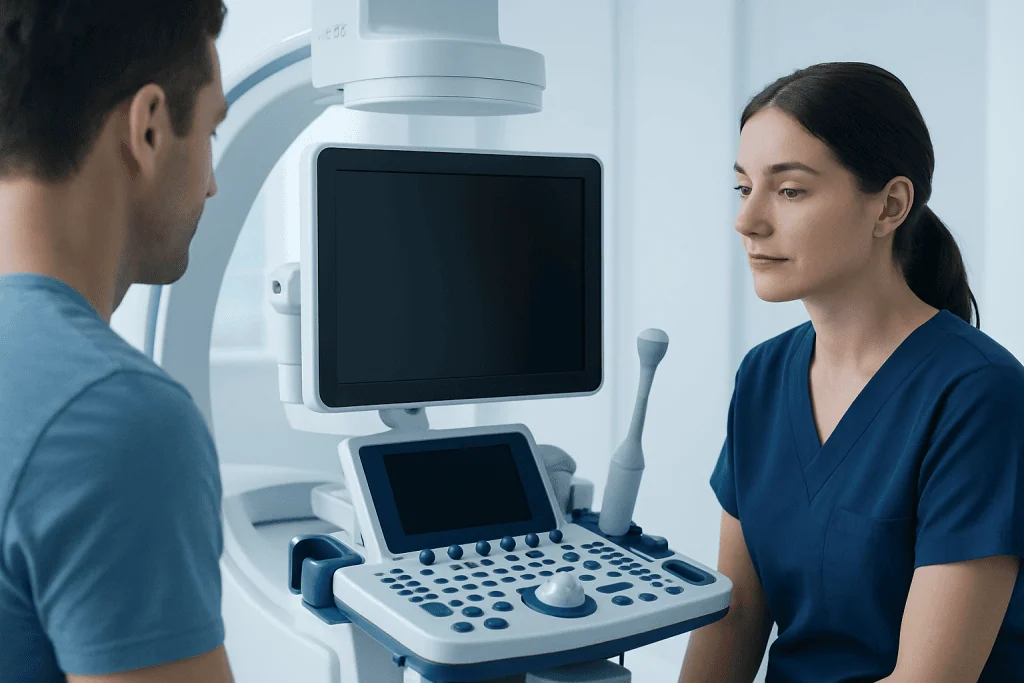
After you submit an inquiry, a coordinator or patient representative usually reviews the information you shared. This first step is about understanding why you are contacting the hospital, what symptoms, diagnosis or treatment plan you already have, and whether any existing tests or reports should be reviewed by the relevant medical team.
You may be asked to send documents such as imaging reports, blood test results, pathology reports, previous treatment summaries, medication lists or a passport copy for registration planning. If your documents are not in English or Turkish, the team may advise you on what is most useful to translate first. Sending complete and recent records often helps avoid delays.
Once the right department is identified, your information can be directed to the appropriate specialist or multidisciplinary team. This does not replace an in-person examination, but it helps the hospital decide how to plan your visit, what type of appointment is needed, and whether you may require consultation, testing, admission or a longer stay.
If anything is unclear, you may be contacted for follow-up questions. It is normal to be asked about your current symptoms, your medical history, previous surgeries, allergies and any urgent concerns. Clear, prompt replies help the coordination process move more smoothly.
How Acibadem International helps with planning and communication

For international patients, logistics matter almost as much as medical planning. Acibadem International is designed to support both. Once your case is progressing, you may receive guidance on proposed dates, expected pre-admission steps, how long to stay in Turkey, and whether a companion is recommended for your trip.
Your coordinator can usually help organize practical details around your care journey, including appointment flow, interpreter arrangements and general information about travel and accommodation. This is helpful if you are trying to align flights, hotel bookings, work leave and family plans with your hospital schedule.
Communication is typically centered on keeping things understandable and organized. If you have questions about documents, timing, arrival day or what to bring, the international patient services team is often your first point of contact. Their role is not to rush you, but to help you prepare confidently and reduce avoidable surprises.
Because Acibadem hospitals serve patients from many countries, interpreters and multilingual support may be arranged where needed. If English is not your preferred language, mention that early so the team can plan communication support in advance.
Travel preparation before you come to Turkey
Once your medical review and preliminary planning are underway, your next focus is travel readiness. You will usually want to confirm your passport validity, visa requirements if applicable, flight options, travel insurance details and the likely length of your stay. If you are traveling for a procedure or complex treatment, plan conservatively rather than booking a very tight return date.
It is also wise to prepare a simple folder, printed or digital, with your identification, medical reports, medication list, allergies, emergency contact information and any correspondence from the hospital. Keep essential medicines in your hand luggage in their original packaging whenever possible, and carry copies of prescriptions if needed for travel.
If you are traveling with a family member or companion, discuss their role before you arrive. They may help with transportation, communication, comfort and post-treatment support. For some patients, especially older adults or those expecting a hospital stay, having a companion can make the experience much easier.
Acibadem International may also help you think through accommodation location, airport-to-hospital timing and whether you should arrive a day or two before key appointments. Building in a little extra time can reduce stress, especially after long flights or if you are adjusting to a new city.
What happens close to admission day
As your visit gets closer, the hospital may confirm your appointment schedule, planned consultations, expected tests and admission instructions. Depending on your case, you may be asked to arrive fasting, adjust certain medications, or complete pre-admission forms before coming to the hospital. Always follow the instructions given specifically for your situation.
Admission day is usually much easier when you know what to expect. You will generally need your passport or identification, insurance or payment documents if relevant, and your medical records. If you have implant cards, prior scans on disc, or specialist reports from another country, bring those as well unless you were told they are not needed.
At a JCI-accredited Acibadem hospital, administrative and clinical steps are designed to support patient safety and clear documentation. That may mean identity checks, consent forms, medication review and confirmation of your medical history. These steps can feel repetitive, but they help the team provide safe, coordinated care.
If you need language support, remind the team in advance and again on arrival. Interpreter coordination is much easier when requested early. It can also help to write down your main questions ahead of time so you do not forget them during a busy admission day.
How to make the process smoother for yourself
The most helpful thing you can do is stay organized and responsive. Save the contact details of your coordinator, check messages regularly, and send requested documents in a clear format. If your condition changes before travel, or if you are hospitalized locally, tell the team as soon as possible so your plan can be reviewed safely.
Be realistic about timelines. Some cases move quickly, while others need additional review, updated test results or coordination across more than one specialty. A multidisciplinary approach can be especially valuable for complex conditions, but it may require more planning than a single outpatient appointment.
It is also fine to ask practical questions. You can ask what happens first on arrival, whether a companion can stay with you, how many days you may need nearby, or whether you should bring previous imaging on CD or USB. Practical clarity often reduces anxiety more than anything else.
Above all, remember that the process is meant to guide you step by step. At Acibadem International, the purpose of coordination is to help you move from uncertainty to a clear plan, with medical review, travel logistics and hospital admission linked together in a way that feels manageable.
Step by step
- Send your inquiry. You begin by sharing your request through the online channel, with basic details about your health concern, diagnosis or treatment need. Give as much clear information as you can so the team can direct your case appropriately.
- Provide medical records. You may be asked to send reports, scans, test results, medication details and previous treatment summaries. Complete and recent documents help the relevant department review your case more efficiently.
- Receive coordination feedback. After review, you are usually informed about the appropriate specialty, likely next steps and what kind of visit may be needed. If more information is required, your coordinator will contact you with specific questions.
- Discuss timing and travel plans. Once the medical pathway is clearer, you can discuss possible dates, expected length of stay and practical travel considerations. This is also the time to mention interpreter needs, companion plans and any scheduling limits.
- Prepare for arrival. Before you travel, organize your identification, records, medications and hospital correspondence in one place. Confirm key instructions carefully, especially if you were told to fast, pause a medicine or arrive at a certain time.
- Complete admission at the hospital. On arrival, you will go through registration, identity checks and the required administrative and medical safety steps. Once these are completed, your consultation, tests or inpatient admission can move forward according to plan.
Your checklist
- Passport or valid identification
- Recent medical reports and test results
- List of current medications and allergies
- Copies of prior imaging, pathology or surgery reports
- Hospital correspondence and coordinator contact details
- Flight and accommodation details
- Companion information, if someone is traveling with you
- Interpreter request, if you need language support
Key takeaways
- Your online inquiry is the starting point for a coordinated medical and travel planning process.
- Sending complete medical records early usually helps your case move more smoothly.
- Acibadem International can support communication, scheduling, interpreters and practical travel guidance.
- Admission day is easier when you bring identification, records, medication details and written questions.
- Clear communication about changes in your health or travel plans helps the hospital adjust your pathway safely.
Frequently asked questions
What should I send with my first inquiry?
Start with a clear summary of your condition or request, along with any diagnosis you have already received. If available, include recent reports, test results, scans, pathology summaries, medication lists and previous treatment information so the right team can review your case.
Will I know my full treatment plan before I travel?
You may receive an initial opinion about which department should see you and what the likely next steps are. However, a full treatment plan often depends on in-person consultation, examination and sometimes updated testing after you arrive.
Can Acibadem help if I do not speak English or Turkish?
Yes, international patient services can help arrange communication support for many patients coming from abroad. It is best to mention your language needs as early as possible so interpreter planning can be made in advance.
How far in advance should I travel before my appointment or admission?
That depends on your schedule, the complexity of your case and the length of your journey. Many patients prefer to arrive with a small time buffer, especially after long flights, so they can rest and avoid unnecessary stress before hospital visits.
Should I bring original medical records with me?
Yes, if possible, bring original or clearly organized copies of key records even if you already sent them digitally. This can be useful if a doctor needs to compare reports, review prior imaging or confirm details during admission.
What if my symptoms change after I have already planned the trip?
Tell your coordinator as soon as you can, especially if your condition worsens, you are hospitalized locally or you start a new medication. Updated information can affect timing, safety instructions or the type of consultation needed when you arrive.
Can a family member or companion stay involved in the process?
In many cases, yes, especially if you want help with travel, communication or support during your stay. It is helpful to let the team know in advance who will accompany you so practical arrangements can be planned more easily.
Add us as a Preferred Source to see more of our trusted health content across Google Search, AI Overviews and Discover.
More Patient Guides

At Acibadem, How We Explain Expected Clinical Outcomes and Treatment Success Information
Expected clinical outcomes at Acibadem are explained in clear, realistic terms so you understand likely benefits, limits, risks, and next steps in…
9 min read
At Acibadem, How Families and Companions Are Supported During Treatment Travel
At Acibadem, family support during treatment travel in Turkey includes interpreters, planning help, visitor guidance, and practical support for companions.
9 min read
At Acibadem, What Happens If Your In-Person Evaluation Changes the Initial Plan
In-person evaluation plan changes at Acibadem can happen if new findings appear in Turkey. Your team explains why, what changes, and your…
9 min read