

At Acibadem, How to Verify Our Hospitals, Official Channels, and Appointment Messages

At Acibadem, verify hospitals, official channels, and appointment messages by checking our website, contact details, and confirmation steps in Turkey.
If you are planning care with Acibadem, it is sensible to confirm that a hospital, website, phone number, email, or appointment message is genuinely ours. This guide shows you simple ways to verify official channels, protect your personal information, and know when to pause and ask for help.
At a glance
- Best for: Patients and families checking whether contact is genuinely from Acibadem
- What you can verify: Hospitals, websites, phone numbers, emails, WhatsApp or messaging contacts, and appointment details
- Safest starting point: Begin from Acibadem’s official website and International Patient Services
- When to be cautious: If you are rushed, asked for unusual payments, or contacted from unofficial-looking accounts
- Helpful support: Interpreter, travel, accommodation, and appointment coordination through Acibadem International
- Main goal: Protect your privacy and make sure your care journey starts through the right channel
Why verification matters before you travel or share records
When you are arranging care abroad, it is normal to receive messages about appointments, medical records, travel timing, or payment steps. Before you reply, send documents, or make plans, it helps to confirm that the hospital and the person contacting you are genuinely connected to Acibadem. A few careful checks can prevent confusion, protect your privacy, and help your treatment planning stay smooth.
For international patients, communication may happen across website forms, email, telephone, and messaging apps. That convenience is helpful, but it also means you may want a clear routine for checking what is official. If you start from Acibadem International’s established patient channels and compare details across more than one source, you reduce the chance of relying on inaccurate or unofficial information.
Verification is not about expecting a problem every time. It is simply a practical travel and safety habit, just like checking your passport dates or confirming your airport transfer. If something does not look right, you can pause, avoid sharing anything further, and ask Acibadem International Patient Services to confirm the correct next step.
How to verify an Acibadem hospital or facility
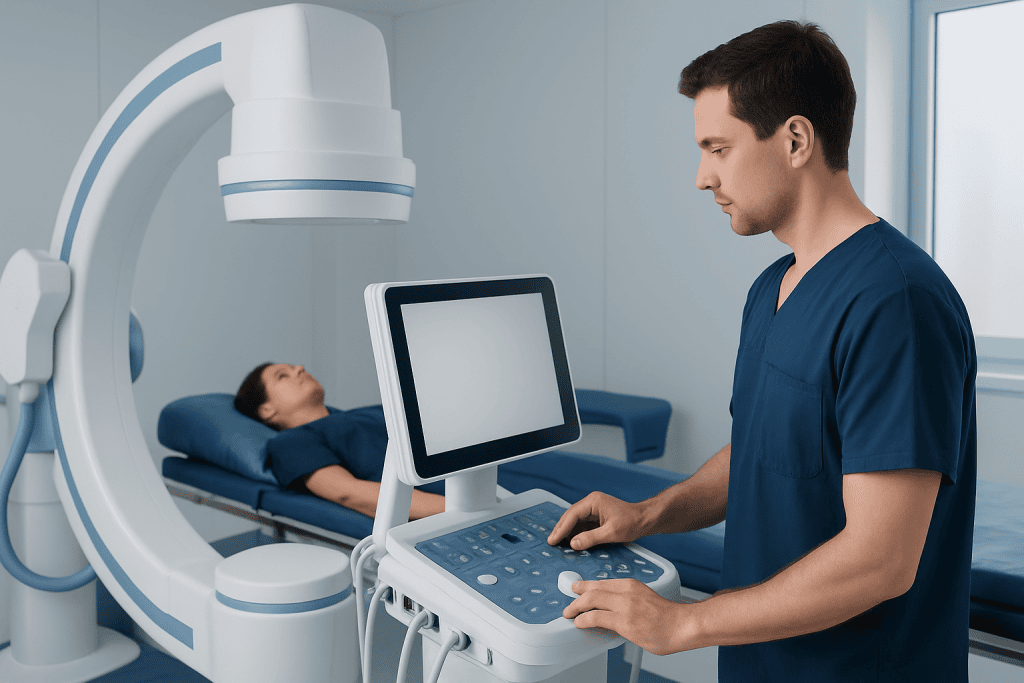
The safest first step is to look up the hospital through Acibadem’s official website rather than relying only on a message, social media profile, or forwarded contact card. An official hospital listing should match the facility name, city, and contact details you were given. This is especially useful if you are comparing hospitals in Istanbul or elsewhere in Turkey and want to be sure you are speaking to the right team.
Acibadem is a well-known healthcare group, and many patients specifically look for JCI-accredited hospitals and organized international patient support. If accreditation, location, or specialty services are important to your planning, verify them directly through the official Acibadem web pages or by asking International Patient Services to confirm which hospital will handle your evaluation, consultation, or admission.
You can also cross-check whether the information you received is consistent across channels. For example, the hospital name in your email signature, the appointment confirmation, and the website listing should all align. If one source uses a different hospital name, vague location details, or an unclear department description, ask for clarification before moving forward.
- Check the exact hospital name and city.
- Confirm the contact details through the official website.
- Ask which department or international office is handling your case.
- Request written confirmation if your appointment location changes.
How to check whether a website, email, phone number, or message is official
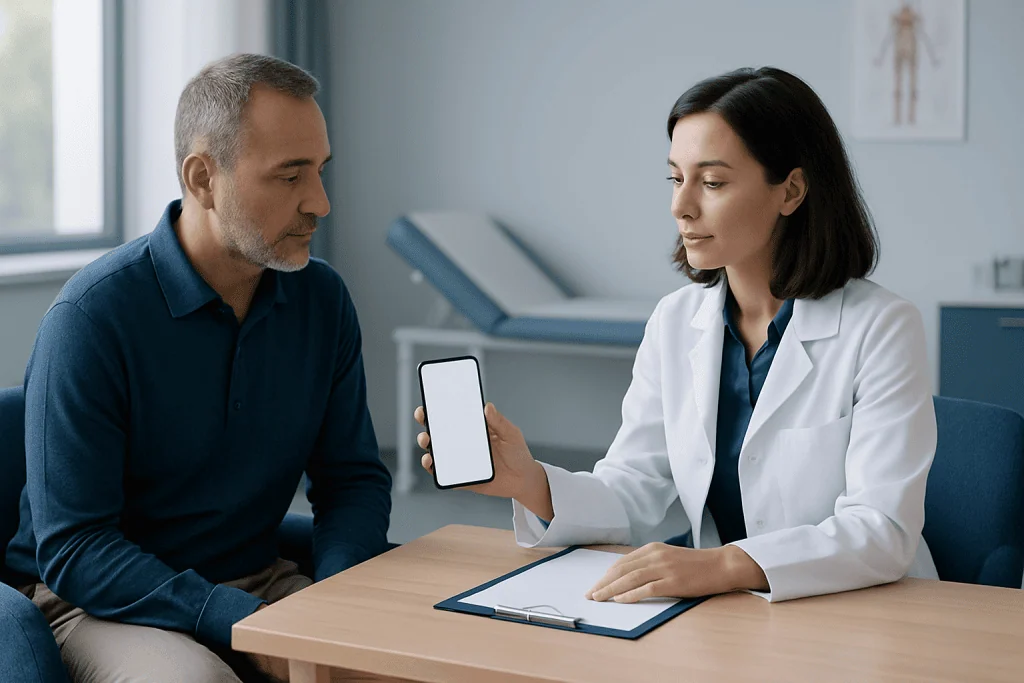
Begin with the web address. If you reached a page through an advertisement, third-party directory, or social platform, do not assume it is official without checking. Open a fresh browser window and find Acibadem through a direct search or your saved records, then compare the address carefully. Small spelling changes, extra words, or unusual domain endings can be warning signs.
For emails, look beyond the display name and review the actual sender address. Official communication should use a consistent professional format and should match the hospital or international patient service details you can confirm independently. If an email asks you to click an unfamiliar link, download an unexpected file, or send passport and medical documents before any proper introduction, it is reasonable to stop and verify first.
For phone calls and messaging apps, check whether the number matches the contact details on the official website or in your confirmed patient correspondence. If you receive an unexpected message about an urgent appointment, payment, or change in plan, do not rely only on the incoming message. Call back using a verified Acibadem number you found yourself. Acibadem International can help confirm whether a coordinator, interpreter, or admissions contact is genuinely assigned to your case.
What real appointment communication usually looks like
A genuine appointment process is typically clear, structured, and easy to follow. You should know which hospital is involved, which service is arranging your visit, and what information is needed from you. Communications usually include practical details such as your name, the department or specialty, the date or proposed time, and the next action you need to take.
For international patients, appointment planning may also include questions about your travel dates, whether you need an interpreter, and whether support is needed for airport transfer or accommodation. At Acibadem International, these logistics are often coordinated through patient services so that your journey is more organized. That said, it is still wise to confirm every new instruction against an official channel, especially if the request differs from what you were previously told.
It is also reasonable to expect time for questions. Authentic coordination should not pressure you to act instantly without explanation. If you are unsure, ask for a written confirmation email or request that the same details be resent through the main patient channel already linked to your case. Consistency is one of the strongest signs that the communication is legitimate.
Warning signs that should make you pause
Some situations deserve extra caution. Be careful if someone claims to represent Acibadem but avoids giving a hospital name, refuses to confirm details through official patient services, or creates unusual urgency. Pressure to send documents immediately, transfer money to a personal account, or move the conversation away from verifiable channels should prompt you to stop and check again.
Other warning signs include inconsistent language, repeated changes to contact details, poor-quality copies of hospital documents, or appointment messages that do not match the department or city you were told to expect. If you are asked for more personal data than seems necessary at that stage, limit what you share until you have verified the request through an official source.
Trust your instincts if something feels off. It is better to delay by a few hours and confirm than to share sensitive records too quickly. International Patient Services can usually clarify whether a message is genuine, whether your case file exists, and which team member should be in contact with you.
- Requests for payment through personal or unrelated accounts
- Urgent pressure without a clear explanation
- Different hospital names or changing locations
- Unfamiliar links, forms, or attachments
- Refusal to confirm details through official channels
What information is safe to share, and when
In early conversations, keep your information limited to what is necessary to open communication and understand your options. Basic identity details and a short summary of your medical concern may be appropriate when you are using a verified channel. More sensitive records, passport copies, or detailed reports should ideally be shared only after you have confirmed the hospital, contact point, and purpose of the request.
Before sending documents, ask why they are needed, who will review them, and how they will be used for your appointment planning. This is especially important if you are sending imaging, pathology reports, or passport information for travel-related coordination. A reputable international patient service should be able to explain the process clearly and tell you what to send now versus later.
It also helps to keep your own record. Save copies of appointment emails, note the names of contacts, and write down the date and time of any phone conversation. If there is ever a mismatch, you will have a simple timeline to refer back to when speaking with Acibadem International or the hospital admissions team.
How Acibadem International can help you confirm the right path
If you are unsure where to start, the most practical route is to begin with Acibadem International Patient Services and ask them to direct you to the correct hospital and team. This can be especially helpful if you are coming from outside Turkey, comparing specialties, or trying to coordinate consultation timing with flights and accommodation. Starting from one verified point of contact reduces the risk of mixed messages.
Acibadem International is set up to support overseas patients with communication and logistics, including interpreters and practical coordination around your visit. That does not replace your own good judgment, but it gives you a reliable place to confirm whether a message, phone number, or appointment step fits your active case. If you receive a new instruction from someone you do not know, ask Patient Services to verify it before you act.
Once your appointment is confirmed, ask for a simple written summary of the essentials: hospital name, address, department, date and time, what to bring, whether fasting or preparation is needed, and which number to call if your travel plans change. A concise, official summary can make your arrival in Istanbul or elsewhere in Turkey much less stressful.
Step by step
- Start from an official source. Open Acibadem’s official website yourself rather than relying only on a link sent to you. Use that site to find the hospital, international patient contact details, and any appointment support information.
- Match the hospital name and city. Confirm that the hospital name in your message matches the official listing exactly. If your care is planned in Istanbul or another city in Turkey, make sure the address and department are also consistent.
- Check the sender details carefully. Review the full email address, phone number, or messaging account, not just the display name. If anything looks unusual or incomplete, contact Acibadem International through a verified number and ask them to confirm the contact.
- Verify any appointment message independently. If you receive a new appointment, change of time, or request for documents, confirm it through a channel you already know is official. A quick callback or email to International Patient Services can prevent misunderstandings.
- Share documents only after confirmation. Once you are confident the request is genuine, send only the documents needed for that stage of planning. Keep copies of what you sent and note the name of the person or team who requested it.
- Pause if there is pressure or inconsistency. Do not rush because of an urgent tone alone. If a person pressures you for payment, identity documents, or immediate action without clear verification, stop and ask for written confirmation through official Acibadem channels.
- Keep one organized record of your case. Save appointment emails, names, dates, and phone numbers in one place. A simple folder or note on your phone can help you quickly confirm details if a new message arrives.
Your checklist
- Use Acibadem’s official website as your starting point
- Confirm the exact hospital name, city, and department
- Double-check the full sender email address or phone number
- Verify new appointment messages through an official callback or email
- Ask why any passport or medical document is being requested
- Do not send money or personal data through unverified channels
- Keep copies of confirmations, messages, and attachments
- Ask Acibadem International Patient Services if anything is unclear
Key takeaways
- Begin with Acibadem’s official website or International Patient Services, not only a forwarded link or message
- Cross-check hospital names, cities, contact details, and appointment information across more than one official source
- Be cautious with urgent requests, unfamiliar links, changing contact details, or unusual payment instructions
- Share sensitive medical or passport documents only after you have confirmed who is requesting them and why
- Keep a simple record of your communications so you can spot inconsistencies quickly
Frequently asked questions
How can you verify that a hospital is really part of Acibadem?
The safest method is to find the hospital through Acibadem’s official website and compare the exact name, location, and contact details with what you were given. If you are still unsure, ask Acibadem International Patient Services to confirm which hospital and department are handling your case.
What should you do if you receive an appointment message from an unfamiliar number?
Do not rely on the message alone, even if it looks professional. Contact Acibadem through a verified phone number or email that you found independently and ask them to confirm whether the appointment message is genuine.
Is it normal to send medical records before your first appointment?
It can be normal for a verified hospital team to request reports or imaging so they can review your case and plan the right specialist pathway. Still, you should first confirm that the request came through an official Acibadem channel and understand why those documents are needed.
How can you tell if a website or link is unofficial?
Check the web address carefully for spelling differences, extra words, unusual endings, or pages that do not match the branding and contact details of the official Acibadem site. If you reached the page through an ad, social post, or forwarded message, open a fresh browser window and navigate independently to compare.
What are common warning signs in suspicious messages?
Be careful with messages that create pressure, use inconsistent hospital details, ask for payment through personal accounts, or push you to click unfamiliar links. Another warning sign is when the sender avoids confirming details through official patient services.
Can Acibadem International help you confirm travel and appointment logistics too?
Yes. International Patient Services can usually help you confirm which hospital is involved, whether your appointment details are correct, and what practical steps come next, including interpreter or travel-related coordination where relevant.
What is the safest way to respond if you are unsure?
Pause before sending anything else. Then contact Acibadem through a verified official channel, explain what you received, and ask them to confirm whether the message, number, or request belongs to your case.
Add us as a Preferred Source to see more of our trusted health content across Google Search, AI Overviews and Discover.
More Patient Guides

At Acibadem, How We Explain Expected Clinical Outcomes and Treatment Success Information
Expected clinical outcomes at Acibadem are explained in clear, realistic terms so you understand likely benefits, limits, risks, and next steps in…
9 min read
At Acibadem, How Families and Companions Are Supported During Treatment Travel
At Acibadem, family support during treatment travel in Turkey includes interpreters, planning help, visitor guidance, and practical support for companions.
9 min read
At Acibadem, What Happens If Your In-Person Evaluation Changes the Initial Plan
In-person evaluation plan changes at Acibadem can happen if new findings appear in Turkey. Your team explains why, what changes, and your…
9 min read