

At Acibadem, What to Expect from Our Pre-Travel Medical Record Review

Pre-travel medical record review at Acibadem helps you understand what to send, how specialists assess it, and what to expect before traveling to Turkey.
Before you travel, Acibadem International can review your medical records so your care team has a clearer picture of your situation and next steps. Here is what the process usually involves, what you may be asked to send, and how it helps you plan your trip with fewer surprises.
At a glance
- Best for: International patients planning treatment or a specialist opinion before travel
- What you send: Recent reports, imaging, medication list, and key medical history
- Who reviews it: Relevant specialists and international patient coordinators
- Main goal: To assess whether you may be suitable for evaluation or treatment and plan logistics
- What it is not: Not a final diagnosis, guarantee, or replacement for an in-person examination
Why a pre-travel medical record review matters
If you are considering care abroad, one of the most useful first steps is a pre-travel medical record review. This allows the hospital team to look at the information you already have before you make plans, so you can understand whether further evaluation or treatment in Turkey may be appropriate.
At Acibadem International, this review helps your case reach the most relevant specialty team and gives international patient services a practical starting point for planning. Instead of arriving with unanswered questions, you have a clearer idea of what documents matter, what additional tests may be needed, and how to prepare for your visit.
Just as importantly, the review can reduce avoidable delays. If key reports are missing, if imaging needs to be resent in a better format, or if an updated test is likely to be necessary, it is easier to address that before you travel than after you arrive.
What you will usually be asked to send
The most helpful records are the ones that explain your diagnosis, symptoms, treatments so far, and current condition. In many cases, this includes clinic letters, discharge summaries, pathology reports, lab results, imaging reports, and a list of medications you take now.
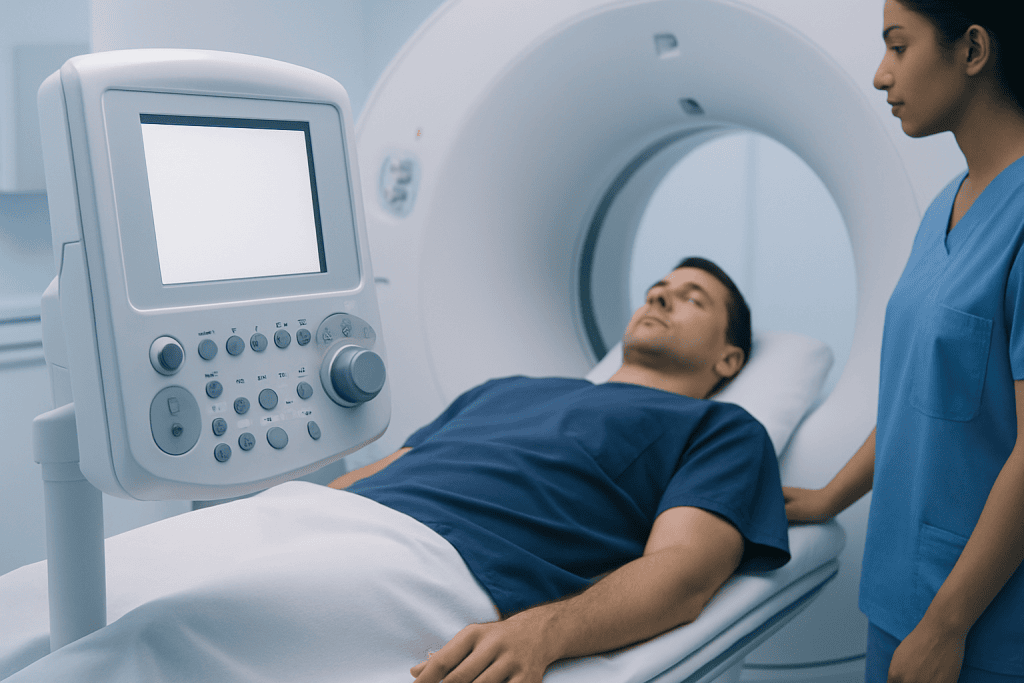
If you have scans such as MRI, CT, PET-CT, ultrasound, mammography, or X-rays, the written report is important, and the image files themselves may also be requested. When available, sending the original digital images can help specialists review the case more accurately than relying only on a short written summary.
Try to send the most recent and relevant information rather than every medical document you have ever received. A focused file is usually easier to review. If you are unsure what matters most, Acibadem International coordinators can guide you on which documents to prioritize.
- Passport identification page or basic patient details
- Recent consultation notes or diagnosis summary
- Lab tests and pathology reports, if relevant
- Imaging reports and, when possible, image files
- Current medication and allergy list
- Past treatment history, including surgeries or hospital stays
How the review process typically works at Acibadem

Once your records are received, the international patient team organizes them and directs the case to the appropriate department. Depending on your needs, this may involve one specialist or a multidisciplinary review, especially if your condition spans more than one area of care.
Acibadem International is part of a JCI-accredited healthcare group, and the pre-travel review process is designed to support safe, coordinated planning for international patients. That means the focus is not only on the medical question itself, but also on whether the information provided is complete enough to make sensible recommendations about your next step.
After the review, you will usually receive feedback on what can be assessed from the records, whether you should come for further evaluation, and what additional information may still be needed. You may also be connected with international patient services for practical help such as appointment planning, interpreter support, and travel coordination.
What the review can tell you — and what it cannot
A pre-travel medical record review can often clarify whether your case appears suitable for assessment or treatment at Acibadem, which specialty should see you, and whether you may need updated testing after arrival. It can also help you understand the likely sequence of consultations and examinations, which is useful when planning time away from home.
What it cannot do is replace an in-person medical examination. Doctors may need to assess you directly, repeat tests, review original pathology, or obtain new imaging before confirming a diagnosis or treatment plan. This is normal and is done to protect your safety and support accurate clinical decisions.
It is also important to see the review as guidance rather than a promise. Travel plans, test results, your current health status, and findings during the face-to-face consultation can all affect what happens next.
How to prepare your records so the review goes smoothly
You can make the process much easier by organizing your records before sending them. Start with a short timeline of your condition: when symptoms began, what diagnosis you were given, what treatment you have had, and what your current concerns are. This summary helps the reviewing team quickly understand your situation.
Make sure names and dates are visible on reports, and avoid sending unclear phone photos if scanned copies are available. If your records are not in English, ask which documents are most important to translate first. Often, key summaries and major reports are more helpful than translating every page.
It also helps to include practical details. Let the team know if you have mobility needs, a preferred travel window, recent changes in symptoms, or any urgent concerns. If you already have a companion or family member helping you, you can also identify who should receive updates about scheduling and logistics.
What happens after the review and before you travel
Once the review is complete, the next step is usually one of three paths: you may be invited for in-person evaluation, asked to provide more records, or advised that certain testing should be done locally first if appropriate. This stage is about turning the review into a realistic plan.
If you decide to travel, international patient services can help coordinate your schedule so consultations, imaging, and other necessary appointments are arranged as efficiently as possible. At Acibadem International, many patients also use interpreter support and guidance on travel and accommodation to make the experience easier to manage.
You should still keep expectations flexible. Even with careful pre-travel planning, your exact schedule can change depending on doctor availability, the need for additional tests, or findings that emerge during your on-site assessment. Building in a little extra time is often wise.
Questions you should feel comfortable asking
A good pre-travel review is not only about sending records; it is also your chance to ask practical questions. For example, you may want to know which documents are essential, whether original scan files are needed, how recent your blood tests should be, or whether a companion should come with you.
You can also ask about the likely order of appointments, how interpreters are arranged, and whether there are any mobility or accessibility considerations during your stay. If you are traveling from far away, it is reasonable to ask how many days you should tentatively reserve for evaluation before you book flights.
At Acibadem International, patient coordinators can help translate medical planning into travel planning. That does not mean every answer can be final before you arrive, but it does mean you should have a clearer, more practical picture of what to expect.
Step by step
- 1. Contact the international patient team. Start by sharing your main concern, diagnosis if known, and what kind of help you are seeking. The coordinator can explain what records are most relevant and how to send them securely.
- 2. Gather your key medical documents. Prepare recent reports, scan results, medication lists, and any major treatment summaries. If you have many files, focus first on the most current and clinically important information.
- 3. Send records in clear, usable formats. Upload or email documents as instructed, making sure patient details and dates are visible. For imaging, ask whether written reports are enough or whether original image files are also needed.
- 4. Specialist review takes place. Your case is directed to the appropriate specialist or team for an initial assessment. In some cases, more than one department may be involved to help plan the most suitable next step.
- 5. Receive feedback and any follow-up requests. You may be told that you are suitable for in-person evaluation, that more information is needed, or that certain tests should be updated. This feedback helps you decide whether and how to plan your trip.
- 6. Coordinate travel and appointments. If you move forward, your coordinator can help organize consultations, tests, and practical support such as interpretation. This is also the stage to discuss likely visit length, companion needs, and preferred travel dates.
Your checklist
- A brief medical timeline in your own words
- Recent doctor reports or discharge summaries
- Pathology and laboratory reports, if relevant
- Imaging reports and original scan files when available
- Current medication list and known allergies
- Passport details or full patient identification information
- Questions about timing, documents, and travel planning
- Contact details for the family member or companion involved
Key takeaways
- A pre-travel medical record review helps you plan more confidently before coming to Turkey.
- The most useful records are recent, relevant, and clearly organized.
- The review can suggest next steps, but it does not replace an in-person examination.
- Acibadem International can help coordinate specialist review, interpreters, and practical travel support.
- Keeping extra time in your travel plans can help if additional tests are needed after arrival.
Frequently asked questions
Is a pre-travel medical record review the same as a confirmed treatment plan?
No. It is an initial assessment based on the records you provide. Doctors may still need to examine you in person, repeat tests, or review new findings before confirming a diagnosis or treatment recommendation.
Do I need to send every medical record I have?
Usually not. It is better to send the most recent and relevant records related to your current condition. If more detail is needed, the coordinator or specialist team can ask for additional documents later.
What if my records are not in English?
Ask which documents are most important to translate first. In many cases, key summaries, pathology reports, and major imaging reports are the priority, rather than translating every page.
Can scans be reviewed from reports alone?
Sometimes the written report is enough for an initial impression, but specialists may also request the original image files. This can be especially important for complex cases where details on the images affect planning.
How long before travel should I start the review process?
Earlier is usually better, especially if you may need translations, image transfers, or updated local testing. Starting in advance also gives you more flexibility when arranging appointments, flights, and accommodation.
Will the review tell me exactly how many days to stay in Istanbul?
It can provide an estimate based on the likely consultations and tests, but exact timing is not always final before arrival. Your schedule can change if additional examinations or unexpected findings arise.
Can Acibadem International help with non-medical arrangements too?
Yes, international patient services can often help with practical coordination such as appointments, interpreters, and general travel or accommodation guidance. This support can make the process easier, especially if you are traveling from abroad.
Add us as a Preferred Source to see more of our trusted health content across Google Search, AI Overviews and Discover.
More Patient Guides

At Acibadem, How We Explain Expected Clinical Outcomes and Treatment Success Information
Expected clinical outcomes at Acibadem are explained in clear, realistic terms so you understand likely benefits, limits, risks, and next steps in…
9 min read
At Acibadem, How Families and Companions Are Supported During Treatment Travel
At Acibadem, family support during treatment travel in Turkey includes interpreters, planning help, visitor guidance, and practical support for companions.
9 min read
At Acibadem, What Happens If Your In-Person Evaluation Changes the Initial Plan
In-person evaluation plan changes at Acibadem can happen if new findings appear in Turkey. Your team explains why, what changes, and your…
9 min read