

At Acibadem, What International Patients Receive Before Discharge and Return Travel
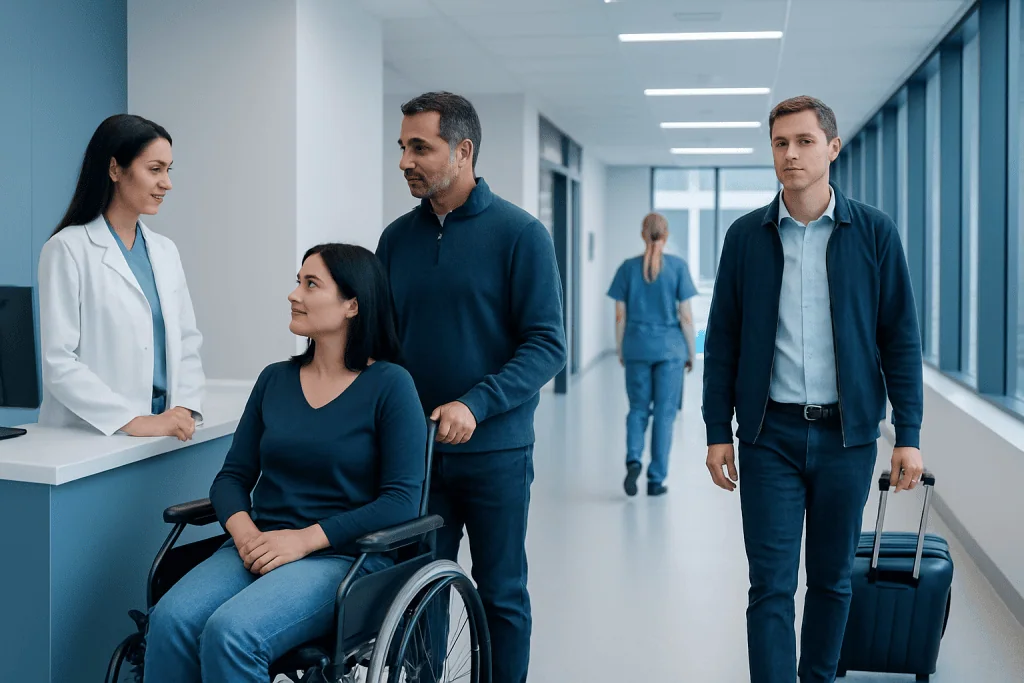
International patient discharge and return travel at Acibadem covers your documents, medicines, follow-up plan and travel readiness before leaving Turkey.
Before you leave the hospital and travel home, you should know exactly what documents, medicines, follow-up instructions and travel guidance you will receive. At Acibadem International, the goal is to help you return home feeling informed, prepared and supported.
At a glance
- Best for: International patients preparing for discharge and return travel
- What you receive: Medical records, prescriptions, discharge instructions, and follow-up guidance
- Travel support: Practical advice on timing, airport readiness, and transport planning
- Language help: Interpreter and international patient services coordination when needed
- Before you leave: A final check that you are medically fit to travel and know what to do next
What discharge usually includes for international patients
Before discharge, you will usually receive a clear set of medical and practical items to help you continue your recovery safely after leaving the hospital. This often includes your discharge summary, prescriptions, medication instructions, recommendations for wound care or activity, and guidance on when to seek medical help. If you have had tests, imaging, surgery or specialist treatment, copies of key reports may also be prepared for you.
For international patients, discharge is not only about leaving the hospital room. It also means making sure you can continue care once you are back at your hotel, in transit, or at home in another country. At Acibadem International, international patient services can help coordinate the information you need in a way that is practical for onward travel and follow-up.
You should expect your team to confirm that you understand your medications, restrictions, warning signs and next steps. If language is a concern, interpreter support can help make sure instructions are understood before you leave. This is especially important if your return trip involves a flight, a companion assisting you, or care that will continue with a doctor in your home country.
The documents you should leave with

Your documents matter because they connect your treatment in Turkey with the care you may need afterward. In most cases, you should leave with a discharge summary that explains your diagnosis or reason for treatment, what was done, your current condition, and the recommended plan after discharge. You may also receive prescriptions, medication schedules, copies of laboratory results, pathology or imaging reports where relevant, and advice for your next review.
If you will be seeing a doctor after you return home, ask for records that are easy to share. A concise summary is often the most useful first document, but you may also need imaging discs or digital files, operation notes, implant information where applicable, and fit-to-fly or medical travel notes if your airline or insurer requires them. It is sensible to keep both printed and digital copies with you, not only in checked baggage.
Acibadem International teams are used to supporting international patients who need organized paperwork for cross-border care. If something needs translation support, clarification, or an extra copy for your companion, insurer or local physician, it is best to request this before the day of departure so there is enough time to prepare it properly.
- Discharge summary
- Prescription and medication plan
- Test and imaging reports
- Follow-up recommendations
- Travel-related medical note if needed
How your medicines and home-care instructions are explained

One of the most important parts of discharge is making sure you know exactly how to manage the first days and weeks after treatment. You should be told which medicines to take, when to take them, how long to continue them, and whether there are any food, alcohol, activity or travel restrictions. If you are being given pain relief, blood-thinning medicines, antibiotics or dressings, the instructions should be especially clear.
You should also know what everyday care is expected from you. This may include bathing rules, dressing changes, rest and movement advice, hydration, sleep position, use of stockings or supportive items, and when you can resume work, exercise or longer journeys. For many patients, this is the information that makes the journey home much less stressful.
If you are worried you may forget details after discharge, ask for written instructions and go through them step by step before leaving. If your companion will be helping you at home or during travel, include them in the conversation. At Acibadem International, practical communication is a key part of safe discharge planning, particularly for patients returning abroad shortly after treatment.
Checking whether you are ready to travel home
Being discharged from hospital does not always mean you are immediately ready for long-distance travel. Your doctor will consider your general recovery, pain control, mobility, risk of complications, wound status, and whether flying or extended sitting is appropriate yet. In some cases, you may be advised to stay in Istanbul or elsewhere in Turkey for a short period before traveling, even if you no longer need inpatient care.
You may also receive specific travel guidance based on your treatment. This can include when it is safe to fly, how often to walk during a journey, whether you need compression measures, how to carry medicines, how to protect a wound, or whether you should avoid lifting luggage. If oxygen, wheelchair assistance, extra legroom, or a medical letter is needed, it is much easier to arrange this before your travel day.
Acibadem’s international patient teams can help align your discharge timing with practical travel planning. That might mean coordinating hospital transport, helping your companion understand pickup timing, or reminding you what should stay in your hand luggage. If your condition changes, ask before traveling rather than assuming your original plan is still safe.
What follow-up support looks like after you leave
Good discharge planning includes what happens after you are no longer physically at the hospital. You should know whether you need a clinic review before leaving Turkey, a remote check-in after you arrive home, or a local doctor visit in your own country. You should also know who to contact if you have a question about symptoms, medicines, wound care or documents.
For international patients, follow-up is often a combination of written instructions, scheduled contact, and guidance on when to seek urgent local care. A small concern can often be handled by reviewing instructions or sharing information with the care team, but symptoms such as worsening pain, shortness of breath, bleeding, fever, confusion or any sudden deterioration should be taken seriously and assessed promptly where you are.
At Acibadem International, multidisciplinary specialist teams and international services can help support continuity of care across borders. That does not replace emergency services in your home country, but it can make routine follow-up more organized by helping you understand your next steps and the purpose of any recommended review.
Practical support for you and your companion before departure
The hours before discharge can feel busy, especially if you are also checking out of accommodation, arranging luggage, or coordinating airport transport. It helps to think beyond the medical paperwork and make sure the practical side is covered too. You may need wheelchair assistance, a slower transfer schedule, help with hotel arrangements, or clear timing for when to eat, drink and take medicines before travel.
If you have a companion, give them a role. They can carry your documents, help monitor your medicines, assist with mobility, and listen during final discharge explanations. This is particularly useful if you are tired, uncomfortable, or processing a lot of information in a short time.
Acibadem International often supports international patients with the coordination side of discharge as well as the medical side. That can include helping you understand the sequence of leaving the ward, obtaining documents, collecting medicines, arranging transfer support, and knowing whom to contact if a question comes up after you reach your hotel or airport.
Step by step
- Confirm your medical readiness to leave. Before discharge, your doctor will check that you are stable and that your immediate recovery is appropriate for leaving the hospital. If return travel is planned soon, ask specifically whether your journey length, flight timing and mobility needs have been taken into account.
- Review your discharge documents. Go through every document before you leave the hospital, not later in the car or at the airport. Make sure your name details are correct and that you understand which papers are for you, your insurer, your airline or your doctor at home.
- Understand your medicines and restrictions. Ask for a simple explanation of each medicine, when to take it, and what side effects or warning signs to watch for. Confirm any restrictions on food, showering, driving, lifting, exercise, work and flying.
- Plan the journey from hospital to hotel or airport. Think about sitting time, comfort, pain control, toilet access and how your luggage will be handled. If you need wheelchair support or a more spacious transfer, arrange it in advance rather than on the day.
- Set up follow-up communication. Before leaving, make sure you know whether there is a review appointment, a remote check-in, or a point of contact for questions. Save phone numbers, email addresses and any patient portal details somewhere easy to access during travel.
- Pack medical essentials in hand luggage. Keep your medicines, prescriptions, discharge papers and any important medical letter with you, not in checked bags. If your treatment affects mobility or comfort, also keep water, snacks if permitted, dressings and supportive items within reach.
Your checklist
- Discharge summary collected
- Prescriptions and medication schedule understood
- Copies of reports and imaging requested if needed
- Fit-to-fly or travel note requested if required
- Follow-up contact details saved
- Emergency warning signs explained
- Medicines packed in hand luggage
- Airport or transport assistance arranged if needed
Key takeaways
- Discharge for international patients should cover both medical safety and travel practicality.
- You should leave with clear documents, prescriptions, home-care instructions and follow-up guidance.
- Being discharged does not always mean you are immediately ready for long-distance travel, so confirm travel readiness directly.
- Keep all essential medical papers and medicines in your hand luggage.
- Acibadem International teams can help coordinate interpreters, documents and travel-related planning before you return home.
Frequently asked questions
What should I receive before discharge as an international patient?
You should usually receive a discharge summary, prescriptions, medication instructions, and written advice on recovery, restrictions and warning signs. Depending on your treatment, you may also receive copies of test results, imaging reports, pathology information, or a medical note for travel.
Will someone explain my discharge instructions in English?
International patients should be given instructions in a way they can understand clearly. At Acibadem International, interpreter and international patient support may help you review medicines, follow-up steps and travel advice before you leave.
Can I fly home immediately after discharge?
Not always. Whether you can fly depends on your condition, the type of treatment you had, your mobility, pain control, and any risk of complications, so you should ask your doctor directly about your planned journey.
What if I need follow-up after I return home?
Your discharge plan should explain whether you need a review before leaving Turkey, a remote follow-up, or a local doctor assessment after you get home. Keep your records organized so any doctor who sees you later can quickly understand what treatment you received.
Should I put my medicines and reports in checked luggage?
No, it is usually safer to keep essential medicines, prescriptions and medical documents in your hand luggage. This helps you access them during travel and avoids problems if checked baggage is delayed.
What if I feel unwell after leaving the hospital but before flying?
Do not ignore new or worsening symptoms. Contact the care team using the discharge contact details you were given, and seek urgent medical assessment locally if symptoms are severe or sudden.
Can my companion be involved in discharge planning?
Yes, and it is often very helpful. A companion can listen to instructions, help manage medicines and documents, and support you physically and practically during the trip back to your accommodation or airport.
Add us as a Preferred Source to see more of our trusted health content across Google Search, AI Overviews and Discover.
More Patient Guides

At Acibadem, How We Explain Expected Clinical Outcomes and Treatment Success Information
Expected clinical outcomes at Acibadem are explained in clear, realistic terms so you understand likely benefits, limits, risks, and next steps in…
9 min read
At Acibadem, How Families and Companions Are Supported During Treatment Travel
At Acibadem, family support during treatment travel in Turkey includes interpreters, planning help, visitor guidance, and practical support for companions.
9 min read
At Acibadem, What Happens If Your In-Person Evaluation Changes the Initial Plan
In-person evaluation plan changes at Acibadem can happen if new findings appear in Turkey. Your team explains why, what changes, and your…
9 min read