

At Acibadem, What Safety and Quality Checks Support Your Hospital Care
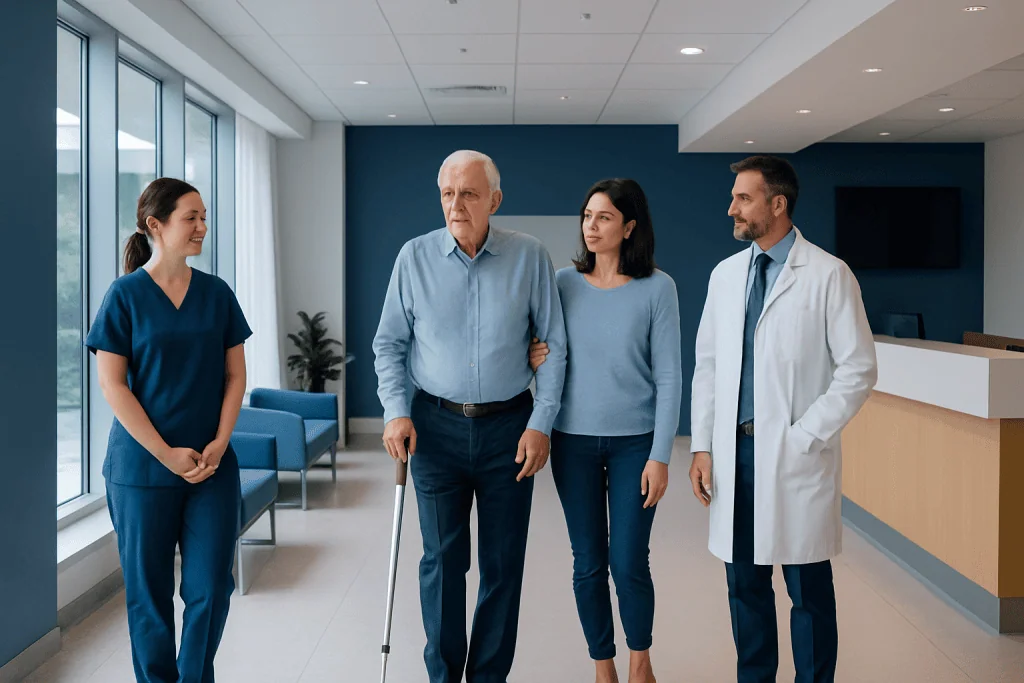
Safety and quality checks at Acibadem include JCI-accredited standards, patient identification, infection control, medication checks, and care coordination in…
If you are planning care with Acibadem, it helps to know how your safety is supported before, during, and after your hospital stay. This guide explains the practical checks, teams, and standards that help protect you and keep your care organized.
At a glance
- Best for: International patients who want to understand hospital safety and quality processes
- Covers: Accreditation, identification, infection prevention, medication safety, and care coordination
- Applies to: Before admission, during treatment, and discharge planning
- Support available: International patient services, interpreters, and practical travel coordination
- What to do: Bring your records, ask questions, and confirm your details at each step
What “safety and quality checks” mean for you
When you come to hospital, safety is not one single test or form. It is a series of checks built into your care journey so the right patient receives the right treatment, at the right time, with the right information. These checks usually start before you travel and continue through admission, treatment, recovery, discharge, and follow-up.
At Acibadem International, these processes are designed to support international patients who may be managing travel, language differences, family arrangements, and treatment decisions all at once. In practical terms, that means your identity is confirmed repeatedly, your records are reviewed carefully, your medications and allergies are checked, and your care team coordinates with each other so fewer details are missed.
Quality checks are also about consistency. You want to know that hospital teams follow recognized standards, use clear documentation, and work within structured systems for infection prevention, equipment management, and patient monitoring. For you, this often shows up as repeated questions, wristband checks, consent discussions, and clear discharge instructions.
Accreditation, standards, and why they matter
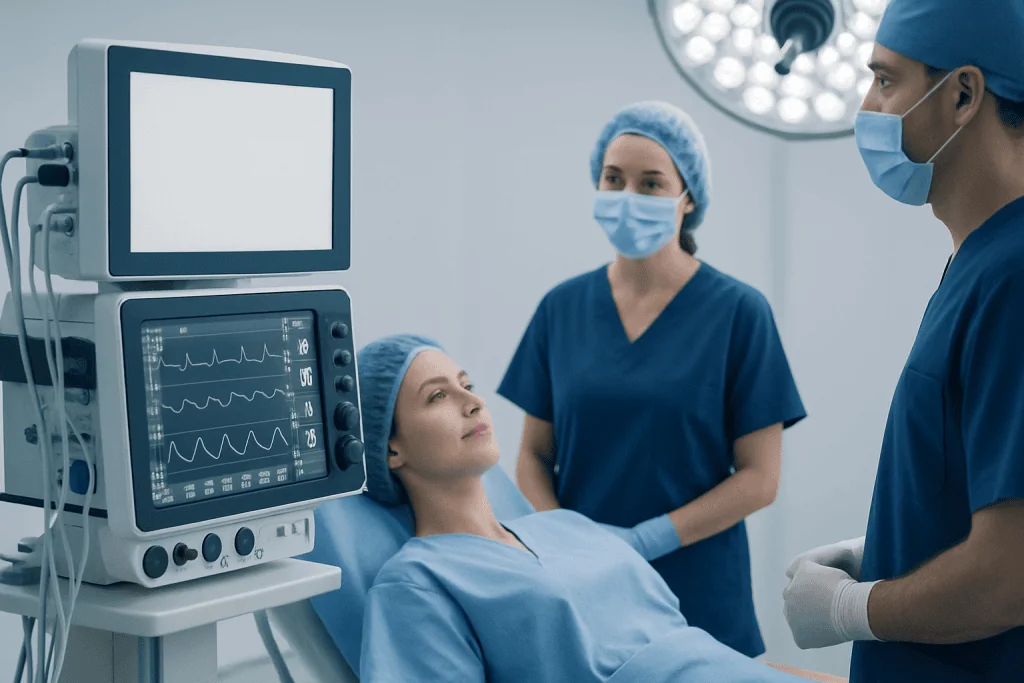
One of the simplest ways to understand a hospital’s quality framework is to look at its accreditation and governance. Acibadem International is part of a healthcare group with JCI-accredited hospitals, which means hospitals are assessed against internationally recognized standards related to patient safety, quality improvement, and clinical processes.
For you, accreditation matters because it supports a structured approach rather than informal routines. It reflects systems for documentation, staff training, infection control, medication management, and continuous review of care quality. While accreditation does not guarantee a specific outcome, it does mean the hospital is expected to work within defined safety standards and to monitor how those standards are applied.
Quality is also supported by multidisciplinary working. In many cases, your care is not handled by one doctor alone. Different specialists, nurses, imaging teams, laboratory teams, pharmacists, and patient coordinators may all contribute to the same treatment plan. That kind of coordination can be especially helpful if your case is complex or if you are visiting Turkey from abroad and want a clear, organized pathway.
How your identity, information, and treatment plan are checked

One of the most visible safety measures in hospital is repeated identification. You may be asked more than once to state your name, date of birth, or another identifier, even if staff already know you. This is normal and important. Hospitals use these checks to reduce the risk of mix-ups during admissions, tests, medication administration, or procedures.
Your medical records are another major part of safety. Before treatment, teams review your diagnosis, previous reports, imaging, blood results, allergies, regular medications, and any important health conditions. If you are an international patient, this process may also include translation or clarification of outside records so your team can understand your history accurately.
Consent and planning are part of quality as well. Before any significant investigation or treatment, you should be told what is planned, why it is being recommended, and what practical preparation is needed from you. If something is unclear, ask for it to be explained again in simpler language or with interpreter support. Acibadem International can help coordinate communication so you feel confident about the plan rather than rushed through it.
- Bring a current medication list, including supplements.
- Share any allergies or previous reactions clearly.
- Carry copies of imaging reports and laboratory results if available.
- Tell the team if there is any chance of pregnancy, if relevant to your care.
Infection prevention, hygiene, and the hospital environment
Infection prevention is one of the most important parts of hospital safety. You may notice hand hygiene stations, protective equipment, room cleaning protocols, and instructions for staff, patients, and visitors. These are not minor details; they are part of a wider system to reduce the risk of healthcare-associated infections.
You can play a role here too. Follow any guidance you are given about bathing before a procedure, wound care, mask use, visitor limits, or when to avoid eating and drinking. If you see a dressing become loose, a line site become uncomfortable, or a room issue that concerns you, tell the nurse promptly. Early reporting helps small issues get addressed before they become bigger problems.
The hospital environment also affects quality. Safe care depends on properly maintained equipment, clear signage, secure medication storage, and teams that know how to escalate concerns. In a well-organized hospital setting, these systems often work quietly in the background, but they are essential to making your stay safer and more predictable.
Medication safety, monitoring, and day-to-day checks
Medication safety involves more than simply receiving a prescription. Your team usually checks what medicines you already take, whether any should be paused before treatment, whether there are allergy concerns, and whether doses need adjusting based on your condition or test results. If you are traveling from another country, be sure to mention brand names as well as generic names, because names can differ by market.
During your stay, nurses and doctors may repeat medication questions, scan or review your identity, and confirm the purpose of each medicine before giving it. This repetition can feel formal, but it is a key safeguard. It helps prevent wrong-patient, wrong-dose, or duplicate-medication errors.
Monitoring is another everyday quality check. Depending on your situation, staff may regularly check your blood pressure, pulse, oxygen levels, pain score, blood tests, fluid intake, mobility, or wound status. These routine observations help the team spot changes early and decide whether your treatment plan needs adjusting.
If a medicine, symptom, or instruction does not make sense to you, speak up. Ask what the medicine is for, when you should take it, and what side effects should be reported. Good safety culture includes patient questions, not just staff checklists.
Communication, interpreters, and coordination for international patients
For international patients, communication is a major part of safety. Even when your treatment is excellent, misunderstandings about timing, fasting, medicines, consent, discharge, or follow-up can create stress and increase the chance of mistakes. That is why practical coordination matters as much as medical expertise.
Acibadem International supports patients with international patient services that may include interpreters, scheduling coordination, and help with travel and accommodation logistics. This can make it easier for you to understand instructions, get to appointments on time, and keep all parts of your care journey connected. When you are away from home, that organizational support can be very reassuring.
You can help communication run smoothly by keeping one main contact number available, checking appointment messages promptly, and telling the team who should receive updates if a family member is involved. If you do not understand something, say so early. It is always better to pause and clarify than to guess.
- Ask for interpreter support if you prefer discussing health matters in your own language.
- Keep digital copies of reports and passports accessible during your trip.
- Confirm fasting instructions, medication instructions, and transport plans the day before key appointments.
Discharge, follow-up, and what good quality looks like after you leave
Safety does not stop when you leave the hospital. A good discharge process should tell you what treatment you had, what medicines to take, what activities to avoid, which warning signs need urgent attention, and when your next review is expected. If you are flying home soon after treatment, practical advice about travel timing and mobility is especially important.
Before discharge, make sure you know who to contact if you have a question after hours or once you return home. Ask for your reports, prescriptions, imaging copies if needed, and any fit-to-fly or medical travel documents that may be relevant. If local follow-up will happen in your home country, having complete records will make that handover easier.
At Acibadem International, follow-up coordination can be particularly useful for patients returning overseas. Your team may help organize documentation and explain the next steps so your recovery is not left unclear. Good quality care should leave you feeling informed about what happens next, not uncertain once the hospital stay ends.
Step by step
- Share your health information early. Send your previous reports, imaging, medication list, and allergy details as early as possible before travel. This gives the team time to review your case properly and reduces last-minute confusion when you arrive.
- Confirm your treatment plan and logistics. Before your admission or main appointment, make sure you understand the schedule, fasting instructions, and what documents to bring. If you are traveling to Turkey, also confirm airport transfers, accommodation, and whether a companion is recommended.
- Expect repeated identity and safety checks. During admission, testing, and treatment, staff may ask you the same details several times. This repetition is a normal patient safety measure and helps protect you from avoidable errors.
- Use interpreter and coordinator support when needed. If any instruction feels unclear, ask for interpreter or international patient support rather than guessing. Clear communication is one of the most important safety tools for international patients.
- Review your medicines carefully. Tell the team everything you take, including over-the-counter products, vitamins, and herbal supplements. Before you leave, make sure you understand which medicines to continue, stop, or start, and exactly how to take them.
- Check your discharge instructions before leaving. Ask for written information about warning signs, wound care if relevant, activity limits, follow-up timing, and contact details. If you will be flying home, confirm any travel-specific advice before discharge.
Your checklist
- Passport or ID and hospital registration documents
- Current medication list, including supplements
- Written list of allergies and past reactions
- Copies of recent reports, scans, and test results
- Emergency contact and companion details
- Questions you want to ask about treatment or recovery
- Travel and accommodation confirmation if coming from abroad
- A note of your preferred language and interpreter needs
Key takeaways
- Safety in hospital is built through many small checks across your whole care journey.
- JCI-accredited standards support structured quality processes, but you should still ask questions and stay involved.
- Identity checks, medication reviews, infection prevention, and monitoring are some of the most important everyday safeguards.
- Clear communication is essential, especially for international patients managing travel and language differences.
- Before discharge, make sure you understand medicines, warning signs, follow-up, and who to contact after you leave.
Frequently asked questions
Why does the hospital keep checking my name and date of birth?
This is a standard patient safety measure used to confirm that the right patient receives the right test, medicine, or treatment. Even if staff know who you are, repeating these checks helps reduce the risk of errors.
What does JCI accreditation mean for me as a patient?
JCI accreditation means a hospital is assessed against international standards related to safety and quality processes. It does not promise a particular outcome, but it does indicate that the hospital works within structured systems for safe care, documentation, and continuous improvement.
How can I help make my own care safer?
Bring complete medical information, including your medicines, allergies, and previous reports, and answer questions as accurately as you can. You should also ask for clarification whenever you do not understand an instruction, especially about fasting, medicines, consent, or discharge.
Can I get help if I do not speak Turkish fluently?
Yes, international patient services and interpreter support can help you communicate more clearly with your care team. This is important not just for comfort, but also for safety, because it helps prevent misunderstandings about your treatment plan and follow-up.
What safety checks happen before a procedure or test?
The team usually confirms your identity, reviews your medical history, checks allergies and medicines, and confirms the planned test or procedure. You may also be asked about fasting, previous reactions, or other health conditions that could affect preparation or recovery.
What should I ask before I leave the hospital?
Ask what medicines to take, which symptoms need urgent attention, what activity limits apply, and when your follow-up will happen. If you are returning home soon or flying after treatment, ask whether there are any travel-specific precautions or documents you need.
Add us as a Preferred Source to see more of our trusted health content across Google Search, AI Overviews and Discover.
More Patient Guides

At Acibadem, How We Explain Expected Clinical Outcomes and Treatment Success Information
Expected clinical outcomes at Acibadem are explained in clear, realistic terms so you understand likely benefits, limits, risks, and next steps in…
9 min read
At Acibadem, How Families and Companions Are Supported During Treatment Travel
At Acibadem, family support during treatment travel in Turkey includes interpreters, planning help, visitor guidance, and practical support for companions.
9 min read
At Acibadem, What Happens If Your In-Person Evaluation Changes the Initial Plan
In-person evaluation plan changes at Acibadem can happen if new findings appear in Turkey. Your team explains why, what changes, and your…
9 min read