Migraine With Aura: Symptoms, Stroke Concerns, and Specialist Evaluation
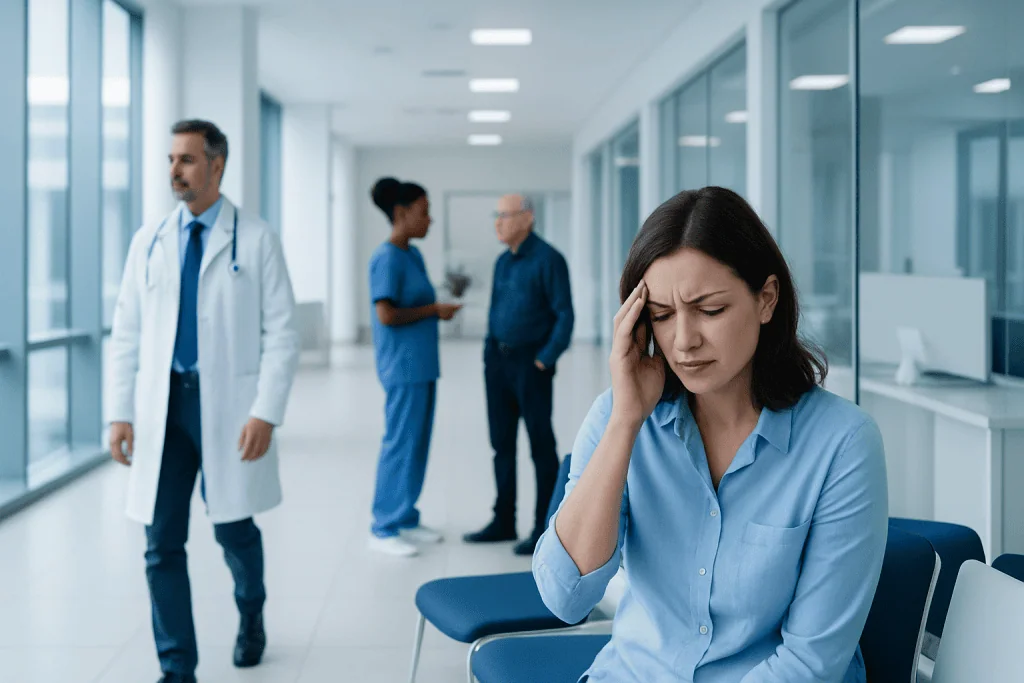
Migraine with aura often causes temporary visual symptoms, but it can also affect sensation, speech, or movement. Aura symptoms usually develop gradually over minutes and resolve fully, which helps distinguish them from some other neurological emergencies.
Key Takeaways
- Migraine with aura often causes temporary visual symptoms, but it can also affect sensation, speech, or movement.
- Aura symptoms usually develop gradually over minutes and resolve fully, which helps distinguish them from some other neurological emergencies.
- Migraine with aura is linked to a higher risk of stroke than migraine without aura, but the overall risk for most people remains low.
- A specialist evaluation is important when aura symptoms are new, changing, prolonged, or occur with weakness.
- Treatment may include acute medicines, preventive therapies, and lifestyle steps to reduce attack frequency and triggers.
Migraine with aura is a type of migraine in which temporary neurological symptoms, such as visual changes or tingling, happen before or during the headache phase. Although aura is usually harmless and reversible, new or atypical symptoms should be assessed to rule out other causes, including stroke or transient ischemic attack.
Overview
Migraine with aura is a neurological condition in which a person experiences temporary symptoms affecting vision, sensation, speech, or, less commonly, movement before or during a migraine attack. The aura phase is most often visual and may include flashing lights, zigzag lines, shimmering spots, blind spots, or blurred areas in the field of vision. These symptoms can be unsettling, but they are usually fully reversible.
Not everyone with migraine has aura. Some people always have migraine without aura, while others may experience aura only occasionally. A typical aura develops gradually over several minutes, lasts less than an hour, and is followed by headache, nausea, or sensitivity to light and sound. In some cases, aura occurs without much headache at all.
Because aura involves the brain and nervous system, it can sometimes resemble other conditions such as stroke or a transient ischemic attack. For this reason, a new first episode, a sudden change in pattern, or symptoms that are unusual for the individual should be evaluated by a qualified doctor. Careful assessment helps confirm the diagnosis and identify when urgent testing is needed.
Symptoms of Migraine Aura
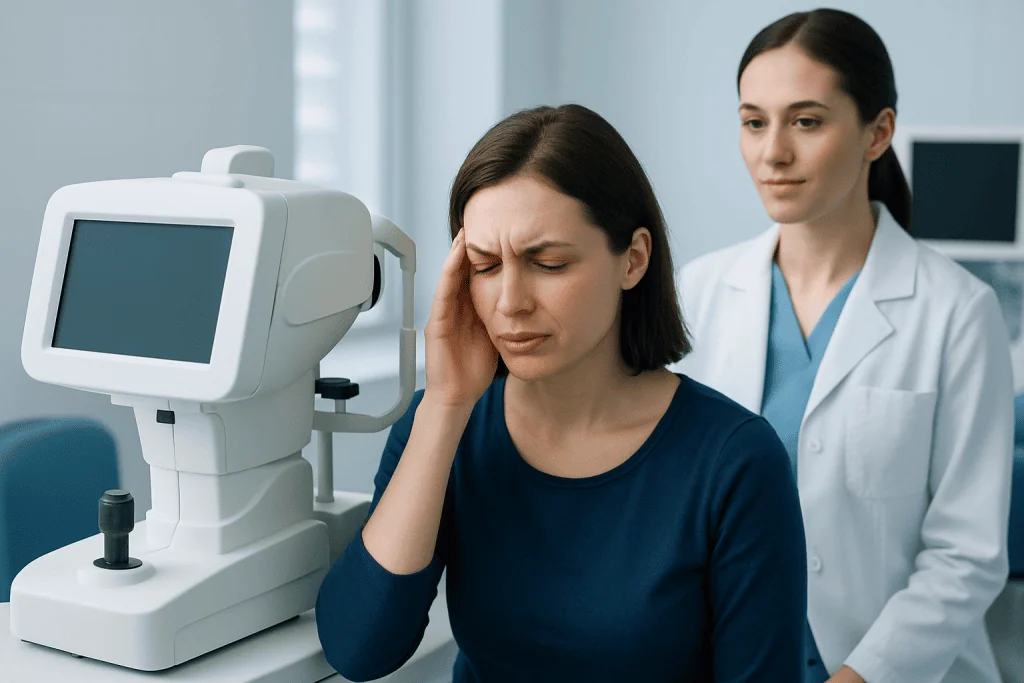
Visual symptoms are the most common type of aura. A person may notice flickering lights, bright spots, zigzag lines, tunnel vision, wavy distortions, or a temporary blind spot that slowly expands. These changes often begin in a small area and spread gradually across part of the visual field over 5 to 20 minutes.
Sensory aura can cause tingling or numbness, often starting in the fingers or hand and then moving up the arm or into the face. Some people develop speech or language symptoms, such as difficulty finding words or speaking clearly. Less often, aura may include dizziness, altered balance, or weakness on one side of the body, which requires prompt medical attention because it can overlap with more serious neurological problems.
The headache phase may begin during the aura or shortly afterward. Migraine headache is often throbbing or pulsating and may affect one side of the head, though it can also be bilateral. Associated symptoms commonly include nausea, vomiting, light sensitivity, sound sensitivity, and worsening with physical activity.
- Aura usually develops gradually rather than all at once.
- Symptoms often spread from one area to another over minutes.
- Most aura symptoms last 5 to 60 minutes.
- Complete recovery is expected in typical migraine aura.
Causes and Risk Factors

The exact cause of migraine with aura is not fully understood, but it is thought to involve a wave of altered electrical activity spreading across the brain, called cortical spreading depression. This process can temporarily affect how nerve cells function and how blood flow changes in certain brain regions, producing the characteristic symptoms of aura. Migraine itself is influenced by both genetic and environmental factors.
Many people with migraine can identify triggers that make attacks more likely. Common triggers include lack of sleep, stress, skipped meals, dehydration, hormonal changes, bright lights, strong odors, and some foods or drinks. Triggers do not cause migraine in everyone, and a trigger for one person may not affect another.
Several factors can increase the likelihood of migraine with aura or influence its significance. A family history of migraine is common. Women are affected more often than men, and hormonal fluctuations may play a role. For people who have migraine with aura, smoking and estrogen-containing contraceptives are particularly important to discuss with a doctor because they may increase vascular risk. Migraine with aura can also coexist with other headache disorders, including migraine in its various forms.
Migraine With Aura and Stroke Concerns
One of the most common concerns about migraine with aura is whether it means a person is having, or is more likely to have, a stroke. Migraine aura itself does not mean that a stroke is occurring, and in most cases the symptoms are benign and temporary. However, migraine with aura is associated with a higher risk of ischemic stroke than migraine without aura, especially in certain groups such as people who smoke or use estrogen-containing birth control.
It is important to keep this risk in perspective. For most individuals, the overall chance of stroke remains low, and migraine with aura is only one part of the full risk picture. Blood pressure, cholesterol, diabetes, smoking, heart rhythm problems, age, and family history usually play a larger role in stroke risk than migraine alone.
The main practical issue is recognizing when symptoms may not be typical aura. Stroke symptoms usually start suddenly and may cause negative symptoms, such as abrupt loss of vision, loss of sensation, weakness, or trouble speaking. By contrast, migraine aura often builds gradually and may include positive symptoms, such as flashing lights or tingling. Even so, the distinction is not always clear, and urgent assessment is needed if there is sudden weakness, facial droop, severe confusion, a “worst headache,” or symptoms that are new, prolonged, or very different from prior attacks.
How Specialists Diagnose It
Diagnosis begins with a detailed history of the episodes. A specialist will ask what the symptoms look or feel like, how quickly they begin, how long they last, whether they spread, and what happens next. Keeping a headache diary can be very helpful because it allows patterns, triggers, menstrual links, and response to treatment to be reviewed over time.
In many people with a classic history and a normal neurological examination, migraine with aura can be diagnosed clinically without extensive testing. However, tests may be recommended if symptoms are new after midlife, if there is weakness or loss of consciousness, if the pattern has changed, or if the doctor suspects another condition. Depending on the situation, evaluation may include blood tests, eye examination, or MRI to look for other neurological causes.
Specialists may also assess for conditions that can mimic aura, such as epilepsy, transient ischemic attack, retinal disease, or other causes of headache. In selected cases, vascular imaging or neurological check-up style assessment may be part of the workup. The goal is not only to confirm migraine, but also to identify any warning signs that call for a different treatment plan.
Treatment Options
Treatment depends on how often attacks occur, how disabling they are, and whether the aura pattern is typical. Acute treatment is used at the start of symptoms to reduce pain and associated nausea or light sensitivity. This may include simple pain relievers, anti-nausea medicines, or migraine-specific drugs prescribed by a doctor. Resting in a dark, quiet room and hydrating may also help some people during an attack.
If attacks are frequent, prolonged, or interfere with daily life, preventive treatment may be considered. Preventive options may include medications taken regularly, certain neuromodulation approaches, and treatment of contributing factors such as sleep problems, stress, or medication overuse headache. The choice is individualized based on age, other medical conditions, pregnancy plans, and the exact migraine pattern.
When diagnosis is uncertain or symptoms are complex, specialist assessment can help guide care, including whether neurology evaluation or additional imaging is appropriate. In some patients with severe, refractory headaches, a comprehensive headache treatment plan may combine medicines, trigger management, and follow-up to monitor response and safety.
Prevention and Self-Care
Self-care plays an important role in reducing migraine frequency and improving quality of life. Regular sleep, consistent meals, good hydration, and stress management are often more helpful than trying to avoid a very long list of possible triggers. A balanced routine supports the nervous system and may lower the chance of attacks.
A headache diary can help identify patterns without becoming overly restrictive. The diary may include the date and time of attacks, aura features, foods, sleep duration, menstrual cycle timing, stress level, and medicines used. This information helps both the patient and doctor decide whether a trigger is likely and whether treatment is working.
People with migraine with aura should also address general vascular health. Not smoking, staying physically active, controlling blood pressure, and discussing contraceptive choices with a doctor are sensible steps. Near the end of the care pathway, some international patients may seek evaluation at centers such as Acibadem International, where multidisciplinary specialists in JCI-accredited hospitals assess and treat headache and neurological conditions.
When to See a Doctor
A person should arrange medical evaluation if aura symptoms happen for the first time, begin after age 40 to 50, change significantly from the usual pattern, or occur more often than before. Medical review is also important if headaches are becoming more severe, disrupting daily life, or no longer responding to usual treatment.
Urgent care is needed if there is sudden weakness, facial drooping, trouble speaking, fainting, confusion, seizure, a sudden explosive headache, or aura symptoms lasting longer than an hour. These signs do not always mean a stroke or other emergency is happening, but they should not be assumed to be migraine without proper assessment.
Follow-up matters even after diagnosis. A specialist can review whether the condition remains consistent with migraine with aura, monitor vascular risk factors, and update treatment over time. This is especially important during pregnancy planning, after menopause, or when starting new hormonal or cardiovascular medicines.
Frequently asked questions
What does a migraine aura feel like?
A migraine aura often causes visual changes such as flashing lights, zigzag lines, or a blind spot that slowly spreads. Some people instead notice tingling, numbness, or temporary speech difficulty. The symptoms usually build gradually and then resolve completely.
Is migraine with aura a stroke?
No, migraine with aura is not the same as a stroke. However, because some symptoms can overlap, a first episode or an unusual episode should be assessed by a doctor. Sudden weakness, facial droop, or abrupt speech trouble needs urgent evaluation.
Does migraine with aura increase stroke risk?
Migraine with aura is associated with a higher risk of ischemic stroke compared with people who do not have aura. Even so, the absolute risk for many individuals is still low. A doctor can help reduce overall risk by addressing smoking, blood pressure, contraceptive choices, and other vascular factors.
Can aura happen without a headache?
Yes, aura can sometimes occur with little or no headache. This is sometimes called silent migraine or typical aura without headache. Because other conditions can mimic it, new episodes should still be evaluated, especially in older adults.
How is migraine with aura diagnosed?
Diagnosis is mainly based on the pattern of symptoms and a neurological examination. Doctors look at how symptoms start, how long they last, whether they spread gradually, and whether there is full recovery. Imaging or other tests may be used when the history is not typical or warning signs are present.
What treatments help migraine with aura?
Treatment may include medicines taken during an attack to relieve symptoms and preventive treatments to reduce how often attacks happen. Lifestyle measures such as regular sleep, hydration, and trigger management are also important. The best plan depends on the person’s symptoms, health history, and attack frequency.
References
- World Health Organization
- American Headache Society
- National Institute of Neurological Disorders and Stroke
- International Headache Society
- American Stroke Association
This article is for general information only and is not a substitute for professional medical advice. Please consult a qualified doctor about your individual situation.
Migraine in Turkey — costs, top hospitals & a free quote
JCI-accredited · board-certified surgeons · reply within 24h
Add us as a Preferred Source to see more of our trusted health content across Google Search, AI Overviews and Discover.
Check your numbers in seconds
BMI, calories, due date, blood pressure and 30+ more clinical calculators — free, instant, doctor-reviewed ranges.