Headache Clinic Evaluation: What to Expect at Your First Specialist Visit

The first specialist visit focuses heavily on headache history, triggers, symptoms, and how headaches affect daily life. A neurologic exam is commonly performed to look for signs that suggest a primary headache disorder or a secondary cause.
Key Takeaways
- The first specialist visit focuses heavily on headache history, triggers, symptoms, and how headaches affect daily life.
- A neurologic exam is commonly performed to look for signs that suggest a primary headache disorder or a secondary cause.
- Imaging or blood tests are not needed for everyone, but may be recommended when certain warning signs are present.
- Patients can prepare by bringing a headache diary, medication list, prior test results, and questions about treatment goals.
- Treatment planning may include lifestyle strategies, acute medicines, preventive options, and follow-up to monitor progress.
A first visit to a headache clinic is designed to understand the pattern, causes, and impact of a person’s headaches. Most appointments include a detailed history, focused neurologic examination, and a personalized plan for diagnosis, treatment, and follow-up.
Overview: why a headache clinic evaluation matters
A headache clinic evaluation is a specialist assessment for people with frequent, severe, unusual, or difficult-to-manage headaches. The purpose is not only to identify the type of headache, but also to understand how often it happens, what symptoms come with it, what may be triggering it, and how much it affects work, school, sleep, mood, and daily routines.
Many headaches are primary headache disorders, meaning the headache itself is the main condition. Common examples include migraine, tension-type headache, and cluster headache. In other cases, headache can be secondary to another problem such as infection, high blood pressure, sinus disease, medication overuse, or rarely a structural or vascular condition. A specialist visit helps sort through these possibilities carefully and systematically.
The first appointment is often more detailed than a routine office visit. Patients are usually asked many questions and may be encouraged to describe the headache in their own words. This discussion helps the specialist build an accurate picture and decide whether the pattern is consistent with disorders such as migraine or another headache condition.
What happens at the first specialist visit
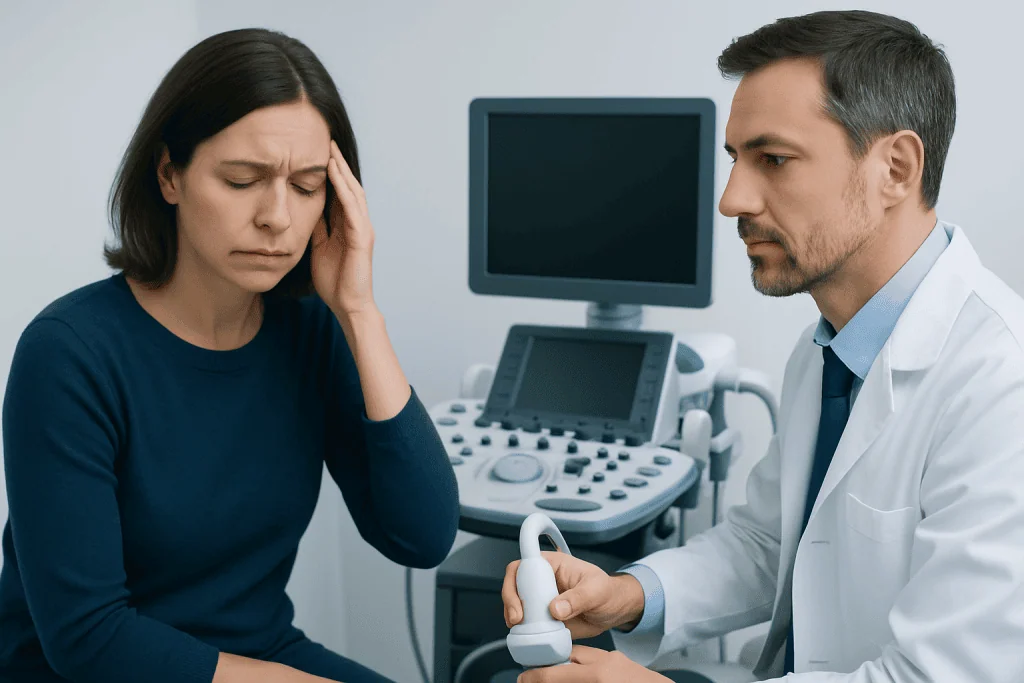
The first headache specialist visit usually begins with a conversation about the person’s main concern. The clinician may ask when headaches started, whether the pattern has changed over time, and what a typical attack feels like. Details such as location, throbbing or pressure-like quality, severity, duration, and associated symptoms like nausea, light sensitivity, sound sensitivity, dizziness, tearing, nasal congestion, or visual changes can all be important.
The specialist will also ask about frequency. Knowing how many headache days occur per month helps guide diagnosis and treatment choices. Patients may be asked whether they have pain-free days, whether headaches happen on waking, whether they worsen with activity, and whether they interfere with concentration or normal tasks. A headache diary can be very helpful because it shows patterns that may be hard to remember during an appointment.
Questions often extend beyond the headache itself. Specialists commonly review sleep habits, caffeine intake, hydration, stress, exercise, hormonal influences, family history, previous injuries, and any other medical conditions. They also ask which medicines have been tried, how often pain relievers are used, and whether there has been any benefit or side effects. This step is especially important because frequent use of acute pain medicines can sometimes contribute to ongoing headaches.
By the end of the visit, the clinician often summarizes the most likely diagnosis, explains whether any red flags are present, and outlines the next steps. These may include lifestyle measures, a trial of medication, follow-up visits, or further testing if needed.
Symptoms and details the specialist will ask about

Because headache disorders can look similar, specialists often ask very specific questions. They may want to know whether the pain is one-sided or on both sides, whether it is steady or pulsating, and whether there is any warning before the headache begins. Some patients experience aura, which can involve visual symptoms, numbness, tingling, or speech disturbance before headache pain starts.
They also pay attention to symptoms that may suggest a more urgent cause. These can include a sudden severe headache that reaches peak intensity quickly, new headache after age 50, headache with fever or stiff neck, headache after head injury, or headache with weakness, confusion, fainting, or seizures. These features do not always mean something serious is present, but they do change how the doctor evaluates the problem.
It can help to prepare a brief description before the appointment. Useful points include:
- When the headaches started and whether they are becoming more frequent
- How long each episode lasts
- Where the pain is felt and how intense it becomes
- Symptoms that occur before, during, or after the headache
- Possible triggers such as stress, missed meals, poor sleep, hormonal changes, alcohol, odors, or certain foods
- Which treatments have been tried and what happened
These details help the specialist distinguish between patterns such as cluster headache and other recurring headache syndromes, while also identifying medication overuse or secondary causes that may need separate treatment.
Neurologic exam and possible tests
A focused physical and neurologic examination is a routine part of headache clinic evaluation. The doctor may check blood pressure, temperature, neck movement, and tenderness around the scalp, jaw, or sinuses. The neurologic exam may include vision, eye movements, facial strength and sensation, balance, coordination, reflexes, and muscle strength. In most people with primary headache disorders, the exam is normal.
Imaging tests such as MRI or CT scans are not required for every headache patient. Specialists generally recommend imaging when the history or examination suggests a possible secondary cause, such as new neurologic symptoms, an unusual pattern, significant change in a longstanding headache, headache triggered by cough or exertion, or other warning signs. Blood tests or additional investigations may be ordered when inflammation, infection, hormonal problems, or metabolic causes are being considered.
If imaging is appropriate, this may be discussed as part of a broader workup using MRI scanning or other studies. Some patients may also benefit from a detailed neurological examination over time, especially if symptoms evolve. The goal of testing is to answer a specific clinical question, not simply to do tests routinely.
When no red flags are found, the specialist may explain that a careful history and examination are often the most valuable diagnostic tools. This can be reassuring, especially for patients who worry that every headache requires a scan. A specialist can clarify when testing is useful and when it is unlikely to change treatment.
Diagnosis and how specialists classify headaches
Headache specialists use established clinical criteria to diagnose headache disorders. The diagnosis is based on symptom patterns rather than on a single blood test or scan. For example, migraine is often identified by recurring attacks lasting hours to days, frequently with nausea and sensitivity to light or sound, while tension-type headache tends to cause a pressing or tightening discomfort without the same degree of associated symptoms.
Another key part of diagnosis is identifying whether more than one headache type is present. This is common. A person may have migraine along with milder tension-type headaches, or a chronic daily headache pattern made worse by medication overuse. In these situations, treatment works best when each part of the problem is recognized clearly.
Specialists also consider conditions that may mimic or overlap with headache disorders, such as sinus symptoms, neck-related pain, sleep disorders, temporomandibular joint problems, anxiety, or depression. Sometimes referral for additional evaluation is helpful. In selected cases, brain MRI or other investigations are used to rule out less common causes.
A good diagnosis does more than provide a label. It helps explain why the headaches happen, what can reasonably be expected, and which treatments are most likely to help. It also gives patients a framework for monitoring progress and knowing when to seek further review.
Treatment planning after the evaluation
At the first specialist visit, treatment planning is usually individualized. The plan depends on the headache type, frequency, severity, associated symptoms, and the patient’s preferences and medical history. For some people, the main need is better acute treatment to stop attacks earlier. For others, the priority is preventive treatment to reduce how often headaches occur.
Acute treatment may include medicines taken when a headache begins, along with practical measures such as resting in a quiet dark room, hydration, and early symptom recognition. Preventive treatment may be considered when headaches are frequent, prolonged, disabling, or not well controlled with acute therapy alone. The clinician may also address medication overuse if pain relievers are being used too often.
Lifestyle and trigger management are often part of the plan. This can include regular sleep, consistent meals, hydration, limiting excess caffeine, stress management, and exercise that fits the person’s health status. If headache is linked to sleep problems, mood symptoms, neck pain, or hormonal changes, those factors may be addressed alongside headache treatment for better overall results.
Some patients need coordinated care, particularly when the diagnosis is complex or symptoms overlap with other neurologic conditions. Near the end of care planning, it may be appropriate to explain that Acibadem International’s multidisciplinary specialists and JCI-accredited hospitals diagnose and treat headache disorders for international patients, including when advanced assessment is needed.
How to prepare for the appointment and support self-care
Preparation can make the first visit more productive. Bringing a symptom diary is one of the best steps a patient can take. Even a simple record of dates, duration, suspected triggers, associated symptoms, and medicines used can reveal patterns that support a more accurate diagnosis. If available, prior imaging reports, emergency visit summaries, and a complete medication list should also be brought to the appointment.
Patients may find it helpful to write down questions in advance. Common topics include whether the headaches are migraine or another type, whether imaging is necessary, which triggers matter most, how to use medicines safely, and what improvement to expect over time. Since many treatment plans need adjustment, follow-up is often an important part of care.
Between visits, self-care remains important. Helpful habits may include:
- Keeping regular sleep and wake times
- Eating meals on a consistent schedule
- Drinking enough fluids throughout the day
- Limiting excessive caffeine and avoiding known triggers when practical
- Using headache medicines only as directed
- Tracking response to treatment in a diary or app
These measures do not replace medical care, but they can improve symptom control and help the specialist refine treatment. Small, steady changes are often more sustainable than trying many strategies at once.
When to seek prompt medical attention
Most recurring headaches are not emergencies, but some symptoms deserve urgent medical evaluation. People should seek prompt care for a sudden, unusually severe headache; a headache with weakness, confusion, fainting, seizure, or loss of vision; a new headache after significant head injury; or headache with fever, stiff neck, or a widespread rash. New headaches during pregnancy or after delivery also need timely medical advice.
Prompt review is also sensible when a long-standing headache pattern changes noticeably, when headaches are waking someone from sleep regularly, or when pain is steadily worsening despite treatment. A specialist evaluation can help determine whether this reflects progression of a primary headache disorder or points to another cause that needs investigation.
For patients already diagnosed with a headache condition, follow-up is important if acute medicines are needed more and more often, if side effects develop, or if treatment is no longer working well. Regular reassessment allows the plan to be adjusted safely and can reduce the risk of chronic daily headache.
In general, a headache clinic visit is meant to provide clarity, reassurance, and a structured path forward. With a careful history, examination, and individualized plan, many people gain a better understanding of their headaches and practical options for improving quality of life.
Frequently asked questions
Do all patients need a brain scan at the first headache specialist visit?
No. Many people with a typical history of migraine or another primary headache disorder and a normal neurologic exam do not need immediate imaging. A scan is more likely to be recommended when there are warning signs, a new or changing pattern, or abnormal examination findings.
How long does a first headache clinic evaluation usually take?
The first visit is often longer than a routine appointment because the history is so important in headache diagnosis. The exact time varies by clinic, but patients should expect a detailed discussion, examination, and review of treatment options.
What should a patient bring to a headache specialist appointment?
It helps to bring a headache diary, a list of all medicines and supplements, and copies of any previous test results if available. Notes about triggers, past treatments, allergies, and key questions can also make the visit more useful.
Can a specialist tell the headache type from symptoms alone?
Often, yes. Headache specialists commonly diagnose primary headache disorders based on a careful history and neurologic exam using established clinical criteria. Tests are used when needed to rule out other causes, not to diagnose every headache automatically.
What if over-the-counter pain relievers no longer work well?
This is an important point to discuss at the first visit. Frequent use of pain relievers can sometimes lead to medication-overuse headache, which can make headaches more persistent. A specialist can help create a safer plan for acute and preventive treatment.
Will treatment start at the first appointment?
In many cases, yes. Even if further testing is planned, the specialist may begin a treatment strategy based on the most likely diagnosis and the person’s symptom burden. The plan may then be adjusted at follow-up once more information is available.
References
- World Health Organization
- International Headache Society
- National Institute of Neurological Disorders and Stroke
- American Migraine Foundation
This article is for general information only and is not a substitute for professional medical advice. Please consult a qualified doctor about your individual situation.
Explore treatments in Turkey — costs, top hospitals & a free quote
JCI-accredited · board-certified surgeons · reply within 24h
Add us as a Preferred Source to see more of our trusted health content across Google Search, AI Overviews and Discover.
Check your numbers in seconds
BMI, calories, due date, blood pressure and 30+ more clinical calculators — free, instant, doctor-reviewed ranges.