Hemiplegic Migraine: Stroke-Like Symptoms, Diagnosis, and Specialist Care
Hemiplegic migraine can cause temporary one-sided weakness, numbness, speech changes, and visual symptoms before or during a migraine attack. Its symptoms can look similar to stroke, so urgent evaluation is often needed the first time symptoms happen or if they change suddenly.
Key Takeaways
- Hemiplegic migraine can cause temporary one-sided weakness, numbness, speech changes, and visual symptoms before or during a migraine attack.
- Its symptoms can look similar to stroke, so urgent evaluation is often needed the first time symptoms happen or if they change suddenly.
- Diagnosis is based on medical history, neurological examination, and tests to rule out other causes such as stroke or seizures.
- Treatment focuses on managing acute symptoms, preventing future attacks, and identifying personal triggers.
- People with recurrent or complex attacks often benefit from specialist care from a neurologist or headache expert.
Hemiplegic migraine is a rare type of migraine that can cause temporary weakness on one side of the body along with headache and other neurological symptoms. Because it can resemble a stroke, prompt medical assessment is important, especially when symptoms are new, severe, or different from a person’s usual migraine pattern.
Overview
Hemiplegic migraine is a rare form of migraine with aura. In addition to common migraine features such as headache, nausea, and sensitivity to light or sound, it causes temporary weakness or paralysis on one side of the body. The weakness may involve the face, arm, or leg, and it can be mild or more noticeable. Because these symptoms can resemble a stroke, hemiplegic migraine needs careful medical evaluation.
The term “aura” refers to neurological symptoms that can happen before or during a migraine attack. In hemiplegic migraine, aura may include visual changes, tingling, numbness, speech difficulty, confusion, and one-sided weakness. Some people recover within hours, while others may take longer. Although the symptoms are usually reversible, they can be distressing and disruptive.
There are familial and sporadic forms of hemiplegic migraine. Familial hemiplegic migraine means similar attacks occur in other family members, suggesting an inherited genetic cause. Sporadic hemiplegic migraine has the same clinical features but without a known family history. In both forms, specialist assessment can help confirm the diagnosis and guide management.
Symptoms
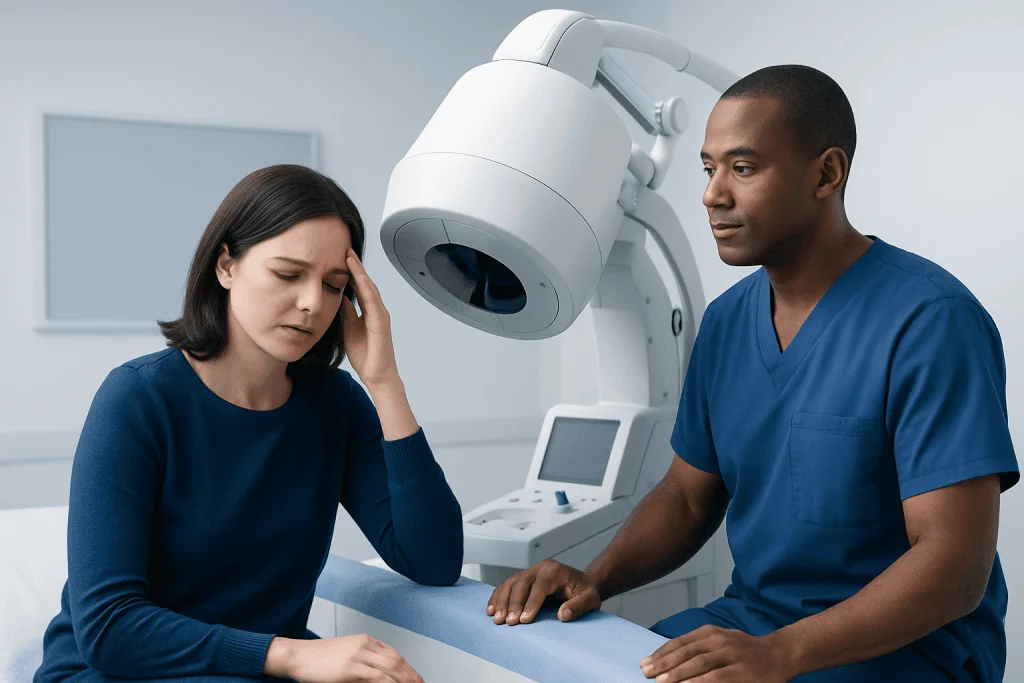
The hallmark symptom of hemiplegic migraine is temporary weakness on one side of the body. This can feel like heaviness, clumsiness, reduced grip strength, facial drooping, or trouble walking. The weakness often develops gradually as part of the aura, but some people describe symptoms that feel sudden, which is one reason urgent assessment is so important.
Other aura symptoms often occur at the same time or in sequence. These may include flashing lights, blind spots, blurred vision, numbness or tingling, trouble finding words, slurred speech, dizziness, or a sense of confusion. The headache may begin before, during, or after the neurological symptoms. In some attacks, headache can be mild or less prominent than the weakness.
Common migraine-associated symptoms can also occur, including:
- Throbbing or pressure-like head pain
- Nausea or vomiting
- Sensitivity to light, sound, or smells
- Fatigue and difficulty concentrating
- Neck discomfort
Attack duration varies. Aura symptoms, including weakness, often last from minutes to hours, but they can last longer in some people. Complete recovery is typical, but because the symptoms overlap with serious neurological conditions such as stroke, any new or unusual episode should be treated seriously until another cause has been excluded.
Causes and Risk Factors
Hemiplegic migraine is linked to changes in how nerve cells signal within the brain. In some families, it is associated with inherited gene variants that affect ion channels and nerve communication. These changes can increase susceptibility to aura and migraine symptoms. However, not every person with hemiplegic migraine has an identifiable genetic mutation, and genetic testing is not necessary for everyone.
Triggers are similar to those seen in other migraine types, although they vary from person to person. A trigger does not mean someone has caused the condition; it simply means certain situations may make an attack more likely. Recognizing patterns can help reduce attack frequency over time.
Possible triggers and risk factors include:
- Stress or emotional strain
- Sleep deprivation or irregular sleep
- Hormonal changes, including around menstruation
- Bright lights, loud sounds, or strong odors
- Skipping meals or dehydration
- Certain foods or alcohol in susceptible individuals
- Head trauma in some cases
- Family history of migraine or hemiplegic migraine
Some people with hemiplegic migraine may also have a personal or family history of other migraine forms, such as migraine. Keeping a symptom diary can help identify patterns in timing, triggers, and warning signs.
How Hemiplegic Migraine Is Diagnosed
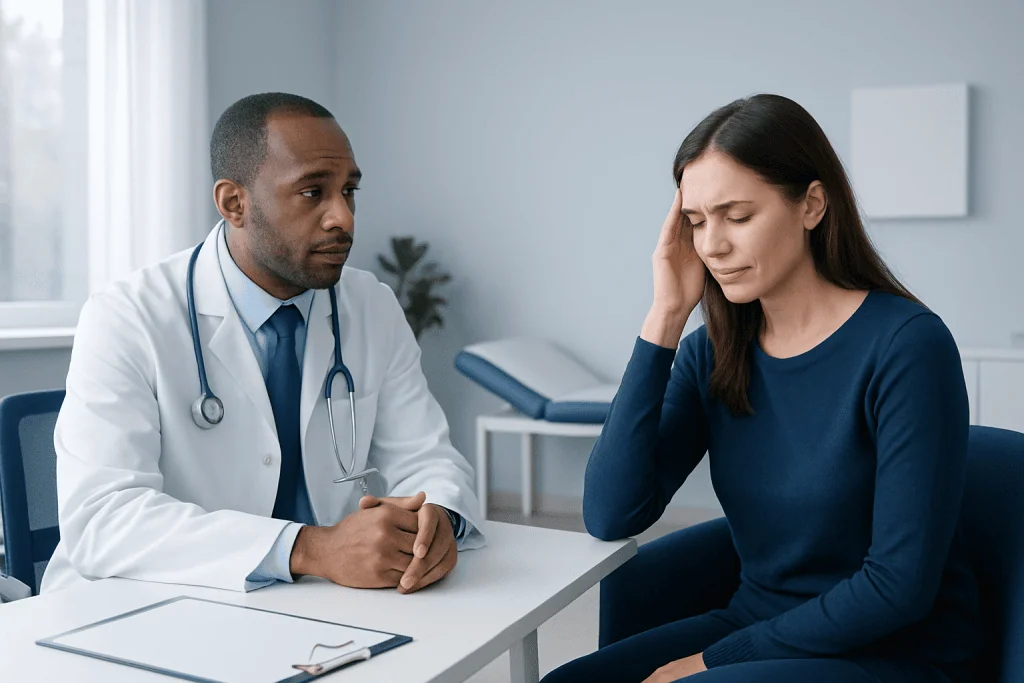
Diagnosis begins with a detailed history. A doctor will ask about the exact sequence of symptoms, how long they last, whether weakness affected one side of the body, what the headache felt like, and whether similar attacks have happened before. Family history is especially important because hemiplegic migraine can run in families. A neurological examination helps assess strength, sensation, speech, vision, coordination, and reflexes.
There is no single test that proves hemiplegic migraine. Instead, doctors diagnose it by recognizing a typical pattern and excluding other conditions that can cause similar symptoms. When symptoms are new, severe, prolonged, or atypical, testing is commonly needed to rule out emergencies.
Depending on the situation, evaluation may include MRI, CT scan, blood tests, or other studies to look for stroke, bleeding, infection, or structural brain problems. In selected cases, doctors may also consider EEG if seizures are part of the differential diagnosis. Genetic testing may be discussed when there is a strong family history or unusual clinical features, but it is not required in every case.
Because hemiplegic migraine overlaps with conditions such as transient ischemic attack, epilepsy, and stroke, an accurate diagnosis often involves a neurologist or headache specialist. Early specialist input can be especially helpful when attacks are recurrent, disabling, or difficult to classify.
Treatment Options
Treatment has two main goals: managing attacks when they happen and reducing the likelihood of future episodes. The best plan depends on age, attack frequency, severity, medical history, and how much weakness or confusion occurs during episodes. Because hemiplegic migraine is uncommon, treatment is individualized and should be supervised by a qualified physician.
For acute attacks, care may include rest in a quiet, dark room, hydration, and medicines recommended by a doctor to help with pain, nausea, or other symptoms. Some migraine medicines used in other migraine types may not be appropriate in hemiplegic migraine for certain patients, so self-treating without medical guidance is not ideal. If symptoms are unusually severe or there is concern for stroke, emergency evaluation takes priority.
Preventive treatment may be considered when attacks are frequent, prolonged, or significantly disruptive. Preventive medicines are chosen based on the person’s migraine pattern, other medical conditions, and tolerance of side effects. Lifestyle strategies such as regular sleep, hydration, steady meal patterns, and trigger management are often part of the plan.
Follow-up is important because symptoms can change over time. Some people do well with a combination of preventive medication and trigger reduction, while others need reassessment if attacks become more frequent or develop new neurological features. Near the end of the care pathway, centers such as Acibadem International can support diagnosis and treatment through multidisciplinary specialists and JCI-accredited hospitals for international patients.
Prevention and Self-Care
Daily habits can play a meaningful role in migraine control. While self-care does not replace medical treatment, it can reduce the frequency or intensity of attacks for many people. The most helpful approach is usually consistency rather than perfection.
Useful self-care strategies include:
- Keeping a regular sleep schedule
- Drinking enough fluids throughout the day
- Eating regular meals and avoiding long gaps without food
- Managing stress through relaxation techniques, exercise, or counseling
- Limiting known personal triggers when possible
- Tracking symptoms, aura features, and possible triggers in a diary
It is also helpful to share an action plan with family members, school staff, or coworkers if attacks are recurrent. Because weakness and speech difficulty can be frightening, others may need to know when to call emergency services and when a person’s doctor has advised routine follow-up. A written list of medicines and previous test results can be useful during urgent visits.
People should avoid changing prescription medicines, starting supplements, or stopping treatment without discussing it with their doctor. This is especially important in hemiplegic migraine because symptoms can overlap with serious neurological problems, and treatment decisions should be individualized.
When to See a Doctor Urgently
Urgent medical attention is important the first time someone has one-sided weakness, facial drooping, trouble speaking, confusion, or other stroke-like symptoms. Even if a person has migraine, it is not safe to assume every episode is “just migraine,” especially when symptoms are new, sudden, or more severe than usual. Emergency assessment helps rule out stroke and other serious causes.
Medical review is also needed if weakness lasts longer than expected, recovery is incomplete, headache is unusually intense, or symptoms follow head injury. New seizures, fainting, high fever, or persistent confusion also require prompt evaluation. Children, older adults, and pregnant patients with new neurological symptoms should be assessed without delay.
Routine follow-up with a doctor or headache specialist is appropriate when attacks recur, interfere with work or school, or create uncertainty about the diagnosis. Specialist care can help refine the diagnosis, optimize prevention, and determine whether further tests are needed.
Frequently asked questions
Is hemiplegic migraine the same as a stroke?
No. Hemiplegic migraine is a migraine disorder, while stroke is a medical emergency caused by interrupted blood flow or bleeding in the brain. However, the symptoms can look very similar, so urgent evaluation is often necessary to tell them apart.
How long do hemiplegic migraine symptoms last?
Symptoms often develop over minutes and may last for hours, though duration varies from person to person. In some cases, weakness or other aura symptoms can last longer, which is why medical follow-up is important.
Can hemiplegic migraine run in families?
Yes. A familial form exists in which similar attacks occur in relatives, often linked to inherited gene changes. Some people have sporadic hemiplegic migraine without a known family history.
Can children get hemiplegic migraine?
Yes, children and teenagers can develop hemiplegic migraine. Because stroke-like symptoms in a child always need careful assessment, medical evaluation is important before assuming migraine is the cause.
What triggers hemiplegic migraine attacks?
Triggers vary, but common examples include stress, poor sleep, dehydration, skipped meals, hormonal changes, bright lights, and some foods or alcohol. A symptom diary can help identify personal patterns.
Is genetic testing always needed?
No. Genetic testing may be considered when there is a strong family history or unusual features, but many people are diagnosed based on symptoms, examination, and tests that rule out other conditions. A neurologist can advise whether testing is likely to be helpful.
References
- International Headache Society
- National Institute of Neurological Disorders and Stroke
- American Migraine Foundation
- National Institute for Health and Care Excellence
- Mayo Clinic
This article is for general information only and is not a substitute for professional medical advice. Please consult a qualified doctor about your individual situation.
Migraine in Turkey — costs, top hospitals & a free quote
JCI-accredited · board-certified surgeons · reply within 24h
Add us as a Preferred Source to see more of our trusted health content across Google Search, AI Overviews and Discover.