Silent Migraine: Aura Without Headache and When to Seek Evaluation
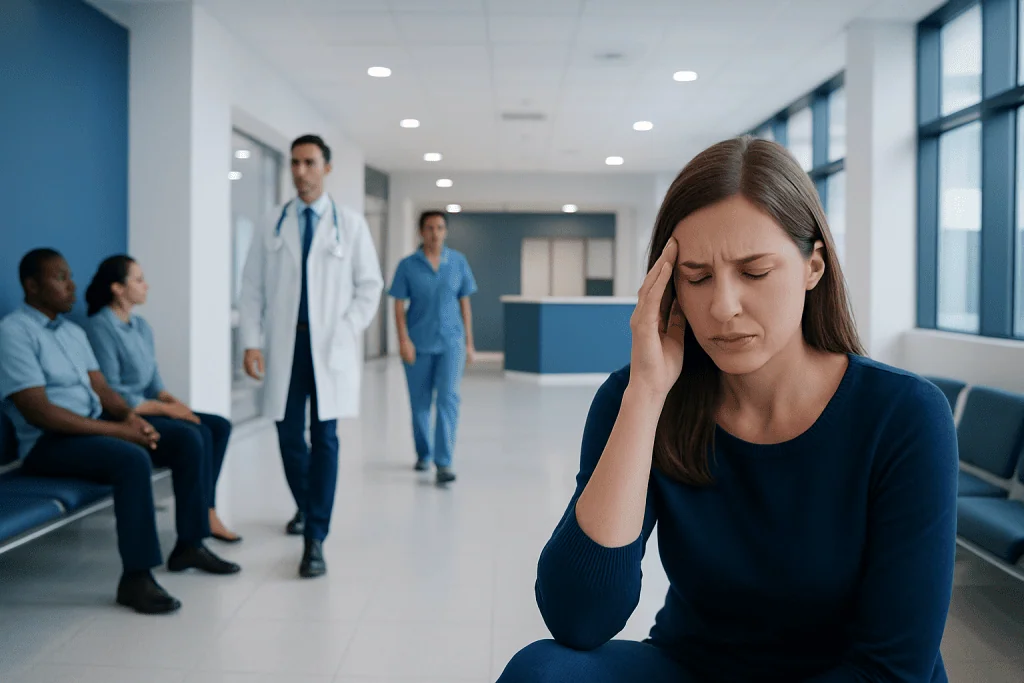
Silent migraine means migraine aura occurs without a significant headache. Common symptoms include flashing lights, zigzag lines, blind spots, tingling, or speech difficulty that usually resolve within an hour.
Key Takeaways
- Silent migraine means migraine aura occurs without a significant headache.
- Common symptoms include flashing lights, zigzag lines, blind spots, tingling, or speech difficulty that usually resolve within an hour.
- A first episode, sudden severe symptoms, or symptoms affecting only one eye need prompt medical evaluation.
- Doctors diagnose silent migraine by reviewing symptom patterns and ruling out other causes such as TIA, stroke, retinal disease, and seizures.
- Treatment may involve trigger management, lifestyle measures, and preventive migraine medicines when episodes are frequent or disruptive.
Silent migraine is a type of migraine aura that happens without the typical headache phase. Although it is often harmless and temporary, new or unusual aura symptoms should be evaluated because they can resemble stroke, eye problems, or seizures.
Overview: What Is Silent Migraine?
Silent migraine is a form of migraine in which a person experiences aura symptoms without the usual head pain that many people associate with migraine. Aura is a group of temporary neurological symptoms caused by changes in brain activity. These symptoms often affect vision, but they can also involve sensation, speech, or, less commonly, movement.
Many people describe silent migraine as unsettling because the symptoms can appear suddenly and may be mistaken for something more serious. Visual changes may include flashing lights, shimmering patterns, zigzag lines, blind spots, or distorted vision. Some people also notice numbness, tingling, trouble finding words, or a feeling of mental slowing.
Even without headache, silent migraine is still considered part of the migraine spectrum. It can occur in people who have a history of classic migraine headaches, and it can also begin later in life in someone who rarely or never had migraine pain before. Because its symptoms can overlap with other neurological or eye conditions, proper evaluation is important, especially when symptoms are new or different.
Symptoms of Aura Without Headache
The symptoms of silent migraine usually develop gradually over several minutes and then fade away. This gradual spread is one clue that helps doctors distinguish migraine aura from some other conditions. In many cases, the entire episode lasts between 5 and 60 minutes, although some people may feel tired, sensitive to light, or mentally “off” for longer afterward.
Visual aura is the most common type. A person may see sparkling lights, wavy lines, geometric shapes, or a blind spot that slowly expands. Some people describe a shimmering edge around part of their vision. These symptoms typically affect both eyes, even if they seem stronger on one side of the visual field.
Other aura symptoms can include sensory changes such as tingling or numbness, usually starting in the hand and moving up the arm or into the face. Speech and language symptoms may include difficulty finding words or speaking clearly. Less often, people may have dizziness or weakness, which requires especially careful medical assessment.
- Flashing lights or shimmering spots
- Zigzag lines or crescent-shaped patterns
- Blind spots or patchy vision loss
- Tingling or numbness in the face, hand, or arm
- Speech or language difficulty
- Light sensitivity, nausea, or fatigue without head pain
Causes and Risk Factors

Silent migraine is thought to result from the same brain processes involved in other forms of migraine. One leading explanation is a wave of altered nerve activity that moves across the brain, especially the visual cortex, followed by temporary changes in blood flow and sensitivity of brain networks. This can produce aura symptoms even when no headache follows.
Triggers vary from person to person. Common ones include stress, poor sleep, dehydration, skipped meals, hormonal changes, bright or flickering light, alcohol, and certain foods. Some people notice episodes during periods of intense screen use or after travel and disrupted routines. Keeping a symptom diary can help identify patterns.
Risk factors include a personal or family history of migraine, prior migraine with aura, and sometimes increasing age, because aura without headache may become more noticeable as migraine patterns change over time. Certain conditions can mimic silent migraine, including other forms of migraine, transient ischemic attack, retinal problems, and seizure disorders, which is why a new diagnosis should not be assumed without assessment.
How Doctors Diagnose Silent Migraine
Diagnosis starts with a detailed description of the symptoms. Doctors want to know what happened first, how quickly symptoms spread, how long they lasted, whether one or both eyes were involved, and whether there were any warning signs such as weakness, confusion, or loss of consciousness. A history of previous migraine attacks can be helpful, but it is not required for diagnosis.
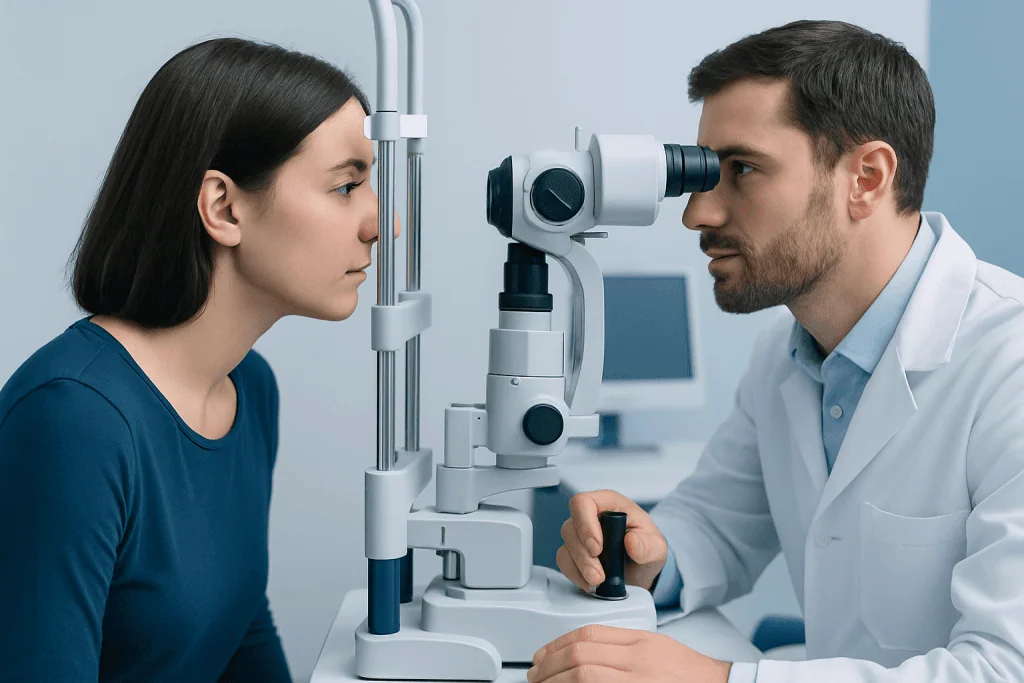
Because silent migraine can resemble urgent conditions, doctors often focus on ruling out other causes before confirming migraine aura. Symptoms that begin abruptly, persist longer than expected, or involve only one eye may need more immediate evaluation. Depending on the situation, an eye examination, neurological examination, brain imaging, or vascular studies may be recommended.
Tests are not always needed for people with a typical, recurrent pattern and a normal examination, but first-time episodes are commonly assessed more carefully. If symptoms include visual loss in one eye, a clinician may consider retinal causes. If there is confusion about seizure-related symptoms, further testing may be needed. In some cases, doctors use brain MRI or other imaging to help exclude structural or vascular problems.
Silent Migraine vs Stroke, TIA, and Eye Problems
One reason silent migraine deserves attention is that it can look similar to a stroke or transient ischemic attack, sometimes called a mini-stroke. Migraine aura usually builds up gradually and may spread from one symptom to another, such as visual changes followed by tingling. In contrast, stroke or TIA symptoms often start suddenly and may involve a loss of function, such as sudden weakness, inability to speak, or sudden vision loss.
Visual symptoms also need careful interpretation. Migraine aura often causes positive visual phenomena, meaning a person sees something extra, such as flashes, shimmering, or patterns. Eye diseases may instead cause dimming, a curtain-like shadow, or true loss of vision in one eye. A retinal event can be serious and should not be dismissed as migraine without medical advice.
Seizures can also cause visual or sensory symptoms, but these often differ in timing and associated features. If there is uncertainty, specialists in neurology, neuro-ophthalmology, or emergency care may be involved. When needed, a doctor may recommend neurological examination and further workup to distinguish migraine from other causes safely.
Treatment Options and Symptom Management
Treatment depends on how often episodes happen, how disruptive they are, and whether there are any concerning features. For occasional, typical aura without headache, management may focus mainly on education, trigger reduction, and reassurance after serious causes have been excluded. During an episode, resting in a calm, dim environment can help some people feel more comfortable.
If attacks are frequent, prolonged, or affecting quality of life, a doctor may discuss migraine-specific treatment strategies. These can include preventive medicines used for migraine in general, selected according to a person’s age, health history, and pattern of symptoms. Because silent migraine is a diagnosis that should be individualized, medication decisions should be made with a qualified clinician.
People who have repeated or changing episodes may benefit from specialist care. In some cases, assessment through neurology evaluation helps clarify the diagnosis and tailor management. Near the end of the care pathway, patients seeking international care may also wish to know that Acibadem International’s multidisciplinary specialists and JCI-accredited hospitals evaluate and treat migraine-related conditions for international patients.
Prevention and Self-Care
Preventive care often begins with lifestyle consistency. Regular sleep, balanced meals, good hydration, and stress management can reduce the likelihood of migraine episodes in many people. It may also help to limit known triggers such as alcohol, intense screen glare, or skipped meals, especially if these repeatedly precede aura symptoms.
A symptom diary is one of the most useful self-care tools. Recording the time of day, foods, activities, sleep quality, menstrual cycle, stress level, and exact symptoms can reveal patterns that are easy to miss. This record also helps doctors determine whether episodes fit a migraine aura pattern or suggest a different cause.
Self-care should not replace evaluation when warning signs are present. A person should not drive, operate machinery, or perform risky tasks during visual or neurological symptoms. If episodes are increasing, changing in character, or occurring with other neurological problems, medical review is the safest next step.
When to Seek Medical Evaluation
Any first episode of aura without headache should be discussed with a doctor, especially in midlife or later life, when other conditions may need to be excluded. Prompt evaluation is also important if symptoms are unusual for that person, last longer than an hour, or are happening more often than before. Even people with a known migraine history should seek reassessment if the pattern changes.
Urgent medical attention is needed for sudden severe symptoms such as weakness on one side, facial drooping, trouble understanding speech, persistent confusion, fainting, chest pain, or a sudden loss of vision. Symptoms affecting only one eye, rather than both eyes together, also deserve prompt assessment because they may point to an eye or vascular problem rather than typical migraine aura.
Early evaluation does not mean something serious is definitely wrong; it is the best way to make sure serious causes are not missed. A qualified doctor can determine whether the episode fits silent migraine, whether further tests are needed, and what treatment or prevention plan is most appropriate.
Frequently asked questions
Is silent migraine dangerous?
Silent migraine itself is often not dangerous, but its symptoms can resemble urgent conditions such as stroke, TIA, or retinal disease. That is why a first episode or a change in usual symptoms should be medically evaluated rather than assumed to be migraine.
How long does a silent migraine last?
The aura phase usually lasts between 5 and 60 minutes. Some people may feel tired, light-sensitive, or mentally slowed afterward, even though the main neurological symptoms have resolved.
Can silent migraine happen without any history of migraine headaches?
Yes. Some people first notice aura without headache even if they have never had classic migraine pain. Because new symptoms can have other causes, a clinician should confirm the diagnosis.
What does migraine aura look like?
Common visual aura symptoms include flashing lights, zigzag lines, shimmering shapes, blind spots, or distorted vision. Some people also have tingling, numbness, or trouble finding words.
How is silent migraine different from a stroke?
Migraine aura often develops gradually and may spread over several minutes, while stroke symptoms usually begin suddenly. Stroke is more likely to cause a sudden loss of function, such as weakness, facial droop, or sudden vision loss, and it needs emergency care.
Do silent migraines need treatment?
Not always. If episodes are rare and the diagnosis is clear, treatment may focus on avoiding triggers and maintaining healthy routines. Frequent, disruptive, or changing episodes may require preventive treatment or specialist follow-up.
References
- American Migraine Foundation
- National Institute of Neurological Disorders and Stroke
- American Academy of Neurology
- Mayo Clinic
- National Health Service
This article is for general information only and is not a substitute for professional medical advice. Please consult a qualified doctor about your individual situation.
Migraine in Turkey — costs, top hospitals & a free quote
JCI-accredited · board-certified surgeons · reply within 24h
Add us as a Preferred Source to see more of our trusted health content across Google Search, AI Overviews and Discover.