

Prescription Migraine Treatments: When You May Need More Than Over-the-Counter Relief

Prescription migraine treatments may be needed when attacks are severe, frequent, prolonged, or poorly controlled with over-the-counter medicines. Migraine treatment often includes both acute medicines to stop attacks and preventive medicines to reduce how often they happen.
Key Takeaways
- Prescription migraine treatments may be needed when attacks are severe, frequent, prolonged, or poorly controlled with over-the-counter medicines.
- Migraine treatment often includes both acute medicines to stop attacks and preventive medicines to reduce how often they happen.
- Accurate diagnosis matters because not every headache is a migraine, and some symptoms need urgent medical assessment.
- Lifestyle habits such as regular sleep, hydration, stress management, and trigger awareness can improve migraine control.
- A doctor should review worsening headaches, new neurological symptoms, or frequent medicine use to avoid complications such as medication-overuse headache.
Prescription migraine treatments are used when over-the-counter medicines do not control symptoms well enough or when migraine attacks are frequent, severe, or disruptive. A doctor can help match treatment to the type of migraine, symptom pattern, and overall health needs.
Overview: What Prescription Migraine Treatments Are
Prescription migraine treatments are medicines a doctor recommends when migraine symptoms are not adequately relieved by over-the-counter options such as simple pain relievers. Migraine is more than a routine headache. It is a neurological condition that can cause throbbing head pain, nausea, sensitivity to light or sound, and in some people visual or sensory changes called aura. Because migraine affects people differently, treatment plans are personalized.
Prescription treatment generally falls into two main groups. Acute medicines are taken during a migraine attack to reduce pain and other symptoms. Preventive medicines are taken regularly to lower how often attacks happen, how severe they are, or how long they last. Some people need only one approach, while others benefit from both.
A doctor may suggest prescription migraine treatments when attacks interfere with work, school, sleep, or daily life, or when symptoms return despite self-care and over-the-counter medication. The goal is not only to reduce pain, but also to improve function, reduce disability, and help the person feel more in control of the condition.
Symptoms and Signs That More Than Over-the-Counter Relief May Be Needed
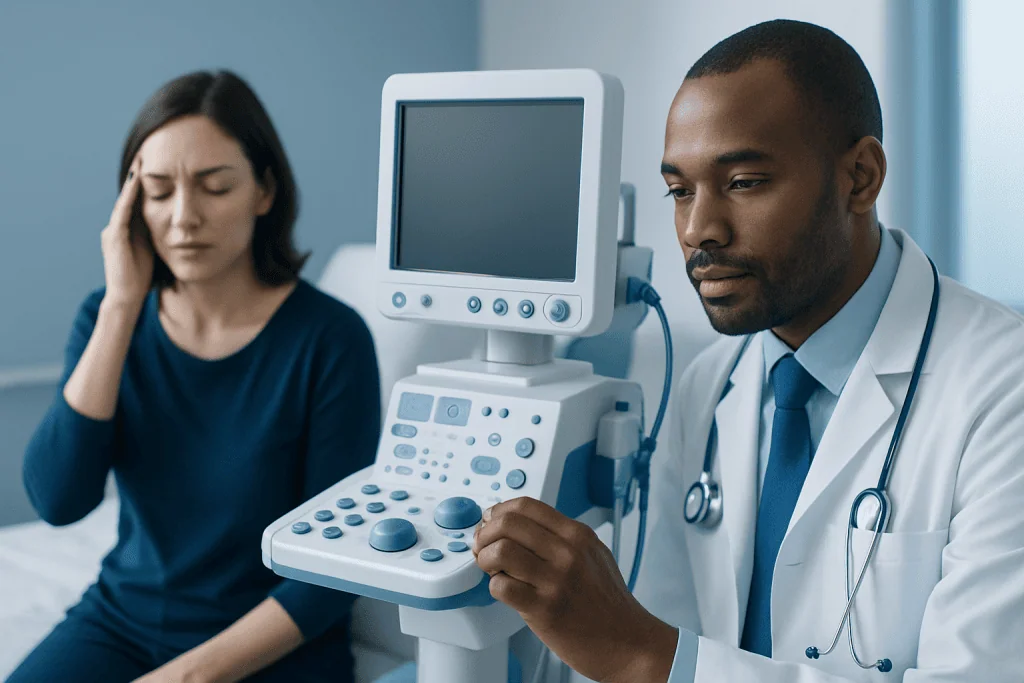
Many people try nonprescription pain medicine first, especially if headaches are mild or infrequent. However, prescription treatment may be more appropriate if migraine attacks are intense, happen often, last many hours, or cause repeated nausea and vomiting. Some people find that over-the-counter medicines stop working reliably or that they need them too often.
Typical migraine symptoms include moderate to severe head pain, often throbbing and often on one side, though both sides can be affected. Other common symptoms include nausea, vomiting, sensitivity to light, sensitivity to sound, dizziness, and worsening pain with routine activity. Some people notice warning symptoms before the headache begins, such as flashing lights, blind spots, tingling, or difficulty speaking.
Prescription evaluation is especially important if headaches are changing in pattern, becoming more frequent, or causing substantial time lost from normal activities. It is also helpful when headaches wake a person from sleep, do not respond to usual treatment, or are associated with strong neck pain, unusual weakness, confusion, or other concerning features. A doctor can help determine whether the problem is migraine or another type of headache, such as migraine or tension headache.
Why Migraine Happens and Who May Be at Higher Risk

The exact cause of migraine is complex and not completely understood, but it involves changes in brain signaling, nerves, and blood vessels. Migraine tends to run in families, which means genetics can play an important role. Hormonal shifts, stress, lack of sleep, irregular meals, dehydration, sensory overstimulation, and certain foods or drinks may trigger attacks in susceptible people.
Risk factors can include a personal or family history of migraine, female sex, hormonal fluctuations related to menstruation, pregnancy, or menopause, and coexisting conditions such as anxiety, depression, or sleep problems. Headache patterns may also be influenced by caffeine use, alcohol, skipped meals, and changes in daily routine.
For some people, frequent use of pain medicine can make headaches more difficult to control over time. This is called medication-overuse headache. It does not mean the person has done something wrong; rather, it shows why a careful treatment plan matters. A doctor can review triggers, frequency, and medication use to decide whether prescription migraine treatments, preventive strategies, or a headache specialist referral would be helpful.
How Migraine Is Diagnosed
Migraine is usually diagnosed based on medical history, symptom pattern, and a physical and neurological examination. There is no single blood test that confirms migraine. A doctor will ask about the location and quality of pain, how long attacks last, associated symptoms such as nausea or visual changes, and what seems to trigger or relieve them.
Keeping a headache diary can be very useful. It may include when headaches happen, possible triggers, menstrual timing if relevant, what medicines were used, and how well they worked. This information helps distinguish migraine from other headache disorders and can guide decisions about prescription treatment.
In some cases, imaging studies are recommended, especially when symptoms are unusual or new. Brain imaging may be used if there are warning signs such as a sudden severe headache, new neurological deficits, a major change in headache pattern, or concern for another condition. If further evaluation is needed, doctors may use brain MRI or other tests to rule out structural causes. The aim is to make the diagnosis as accurate and safe as possible.
Treatment Options: Acute and Preventive Prescription Medicines
Acute prescription migraine treatments are taken at the start of an attack to stop or reduce symptoms. Depending on the person and the attack pattern, options may include migraine-specific medicines, anti-nausea medicines, or other prescription pain-relief approaches. The best results often come from taking acute treatment early in the attack, as advised by a doctor. Choice of medicine depends on factors such as symptom severity, nausea, cardiovascular history, pregnancy status, and how often attacks occur.
Preventive prescription treatment may be considered when migraine attacks are frequent, prolonged, disabling, or difficult to treat once they begin. Preventive options can include certain blood pressure medicines, antiseizure medicines, antidepressants, injectable therapies, or other targeted treatments. The purpose is to reduce the number of migraine days and improve quality of life over time, not necessarily to create immediate relief after one dose.
Some people benefit from non-drug or procedure-based care in addition to medication. Depending on the pattern of headache and the overall treatment plan, a specialist may discuss options such as Botox treatment for chronic migraine in carefully selected patients. If headaches remain difficult to manage, referral to neurology care or a dedicated headache clinic can help refine diagnosis, identify coexisting conditions, and tailor long-term therapy.
It is important not to start, stop, or combine prescription medicines without medical guidance. Some migraine medicines are not suitable for certain people, including those with specific heart or vascular conditions, pregnancy considerations, or interactions with other drugs. Follow-up visits help assess benefit, side effects, and whether the plan should be adjusted.
Prevention, Self-Care, and Trigger Management
Even when prescription migraine treatments are needed, daily habits still matter. Regular sleep, good hydration, balanced meals, and consistent caffeine intake can help reduce attacks. Skipping meals, staying up late, and dehydration are common triggers for many people. A steady routine is often beneficial because the migraine brain can be sensitive to sudden changes.
Stress management is another key part of care. Relaxation techniques, breathing exercises, mindfulness, gentle physical activity, and structured exercise can support migraine prevention for some people. During an attack, a quiet, dark room and rest may help in addition to prescribed treatment.
Trigger management should be practical rather than restrictive. Not every person has the same triggers, and not every exposure causes a migraine. A headache diary can help identify patterns without making life overly limited. If neck pain, poor posture, or muscle tension contribute to discomfort, a doctor may suggest supportive care such as physical therapy and rehabilitation as part of a broader treatment plan.
When to See a Doctor
A doctor should be consulted when headaches are frequent, severe, changing, or interfering with everyday life. Medical advice is also important when over-the-counter medicines are needed often, when migraine attacks last a long time, or when nausea and vomiting make it hard to take fluids or medication. Early treatment can prevent headaches from becoming harder to control.
Urgent medical evaluation is needed for a sudden explosive headache, a headache after head injury, or headache with fever, stiff neck, seizures, fainting, confusion, weakness, numbness, vision loss, or trouble speaking. These symptoms do not always mean a serious problem, but they should not be ignored because they can signal conditions other than migraine.
People with known migraine should also seek review if their usual pattern changes significantly or if medicines are causing side effects. Near the end of the care pathway, some patients may benefit from assessment at specialist centers; Acibadem International’s multidisciplinary specialists and JCI-accredited hospitals diagnose and treat migraine and related neurological conditions for international patients.
Frequently asked questions
When should someone consider prescription migraine treatments?
Prescription migraine treatments may be helpful when over-the-counter medicines do not provide enough relief, when attacks are frequent, or when migraine causes missed work, school, or daily activities. A doctor can also consider prescription options if nausea, vomiting, aura, or prolonged symptoms make attacks harder to manage.
What is the difference between acute and preventive migraine medicine?
Acute migraine medicine is taken during an attack to relieve pain and associated symptoms. Preventive migraine medicine is taken regularly to reduce how often attacks happen and how severe they are over time.
Can taking too much headache medicine make migraines worse?
Yes, frequent use of some pain-relief medicines can lead to medication-overuse headache in certain people. This can make headaches more frequent or harder to treat, which is why regular review with a doctor is important.
Do all migraines require brain imaging?
No, many people with a typical migraine pattern do not need imaging. A doctor usually recommends imaging only when there are unusual symptoms, neurological findings, a sudden severe headache, or a significant change in headache pattern.
Are prescription migraine treatments safe for everyone?
Not every prescription migraine medicine is appropriate for every person. Safety depends on overall health, pregnancy status, heart and blood vessel history, other medical conditions, and possible interactions with other medicines.
Can lifestyle changes really help if migraine is severe?
Yes, lifestyle measures can still make a meaningful difference even when prescription treatment is needed. Regular sleep, hydration, meals, exercise, and trigger awareness often improve migraine control and may help medicines work better.
References
- World Health Organization
- National Institute of Neurological Disorders and Stroke
- American Migraine Foundation
- International Headache Society
- National Institute for Health and Care Excellence
This article is for general information only and is not a substitute for professional medical advice. Please consult a qualified doctor about your individual situation.
Migraine in Turkey — costs, top hospitals & a free quote
JCI-accredited · board-certified surgeons · reply within 24h
Add us as a Preferred Source to see more of our trusted health content across Google Search, AI Overviews and Discover.

More from the Health Library



Related Specialists

Prof. Dr. Faysal Dane
Medical Oncology
Prof. Dr. Gündüz Tezeren
Orthopedic Surgery & Traumatology
Dr. Betül Saritaş
Pediatrics
Dr. Zehra Elban
Acibadem Life Clinical Service