How to Prepare for Neurointerventional Radiology: Tests, Medicines, and Questions to Ask

Preparation starts with a full review of medicines, allergies, past procedures, and current symptoms. Blood tests and imaging help the care team plan the procedure and reduce risk.
Key Takeaways
- Preparation starts with a full review of medicines, allergies, past procedures, and current symptoms.
- Blood tests and imaging help the care team plan the procedure and reduce risk.
- Patients may need to stop or adjust blood thinners, diabetes medicines, or other drugs only under medical guidance.
- Fasting, hydration instructions, and arranging a ride home are common practical steps before treatment.
- Important questions include why the procedure is needed, what risks apply, and what recovery will be like.
Preparing for neurointerventional radiology usually involves reviewing medicines, completing blood tests and imaging, following fasting instructions, and planning for recovery after the procedure. Knowing what to expect can help patients feel calmer and make the treatment day safer and smoother.
Overview: What neurointerventional radiology preparation involves
Neurointerventional radiology is a group of minimally invasive procedures used to diagnose or treat conditions affecting the blood vessels of the brain, head, neck, and spine. These procedures are performed using imaging guidance and thin catheters, often inserted through an artery in the wrist or groin. Preparation is an important part of care because it helps the medical team understand the patient’s health status, lower avoidable risks, and plan the safest approach.
Preparation can differ depending on the exact procedure. A patient having a diagnostic cerebral angiogram may need a simpler workup than someone being treated for an aneurysm, stroke-related blockage, or vascular malformation. Even so, the main steps are often similar: reviewing medical history, checking blood tests, confirming imaging results, adjusting medicines if needed, and giving practical instructions for the day of treatment.
It is normal for patients and families to have questions before a neurointerventional procedure. Knowing what information to bring, which tests may be needed, and what to ask the doctor can make the process feel more manageable. Good preparation also supports informed consent, meaning the patient clearly understands the goal of the procedure, expected benefits, possible risks, and recovery plan.
Medical information to share before the procedure
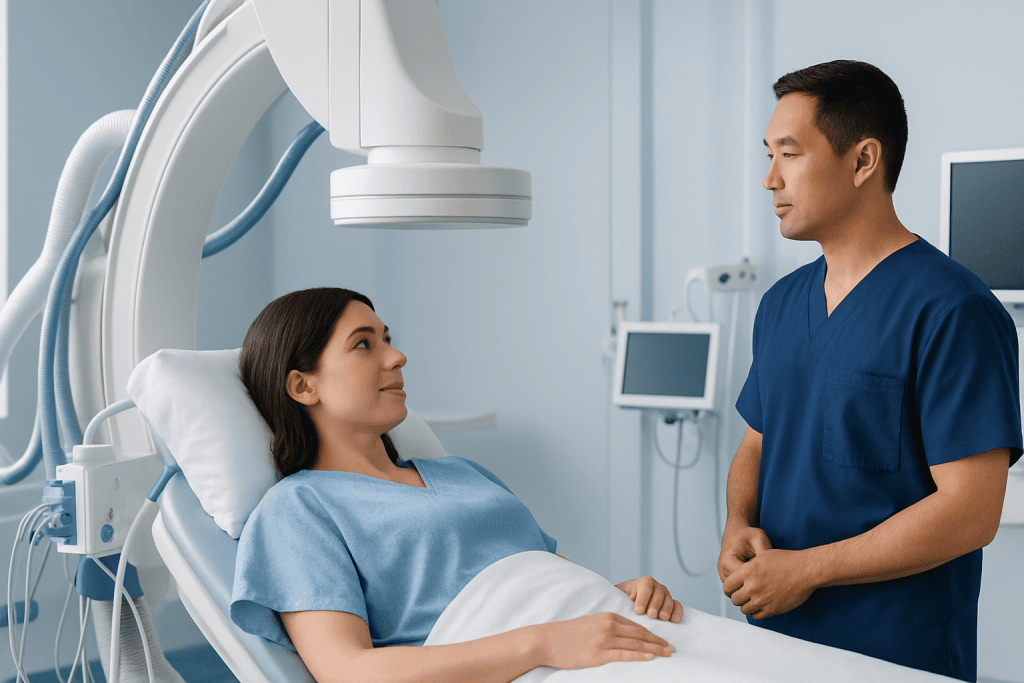
Before neurointerventional radiology, patients should give the care team a complete and accurate medical history. This includes prior strokes or transient ischemic attacks, aneurysms, bleeding disorders, kidney disease, heart conditions, diabetes, high blood pressure, pregnancy, previous surgeries, and any reactions to anesthesia or contrast dye. Details about symptoms such as severe headache, weakness, speech changes, vision changes, or numbness can also help guide planning.
A full medicine list is especially important. Patients should include prescription drugs, over-the-counter medicines, vitamins, herbal products, and supplements. Blood thinners, antiplatelet medicines, insulin, oral diabetes medicines, seizure medicines, and blood pressure medicines often need special review before the procedure. These medicines should not be stopped or changed unless the treating doctor gives clear instructions.
Allergies and prior reactions should be discussed early. The care team needs to know about allergies to contrast material, iodine-based agents, latex, adhesive dressings, or medications such as antibiotics and pain medicines. If a patient has had a previous contrast reaction, the doctor may recommend special precautions or pretreatment. Patients should also mention implanted devices, recent infections, or if they are currently unwell, since these factors may affect timing.
Tests and imaging that may be needed
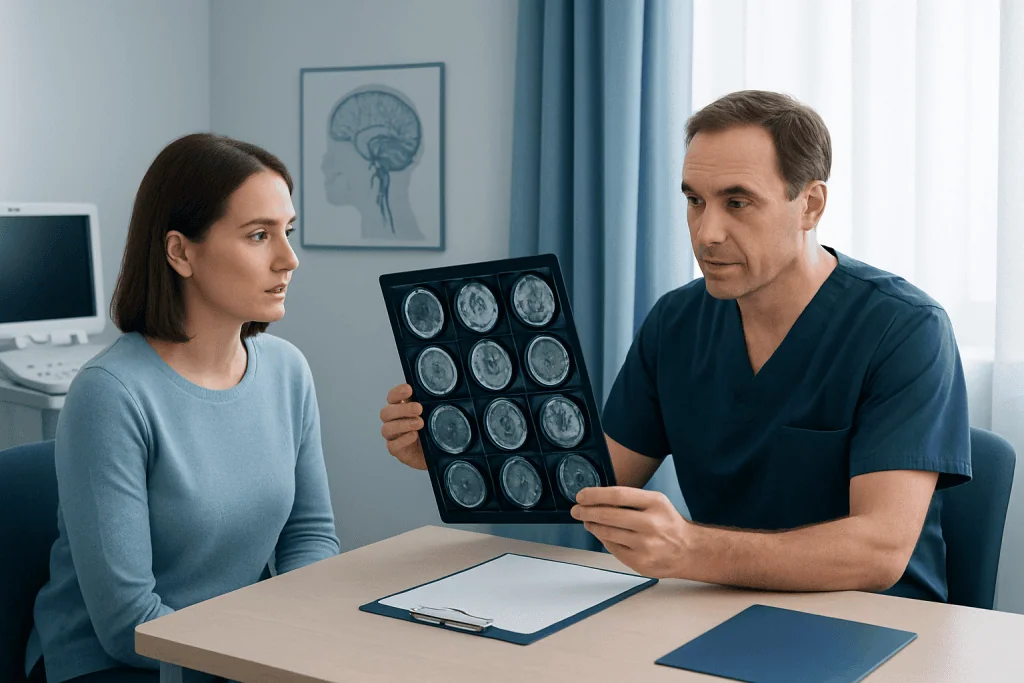
Many patients need blood tests before neurointerventional radiology. These commonly include a complete blood count, kidney function tests, and blood clotting tests. The goal is to make sure the body can safely handle contrast dye, that bleeding risk is understood, and that the procedure can be performed with the right precautions. Additional tests may be requested depending on the person’s age, medical conditions, and the planned treatment.
Imaging studies help the doctor confirm the diagnosis and map the blood vessels. These may include CT, MRI, CT angiography, MR angiography, ultrasound, or a prior diagnostic angiogram. For example, treatment planning may differ for a brain aneurysm compared with a patient being evaluated after a suspected stroke. Patients should bring outside scans and reports if they were done at another center, because repeat imaging is not always necessary.
Some patients also need an electrocardiogram or a consultation with another specialist, especially if they have significant heart or lung disease. In selected cases, the doctor may order pregnancy testing or more detailed blood work. These checks are not meant to delay care, but to make treatment safer and more personalized.
Medicines, fasting, and practical steps the day before
Medication planning is one of the most important parts of neurointerventional radiology preparation. Some procedures require patients to continue certain medicines, while others require temporary changes. Blood thinners and antiplatelet drugs need especially careful review because stopping them too early or continuing them inappropriately can both create risks. The doctor may also adjust diabetes medicines if fasting is required, and may advise which blood pressure or seizure medicines should still be taken with a small sip of water on the day of the procedure.
Fasting instructions vary depending on whether sedation or anesthesia will be used. Many patients are told not to eat or drink for a set number of hours before the procedure, but exact instructions come from the treating team. If contrast dye is planned, the team may also give advice about hydration, especially in patients with kidney concerns. Following these instructions closely helps reduce nausea, aspiration risk, and other avoidable complications.
Practical preparation also matters. Patients should arrange transportation home if same-day discharge is expected, and they may need someone to stay with them for the first night. Comfortable clothing, a list of medicines, identification, prior test results, and consent documents can be helpful to bring. Jewelry and valuables are best left at home. If the access site is likely to be the wrist or groin, the team may explain how the area will be prepared before the procedure.
Questions to ask the doctor before neurointerventional radiology
Asking questions helps patients take an active role in care. A good starting point is understanding why the procedure is being recommended and what alternatives exist. Patients may ask whether the goal is diagnosis, treatment, or both; how urgent the procedure is; and what could happen if treatment is delayed. It can also be helpful to ask whether a minimally invasive option is preferred over surgery in a particular situation.
Patients often want to know what the procedure itself will feel like. Useful questions include whether local anesthesia, sedation, or general anesthesia will be used; where the catheter will be inserted; how long the procedure may take; and whether an overnight hospital stay is likely. If the procedure is being done for conditions such as carotid artery disease, patients can ask how treatment success is assessed and what symptoms should improve or be watched closely afterward.
It is also reasonable to ask specific safety questions. These may include the risk of bleeding, stroke, vessel injury, kidney strain from contrast, allergic reaction, or infection. Patients should ask what warning signs to watch for after discharge, when normal activities can be resumed, and whether follow-up imaging will be needed. A written list of questions can make the consultation easier and help families remember the answers.
- Why is this procedure recommended for this condition?
- What are the main benefits and possible risks in this case?
- Do any medicines need to be stopped, continued, or changed?
- Will sedation or general anesthesia be used?
- How long is recovery, and when can work, driving, or exercise resume?
- What symptoms after discharge require urgent medical attention?
What happens on the day of the procedure
On the day of treatment, the patient usually arrives early for check-in, a final review of medical history, and repeat safety checks. Nurses may place an intravenous line, check vital signs, and confirm allergies, current medicines, and fasting status. The doctor will review the consent form and answer any last-minute questions. This final preparation step helps ensure the right procedure is performed in the safest way possible.
During neurointerventional radiology, the team uses imaging guidance to move a small catheter through the blood vessels to the treatment area. Depending on the condition, this may involve a diagnostic cerebral angiography or a treatment procedure such as aneurysm coiling or mechanical thrombectomy. The exact experience varies, but patients are closely monitored throughout for blood pressure, heart rhythm, breathing, and neurological status.
After the procedure, the patient is observed in a recovery area or hospital room. The access site is checked for bleeding or swelling, and the team monitors for headache, weakness, speech changes, pain, or changes in alertness. Some people go home the same day, while others stay overnight for observation. Before discharge, the care team explains medicine changes, activity limits, wound care, and follow-up appointments.
Recovery planning and self-care after the procedure
Recovery instructions depend on the type of neurointerventional procedure, the access site used, and the patient’s overall health. In general, patients are asked to rest, drink fluids if approved, and avoid heavy lifting or strenuous activity for a short period. Mild soreness or bruising at the wrist or groin can happen, but increasing pain, swelling, bleeding, or numbness should be reported promptly. The care team will explain when bathing, driving, work, and exercise can safely resume.
Medication instructions after the procedure are just as important as those before it. Some patients need to restart home medicines, while others may begin new antiplatelet or blood pressure treatment based on the procedure performed. These changes should be followed exactly as prescribed. Patients should not add nonprescription pain relievers or supplements without checking first, because some can increase bleeding risk or interact with other medicines.
Follow-up visits and imaging may be part of long-term care, especially after treatment of aneurysms or narrowed blood vessels. These appointments allow doctors to confirm healing and monitor for recurrence or residual problems. Near the end of the care journey, patients seeking international care may appreciate knowing that Acibadem International’s multidisciplinary specialists and JCI-accredited hospitals diagnose and treat neurovascular conditions using modern interventional techniques.
When to contact a doctor before or after the procedure
Before the procedure, patients should contact the medical team if they develop fever, cough, vomiting, chest pain, a new infection, uncontrolled blood pressure, or a major change in neurological symptoms. The team should also be informed if a dose of an important medicine was missed, if there is uncertainty about fasting instructions, or if pregnancy is possible. Clarifying these issues early may prevent cancellation or reduce unnecessary risk.
After discharge, urgent medical advice is needed for severe headache, new weakness, facial droop, trouble speaking, confusion, vision changes, chest pain, shortness of breath, or heavy bleeding from the access site. Swelling, coldness, color change, or severe pain in the arm or leg used for access should also be checked quickly. These symptoms do not always mean a serious complication, but they should never be ignored.
For non-urgent concerns, such as mild bruising, questions about activity, or uncertainty about medicine timing, patients should use the follow-up instructions provided by their team. Keeping a written discharge summary and emergency contact numbers nearby can be very helpful. Clear communication before and after neurointerventional radiology supports safer recovery and greater peace of mind.
Frequently asked questions
How far in advance should a patient prepare for neurointerventional radiology?
Preparation often begins several days before the procedure, especially if blood tests, imaging review, or medicine changes are needed. Some instructions, such as fasting and arrival time, are usually confirmed the day before or on the scheduling call.
Do all patients need to stop blood thinners before the procedure?
No. Some patients need to stop blood thinners temporarily, while others need to continue them or switch to a different plan. Because the decision depends on both bleeding and clotting risk, changes should only be made under the treating doctor’s guidance.
Can a patient eat or drink before neurointerventional radiology?
That depends on the type of sedation or anesthesia being used. Many patients are asked to avoid food and drink for a certain period beforehand, so it is important to follow the exact instructions from the care team.
Is neurointerventional radiology painful?
Many procedures are done with local anesthesia, sedation, or general anesthesia to keep the patient comfortable. Patients may feel pressure at the access site or temporary discomfort, but the team monitors comfort closely throughout the procedure.
What should a patient bring on the day of the procedure?
It is helpful to bring identification, insurance or registration documents if relevant, a current medicine list, allergy information, and copies of recent imaging or reports if requested. Patients should also arrange transportation home when same-day discharge is planned.
How long does recovery usually take?
Recovery time varies depending on whether the procedure is diagnostic or therapeutic, the access site used, and the person’s general health. Some patients recover within a day or two, while others need a longer hospital stay and more structured follow-up.
References
- American Heart Association
- Society of NeuroInterventional Surgery
- Radiological Society of North America
- National Institute of Neurological Disorders and Stroke
- World Stroke Organization
This article is for general information only and is not a substitute for professional medical advice. Please consult a qualified doctor about your individual situation.
Joint and spine care in Turkey — expert assessment & treatment
JCI-accredited · board-certified surgeons · reply within 24h
Add us as a Preferred Source to see more of our trusted health content across Google Search, AI Overviews and Discover.
Check your numbers in seconds
BMI, calories, due date, blood pressure and 30+ more clinical calculators — free, instant, doctor-reviewed ranges.