

Single Room, ICU, or Extra Hospital Nights: How Stay Length Changes Treatment Cost

Single room, ICU, or extra hospital nights can raise treatment cost in Turkey through room type, monitoring level, and longer inpatient stays.
Your treatment quote often includes an expected number of hospital nights, but the final cost can change if you need a different room type, ICU monitoring, or a longer stay. Knowing what usually affects inpatient costs helps you ask clearer questions, compare quotes more fairly, and plan your budget with fewer surprises.
At a glance
- Main cost drivers: Room category, ICU use, total inpatient nights, medications, imaging, and added monitoring
- What to ask before travel: How many nights are included, what triggers extra charges, and whether ICU is planned or only if medically needed
- Why quotes change: Recovery can be faster or slower than expected, and your doctor may adjust the stay for safety
- Best planning tip: Ask for an itemized estimate that separates treatment, hospital stay, room type, and possible extras
- Who can help: International patient coordinators can explain the quote, interpreter support, and practical stay arrangements
Why hospital stay length affects your final cost
When you receive a treatment estimate, part of that total often reflects the expected hospital stay. This usually includes a planned room category, a predicted number of inpatient nights, nursing care, and routine monitoring for your procedure. If your actual stay matches the original plan, your final bill is usually closer to the first quote.
Costs can change when your stay changes. A transfer to intensive care, staying an extra night for observation, needing a higher-dependency room, or remaining in hospital longer because of pain control, mobility, drain management, or lab follow-up can all increase the total. This does not always mean something has gone wrong; sometimes it simply means your team is being appropriately cautious.
For international patients, this matters because travel plans, hotel bookings, and companion arrangements may also need to shift. At Acibadem International, coordinators commonly help patients understand what part of the quote relates to inpatient care and what practical support may be needed if discharge happens earlier or later than first expected.
Single room charges: what is usually included and what may be extra
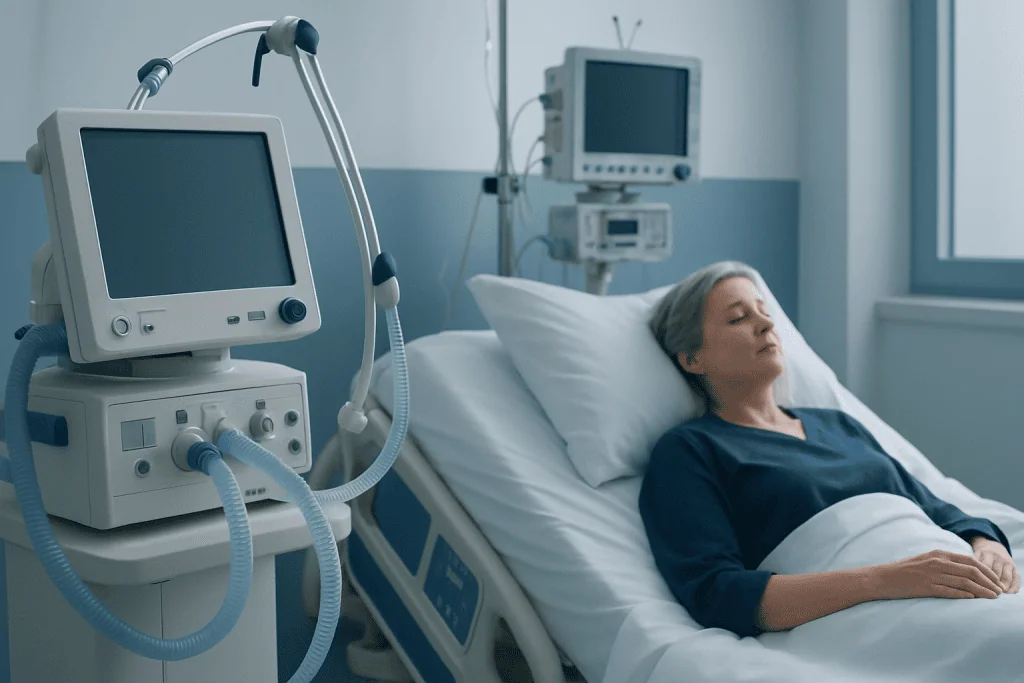
A single room generally means a private inpatient room for your stay, rather than a shared room where available. In many hospitals, the room charge covers the bed, standard nursing services, basic room amenities, and routine non-ICU monitoring. However, what is included can vary by treatment type, package structure, and hospital policy.
The key point is that a private room upgrade is not always just a comfort decision. Sometimes the room category is already standard for a specific treatment, while in other cases it may be optional and billed separately. If you are comparing offers, ask whether the quote already includes a single room, whether that applies to every night, and whether companion accommodation in the room is possible or charged separately.
You should also ask if services around the room are billed independently. Examples can include additional consultations, extra medications, special equipment, or extended monitoring that happen during the room stay but are not part of the room fee itself. This is why an itemized estimate is more helpful than a single lump-sum figure.
- Ask whether a private room is standard or optional
- Check how many room nights are included
- Confirm whether companion stays are allowed
- Ask which hospital services are separate from the room charge
ICU stays: why they cost more and when they may be needed

ICU care usually costs more than a standard inpatient room because it involves a higher level of monitoring, staffing, equipment, and clinical support. Even a short ICU stay can significantly affect the total bill compared with a standard ward night. For some procedures, a brief ICU or high-dependency stay may be planned in advance; for others, it is used only if your doctor believes you need closer observation.
If ICU is a possibility, it helps to ask whether it is routinely expected for your procedure or only used case by case. You can also ask how the hospital distinguishes between ICU, recovery room, and standard floor care, since these terms are sometimes misunderstood by patients reviewing quotes from abroad. Clear wording matters when you are budgeting.
At JCI-accredited Acibadem hospitals, patient safety decisions are based on medical need rather than travel convenience. If a multidisciplinary team recommends closer monitoring after surgery, that recommendation may affect cost, but it is intended to support a safer recovery and discharge process.
Extra hospital nights: common reasons they happen
Extra nights are one of the most common reasons a final invoice differs from the original estimate. The reason may be as simple as waiting one more day for safe discharge, arranging transport, reviewing blood tests, adjusting pain medication, or confirming that you are eating, walking, and urinating normally after a procedure. In many cases, one additional night is a practical safety choice rather than an emergency.
Longer extensions can happen if you need more physiotherapy input, wound observation, antibiotic treatment, further imaging, management of nausea or dizziness, or extra specialist review. International patients sometimes also stay a little longer because the team wants to assess fitness to fly, especially after major surgery.
Before treatment, ask what the usual discharge criteria are and what commonly leads to an added night. This gives you a better sense of realistic planning. It is also wise to avoid booking a non-changeable return flight immediately after your expected discharge day, because medical timelines do not always follow travel itineraries.
How to read your quote and compare hospitals fairly
A good quote should help you see what is included and what is conditional. If one estimate seems much lower than another, the difference may be because it includes fewer inpatient nights, excludes ICU if needed, assumes a different room type, or leaves out tests, medications, or specialist reviews. Lower is not always simpler once the full stay is billed.
Ask for a breakdown that separates the procedure itself from the stay components. Ideally, you want to know the planned number of ward nights, whether ICU is expected or excluded, the room category, and which services may be billed if medically necessary. This is especially useful when you are comparing providers in Turkey or Istanbul from abroad and trying to avoid misunderstandings later.
Acibadem International teams can usually help clarify inpatient logistics for overseas patients, including interpreter support, admission steps, and practical planning around companions and accommodation before or after discharge. This kind of coordination does not remove medical uncertainty, but it can make the financial side easier to follow.
Questions to ask before you accept a treatment plan
You do not need to know every billing detail, but a few well-chosen questions can make your planning much easier. Start by asking how many nights are included in the estimate, what type of room those nights refer to, and whether ICU is anticipated for your procedure. Then ask what happens financially if your stay is shorter or longer than planned.
It also helps to ask about medically necessary extras that can appear during admission. These might include additional blood tests, imaging, specialist consultations, medications, physiotherapy, pathology, or consumables. Some may already be bundled, while others may be billed separately depending on how your treatment is structured.
If you are traveling internationally, ask practical questions too: who will update your companion, whether an interpreter can help during admission and discharge, and what support is available if your release date changes. At Acibadem International, patient services teams often assist with exactly these logistics, which can reduce stress when plans shift.
- How many hospital nights are included?
- Is the quote based on a single room or another room type?
- Is ICU planned, possible, or excluded unless medically necessary?
- What usually causes extra night charges?
- Are medicines, imaging, and consultations during the stay included?
- What support is available if my discharge date changes?
Planning your budget without expecting an exact final bill
Even with a detailed estimate, medicine is not perfectly predictable. The safest approach is to treat the initial quote as a plan based on expected recovery, not a guaranteed final number. Building a financial buffer for extra nights or higher-level monitoring can help you avoid added pressure during treatment.
For many patients, it is useful to separate costs into three buckets: the procedure, the expected stay, and a contingency reserve for unplanned inpatient needs. You should also budget for non-medical effects of a longer stay, such as companion accommodation, local transport changes, meals, and a flexible flight home.
If you are unsure how to prepare, ask the hospital’s international patient team to explain the estimate in plain language. At Acibadem International, this can include practical guidance around admission, accommodation coordination, and communication support across JCI-accredited hospitals, so you can plan with more confidence and fewer assumptions.
Step by step
- Request an itemized estimate. Ask for a quote that separates the treatment itself from room charges, ICU if applicable, and the number of planned nights. This helps you understand what you are actually comparing and where extra costs may appear.
- Confirm the included room type. Check whether your estimate is based on a single room, another room category, or a package that assigns rooms by procedure type. If privacy matters to you, clarify whether a private room is standard, optional, or subject to availability.
- Ask about ICU expectations. Find out whether ICU care is routinely planned for your treatment or only used if medically necessary. This distinction can make a significant difference to your planning and your understanding of the quote.
- Understand discharge criteria. Ask what your team needs to see before you can leave the hospital safely, such as stable vital signs, pain control, mobility, or test results. Knowing this helps you see why an extra night may sometimes be recommended.
- Build a practical contingency budget. Set aside a buffer for possible extra nights, medications, or added monitoring. Include travel-related flexibility too, such as a companion's hotel stay or a changeable return flight.
- Coordinate your travel around medical timing. Avoid scheduling tight departures immediately after the planned discharge day. Give yourself room in case your doctor recommends one more night or needs to review you again before you travel.
- Use the international patient team. If you are traveling from abroad, ask your coordinator to explain stay-related logistics in plain language. They can often help with interpreter support, admission planning, and what to do if your discharge date changes.
Your checklist
- Ask how many inpatient nights are included in your quote
- Confirm whether the quote assumes a single room
- Check if ICU is planned, optional, or only used if medically needed
- Request an itemized estimate rather than a single total
- Ask which in-hospital medicines, tests, and consultations are separate
- Budget for at least a small contingency if your stay extends
- Choose flexible travel arrangements when possible
- Ask who will support your companion if plans change
- Keep your coordinator's contact details handy during admission
Key takeaways
- Hospital costs can rise if you need a different room type, ICU care, or more inpatient nights than originally planned.
- A single room fee does not always include every medication, test, consultation, or added monitoring during your stay.
- ICU care is more expensive because it involves closer monitoring, specialized staffing, and higher resource use.
- Extra nights often happen for practical medical reasons such as observation, symptom control, test review, or fitness to travel.
- The best protection against billing surprises is an itemized estimate and clear questions before treatment.
Frequently asked questions
Does a treatment quote usually include hospital nights?
Often, yes. Many quotes include an expected number of inpatient nights based on the usual recovery pathway for that treatment. You should still ask exactly how many nights are included and what happens if your stay is shorter or longer.
Is a single room always included in the price?
Not always. Some treatments are quoted with a private room as standard, while others may price room type separately or assign it according to package terms. The safest approach is to ask whether the estimate specifically includes a single room for every planned night.
Why does ICU increase the cost so much?
ICU care involves more intensive monitoring, higher staffing levels, specialized equipment, and closer medical observation than a standard inpatient room. Even a short ICU stay can change the final total because the level of care is different.
If I stay one extra night, will the whole quote change?
Usually the entire quote does not change, but the final bill may increase to reflect the additional night and any related care provided during that time. This may include room charges, nursing care, medications, tests, or reviews needed before discharge.
Can I know in advance whether I will need extra nights?
Not with certainty. Your doctor can give an expected range based on the procedure and your health status, but actual recovery may be quicker or slower. It is wise to plan for some flexibility rather than assume the shortest possible stay.
Should I book my return flight for the planned discharge day?
That is usually risky, especially after surgery or if you are traveling internationally. It is better to leave a time buffer in case your team wants to monitor you longer or review your fitness to travel before discharge.
How can Acibadem International help me understand these costs?
Acibadem International coordinators can help explain the practical parts of your estimate, including planned hospital nights, room arrangements, and what may lead to added charges. They can also support logistics such as interpreters, companion planning, and coordination across JCI-accredited hospitals.
Add us as a Preferred Source to see more of our trusted health content across Google Search, AI Overviews and Discover.
More Patient Guides

Turkey Medical Travel Budget Checklist: Beyond the Treatment Quote
Turkey medical travel budget checklist: plan beyond the treatment quote with flights, hotel, transfers, tests, recovery needs and payment timing in Turkey.
9 min read
How to Compare Surgery Packages in Turkey Beyond the Headline Price
Surgery packages in Turkey should be compared by what is included, who provides care, and follow-up support—not headline price alone.
9 min read
Comparing Medical Quotes from Hospitals in Turkey: How to Spot Meaningful Differences
Comparing medical quotes from hospitals in Turkey means checking what is included, excluded and coordinated—not just the lowest total price.
9 min read