

Requesting a Medical Quote from Abroad: What Records Help You Get a More Accurate Price?

A medical quote from abroad is more accurate when you send recent reports, imaging, diagnosis details and your treatment goal to a hospital in Turkey.
If you are requesting a medical quote from abroad, the quality of the records you share often determines how accurate and useful the estimate will be. Sending the right documents early can reduce back-and-forth, help specialists review your case faster, and make your travel planning easier.
At a glance
- Best for: Patients seeking an initial treatment estimate from another country
- Most helpful records: Recent reports, diagnosis details, imaging, medication list, and prior treatment history
- Why records matter: They help the hospital understand your needs and avoid broad or incomplete estimates
- Who can help: International patient teams, coordinators, and medical interpreters
- Good timing: Send the most recent documents available before booking travel
Why the records you send can change the quote you receive
When you ask for a medical quote from abroad, the hospital usually starts with the information you provide. If your records are complete, recent, and easy to understand, the care team can build a more realistic picture of your needs. That often leads to a more accurate estimate, clearer next steps, and fewer surprises once you arrive.
If records are missing or outdated, the quote may need to stay broad. This does not necessarily mean anyone is withholding information; it usually means the team cannot safely define the likely tests, hospital stay, specialist input, or treatment pathway without more detail. In some cases, an estimate may change after an in-person examination or repeat testing, especially if your condition is complex.
For international patients, this step is also about logistics. A stronger document set can help you decide when to travel, how long to stay, whether you may need a companion, and what practical arrangements to make. At Acibadem International, patient coordinators commonly help people organize this process so medical review and travel planning can move forward together.
Which records usually help the most
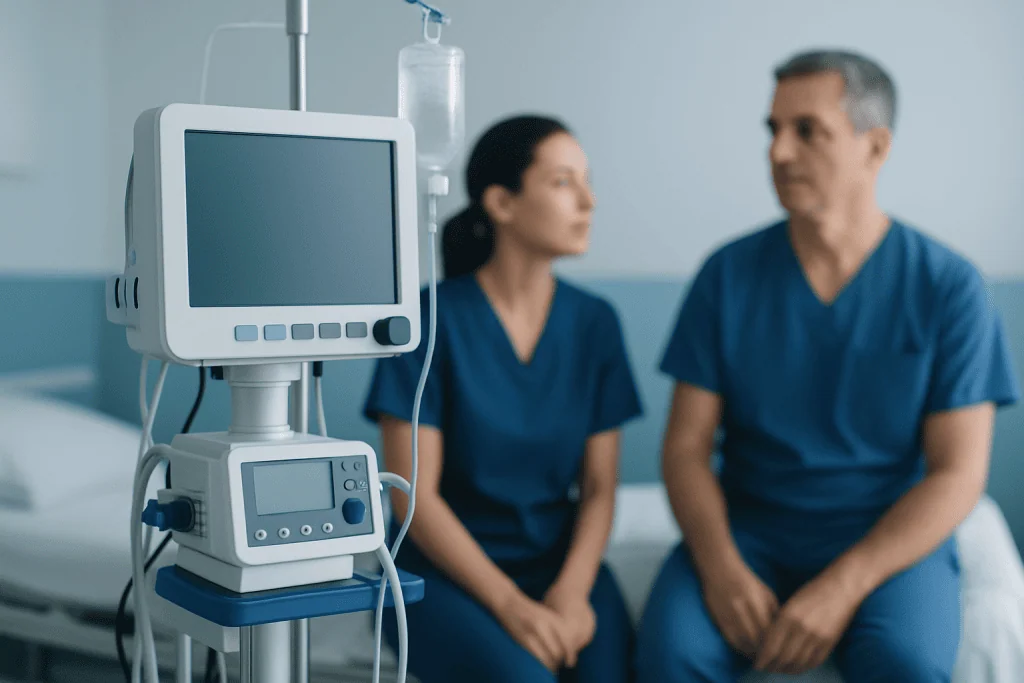
The most useful documents are usually the ones that explain your current diagnosis, what has already been done, and what question you want the hospital to answer. Think in terms of giving the team a clear snapshot of your present situation, not your entire lifetime medical file unless it is directly relevant.
In many cases, the following records are especially helpful:
- Recent doctor reports or consultation notes
- A confirmed or suspected diagnosis
- Pathology reports, if relevant
- Imaging reports and, when possible, the actual image files on CD, USB, or secure upload
- Blood test results and other recent lab work
- A list of current medications and allergies
- Information about previous surgeries, treatments, or hospitalizations related to the same problem
If you are requesting a quote for surgery, cancer care, orthopedics, cardiology, neurology, fertility treatment, or another specialist pathway, disease-specific records become even more important. For example, an imaging report alone may not be enough if the specialist also needs operative notes, biopsy results, or details of your current symptoms.
Try to send the most recent versions available. A report from several months ago may still help, but if your symptoms, diagnosis, or treatment plan have changed, older records can make the quote less precise.
How to prepare your records before sending them

You do not need to prepare records like a medical professional. What helps most is making them complete, readable, and logically organized. If your files are scattered across email threads and phone photos, take a little time to sort them first. This can speed up the review and reduce repeated requests for the same documents.
A simple way to organize everything is to group files by type: consultation reports, lab results, imaging, pathology, prescriptions, and prior treatment records. Label each file with a date and short description, such as MRI lumbar spine March 2026 or cardiology consultation April 2026. If documents are in another language, send them anyway; the hospital may still be able to review them, and international patient teams can advise whether translation is needed.
It also helps to add a short personal summary in plain language. In two or three paragraphs, explain your main diagnosis or symptoms, when the problem started, which treatments you have already tried, and what you want to know now. For example, you may be asking whether you are a candidate for treatment, what tests may be required on arrival, and what the likely price range is.
At Acibadem International, international patient services often help guide patients on which records are most relevant for a particular specialty. This is useful if you are unsure whether to send everything or only selected reports.
What details to include besides medical records
A medical quote from abroad is not based only on test results. Practical details matter too, because they can affect the route of care. Along with your records, include your age, country of residence, contact details, and preferred language for communication. If you have a target travel window, mention that as well.
You should also explain your treatment goal as clearly as possible. Are you looking for an initial opinion, a second opinion, surgery planning, chemotherapy evaluation, a diagnostic work-up, or follow-up after treatment elsewhere? The same diagnosis can lead to different quote structures depending on what you actually need.
If you have already been told that you may need more than one specialist, mention that. Multidisciplinary review can be important for complex cases, and in a large hospital group such as Acibadem International, this may involve coordinated input from different departments. Knowing this in advance helps the team prepare a more useful estimate and a more realistic timeline.
Finally, let the hospital know about any mobility needs, interpreter requirements, or special travel considerations. These details may not change the medical fee itself, but they can shape the practical support you need, such as wheelchair assistance, accommodation guidance, or scheduling support.
What can make a quote less accurate
Even when a hospital is trying to help quickly, some common issues can limit accuracy. The biggest one is incomplete information. If only one page of a report is sent, or if imaging is mentioned but not attached, the team may only be able to give a general estimate rather than a tailored one.
Another issue is sending records that do not reflect your current condition. For example, if you had a scan before a new symptom appeared, or if treatment has already started since the report was written, the old document may not tell the full story. Quotes can also shift if your diagnosis is still uncertain and further tests are needed before treatment can be confirmed.
File quality matters more than many people expect. Blurry phone photos, missing pages, unnamed attachments, and screenshots without dates can slow down review. If possible, send scans or PDFs rather than compressed images. For radiology, both the written report and the actual image files can be important.
Finally, remember that an initial quote is usually based on the information available at that moment. Once you arrive, the doctor may recommend additional testing, a different treatment plan, or a longer or shorter stay based on direct examination. JCI-accredited hospitals such as those in the Acibadem International network follow safety-focused processes, so treatment recommendations are expected to reflect the most up-to-date clinical assessment, not only the first email exchange.
How international patient teams can make the process easier
Requesting care in another country can feel overwhelming, especially if you are dealing with a serious diagnosis or a time-sensitive decision. This is where an international patient team can be especially helpful. Instead of trying to guess what to send, you can ask for a document checklist tailored to your specialty and situation.
International coordinators often act as the practical bridge between you and the hospital. They can explain how to submit reports securely, clarify whether translations are needed, and tell you if specialists are likely to require additional tests on arrival. They may also help with non-medical planning such as travel timing, airport transfer information, accommodation suggestions, and interpreter support.
At Acibadem International, patients often use these services to organize both the quote request and the travel pathway. This can be reassuring if you are comparing options in Turkey or Istanbul and want a clear sense of what is included, what may still depend on doctor review, and how to prepare before you book flights.
The best approach is to treat the quote request as the start of a conversation, not just a price question. The more openly you share your goals, concerns, and practical constraints, the more useful the response is likely to be.
Before you book travel: how to use the quote wisely
Once you receive a quote, read it carefully and check what it is based on. Ask whether it reflects document review only, whether an in-person consultation is still required before final planning, and whether additional tests might be needed on arrival. This helps you distinguish between an initial estimate and a more treatment-ready plan.
It is also sensible to confirm what is included in the figure you received. Depending on the case, you may need to ask separately about consultations, imaging, laboratory tests, hospital stay, anesthesia, pathology, medications, follow-up visits, or rehabilitation. You do not need to expect every detail immediately, but you should understand the main scope and the likely reasons a total could change.
If you are traveling from abroad, use the quote together with practical planning. Consider how many days you may need in Turkey, whether you should bring a companion, and what records to carry in printed or digital form. Keep copies of your passport, insurance details if relevant, and your communication with the hospital.
Most importantly, leave room for medical judgment. A careful hospital will not promise a final treatment cost before the specialists have enough information to assess you properly. A more accurate quote usually comes from better records, but safe care still depends on final clinical evaluation after review or examination.
Step by step
- Gather your most recent medical records. Start with the newest reports related to your current problem, not every historical document you own. Focus on diagnosis notes, specialist letters, tests, imaging reports, pathology if relevant, and details of any treatment you have already had.
- Add a short personal medical summary. Write a simple timeline in your own words: when symptoms began, what diagnosis you were given, what treatments were tried, and what you want help with now. This helps the coordinator and specialists understand your case faster.
- Organize and label your files clearly. Rename documents with dates and document types so they are easy to review. If you have scans or radiology images, include both the written report and the image files whenever possible.
- Send practical details with your request. Include your age, country, preferred language, travel timeframe, and whether you are asking for a second opinion, surgery planning, or another type of care. Mention any mobility needs or special support you may require.
- Ask what is missing before expecting a final figure. If the hospital says the quote is provisional, ask which records or tests would improve accuracy. This gives you a clear path forward instead of leaving you unsure why the estimate is broad.
- Review the quote and its assumptions carefully. Check what is included, what may depend on doctor examination, and whether extra testing on arrival is likely. Use this information to plan your budget, travel dates, and expected length of stay more realistically.
Your checklist
- Recent consultation or specialist reports
- Confirmed or suspected diagnosis
- Recent blood tests and relevant lab results
- Imaging reports plus image files if available
- Pathology or biopsy reports if relevant
- Current medication and allergy list
- Summary of previous surgeries or treatments for the same condition
- Short personal timeline of symptoms and treatment goals
- Passport and contact details for travel coordination
Key takeaways
- A medical quote from abroad is usually more accurate when you send recent, relevant, and readable records.
- The most helpful documents often include doctor reports, diagnosis details, labs, imaging, pathology, and prior treatment history.
- Your own short summary and clear treatment goal can make the review process faster and more useful.
- Initial estimates may still change after in-person examination or additional tests on arrival.
- International patient teams can help you organize records, understand missing items, and plan travel more confidently.
Frequently asked questions
Do I need to send every medical record I have?
Usually no. It is more helpful to send the records that are most relevant to your current condition, especially recent reports, test results, imaging, and prior treatment information related to the same issue. If the team needs older records, they will typically let you know.
Are imaging reports enough, or should I send the actual scan files too?
If possible, send both. The written report is useful, but specialists may also want to review the original images, especially for orthopedic, neurological, oncological, or surgical cases. Having both can improve the quality of the preliminary assessment.
What if my records are not in English?
Send them anyway unless you have been told otherwise. International patient departments often review what they can first and then advise whether translation is required for certain documents. If translation is needed, ask which records should be prioritized.
Can the hospital give me a final treatment cost before I travel?
Sometimes a strong estimate is possible, but a final cost is not always available before doctor examination or additional testing. This is especially true when the diagnosis is not fully confirmed or the treatment plan may change based on in-person assessment. A careful quote should explain whether it is preliminary.
How recent should my test results be?
The more current, the better, especially if your condition is active or changing. In general, recent reports are preferred because they reflect your present situation more accurately. If your newest results are several months old, ask whether updated testing would help refine the estimate.
Will sending better records make the reply faster as well as more accurate?
Often yes. Clear, complete files reduce the need for repeated follow-up questions and help coordinators route your case to the right specialty team more quickly. This can be especially helpful when you are planning travel to Turkey or Istanbul on a tight timeline.
How can Acibadem International help with this process?
Acibadem International supports overseas patients with practical coordination around medical review, document collection, interpreter needs, and travel planning. Within its JCI-accredited hospital network, coordinators can help you understand which records are most useful for your quote request and what may still need confirmation after specialist review.
Add us as a Preferred Source to see more of our trusted health content across Google Search, AI Overviews and Discover.
More Patient Guides

Turkey Medical Travel Budget Checklist: Beyond the Treatment Quote
Turkey medical travel budget checklist: plan beyond the treatment quote with flights, hotel, transfers, tests, recovery needs and payment timing in Turkey.
9 min read
How to Compare Surgery Packages in Turkey Beyond the Headline Price
Surgery packages in Turkey should be compared by what is included, who provides care, and follow-up support—not headline price alone.
9 min read
Comparing Medical Quotes from Hospitals in Turkey: How to Spot Meaningful Differences
Comparing medical quotes from hospitals in Turkey means checking what is included, excluded and coordinated—not just the lowest total price.
9 min read