Migraine Without Aura: Common Symptoms, Triggers, and Treatment Options

Migraine without aura causes repeated headache attacks without the warning neurological symptoms known as aura. Common symptoms include one-sided or generalized throbbing pain, nausea, and sensitivity to light, sound, or movement.
Key Takeaways
- Migraine without aura causes repeated headache attacks without the warning neurological symptoms known as aura.
- Common symptoms include one-sided or generalized throbbing pain, nausea, and sensitivity to light, sound, or movement.
- Triggers vary from person to person and may include stress, lack of sleep, hormonal changes, dehydration, or certain foods.
- Diagnosis is mainly based on medical history, symptom pattern, and ruling out other causes of headache.
- Treatment may include medicines to stop attacks, preventive therapies, and lifestyle changes that reduce frequency.
Migraine without aura is the most common type of migraine and often causes moderate to severe, throbbing head pain with nausea or sensitivity to light and sound. Although attacks can be disruptive, many people improve with the right diagnosis, trigger management, and a personalized treatment plan.
Overview
Migraine without aura is a neurological headache disorder that causes repeated attacks of head pain and related symptoms, but without the temporary visual or sensory disturbances called aura. It is the most common form of migraine. The pain often feels throbbing or pulsating and may interfere with work, school, family life, and sleep.
An attack can last for hours or even a few days. Many people feel worse with physical activity and prefer to rest in a quiet, dark room. In addition to headache, migraine without aura commonly causes nausea, vomiting, and sensitivity to light or sound.
Migraine is more than a “bad headache.” It involves changes in how the brain processes pain and responds to internal and external triggers. Symptoms and attack frequency can vary widely from one person to another, which is why treatment is usually individualized.
Symptoms
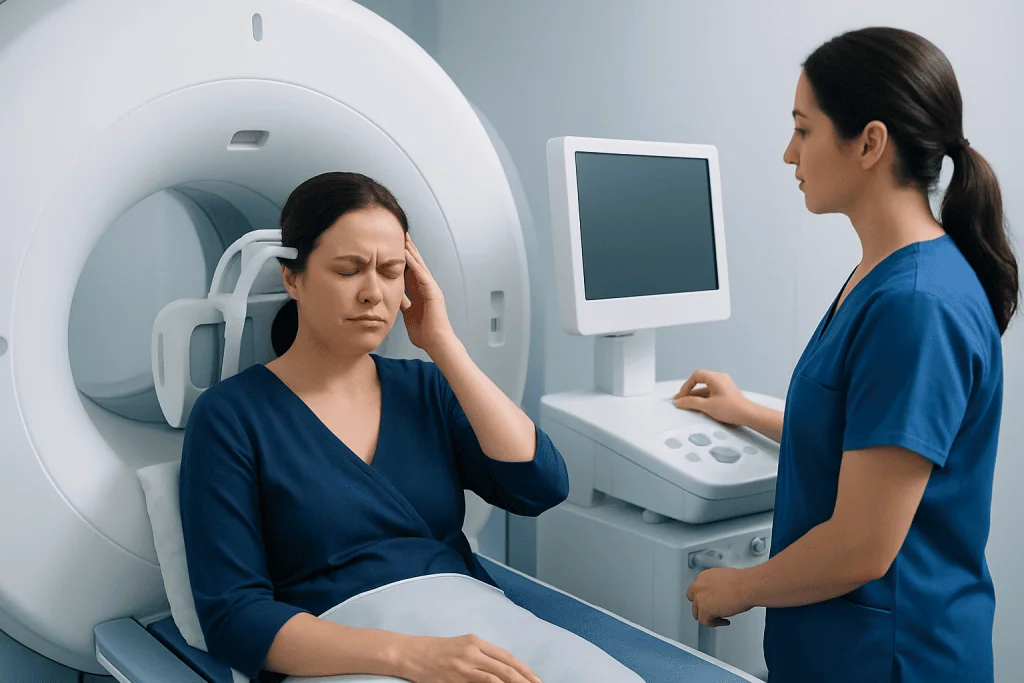
The main symptom of migraine without aura is a headache attack that often develops gradually and reaches moderate or severe intensity. The pain may affect one side of the head, both sides, or shift from one side to the other. Many people describe it as throbbing, pounding, or pulsing.
Typical migraine features include nausea, vomiting, and increased sensitivity to light, sound, or smells. Routine activity such as walking upstairs, bending over, or exercise may make the pain worse. Some people also feel tired, have trouble concentrating, or notice neck discomfort during an attack.
Symptoms commonly seen with migraine without aura include:
- Throbbing or pulsating head pain
- Moderate to severe headache intensity
- Nausea and sometimes vomiting
- Sensitivity to light, sound, or odors
- Worsening with movement or physical activity
- Fatigue, brain fog, or reduced appetite
Even without aura, some people notice subtle changes before or after an attack. These may include mood changes, food cravings, yawning, or feeling drained afterward. If symptoms are changing or becoming more severe, a doctor should review them.
Causes and Risk Factors

The exact cause of migraine without aura is not fully understood, but it is believed to involve a combination of genetic predisposition and changes in the brain’s pain pathways. Nerves, blood vessels, and chemical messengers in the brain all appear to play a role. Migraine often runs in families, suggesting an inherited tendency in many cases.
Triggers do not cause migraine in everyone, but they can set off an attack in someone who is susceptible. Common triggers include emotional stress, changes in sleep, skipped meals, dehydration, hormonal fluctuations, strong smells, bright lights, weather changes, and alcohol. Some people are sensitive to specific foods, but triggers are highly individual.
Risk factors and common triggers may include:
- Family history of migraine
- Female sex and hormonal changes
- Stress or sudden let-down after stress
- Poor sleep, shift work, or jet lag
- Skipping meals or dehydration
- Caffeine overuse or caffeine withdrawal
- Certain medications or frequent painkiller use
People who have frequent headaches should be assessed for medication-overuse headache, which can develop when pain relievers are used too often. Other headache types may overlap with migraine, including tension headache, so an accurate diagnosis is important.
How Migraine Without Aura Is Diagnosed
Doctors usually diagnose migraine without aura based on a detailed medical history and the pattern of symptoms. They ask about the location and quality of the pain, how long attacks last, associated symptoms, possible triggers, and how often headaches occur. A headache diary can be very helpful because it shows timing, severity, and possible patterns.
A physical and neurological examination is often performed to look for signs that another condition may be causing the headache. In many people with a typical migraine history and a normal neurological exam, no special test is needed. The diagnosis is generally clinical, meaning it is made from the symptoms and exam findings.
Imaging tests such as MRI or CT scans may be recommended if there are red flags, such as a sudden severe headache, new neurological symptoms, headache after head injury, fever, seizures, or a major change in the usual pattern. Doctors may also consider other causes such as cluster headache or sinus, eye, or vascular problems when symptoms are not typical.
Because migraine can be confused with other headache disorders, specialist evaluation can be useful when headaches are frequent, disabling, or difficult to control. In selected cases, a person may benefit from neurology evaluation to confirm the diagnosis and guide a long-term care plan.
Treatment Options
Treatment for migraine without aura usually has two goals: stopping individual attacks and preventing future ones. Acute treatment aims to relieve pain and other symptoms early in the attack. Common options may include over-the-counter pain relievers, anti-nausea medicines, or migraine-specific prescription treatments. The best choice depends on symptom severity, other medical conditions, and how often attacks occur.
Preventive treatment may be recommended if migraines are frequent, prolonged, or significantly disruptive. These treatments are taken regularly to reduce the number and intensity of attacks. Options may include certain blood pressure medicines, antidepressants, anti-seizure medicines, newer migraine-targeted therapies, or botulinum toxin in selected patients with chronic migraine.
Non-drug approaches are also important and may improve overall control. These can include regular sleep, hydration, exercise, stress reduction, and behavioral therapies. Some patients may also benefit from pain management support when headaches become persistent or affect quality of life.
When headaches are severe or uncertain in cause, a broader assessment may be needed to exclude other neurological problems. In that setting, brain and nerve surgery services are not a routine treatment for migraine, but they may be part of the evaluation pathway if another structural condition is suspected.
Prevention and Self-care
Self-care plays a central role in managing migraine without aura. Many people do better when they keep a regular daily routine with consistent sleep and meal times. Avoiding long gaps without eating, drinking enough water, and limiting excess alcohol can help reduce attacks.
Stress management matters because stress is one of the most commonly reported triggers. Relaxation techniques, breathing exercises, mindfulness, counseling, and regular physical activity may lower migraine frequency in some people. Sudden intense exercise can trigger headaches in some individuals, so gradual, sustainable activity is usually better.
A migraine diary can help identify personal triggers and monitor treatment response. Useful points to track include:
- Date and time of each headache
- Foods, drinks, sleep, and stress level beforehand
- Menstrual cycle timing if relevant
- Symptoms, severity, and duration
- Medicines taken and how well they worked
Frequent use of pain relievers without medical guidance can sometimes worsen headaches over time. If attacks are becoming more common or medicines seem less effective, a clinician should review the treatment plan rather than simply increasing medication use.
When to See a Doctor
Anyone with repeated headaches that interfere with daily life should speak with a doctor, especially if the headaches are new, worsening, or difficult to manage. Early evaluation can confirm whether the problem is migraine and help identify an effective plan. Specialist care may be useful for frequent attacks, chronic migraine, or headaches that do not respond to usual treatment.
Urgent medical attention is important for warning signs such as a sudden “worst headache,” weakness, confusion, fainting, seizure, fever, stiff neck, vision loss, or headache after a head injury. These symptoms do not necessarily mean a serious condition is present, but they should be assessed promptly.
Pregnant individuals, older adults with a new headache, and people with cancer, immune system problems, or major neurological symptoms should also be evaluated without delay. A doctor can help distinguish migraine from other causes and recommend safe treatment choices.
For international patients who need coordinated care, Acibadem International’s multidisciplinary specialists and JCI-accredited hospitals evaluate and treat headache disorders, including migraine, with individualized plans based on the patient’s history and needs.
Frequently asked questions
What is the difference between migraine without aura and migraine with aura?
Migraine without aura does not include the temporary warning symptoms known as aura, such as flashing lights, zigzag lines, numbness, or speech changes. The headache and associated symptoms can still be very disabling, even when aura is absent.
How long does a migraine without aura usually last?
An untreated migraine attack often lasts from several hours up to a few days. Duration varies from person to person and may be shorter when treatment is taken early.
Can migraine without aura cause nausea and sensitivity to light?
Yes. Nausea, vomiting, and sensitivity to light or sound are classic symptoms of migraine without aura. Some people also become more sensitive to smells or motion during an attack.
What are common triggers for migraine without aura?
Common triggers include stress, poor sleep, dehydration, skipped meals, hormonal changes, bright lights, strong smells, alcohol, and caffeine changes. Triggers are individual, so keeping a diary can help identify patterns.
When should someone worry about a migraine-like headache?
A doctor should urgently assess a headache that is sudden and extremely severe, occurs with weakness or confusion, follows a head injury, or comes with fever, seizures, or vision loss. New or changing headaches also deserve medical review, especially in older adults.
Can migraine without aura be prevented?
In many cases, yes. Prevention may involve regular sleep, hydration, meals, stress management, and medicines prescribed to reduce attack frequency. A clinician can help decide whether preventive treatment is appropriate.
References
- World Health Organization
- International Headache Society
- National Institute of Neurological Disorders and Stroke
- American Migraine Foundation
- Mayo Clinic
This article is for general information only and is not a substitute for professional medical advice. Please consult a qualified doctor about your individual situation.
Migraine in Turkey — costs, top hospitals & a free quote
JCI-accredited · board-certified surgeons · reply within 24h
Add us as a Preferred Source to see more of our trusted health content across Google Search, AI Overviews and Discover.