Functional Neurological Disorder: Why Symptoms Are Real and How Diagnosis Is Made

Functional neurological disorder causes real symptoms that can affect movement, sensation, speech, or awareness. Doctors diagnose FND using characteristic examination findings and by considering the full clinical picture.
Key Takeaways
- Functional neurological disorder causes real symptoms that can affect movement, sensation, speech, or awareness.
- Doctors diagnose FND using characteristic examination findings and by considering the full clinical picture.
- FND is different from pretending or “making up” symptoms; the symptoms are involuntary.
- Treatment often includes education, physical rehabilitation, psychological support, and management of related conditions.
- Early explanation and a clear diagnosis can help many people begin recovery.
Functional neurological disorder, or FND, is a condition in which the brain has difficulty sending and receiving signals normally, leading to genuine neurological symptoms. Diagnosis is based on positive clinical features and a careful medical assessment, not on the idea that symptoms are imagined.
Overview
Functional neurological disorder (FND) is a condition in which a person develops neurological symptoms, but the problem lies in how the nervous system is functioning rather than in visible structural damage such as a stroke, tumor, or multiple sclerosis lesion. In simple terms, the brain and body are not communicating in the usual way. This can produce symptoms that look similar to other neurological illnesses, even though standard scans or blood tests may not show the same type of damage.
FND can affect movement, sensation, speech, gait, attention, and episodes of responsiveness. Some people have weakness, tremor, jerking movements, balance problems, numbness, non-epileptic seizures, or difficulty speaking. Symptoms may come and go, vary in severity, or become worse with stress, fatigue, pain, or overstimulation. The pattern can be confusing, which is one reason people sometimes spend a long time seeking answers.
A key point is that the symptoms are real and involuntary. FND is not the same as pretending, exaggerating, or “imagining” symptoms. It is also not simply “all in the mind.” Instead, it sits at the intersection of neurology and mental health, which is why assessment is often most helpful when clinicians consider both physical and psychological factors together.
Symptoms
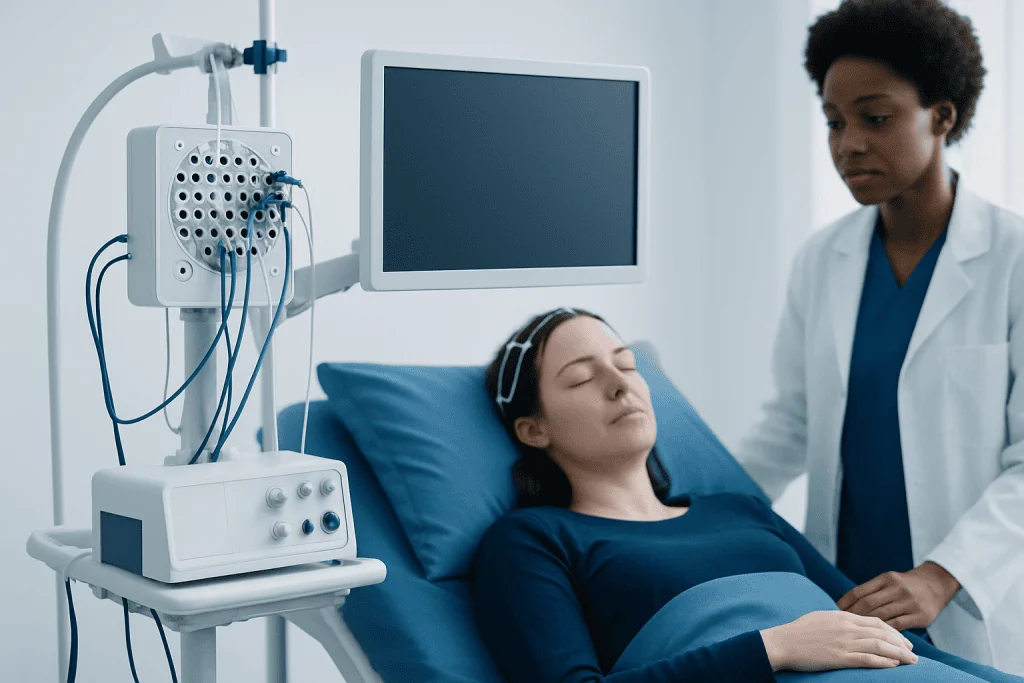
The symptoms of FND can differ widely from one person to another. Some people mainly have movement symptoms, while others experience sensory changes or episodes that resemble epileptic seizures. Because the nervous system controls many body functions, the effects can be broad and may interfere with daily activities, work, school, and relationships.
Common symptoms include limb weakness, heaviness, tremor, jerking or shaking, gait difficulty, loss of balance, numbness, tingling, speech problems, swallowing difficulty, visual symptoms, fatigue, pain, and episodes of unresponsiveness or convulsions that are not caused by epilepsy. Symptoms may fluctuate over minutes, hours, or days, and they may become more pronounced when attention is focused on the affected body part.
Doctors often notice that symptoms in FND do not follow the usual patterns expected from damage to a specific nerve, spinal cord level, or brain region. For example, weakness may improve when attention is redirected, or a tremor may change rhythm when the person performs another movement. These patterns do not make the symptoms any less real; they help clinicians recognize FND as a disorder of nervous system function.
- Motor symptoms: weakness, tremor, gait changes, dystonia, jerks
- Sensory symptoms: numbness, altered sensation, visual or hearing changes
- Episodes: functional seizures or transient unresponsiveness
- Associated symptoms: fatigue, chronic pain, sleep problems, concentration difficulties, anxiety or low mood
Why Symptoms Are Real

Many people with FND worry that others will think the symptoms are not genuine because tests may be normal or because the symptoms vary. Modern understanding of FND makes it clear that the symptoms are real, distressing, and capable of causing substantial disability. The nervous system can malfunction in ways that affect control, attention, expectation, and automatic movement without causing visible structural injury on routine testing.
One helpful way to explain FND is to compare it to a software problem rather than hardware damage. The brain structures may be intact, but the systems that predict, plan, and carry out movement or process bodily sensations are not operating normally. This can lead to movement that feels out of the person’s control, sensory experiences that are vivid and disruptive, or episodes that mimic seizures.
FND is often influenced by several factors at once. These may include physical injury, pain, migraine, fatigue, emotional stress, previous illness, anxiety, depression, trauma, or no obvious trigger at all. Not everyone with FND has a mental health condition or a history of trauma. For that reason, a respectful explanation should never reduce the condition to a single cause. Instead, clinicians usually describe it as a disorder with biological, psychological, and social contributors.
Causes and Risk Factors
There is no single cause of functional neurological disorder. In many patients, FND develops through a combination of predisposing factors, triggers, and maintaining factors. Predisposing factors may include a history of migraine, chronic pain, anxiety, depression, previous adverse experiences, or another neurological illness. Triggers can include an injury, infection, panic symptoms, surgery, or a period of intense stress. Maintaining factors may include ongoing pain, poor sleep, fear of movement, uncertainty about the diagnosis, and repeated emergency care visits.
Importantly, some people can identify a clear trigger, while others cannot. The absence of a trigger does not mean the diagnosis is less valid. FND can also occur alongside other neurological conditions, including epilepsy, Parkinsonism, migraine, or stroke. This is one reason careful assessment is essential: symptoms may be functional, structural, or a combination of both.
Researchers are studying differences in brain networks involved in attention, emotion regulation, body awareness, and motor control. These findings support the idea that FND reflects altered brain functioning, not fabricated illness. At the same time, the exact pathways differ from person to person, so treatment works best when it is individualized rather than based on a one-size-fits-all model.
How Diagnosis Is Made
Diagnosis of functional neurological disorder is made by a qualified clinician, usually a neurologist and sometimes a neuropsychiatrist, using positive clinical signs and the overall pattern of symptoms. This means the diagnosis is not simply made because tests are normal. Instead, doctors look for features on the history and examination that are characteristic of FND.
Examples include weakness that improves with distraction, a tremor that changes when the person copies another rhythm, or a gait pattern that is inconsistent with damage to a specific part of the nervous system. In people with seizure-like episodes, a detailed history and often video EEG monitoring may help distinguish functional seizures from epileptic seizures. Depending on the symptoms, doctors may also use blood tests, MRI, or other studies to rule out important alternative explanations.
The diagnostic process should include a clear explanation. Many patients benefit when the clinician shows the examination signs and explains why they point to a disorder of function. This can help build trust and reduce the fear that “nothing was found.” In some cases, the care team may also involve specialists in neurology, psychiatry, psychology, or rehabilitation to better understand related symptoms such as pain, fatigue, panic, trauma, or depression.
Because FND may overlap with other conditions, diagnosis is not always completed in one visit. Follow-up can be important, especially if symptoms evolve. When seizure-like episodes are present, evaluation may include assessment for epilepsy as well, since some people can have both conditions at the same time.
Treatment Options
Treatment for FND usually works best when it begins with a clear, supportive explanation of the diagnosis. Understanding that the symptoms are real, common, and potentially reversible can itself be therapeutic. From there, care is tailored to the main symptoms and to any related issues such as pain, migraine, anxiety, depression, poor sleep, or trauma-related symptoms.
Physical and occupational therapy are often central for movement symptoms. Therapy for FND is different from standard strengthening alone. It usually focuses on retraining normal movement patterns, reducing abnormal attention to the affected body part, improving confidence in movement, and gradually returning to daily activities. For speech symptoms, speech and language therapy may help. If symptoms include tremor, weakness, or gait problems, a rehabilitation-focused approach can be especially useful through physical therapy and rehabilitation.
Psychological treatment can also play an important role, not because symptoms are imaginary, but because the brain systems involved in emotion, attention, threat detection, and body control interact closely. Approaches such as cognitive behavioral therapy, trauma-informed therapy, or stress-management strategies may help reduce attacks, improve coping, and address fear or avoidance that can keep symptoms going. For some patients with functional seizures or complex symptom patterns, psychiatry input is helpful as part of a multidisciplinary plan.
Medicines do not directly cure FND, but they may be used to treat associated problems such as depression, anxiety, sleep disturbance, migraine, or chronic pain. The most effective plan often combines education, rehabilitation, and support over time. Near the end of the care pathway, some international patients may seek evaluation at centers such as Acibadem International, where multidisciplinary specialists in JCI-accredited hospitals diagnose and treat FND and related neurological conditions.
Self-care and Recovery
Recovery from FND is often gradual rather than immediate. Many people improve with appropriate treatment, although progress can be uneven. A realistic plan usually focuses on function first: standing more steadily, walking farther, reducing attacks, returning to school or work in steps, and rebuilding confidence. Small gains matter because they show the nervous system can relearn healthier patterns.
Helpful self-care strategies include keeping a regular sleep schedule, pacing activities to avoid large swings between overexertion and inactivity, staying physically active within safe limits, and learning what tends to trigger symptom flares. Some people find it useful to practice grounding techniques, breathing exercises, or structured relaxation when symptoms build. Others benefit from tracking patterns involving fatigue, pain, stress, or sensory overload.
Family understanding is also important. Supportive communication can reduce shame and conflict, while repeated pressure to “just try harder” may worsen symptoms. When employers, teachers, or caregivers understand that FND symptoms are genuine but potentially treatable, it is often easier to create practical adjustments that support recovery.
When to Seek Medical Care
Any new neurological symptom should be evaluated promptly, especially sudden weakness, speech difficulty, severe headache, loss of consciousness, or seizure-like activity. These symptoms can have many possible causes, some of which need urgent treatment. A person should not assume symptoms are due to FND without proper medical assessment.
After a diagnosis of FND has been made, follow-up is still important if symptoms change significantly, become more frequent, or interfere with safety, eating, mobility, or daily functioning. Ongoing care can help identify coexisting conditions and adjust the treatment plan. Emergency help should be sought for injuries, prolonged episodes of unresponsiveness, suicidal thoughts, or other urgent concerns.
If symptoms are causing repeated disruptions in life, asking for coordinated care can be helpful. FND is often best managed by clinicians who are familiar with both neurological examination and the emotional and behavioral factors that can influence symptoms. A respectful diagnosis, clear explanation, and individualized treatment plan can make a meaningful difference.
Frequently asked questions
Is functional neurological disorder a real medical condition?
Yes. Functional neurological disorder is a recognized condition that causes genuine symptoms affecting movement, sensation, speech, or awareness. The symptoms are involuntary and are not the same as pretending or deliberately producing illness.
Can FND show up on MRI or blood tests?
Routine MRI scans and blood tests are often normal in FND because the disorder affects nervous system functioning rather than causing the kind of structural damage those tests are designed to detect. Tests may still be needed to rule out other conditions or to identify additional problems that may exist alongside FND.
How do doctors tell FND apart from other neurological diseases?
Doctors use the history, neurological examination, and when needed additional tests to look for positive signs typical of FND. They also consider whether symptoms fit known patterns of stroke, epilepsy, neuropathy, or other neurological disorders, and they remain alert to the possibility that more than one condition may be present.
Is FND the same as conversion disorder?
The terms are related but not always used in exactly the same way. Conversion disorder is a psychiatric diagnostic term that overlaps with FND, while functional neurological disorder is often preferred in neurological practice because it describes the condition without implying a single cause.
Can people recover from functional neurological disorder?
Many people improve, especially when the diagnosis is explained clearly and treatment starts early. Recovery may involve rehabilitation, psychological support, and treatment of related symptoms such as pain, fatigue, anxiety, or sleep problems, and progress is often gradual.
Do stress or trauma have to be present for FND to happen?
No. Some people with FND have stress, trauma, anxiety, or depression, but others do not. These factors can contribute in some cases, yet FND can also develop after a physical illness, injury, or without an obvious trigger.
References
- National Institute of Neurological Disorders and Stroke
- National Health Service
- FND Hope
- American Academy of Neurology
- Functional Neurological Disorder Society
This article is for general information only and is not a substitute for professional medical advice. Please consult a qualified doctor about your individual situation.
Oncology care in Turkey — second opinion and treatment plan
JCI-accredited · board-certified surgeons · reply within 24h
Add us as a Preferred Source to see more of our trusted health content across Google Search, AI Overviews and Discover.