

How to Manage Special Diets in Turkey During Treatment and Recovery

Special diets in Turkey are manageable during treatment and recovery with planning, translation help, and hospital support in Istanbul and beyond.
Managing a special diet in Turkey during treatment is usually very workable when you plan ahead, share your needs clearly, and use your hospital’s international patient support. With the right preparation, you can stay nourished, avoid common food mix-ups, and make recovery meals simpler while you focus on healing.
At a glance
- Best time to prepare: 1-2 weeks before travel
- Who to inform: Your doctor, care coordinator, nurse, and companion
- Most helpful tool: A written diet card in English and Turkish
- Common needs supported: Diabetic, low-salt, gluten-free, vegetarian, allergy-aware, texture-modified
- Why it matters: Diet can affect comfort, recovery, medication timing, and safety
Start with your medical team, not the menu
If you follow a special diet, the safest first step is to discuss it with your treatment team before you travel or as soon as your trip is confirmed. Your needs may be linked to allergies, diabetes, kidney disease, digestive issues, religious preferences, swallowing difficulty, or recovery instructions after a procedure. The details matter, because the right plan depends on your medical condition, your treatment schedule, and what you can safely eat before and after care.
Try to describe your diet in a practical way rather than only using broad labels. For example, instead of saying “I have a sensitive stomach,” explain which foods cause problems, whether you need soft foods, whether you must avoid dairy, or whether you need meals at specific times for blood sugar control. If you have a food allergy or a medically necessary restriction, say that clearly and ask for it to be documented in your records.
At Acibadem International, international patient teams can help you share these details with the hospital in advance so the care team understands your needs from the beginning. This is especially useful if your treatment includes fasting instructions, medication changes, or a recovery period when your usual diet may need temporary adjustments.
Know what to prepare before you arrive
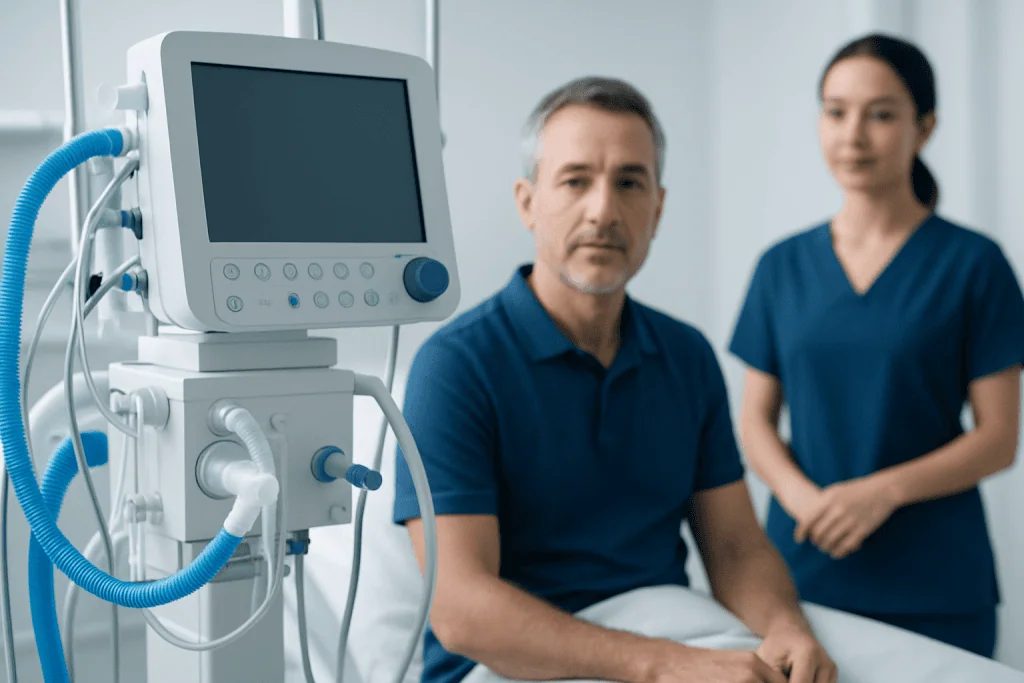
A little preparation can prevent a lot of stress once you are in Turkey. Bring a short written summary of your dietary needs in simple English, plus a translated Turkish version if possible. Include your allergies, foods you must avoid, foods that are usually safe, and any timing needs such as eating with medication or keeping regular meals for diabetes.
If you use specialist nutritional products, protein drinks, gluten-free staples, or a very specific brand of formula, ask in advance whether they will be available locally or whether you should bring an unopened supply with you. Keep all items in original packaging where possible, and check airline and customs rules before travel. For supplements, it is wise to carry a list of ingredients and discuss them with your doctor, since some may need to be paused around treatment.
You should also think about practical backup options. Pack a few travel-safe snacks that fit your diet, such as plain crackers, sealed gluten-free products, nut-free snacks if appropriate, or approved nutrition drinks. Even if hospital meals are arranged, having something familiar can help during travel delays, late arrivals, or the first day after discharge.
Managing meals in hospital and during recovery
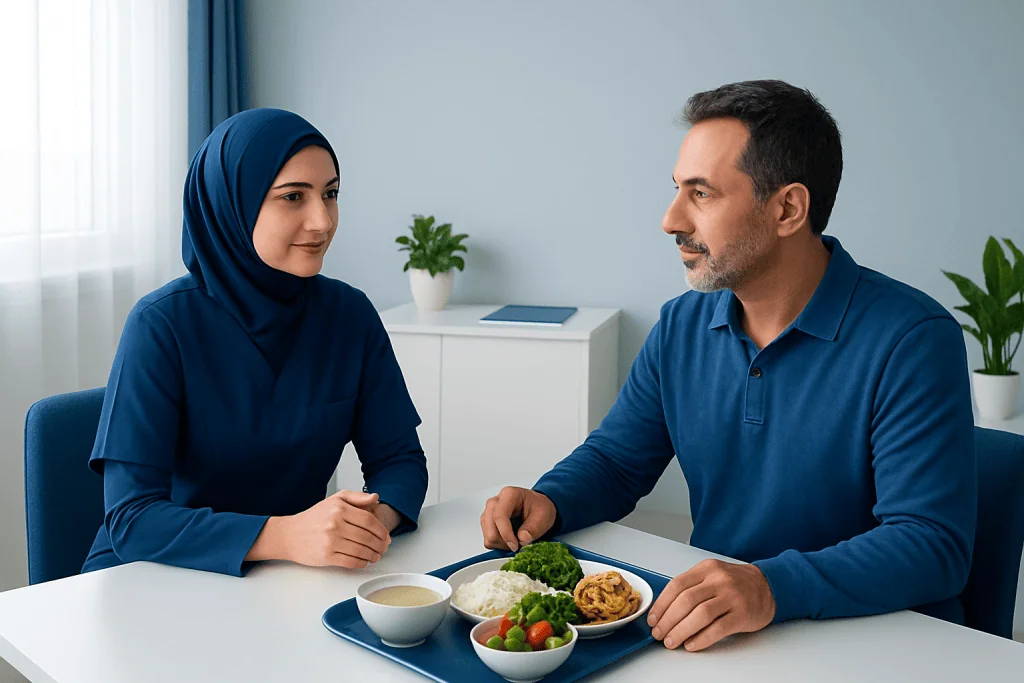
During your hospital stay, meal planning may change depending on your treatment. You may need to fast before a procedure, start with liquids afterward, or move gradually to soft or regular foods. It is important to follow the medical instructions you receive rather than returning immediately to your usual routine, even if you feel hungry or are eager to eat familiar foods again.
If your diet is medically important, remind the nurse and care team when you are admitted and again if your meals arrive differently from what you expected. Hospitals are busy environments, and polite repetition can be helpful. Ask what the plan is for the first 24 to 48 hours after treatment so you and your companion know whether to expect clear fluids, lighter meals, smaller portions, or temporary restrictions.
Acibadem International hospitals support international patients with coordinated services, and that can make meal-related communication much easier. Interpreters and patient coordinators can help clarify dietary instructions, explain local meal options, and reduce misunderstandings about ingredients, textures, or meal timing during recovery.
- Ask whether your diet note is visible in your chart.
- Confirm any allergy-related restrictions at admission.
- Check when you can safely resume normal eating.
- Request guidance if nausea, constipation, or poor appetite affects intake.
Eating safely outside the hospital in Turkey
If you are recovering in a hotel, residence, or apartment, food choices outside the hospital matter just as much. Turkey offers many fresh foods, but ingredients and preparation methods can vary, especially in soups, sauces, breads, desserts, and grilled dishes. If you have allergies or strict dietary restrictions, do not assume a dish is safe based only on its name or appearance.
Simple meals are often easiest to manage during recovery. Plain grilled proteins, rice, yogurt if tolerated, cooked vegetables, bananas, soups with clear ingredients, eggs, and basic breakfast items may be more comfortable than rich, spicy, or heavily fried foods. If you are advised to eat lightly, ask for food to be prepared simply and without extra butter, sauces, or seasoning if needed.
When language is a concern, use a written translation card and keep it with you. It should say exactly what you cannot eat and how serious the issue is. If you are traveling with a companion, ask them to help double-check orders. International patient support teams at Acibadem International can often offer practical guidance on accommodation, nearby food options, and local logistics that make day-to-day recovery smoother.
Handling common special diets and food concerns
Different diets create different challenges, so it helps to think in categories. If you have diabetes, the key issue is often meal timing, carbohydrate consistency, and knowing what to do if fasting is required for tests or procedures. If you are gluten-free, the main concern may be hidden gluten in bread, soups, sauces, or cross-contact during preparation. If you have a renal, low-salt, or low-fat diet, portion size and cooking method may be as important as the food itself.
For vegetarians or people following religious dietary rules, the challenge is often confirming broths, meat-free preparation, or hidden animal ingredients. If you have food allergies, be especially careful with mixed dishes, desserts, baked goods, and shared preparation areas. For texture-modified diets after treatment, focus on whether foods are soft, smooth, easy to swallow, and suitable for your stage of recovery.
If your appetite is poor, speak up early. Recovery can affect taste, hunger, and digestion, and small practical changes can help. You may do better with smaller meals more often, room-temperature foods if nausea is present, or soft, protein-rich options if chewing is difficult. Your care team is the best source for advice tailored to your treatment and overall health.
What to do if something goes wrong
Even with planning, problems can happen. You may receive a meal with an ingredient you avoid, feel unwell after eating, realize your snacks are running low, or find that your appetite is much lower than expected. The important thing is to address the issue quickly rather than trying to manage alone while recovering.
If a meal does not match your diet, do not eat it until it has been checked. Tell the nurse, patient coordinator, or restaurant staff exactly what the problem is. If you have an allergy and think you may have eaten the wrong ingredient, seek medical help immediately and follow your usual emergency plan if you have one. If you carry emergency medication, keep it accessible and tell your companion where it is.
If your problem is less urgent, such as constipation, nausea, poor fluid intake, or difficulty tolerating regular food, ask your care team for advice. They may suggest temporary meal adjustments, hydration strategies, or timing changes around medication. You do not need to guess your way through recovery, and getting help early usually makes things easier.
Step by step
- Write down your exact dietary needs. Create a clear one-page list of foods you must avoid, foods you can safely eat, and any timing rules linked to medication or blood sugar. Be specific, especially for allergies, gluten-free needs, texture requirements, or fasting concerns.
- Send the information before you travel. Share your diet summary with your hospital contact, doctor, or international patient coordinator before arrival if possible. This gives the team time to add your needs to your care plan and flag anything that may affect treatment or recovery.
- Bring translations and backup snacks. Carry your dietary information in English and Turkish, along with a few safe, travel-friendly snacks that suit your plan. This is helpful at airports, during transfers, and in the first day or two if your appetite or schedule is unpredictable.
- Reconfirm your diet at admission. When you check in, tell the nurse and care team about your diet again, even if it was discussed earlier. Ask them to confirm that it is recorded correctly, especially if you have an allergy or medically necessary restriction.
- Ask what you can eat after treatment. Before discharge or when you are stable enough, ask exactly what foods and drinks are recommended for the next few days. Clarify whether you should start with liquids, soft foods, small portions, or avoid certain items temporarily.
- Keep meals simple during early recovery. For the first stage of recovery, simple foods are often easier to tolerate and easier to check for ingredients. Choose plain, familiar options and avoid experimenting with rich or complicated meals until your team says it is appropriate.
- Speak up quickly if something is not right. If your tray, restaurant order, or delivery meal seems unsuitable, ask before eating. If symptoms such as nausea, vomiting, allergy concerns, low blood sugar, or dehydration appear, contact your care team promptly.
Your checklist
- A written list of your dietary restrictions and allergies
- Turkish translation card for essential food warnings
- Safe travel snacks for the journey and first recovery day
- List of supplements or nutrition products you use
- Questions about fasting and post-treatment eating instructions
- Emergency allergy medication if prescribed for you
- Companion briefed on your diet and warning signs
- Hotel or apartment plan for simple recovery meals
Key takeaways
- Special diets in Turkey are usually manageable with early planning and clear communication.
- Tell your medical team about allergies, restrictions, and meal timing needs before arrival and again at admission.
- Bring a translated diet card and a small supply of safe snacks or specialist products if needed.
- Follow post-treatment eating instructions carefully, even if they temporarily differ from your normal routine.
- Use international patient support, interpreters, and your companion to help prevent food misunderstandings.
Frequently asked questions
Can I manage a gluten-free, diabetic, or allergy-aware diet in Turkey during treatment?
Yes, in most cases you can, but planning matters. The safest approach is to tell your hospital and coordinator in advance, explain your needs clearly, and bring written translations and backup snacks or specialist products if required.
Should I bring my own food or supplements?
For many people, bringing a small supply of safe, travel-friendly foods is useful, especially for the journey and the first recovery day. If you rely on specialist products or supplements, ask your doctor whether they are appropriate around treatment and whether you should pack them in original containers.
What if I need meals at specific times because of diabetes or medication?
Tell your care team and international patient coordinator as early as possible. Meal timing can be affected by tests, fasting instructions, and recovery routines, so it is important to have a plan for what to do if your normal schedule changes.
Will hospital staff understand my dietary restrictions if I do not speak Turkish?
They can usually support you much more effectively if your needs are written down clearly. At Acibadem International, interpreters and international patient services can help communicate important information about allergies, restricted ingredients, meal timing, and post-treatment diet instructions.
What foods are easiest during recovery outside the hospital?
That depends on your treatment, but many people do best with simple, plain foods at first. Soft, lightly prepared meals with familiar ingredients are often easier to tolerate than rich, spicy, fried, or heavily seasoned dishes.
What should I do if I am given the wrong meal?
Do not eat it until you have checked it with the nurse, coordinator, or staff member responsible for the meal. If you have an allergy or think you may already have eaten a problematic ingredient, seek medical help immediately and use your emergency medication if that is part of your personal plan.
Can my companion help with meal planning and food safety?
Yes, and that can be very helpful when you are tired or focusing on recovery. Your companion can keep your diet card handy, help check ingredients, ask questions when ordering food, and watch for any symptoms that mean you need medical advice.
Add us as a Preferred Source to see more of our trusted health content across Google Search, AI Overviews and Discover.
More Patient Guides

Managing Prescription Refills During a Treatment Stay in Turkey
Manage prescription refills during treatment in Turkey by bringing medication records, speaking with your care team early and using licensed pharmacies.
8 min read
Unexpected ICU Stay in Turkey: What Patients and Families Should Expect
Unexpected ICU stay in Turkey: learn what patients and families can expect, from communication and visiting to care updates and travel support.
8 min read
Choosing a Hospital Room in Turkey: Private Room, Companion Stay, and Practical Questions
Choosing a hospital room in Turkey is easier when you ask about privacy, companion stays, amenities, visiting rules and discharge planning early.
8 min read