Post-Infectious Cerebellitis: Dizziness, Unsteady Walking, and Recovery Outlook

Post-infectious cerebellitis usually develops after the body has recently fought an infection. Common symptoms include unsteady walking, poor coordination, dizziness, tremor, and speech changes.
Key Takeaways
- Post-infectious cerebellitis usually develops after the body has recently fought an infection.
- Common symptoms include unsteady walking, poor coordination, dizziness, tremor, and speech changes.
- Diagnosis often involves a neurological exam and may include MRI, blood tests, or spinal fluid testing to rule out other causes.
- Treatment focuses on the cause, symptom relief, monitoring, and rehabilitation when needed.
- Many patients recover well, although the recovery timeline can vary from days to months.
- Urgent assessment is important if symptoms are severe, worsening, or accompanied by headache, confusion, or weakness.
Post-infectious cerebellitis is a condition in which the cerebellum becomes inflamed after an infection, leading to problems with balance, coordination, and sometimes dizziness. It can be frightening when symptoms appear suddenly, but many people improve with careful medical evaluation, supportive treatment, and time.
Overview
Post-infectious cerebellitis is inflammation affecting the cerebellum, the part of the brain that helps control balance, coordination, posture, and the smooth timing of movements. It often appears after a recent viral or, less commonly, bacterial infection, when the immune response that helped fight the infection also affects cerebellar tissue. This can lead to sudden or subacute problems such as dizziness, clumsiness, and difficulty walking steadily.
The condition is seen more often in children, but it can also affect adolescents and adults. Symptoms may begin during recovery from an infection or shortly afterward. In many cases, the triggering infection has already improved by the time balance and coordination problems start, which can make the connection less obvious.
Post-infectious cerebellitis is different from some other causes of cerebellar inflammation because it is often linked to an immune reaction after infection rather than ongoing direct invasion of the brain by a germ. Even so, doctors take it seriously because other brain conditions can look similar at first. Careful evaluation is important to confirm the diagnosis and rule out emergencies such as stroke, toxic exposure, brain infection, or a structural problem.
Although symptoms can be unsettling, the outlook is often favorable. Many patients recover fully or nearly fully, especially when the cause is identified promptly and complications are not present. Follow-up may include neurology care and, when needed, rehabilitation support to help restore safe movement and confidence.
Symptoms
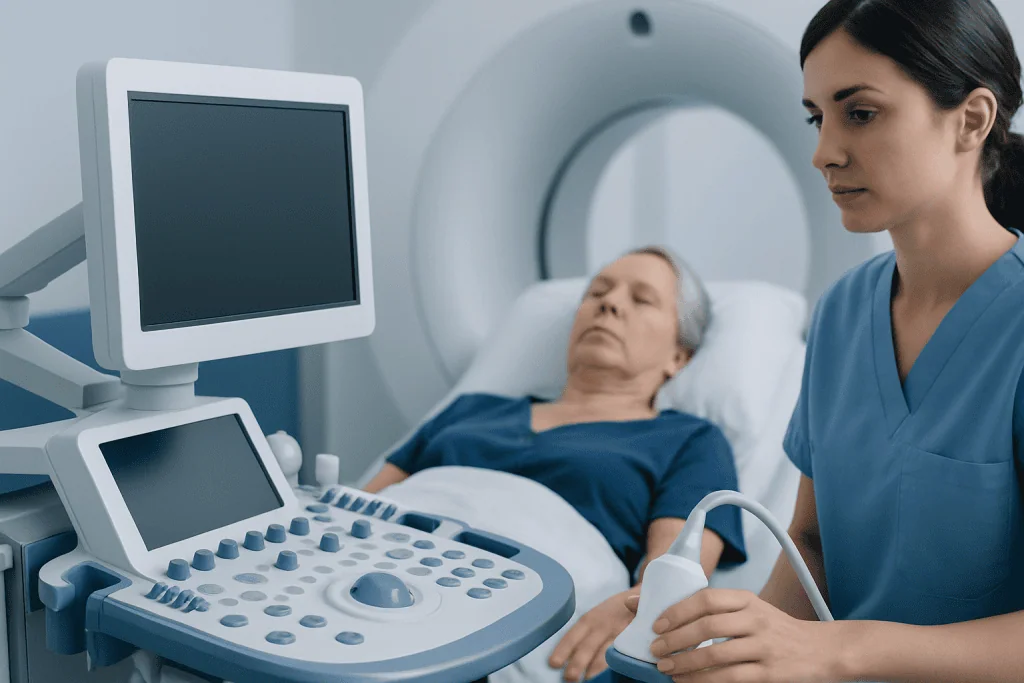
The hallmark symptoms of post-infectious cerebellitis relate to balance and coordination. A person may walk with a wide-based, unsteady gait, appear clumsy, or have trouble performing precise movements such as reaching for an object, buttoning clothing, or writing. These symptoms are often described as ataxia, a general term for impaired coordination.
Dizziness can also occur, though it is not always the spinning sensation typical of inner ear disorders. Some people feel off-balance, lightheaded, or as if their body is not moving the way they intend. Speech may become slower or slightly slurred if the muscles used for speaking are affected by poor coordination. Tremor during purposeful movement, such as bringing a cup to the mouth, may also be noticed.
Other possible symptoms include nausea, vomiting, headache, unusual eye movements, and fatigue. In children, parents may first notice frequent falls, reluctance to walk, or sudden difficulty sitting upright. Symptoms may range from mild to more pronounced, and they can develop rapidly over hours to a few days.
Because these features can overlap with vertigo and other neurological conditions, it is important not to assume the cause without assessment. Symptoms that suggest a need for urgent evaluation include confusion, drowsiness, seizures, severe headache, fever with neck stiffness, weakness on one side, or a sudden inability to stand or walk.
Causes and Risk Factors
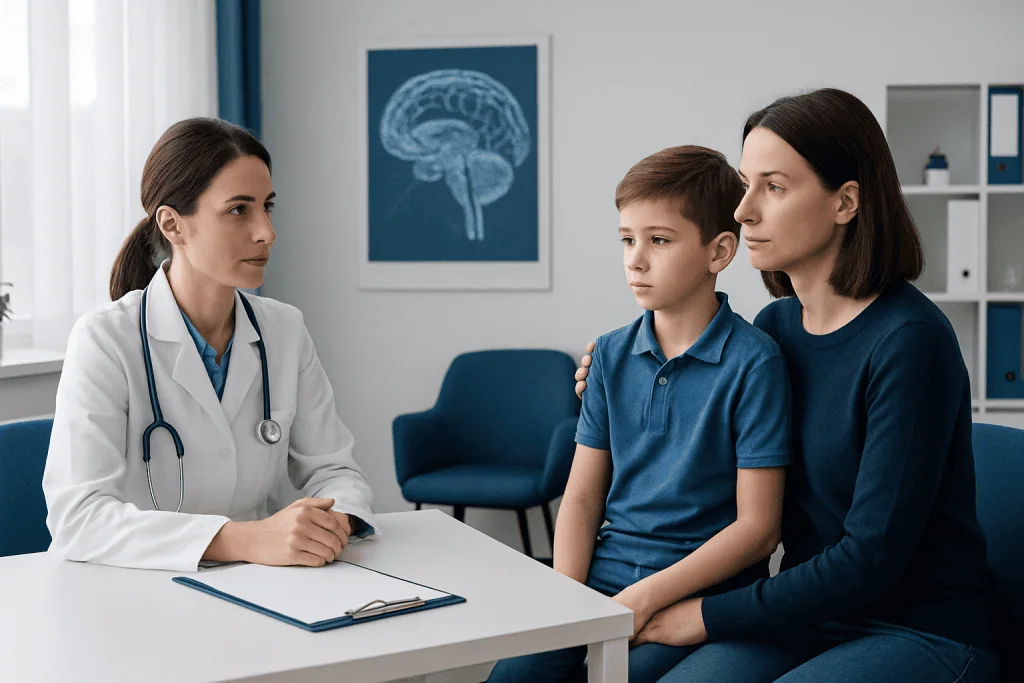
Post-infectious cerebellitis most often follows a recent infection, especially a viral illness. Viruses that have been associated with cerebellar inflammation include varicella-zoster virus, Epstein-Barr virus, influenza, enteroviruses, and other common childhood or seasonal infections. In some cases, the exact trigger is never identified, even after testing.
The term “post-infectious” suggests that symptoms arise after the infection because of an immune-mediated process. Instead of direct damage from the germ itself, the body’s defense system may temporarily react in a way that affects the cerebellum. This is one reason why neurological symptoms may begin after a fever, rash, sore throat, stomach illness, or respiratory infection has already started to improve.
Children are classically affected, but adults can develop it too. A recent infection is the main risk factor. Sometimes a person has no obvious severe illness beforehand and only recalls a mild cold, flu-like episode, or gastrointestinal infection. Immune system differences, age, and the specific infectious trigger may influence how the condition presents.
It is also important to separate post-infectious cerebellitis from other causes of cerebellar symptoms, such as medication side effects, alcohol or toxin exposure, autoimmune disease, metabolic disorders, migraine-related symptoms, stroke, tumors, or infections directly involving the brain. This distinction helps guide treatment and prognosis.
How Doctors Diagnose It
Diagnosis begins with a detailed medical history and neurological examination. Doctors ask about recent fever, rash, respiratory symptoms, diarrhea, vaccination history, medication use, toxin exposure, and the exact timing of balance problems. On examination, they assess gait, eye movements, coordination, speech, reflexes, and signs that might point to a problem outside the cerebellum.
Because several serious disorders can mimic post-infectious cerebellitis, tests are often used to exclude other causes. Brain imaging, especially MRI, may be recommended to look for inflammation and to rule out stroke, bleeding, masses, or other structural conditions. In some cases, MRI can appear normal even when symptoms strongly suggest cerebellitis, so doctors interpret results together with the clinical picture.
Additional testing may include blood work and, when appropriate, a lumbar puncture to examine cerebrospinal fluid for signs of infection or inflammation. If symptoms include prominent dizziness or abnormal eye movements, specialists may also evaluate whether an inner ear problem is contributing. When there is uncertainty, the diagnostic process may overlap with the workup for multiple sclerosis or other inflammatory neurological conditions, although these are distinct disorders.
The main goal is to identify the most likely cause while recognizing red flags early. Children or adults with severe symptoms, dehydration from vomiting, reduced alertness, or rapidly worsening coordination may need hospital-based monitoring during the diagnostic phase.
Treatment Options
Treatment depends on the severity of symptoms and whether doctors suspect an active infection, a post-infectious immune response, or another diagnosis entirely. Many patients mainly need supportive care, including rest, hydration, monitoring, and help preventing falls. If nausea or vomiting is significant, treatment may also focus on maintaining nutrition and fluids.
When an active infection is identified or strongly suspected, treatment is directed at that cause. In selected cases, clinicians may consider anti-inflammatory or immunomodulating treatment if the presentation suggests immune-mediated cerebellar inflammation, but the decision is individualized and based on the patient’s age, test results, and overall condition. Management is safest when guided by neurology and, when needed, infectious disease specialists.
Rehabilitation can play an important part in recovery. Physical therapy and rehabilitation may help improve gait, posture, strength, and confidence with movement. Some patients also benefit from speech and occupational therapy if speaking, swallowing, or fine motor tasks have become difficult.
If dizziness remains prominent, doctors may evaluate whether there is an overlapping vestibular problem and whether vestibular rehabilitation could be useful. Near the end of the care journey, some individuals are also referred for neurology rehabilitation if symptoms are slower to resolve. Acibadem International’s multidisciplinary specialists and JCI-accredited hospitals diagnose and treat neurological conditions for international patients when this level of coordinated care is needed.
Recovery Outlook and Possible Complications
The recovery outlook for post-infectious cerebellitis is often good, especially in otherwise healthy children with mild to moderate symptoms. Many people improve gradually over days to weeks, while others need several months for balance and coordination to return closer to normal. Recovery speed can depend on the trigger, the severity of inflammation, and whether complications were present.
During recovery, symptoms do not always disappear all at once. Walking may improve before fine hand coordination, or dizziness may settle while fatigue lingers. This gradual pattern can still be consistent with healing. Follow-up visits help doctors track progress and decide whether additional testing or rehabilitation is needed.
Some patients may have residual symptoms for a time, such as slight unsteadiness, tremor with precise movement, or reduced stamina. Persistent or worsening symptoms should prompt reassessment, because they may suggest a different diagnosis, incomplete recovery, or another neurological issue that needs attention.
Serious complications are less common but can occur, particularly if inflammation is severe or if another underlying condition is present. That is why new neurological symptoms should never be self-diagnosed. Early evaluation helps ensure that treatable causes are not missed and that recovery is supported as safely as possible.
Prevention and Self-Care
There is no guaranteed way to prevent post-infectious cerebellitis, but reducing the risk of infections can help. Practical measures include hand hygiene, staying up to date with routine vaccinations as advised by a doctor, and seeking timely care for significant infections. Vaccination helps prevent some infections that have been linked to neurological complications.
At home, safety is a key part of self-care during recovery. Because balance may be impaired, it may help to remove tripping hazards, use handrails, avoid climbing when dizzy, and have supervision for bathing or walking if falls are a concern. Children may need close observation until they can move safely again.
Rest, hydration, and gradual activity are often helpful. It is usually best to return to school, work, exercise, and driving only when symptoms are clearly improving and a doctor considers it safe. Pushing too hard too early can increase fall risk and make symptoms feel worse.
Families and patients should keep a simple record of symptoms such as walking ability, dizziness, speech changes, headaches, and new fever. This can be useful during follow-up visits and may help doctors judge whether the course is improving as expected.
When to See a Doctor
Anyone who develops sudden unsteady walking, new clumsiness, marked dizziness, or slurred speech after a recent infection should seek medical assessment promptly. While post-infectious cerebellitis is one possible explanation, similar symptoms can also occur with stroke, brain infection, toxin exposure, or other urgent neurological problems.
Immediate or emergency care is especially important if symptoms are severe, rapidly worsening, or accompanied by confusion, extreme sleepiness, seizures, severe headache, repeated vomiting, fever with neck stiffness, weakness, numbness, or trouble swallowing. These features can point to conditions that need urgent hospital evaluation.
Even milder symptoms deserve attention if they do not improve, keep returning, or interfere with normal walking and daily activities. A doctor can determine whether home monitoring is enough or whether tests and specialist referral are needed.
Parents should trust their instincts if a child suddenly refuses to walk, falls repeatedly, or seems unusually drowsy or irritable after an illness. Early assessment is the safest way to protect recovery and rule out more serious causes.
Frequently asked questions
What is post-infectious cerebellitis?
Post-infectious cerebellitis is inflammation of the cerebellum that appears after a recent infection. The cerebellum helps control balance and coordination, so people may develop unsteady walking, clumsiness, dizziness, or speech changes.
Is post-infectious cerebellitis the same as a stroke?
No, but the symptoms can sometimes look similar at first. Because sudden balance problems and slurred speech can also happen with stroke, a doctor should evaluate these symptoms urgently rather than assuming the cause.
How long does recovery usually take?
Recovery varies from person to person. Some improve within days or weeks, while others need several months, especially if symptoms were more severe or rehabilitation is required.
Can adults get post-infectious cerebellitis, or is it only in children?
It is more commonly described in children, but adults can also develop it. In both age groups, the diagnosis depends on symptoms, recent infection history, and tests used to exclude other causes.
Does dizziness always mean an inner ear problem?
No. Dizziness can come from the inner ear, the brain, medications, dehydration, or many other causes. In post-infectious cerebellitis, dizziness is related to inflammation affecting coordination and balance pathways in the brain.
Will someone with post-infectious cerebellitis need hospital treatment?
Not always. Mild cases may be managed with close follow-up, but hospital care may be needed if symptoms are severe, diagnosis is uncertain, vomiting leads to dehydration, or doctors need to monitor for complications.
References
- National Institute of Neurological Disorders and Stroke
- Centers for Disease Control and Prevention
- National Health Service
- American Academy of Neurology
- MedlinePlus
This article is for general information only and is not a substitute for professional medical advice. Please consult a qualified doctor about your individual situation.
Joint and spine care in Turkey — expert assessment & treatment
JCI-accredited · board-certified surgeons · reply within 24h
Add us as a Preferred Source to see more of our trusted health content across Google Search, AI Overviews and Discover.