Neutropenia During Cancer Treatment: Infection Risks and Safety Steps

Neutropenia is a low neutrophil count that can happen during chemotherapy and some other cancer treatments. A fever during neutropenia can be a medical emergency and should be reported immediately.
Key Takeaways
- Neutropenia is a low neutrophil count that can happen during chemotherapy and some other cancer treatments.
- A fever during neutropenia can be a medical emergency and should be reported immediately.
- Good hand hygiene, food safety, and avoiding exposure to illness can help lower infection risk.
- Doctors monitor blood counts and may adjust treatment or use supportive medicines when needed.
- Many people complete cancer treatment safely with a personalized plan for prevention, early warning signs, and follow-up.
Neutropenia during cancer treatment means the body has fewer neutrophils, a type of white blood cell that helps fight infection. It is a common and manageable side effect of some cancer therapies, but it requires careful monitoring because infections can become serious more quickly.
Overview
Neutropenia during cancer treatment refers to a lower-than-normal level of neutrophils, which are white blood cells that play a key role in defending the body against bacteria and fungi. Because many cancer treatments target fast-growing cells, they can also affect the bone marrow, where blood cells are made. This can temporarily reduce the body’s ability to respond to infection.
Not everyone receiving cancer treatment develops neutropenia, and the degree can range from mild to severe. The risk depends on the type of cancer, the treatment plan, other medical conditions, age, nutritional status, and how the bone marrow is functioning. For many patients, neutropenia is expected at certain points in the treatment cycle and is closely monitored with blood tests.
The most important concern is infection risk. When neutrophil levels are low, even a minor infection may worsen faster than usual and may not cause the typical signs of inflammation such as redness or pus. This is why patients are often advised to check their temperature, follow hygiene precautions, and contact their care team promptly if symptoms appear.
Symptoms and Warning Signs
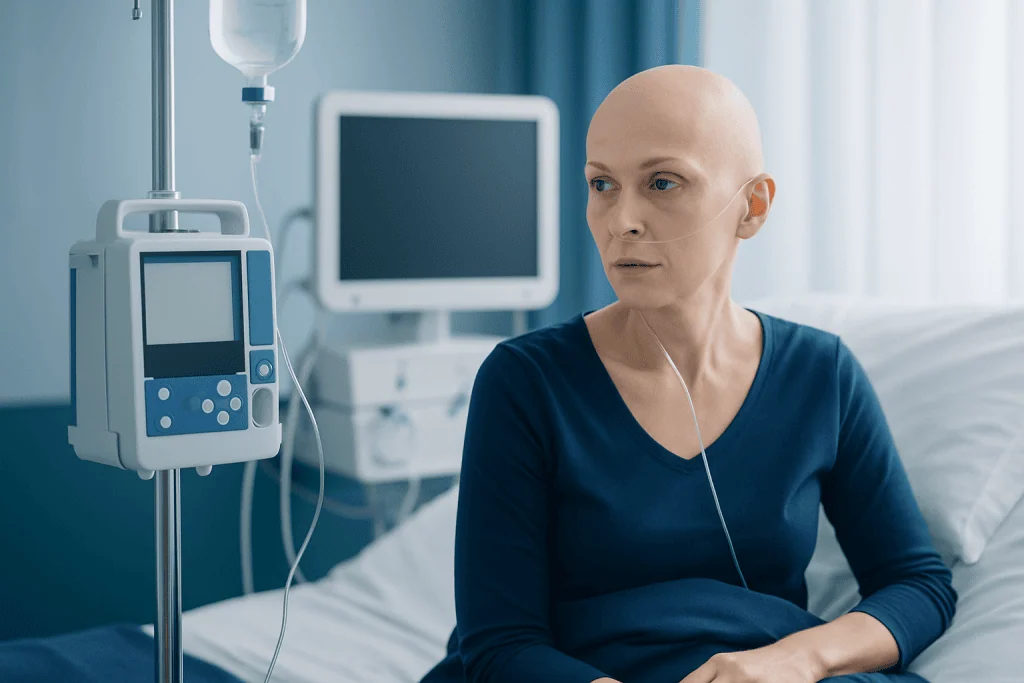
Neutropenia itself often causes no symptoms. Many people only learn they have it after a routine blood test before or during cancer treatment. The main issue is not how neutropenia feels, but how it can make infections harder for the body to control.
Fever is the most important warning sign. A temperature of 38°C (100.4°F) or higher, or chills and shivering, can signal infection in a person with neutropenia and should be reported without delay. Doctors may refer to this as febrile neutropenia, which needs urgent assessment because symptoms can progress quickly.
Other possible signs of infection may be subtle. Patients should watch for sore throat, cough, shortness of breath, burning during urination, diarrhea, mouth sores, new pain, unusual fatigue, or redness and swelling around a catheter site, wound, or skin break. Because symptoms may be mild at first, it is safest to speak with the cancer team early rather than wait for more obvious changes.
- Fever or chills
- New cough or trouble breathing
- Sore throat or mouth sores
- Pain or burning with urination
- Diarrhea or abdominal pain
- Redness, swelling, or drainage from the skin or a line site
Causes and Risk Factors

The most common cause of neutropenia during cancer treatment is chemotherapy, which can temporarily suppress the bone marrow. Neutrophil counts often fall several days after treatment and then recover before the next cycle, although timing varies depending on the drugs used. Some targeted therapies, immunotherapies, and radiation therapy can also contribute, especially when large areas of bone marrow are exposed.
Certain blood cancers, advanced cancers involving the bone marrow, and previous intensive treatment can increase the risk. Other contributing factors include poor nutrition, vitamin deficiencies, kidney or liver disease, autoimmune conditions, active infections, or medicines unrelated to cancer that affect blood cell production. In some cases, the cause is mixed rather than a single factor.
Doctors often consider a patient’s overall treatment plan when estimating risk. Regimens with a higher chance of causing low white blood cells may lead to closer monitoring or preventive measures. People who are older, frail, or who have had prior episodes of neutropenia may need a more tailored strategy from the start.
How Neutropenia Is Diagnosed and Monitored
Neutropenia is diagnosed with a complete blood count, or CBC, which measures different blood cells. The key value is the absolute neutrophil count, often called the ANC. This helps the care team understand how much infection-fighting capacity is reduced and whether extra precautions or treatment changes are needed.
During cancer treatment, blood counts are checked at intervals based on the type of therapy and the patient’s condition. If a fever or signs of infection develop, additional tests may include blood cultures, urine tests, a chest X-ray, or other imaging. The goal is to identify an infection quickly while also assessing the severity of neutropenia.
If neutropenia is severe, prolonged, or unexpected, doctors may look for additional causes. They may review all medications, assess nutritional factors, and evaluate whether the underlying cancer is affecting the bone marrow. In some situations, further hematology or oncology assessment is needed to guide ongoing care.
Treatment Options and Supportive Care
Treatment depends on the neutrophil count, whether the patient has a fever, and the overall cancer plan. Mild neutropenia without infection may only require monitoring and practical precautions. If the neutropenia is more severe, the oncology team may delay the next cycle, reduce the dose, or adjust the treatment schedule to allow blood counts to recover safely.
When fever occurs during neutropenia, urgent medical evaluation is essential. Doctors often begin antibiotics promptly, sometimes before a specific source of infection is confirmed, because early treatment improves safety. Depending on symptoms, test results, and general health, care may be given in the hospital or in selected cases through closely supervised outpatient management.
Some patients may receive growth factor medicines that stimulate the bone marrow to make more neutrophils. These medicines are used in certain situations to lower the risk of complications or help support ongoing treatment. Patients receiving chemotherapy may be counseled in advance about when counts are most likely to be low, and those needing intensive monitoring may benefit from coordinated care through medical oncology services.
If neutropenia is related to the cancer itself rather than treatment alone, managing the underlying disease is also important. In people with hematologic conditions such as leukemia, blood count problems can be part of the illness as well as a treatment effect, so the care plan may involve several specialists working together.
Prevention and Self-care During Low White Blood Cell Counts
Daily prevention steps can meaningfully reduce infection risk. Care teams usually recommend frequent handwashing with soap and water, especially before eating and after using the bathroom. Alcohol-based hand rub can also help when soap and water are not available. Patients are generally advised to avoid close contact with people who are sick and to ask visitors to postpone if they have symptoms such as fever, cough, vomiting, or diarrhea.
Food safety matters because neutropenia can make foodborne infections more dangerous. It is sensible to wash produce thoroughly, cook meat, eggs, and seafood well, avoid unpasteurized dairy products, and store food at safe temperatures. Doctors may also advise avoiding raw sprouts and taking extra care when eating outside the home.
Mouth and skin care are also important. Using a soft toothbrush, keeping the mouth clean, moisturizing dry skin, and protecting against cuts or scrapes can lower the chance of germs entering the body. It is best to avoid squeezing pimples, cutting cuticles, or using sharp tools carelessly during periods of low counts.
Patients should also follow their oncology team’s guidance on temperature checks, vaccines, travel, and crowded indoor settings. In more complex cases, supportive planning may involve hematology input, especially if low counts are severe, recurrent, or related to multiple causes.
When to Contact a Doctor
Patients should contact their cancer team immediately if they develop fever, chills, shortness of breath, chest pain, confusion, severe weakness, persistent vomiting, or any sudden worsening of symptoms. During neutropenia, infections can become serious even when symptoms seem mild at first. It is safer to report concerns early and let the care team decide what level of evaluation is needed.
It is also important to call about mouth sores that make it hard to eat or drink, diarrhea that does not improve, painful urination, or redness around a catheter or wound. Patients should avoid taking fever-reducing medicines on their own just to bring the temperature down, because this may mask a sign that the medical team needs to assess urgently.
Many cancer centers give patients a 24-hour contact number and clear written instructions about when to seek emergency care. Keeping that information readily available can reduce stress and help families respond quickly. Near the end of treatment planning, some patients may also value care in centers such as Acibadem International, where multidisciplinary specialists in JCI-accredited hospitals diagnose and treat cancer-related complications for international patients.
Frequently asked questions
What is neutropenia during cancer treatment?
Neutropenia means there are fewer neutrophils than normal in the blood. These cells help fight infection, so a low level can make it harder for the body to respond to bacteria and fungi during cancer treatment.
Why does chemotherapy cause low white blood cells?
Chemotherapy affects fast-growing cells, including cells in the bone marrow that make blood cells. As a result, neutrophil counts may drop for a period after treatment and then recover before the next cycle.
Is a fever during neutropenia an emergency?
Yes, fever during neutropenia should be treated as urgent unless a doctor advises otherwise. Because infection can worsen quickly when neutrophil counts are low, prompt medical assessment is important even if the person feels relatively well.
How can someone reduce infection risk at home?
Helpful steps include careful hand hygiene, avoiding close contact with sick people, handling food safely, and protecting the mouth and skin from irritation or injury. Patients should also follow the specific advice of their oncology team, since recommendations may differ depending on treatment and blood count levels.
Will cancer treatment need to be stopped if neutropenia happens?
Not always. Doctors may simply monitor blood counts more closely, or they may delay treatment briefly, adjust the dose, or use supportive medicines depending on how low the counts are and whether infection is present.
Can neutropenia happen with cancers other than blood cancers?
Yes. Neutropenia can occur with many types of cancer because it is often related to treatment rather than the cancer type itself. It can also happen if cancer affects the bone marrow or if other health factors interfere with blood cell production.
References
- National Cancer Institute
- American Cancer Society
- Centers for Disease Control and Prevention
- American Society of Clinical Oncology
- National Comprehensive Cancer Network
This article is for general information only and is not a substitute for professional medical advice. Please consult a qualified doctor about your individual situation.
Neutropenia in Turkey — costs, top hospitals & a free quote
JCI-accredited · board-certified surgeons · reply within 24h
Add us as a Preferred Source to see more of our trusted health content across Google Search, AI Overviews and Discover.