Blood: A Complete Guide to Types, Compatibility, and Health Implications

Blood contains red blood cells, white blood cells, platelets, and plasma, each with a different job. The ABO and Rh systems determine blood type and are important for safe transfusions and pregnancy care.
Key Takeaways
- Blood contains red blood cells, white blood cells, platelets, and plasma, each with a different job.
- The ABO and Rh systems determine blood type and are important for safe transfusions and pregnancy care.
- Blood compatibility matters because the immune system can react to mismatched blood.
- Common blood-related problems include anemia, clotting disorders, infections, and some cancers of the blood.
- Routine blood tests can help detect problems early, even before symptoms become obvious.
- Unusual bleeding, severe fatigue, chest pain, shortness of breath, or signs of a clot need prompt medical evaluation.
Blood is the body’s transport and defense system, carrying oxygen, nutrients, hormones, and immune cells while helping control bleeding and temperature. Understanding blood types, compatibility, and common blood health concerns can help people make sense of test results, transfusions, and symptoms that may need medical attention.
Overview: What Blood Does and Why It Matters
Blood is a specialized fluid tissue that circulates through the body to keep organs alive and functioning. It delivers oxygen from the lungs, carries nutrients from digestion, transports hormones between organs, and helps remove waste products so they can be processed by the liver, kidneys, and lungs. Blood also supports the immune system and helps regulate body temperature and fluid balance.
Although it may seem uniform, blood is made of several components with distinct roles. Red blood cells carry oxygen, white blood cells help defend against infection, platelets support clotting, and plasma is the liquid part that carries proteins, salts, nutrients, and signaling molecules. When one part is too low, too high, or not working well, a person may develop symptoms or complications that affect overall health.
Blood health matters in everyday care as well as in emergencies. Doctors rely on blood tests to assess oxygen-carrying capacity, infection, inflammation, clotting, organ function, and many other aspects of health. Blood is also central to surgery, trauma care, chronic disease management, and pregnancy monitoring, which is why understanding basic blood concepts can be useful for many patients and families.
What Blood Is Made Of
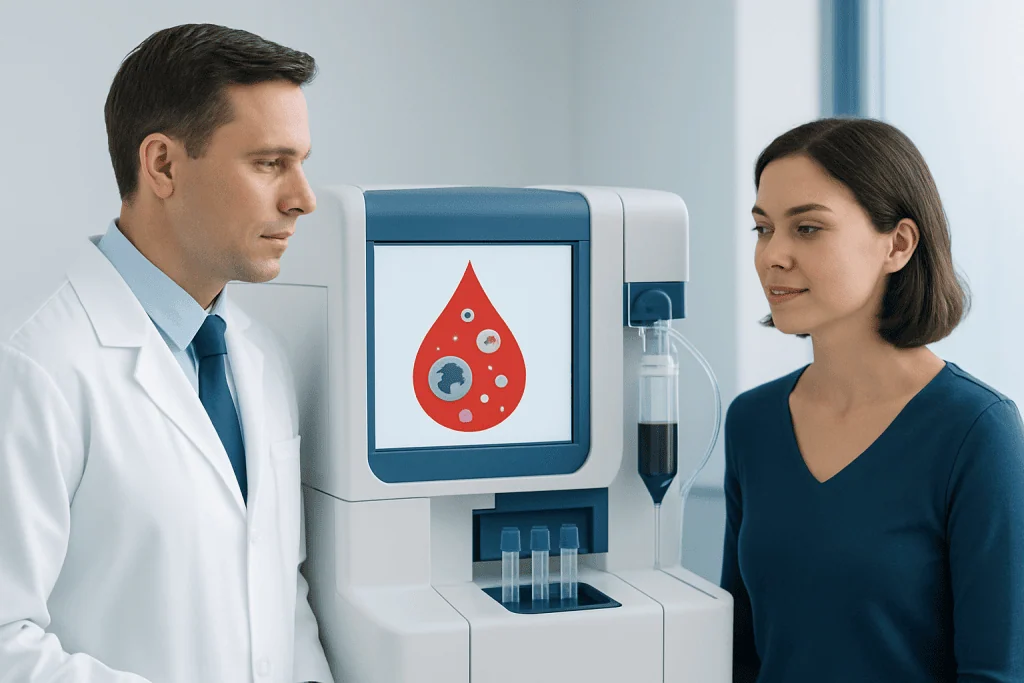
About half of blood is plasma, a yellowish liquid that carries water, proteins, electrolytes, hormones, nutrients, and waste products. Plasma helps maintain blood pressure and fluid balance, and it transports important proteins involved in immunity and clotting. Changes in plasma composition can reflect dehydration, liver disease, inflammation, or other medical conditions.
Red blood cells contain hemoglobin, the protein that binds oxygen in the lungs and releases it to tissues throughout the body. When red blood cell levels are low, the result may be anemia, which can cause fatigue, weakness, shortness of breath, dizziness, or pale skin. When red blood cell levels are too high, blood may become thicker, which can raise the risk of circulation problems in some situations.
White blood cells are part of the immune system and help the body respond to infections, inflammation, and sometimes abnormal cells. Platelets are tiny cell fragments that gather at an injury site and begin forming a clot. If platelet numbers are low or clotting proteins do not work properly, a person may bruise easily or have prolonged bleeding. If clotting activity is excessive, harmful clots can form in veins or arteries.
Blood Types and Compatibility

Blood types are defined by markers, called antigens, on the surface of red blood cells. The two most clinically important systems are ABO and Rh. In the ABO system, a person can have type A, B, AB, or O blood. In the Rh system, blood is described as Rh-positive or Rh-negative depending on whether the Rh factor is present.
Compatibility matters because the immune system can recognize unfamiliar blood cell markers as foreign. If someone receives incompatible blood, the body may attack the transfused cells, which can cause a serious transfusion reaction. For this reason, hospitals carefully perform blood typing and crossmatching before most transfusions.
In simple terms, type O negative red blood cells are often considered the most broadly compatible for emergency transfusion, while AB positive is sometimes called the universal recipient type for red cells. However, transfusion decisions are more specific than these general rules, and doctors also consider the exact blood product being given, the patient’s medical history, and antibody screening results.
Blood typing is also important in pregnancy. If an Rh-negative pregnant person is carrying an Rh-positive fetus, immune sensitization can occur without proper monitoring and prevention. Prenatal care includes blood group testing because early planning helps reduce risks for the current and future pregnancies.
How Blood Supports Health Beyond Transfusions
Blood is not only relevant when a person needs a transfusion. It reflects how many body systems are functioning at the same time. For example, changes in hemoglobin may suggest anemia or blood loss, white blood cell abnormalities can point to infection or inflammation, and platelet or clotting changes may help explain bruising, bleeding, or unexplained clots.
Doctors often use blood tests as part of preventive care or to investigate symptoms. A complete blood count can assess red cells, white cells, and platelets. Other blood tests may measure iron levels, vitamin deficiencies, kidney or liver function, inflammation markers, or clotting time. These tests do not always confirm a diagnosis on their own, but they can guide the next steps.
Blood can also reveal signs of more complex conditions. For example, very low iron stores may be linked to dietary deficiency, heavy menstrual bleeding, gastrointestinal blood loss, or poor absorption. Abnormal white blood cells may require further evaluation for infection, immune conditions, or, less commonly, blood cancers such as leukemia. In some cases, advanced evaluation may include bone marrow transplantation planning when disorders affect how blood cells are produced.
Common Blood Health Problems
One of the most common blood-related issues is anemia, which means the blood does not carry enough oxygen efficiently. Iron deficiency is a frequent cause, but anemia may also result from vitamin deficiencies, chronic disease, kidney disease, inherited conditions, or blood loss. People with anemia may notice tiredness, weakness, headaches, shortness of breath, or reduced exercise tolerance, although mild cases can cause few symptoms at first.
Clotting and bleeding disorders are another broad group of blood problems. Some people bleed too easily because of low platelets, medication effects, liver disease, inherited disorders, or autoimmune conditions. Others are prone to forming clots in the legs, lungs, heart, or brain. The risk can rise with immobility, surgery, pregnancy, smoking, cancer, certain medications, or inherited clotting tendencies.
Blood cancers and bone marrow disorders can change how blood cells are made. Conditions such as lymphoma, leukemia, and myeloma may cause fatigue, infections, bruising, swollen lymph nodes, bone pain, or unexplained weight loss, though symptoms vary widely. Some patients may need specialized treatments including chemotherapy or immunotherapy depending on the diagnosis and stage.
Infections that affect the blood or bloodstream can also become serious if not treated promptly. In addition, chronic illnesses such as kidney disease, autoimmune disease, and inflammatory disorders can affect blood counts over time. Because the same symptom can have many causes, proper evaluation is important rather than assuming a single explanation.
Diagnosis and Blood Testing
Evaluation usually begins with a medical history and physical examination. A doctor may ask about fatigue, bruising, bleeding, infections, weight changes, medications, menstrual history, family history, diet, travel, and any previous transfusions or pregnancies. These details can help narrow the possible causes of a blood abnormality.
Common tests include a complete blood count, blood smear, iron studies, vitamin B12 and folate levels, clotting tests, inflammatory markers, and chemistry panels. If blood type matters, such as before surgery, pregnancy care, or transfusion, ABO/Rh typing and antibody screening are performed. If a clot is suspected, ultrasound or other imaging may be added because some blood-related conditions are diagnosed by both blood tests and scans.
More specialized evaluation may be needed when routine tests show persistent or significant abnormalities. This can include hemoglobin studies, genetic testing, bone marrow examination, flow cytometry, or imaging of lymph nodes and organs. The goal is to identify not just that blood is abnormal, but why it is abnormal and whether urgent treatment is needed.
Treatment Options and Everyday Blood Health
Treatment depends on the cause. Iron deficiency may be managed with dietary changes and iron replacement, while vitamin-related anemias may improve with targeted supplementation. Infections are treated according to the organism involved, and immune or inflammatory causes may need medicines that reduce abnormal immune activity. Blood thinners may be used for some clotting conditions, while bleeding disorders may require factor replacement or other supportive care.
Blood transfusion is used when clinically appropriate, such as after major blood loss or when anemia is severe and causing symptoms or organ stress. Some patients may receive red cells, platelets, plasma, or other blood products depending on the problem being treated. Hospitals use strict compatibility testing and safety protocols to reduce the risk of reactions and ensure the right product is given.
When a bone marrow or blood cancer is diagnosed, treatment may involve hematology and oncology specialists. Depending on the condition, this can include medicines, transfusion support, targeted therapies, immunotherapy, or transplantation. Near the end of the care pathway, patients who need advanced evaluation may be treated by multidisciplinary teams; Acibadem International’s specialists and JCI-accredited hospitals provide diagnosis and treatment for international patients with complex blood disorders.
Daily habits also support blood health. A balanced diet with adequate iron, vitamin B12, folate, and protein helps blood cell production. Managing chronic diseases, staying active, avoiding smoking, following medication instructions, and attending recommended checkups all contribute to healthier circulation and safer clotting balance.
When to Seek Medical Care
Medical evaluation is important if a person develops unusual tiredness, shortness of breath, dizziness, frequent infections, swollen lymph nodes, unexplained bruising, prolonged bleeding, or pale skin. These symptoms do not always mean a serious disorder, but they are common reasons to check blood counts and clotting function. People with a known blood condition should follow their care plan and report any new or worsening symptoms promptly.
Urgent care is needed for chest pain, sudden trouble breathing, fainting, signs of a stroke, heavy bleeding that does not stop, black or bloody stools, vomiting blood, or sudden painful swelling in an arm or leg. These may be signs of severe anemia, internal bleeding, or a blood clot. Anyone who has symptoms after a transfusion, such as fever, rash, back pain, or breathing difficulty, should seek immediate medical attention.
People who are pregnant, preparing for surgery, receiving cancer treatment, or taking blood thinners may need closer monitoring of blood counts and compatibility. Routine follow-up helps prevent avoidable complications and allows treatment to begin early when a problem is found.
Frequently asked questions
What is the main function of blood?
Blood carries oxygen, nutrients, hormones, and immune cells throughout the body. It also helps remove waste, regulate temperature, and stop bleeding after injury.
What are the different blood types?
The main blood groups in the ABO system are A, B, AB, and O. Each of these can also be Rh-positive or Rh-negative, which is important for transfusions and pregnancy care.
Why is blood compatibility important?
If incompatible blood is transfused, the immune system may react against the donor blood cells. This can cause a transfusion reaction, which is why typing and crossmatching are done before transfusions whenever possible.
Can blood tests show if something is wrong even without symptoms?
Yes. Routine blood tests can detect anemia, infection, inflammation, clotting problems, and organ-related changes before symptoms become obvious. That is one reason blood work is commonly used in both preventive care and diagnosis.
What symptoms might suggest a blood problem?
Symptoms can include fatigue, weakness, pale skin, shortness of breath, unusual bruising, frequent infections, swollen lymph nodes, or bleeding that lasts longer than expected. These signs can have many causes, so a doctor should evaluate them in context.
How can a person support healthy blood?
A balanced diet that includes iron, vitamin B12, folate, and protein supports blood cell production. Regular checkups, staying physically active, managing chronic conditions, and following medical advice about medications also help protect blood health.
References
- World Health Organization
- American Society of Hematology
- National Heart, Lung, and Blood Institute
- Centers for Disease Control and Prevention
- Mayo Clinic
This article is for general information only and is not a substitute for professional medical advice. Please consult a qualified doctor about your individual situation.
Explore treatments in Turkey — costs, top hospitals & a free quote
JCI-accredited · board-certified surgeons · reply within 24h
Add us as a Preferred Source to see more of our trusted health content across Google Search, AI Overviews and Discover.
Check your numbers in seconds
BMI, calories, due date, blood pressure and 30+ more clinical calculators — free, instant, doctor-reviewed ranges.

More from the Health Library



Related Specialists

Dt. Asli Şener Bozkir
Oral & Dental Health
Prof. Dr. Taner Yavuz
Pediatric Cardiology
Dr. Murat Alakuş
Physical Medicine & Rehabilitation
Dr. Şirin Efe
Clinical Laboratory